- Policy Alignment: Many governments are now offering tax incentives for “granny flat” (ADU) construction and home-sharing arrangements to combat housing shortages and social isolation.
- Strategic Selection: Choosing between co-housing, home-sharing, or ADUs requires a rigorous audit of your mobility needs, long-term care goals, and desire for social interaction versus privacy.
- Vetting is Critical: When entering private home-sharing arrangements, utilizing verified platforms with background check protocols and legal templates is essential to mitigate financial and personal risks.
As we move into 2026, the landscape of housing for older adults is undergoing a fundamental shift. Gone are the days when the only options were remaining in a family home that has become difficult to maintain or moving into a traditional, often isolating, retirement facility. Instead, an intergenerational housing model is gaining momentum across the globe—a model that emphasizes community, resource sharing, and mutual support between different age groups.
This shift is driven by two powerful forces: the rising cost of living and a growing recognition that isolation is a significant risk factor for health decline in later life. Whether you are considering downsizing, seeking more social engagement, or looking to supplement your pension, understanding these new models is the first step toward making an informed decision about your future living arrangements.
Understanding the 2026 Intergenerational Housing Spectrum
Intergenerational housing is not a one-size-fits-all solution. It exists on a spectrum ranging from formal, purpose-built communities to informal, private agreements. To make a decision, you must first distinguish between these models based on your personal priorities, such as autonomy, social connection, and financial goals.
1. Purpose-Built Co-Housing
Co-housing communities are intentional neighborhoods where residents have their own private homes but share significant common spaces, such as kitchens, gardens, and workshop areas. By 2026, many of these complexes have integrated “age-in-place” technology, such as smart sensors and universal design features, making them highly suitable for those who prioritize community over total isolation.
2. Home-Sharing Programs
This model involves an older homeowner renting a spare room to a younger person—often a university student or a young professional—at a reduced rate in exchange for a set number of hours of companionship or light household assistance. This is increasingly popular in high-cost urban centers like London, New York, and Sydney, where the housing shortage is acute.
3. Accessory Dwelling Units (ADUs)
Often referred to as “granny flats” or “casitas,” these are secondary housing units on the same lot as a primary residence. In 2026, legislation in many jurisdictions has been streamlined to allow homeowners to build these units more easily, either to live in while renting out their main house, or to house a caregiver or family member nearby.

The Financial and Legal Implications of Housing Shifts
Transitioning to an intergenerational model is as much a financial move as it is a lifestyle one. Before committing to any arrangement, it is vital to understand the regulatory environment in your specific country.
| Model | Primary Financial Benefit | Key Risk Factor |
|---|---|---|
| Co-Housing | Reduced utility and maintenance costs; shared infrastructure. | High initial buy-in cost; complex association management. |
| Home-Sharing | Supplemental income; cost-effective help with chores. | Personal compatibility; lack of total privacy in the home. |
| ADU (Granny Flat) | Asset appreciation; potential to age in place while generating rent. | High construction/conversion cost; zoning and permit complexity. |
When evaluating these options, look beyond the immediate cost. For example, if you choose a home-sharing arrangement, you are not just gaining rent; you are entering into a social contract. You must define expectations regarding noise, guests, and cleaning duties early. In 2026, many reputable platforms provide legal templates for these contracts. Never enter into a home-sharing arrangement without a written agreement that outlines these boundaries.
Before moving into an intergenerational space, it is useful to conduct a “lifestyle audit.” This is not about your physical health alone, but about your psychological and social needs. Ask yourself the following questions:
- Privacy vs. Interaction: Do you enjoy frequent social interaction, or do you require long periods of solitude to recharge? Co-housing requires a high degree of social participation.
- Maintenance Capability: Are you physically able to manage a garden or common area, or do you prefer a “lock-and-leave” lifestyle where maintenance is handled by a management team?
- Support Needs: If your health needs change, does the housing model offer flexibility? For example, some co-housing communities have “buddy systems,” but they are not assisted-living facilities.
If you have mobility challenges, prioritize models that are “Universal Design” certified. This means the doorways are wide, there are no steps at entrances, and bathrooms are equipped with grab bars and curbless showers. Do not assume a “new” build is automatically accessible; always request the specific accessibility specifications.
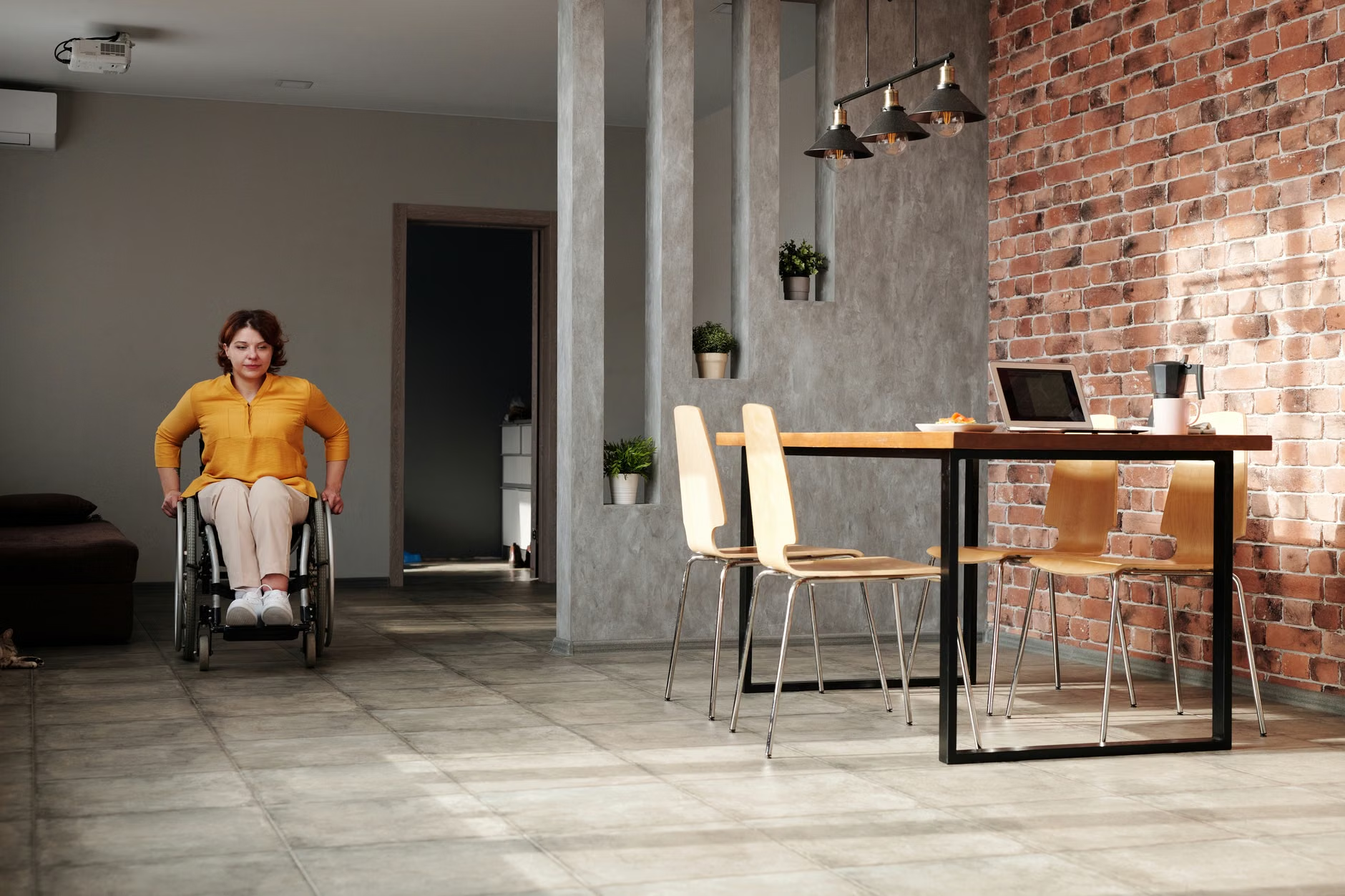
If you have decided that an intergenerational shift is right for you, follow these steps to ensure a smooth transition:
- Check Local Zoning and Tax Laws: In countries like Canada and the United Kingdom, local councils have different rules for ADUs. Check your local government website for “granny flat” or “accessory dwelling” ordinances to see if your property qualifies for tax relief.
- Vet Potential Partners: If considering home-sharing, use only registered, reputable platforms that conduct background checks. Avoid private social media listings where there is no verification process.
- Start Small: If you are unsure, see if you can visit a co-housing community for a short-term stay or trial period. Many communities offer guest suites for this exact purpose.
- Consult a Financial Planner: Discuss how rental income from an ADU or home-sharing might affect your pension or tax bracket. In many jurisdictions, this income is taxable, and failing to report it can lead to penalties.
It is important to note that the “hidden cost” of intergenerational living is often the emotional adjustment. Living with people of different generations requires patience and the ability to communicate clearly. You may find that your younger housemate has different views on cleanliness or technology use. These are not necessarily problems; they are simply differences that require negotiation.
The Role of Digital Public Services
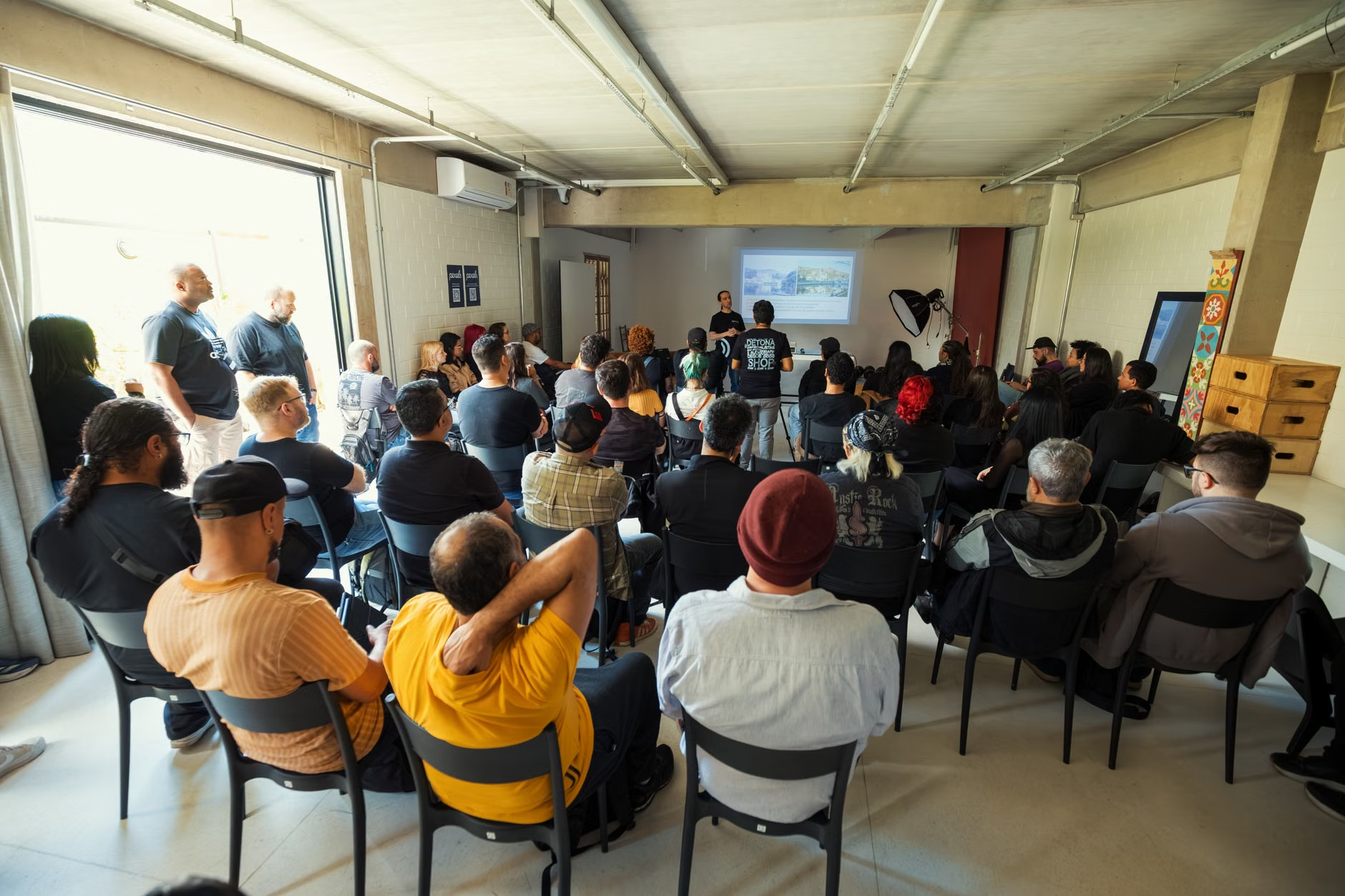
In 2026, digital public services have become more integrated with housing. Many cities now offer online portals where seniors can view “housing matching” services, check zoning requirements for their property, or apply for government grants designed to make homes more accessible. If you are not comfortable using these digital tools, reach out to your local community center or senior advocate group. They often host workshops on navigating these systems.
For example, in the European Union, several “Age-Friendly City” initiatives now provide digital dashboards that map out housing options based on proximity to public transport, pharmacies, and green spaces. Utilizing these tools can help you avoid the common mistake of choosing a location that looks great on paper but is difficult to navigate without a car.
Addressing Common Misconceptions
One common misconception is that intergenerational housing is only for those with low income. In reality, in 2026, it is increasingly becoming a choice for those who want to combat the “loneliness epidemic.” Research consistently shows that meaningful, regular interaction with people of different ages can improve cognitive function and emotional well-being. By choosing to live in an intergenerational environment, you are choosing a lifestyle that prioritizes human connection.
Another misconception is that these arrangements are unsafe. While it is true that you should always exercise caution, the rise of specialized agencies has made the process much safer than it was a decade ago. These agencies act as intermediaries, handling the background checks and the legal documentation, which significantly lowers the risk for both the homeowner and the resident.
Practical Considerations for Mobility and Safety
When touring any potential intergenerational housing, keep your mobility in mind. It is easy to overlook small details when you are excited about a new living situation. Use this checklist:
- Thresholds: Are there any “lips” or steps at the entryways to the house or the bathroom? These are major tripping hazards.
- Lighting: Is the path from the parking area to your front door well-lit?
- Transport: How far is the nearest public transport stop? Is the walk flat, or does it involve steep inclines?
- Emergency Access: If you were to have an emergency, is the layout of the home such that a first responder could easily reach you?
If you have a chronic health condition, ensure that your new living arrangement is within a reasonable distance of your preferred healthcare providers. Moving to a beautiful, intergenerational community is only sustainable if you can still access your regular medical appointments without undue stress.
The Future of Aging in Place
The 2026 shift toward intergenerational housing is not just a trend; it is a response to the demographic realities of our time. As the population continues to age, the need for flexible, community-oriented housing will only increase. By taking the time to understand these models now, you are positioning yourself to make a decision that will benefit your quality of life for years to come.
Remember that you are in the driver’s seat. Whether you choose to modify your current home, enter a co-housing agreement, or explore home-sharing, the goal is to create a living situation that supports your independence while fostering connections. Do not feel pressured to make a decision quickly. Research your options, speak with your family, and if necessary, consult with a professional who specializes in senior housing transitions.
Ultimately, the best housing model is the one that allows you to live with dignity, security, and a sense of belonging. The options available in 2026 are more diverse than ever before, and with the right information, you can find a path that fits your unique lifestyle and goals.
Frequently Asked Questions
- Is home-sharing safe for seniors living alone?
Yes, provided you use a reputable agency that conducts thorough background checks on all potential housemates. These agencies often provide ongoing support and mediation if issues arise. Always meet potential housemates in a public place first and check their references. - What is the difference between co-housing and assisted living?
Co-housing is a type of intentional neighborhood where residents own or rent their own homes and share common facilities; it is not a healthcare facility and does not provide personal care services. Assisted living is a professional care environment that provides support with daily tasks like medication management and bathing. - Are there government grants available for building an ADU?
Many local and national governments in 2026 offer grants or low-interest loans to help homeowners add “granny flats” to their properties, especially if the goal is to house a family member or provide affordable local housing. Check your local council or municipality’s housing department website for current programs in your jurisdiction.
Sources and Further Reading: