- Prioritize “Transit-First” Planning: Select mountain destinations based on the availability of funiculars, cogwheel trains, and aerial cableways rather than just scenic appeal.
- Manage Altitude and Stamina: Plan for a “One-Major-Activity-Per-Day” rule to account for the physical toll of altitude changes and uneven terrain.
- Verify Real-Time Accessibility: Never assume “accessible” means “barrier-free” in remote areas; always check local transit operator websites for lift maintenance schedules and step-free route maps.
Mastering Mountain Travel: A Comprehensive Guide to Accessible Transit for Seniors
Mountain travel offers unparalleled beauty, but for seniors, it requires a shift in strategy from “adventure-at-all-costs” to “calculated, accessible exploration.” Navigating high-altitude regions involves managing physical exertion, understanding complex transit infrastructure, and preparing for the unique environmental challenges that come with mountainous terrain. This guide provides a framework for planning, executing, and enjoying mountain trips while maintaining safety and comfort.
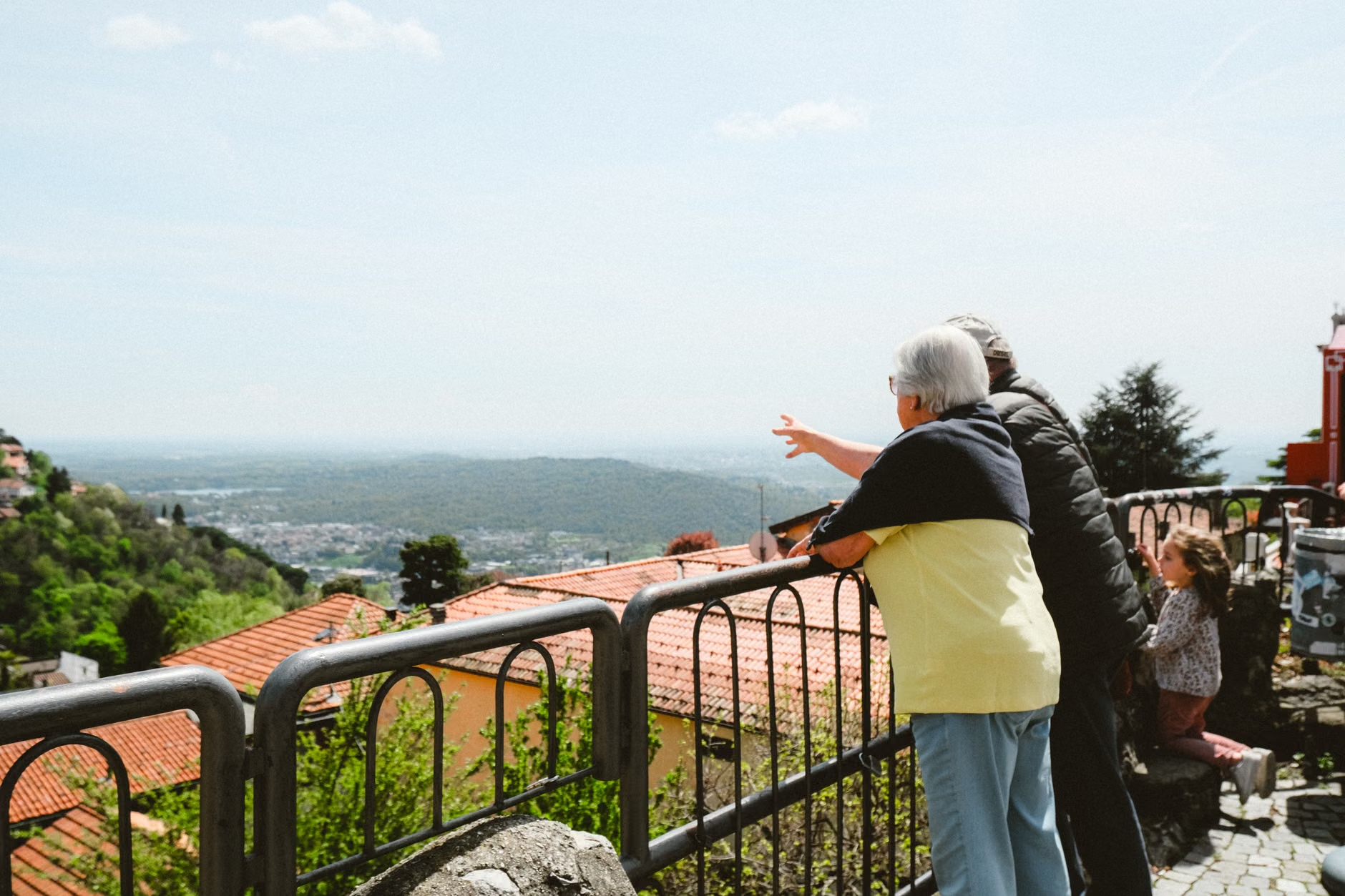
The “Transit-First” Strategy: Evaluating Destination Accessibility
The most common mistake when planning a mountain trip is choosing a location based on photos alone. Instead, focus on the transit-to-destination ratio. A destination is only as accessible as the infrastructure connecting its various points of interest.
Understanding Transit Infrastructure Types
Not all mountain transport is created equal. Understanding the difference between transit systems is vital for those with limited stamina or mobility aids.
| Transit Type | Accessibility Level | Best For |
|---|---|---|
| Funiculars | High (Usually step-free) | Moving from valley floors to mid-altitude hubs. |
| Aerial Cable Cars | Moderate to High | Direct vertical transit; check for “cabin-to-platform” gaps. |
| Cogwheel Railways | High | Comfortable, long-distance scenic travel in steep terrain. |
| Mountain Buses | Variable | Last-mile connectivity; check for low-floor vehicle availability. |
Funiculars and Cogwheel Railways are generally the gold standard for senior travelers. They typically offer wide aisles, stable seating, and are designed to handle significant inclines without the swaying motion common in cable cars. When evaluating a potential destination, look for official “Step-Free” or “Wheelchair Accessible” designations on the operator’s website. In Europe, for example, the Swiss Federal Railways (SBB) provides an Accessibility Guide that details the exact step height and platform gaps for specific mountain routes. Always cross-reference this with the local mountain railway’s site.
Managing Stamina and Altitude: The “One-Major-Activity” Rule
Altitude affects the body differently as we age. Even at moderate elevations (1,500 to 2,500 meters), the reduction in oxygen can cause fatigue, shortness of breath, and mild dizziness. The key to successful mountain travel is the “One-Major-Activity-Per-Day” rule.
Why Stamina Management Matters
When you are at high altitude, your heart rate increases even at rest. Activities that might feel effortless at sea level—such as walking on a slight incline—can become exhausting. Overexertion on the first day can lead to two or three days of recovery, essentially ruining the remainder of the trip.
Practical Application of the Rule
- Morning: The primary excursion (e.g., a panoramic train ride to a mountain summit).
- Midday: A long, seated lunch in a sheltered, low-altitude area.
- Afternoon: Rest at the hotel or a leisurely stroll on a flat, paved path within the town center.
Avoid “back-to-back” mountain peaks in a single day. If you plan to visit a high-altitude observation deck, ensure you have a “low-day” the following day where you stay within the valley town. This allows your body to acclimatize to the pressure changes and recover from the physical strain of navigating steep, uneven surfaces.
The biggest hurdle in mountain travel is often the distance between the transit stop and the actual viewpoint or attraction. Many mountain stations are located at the edge of towns, requiring a walk that may involve steep inclines or gravel paths.
Identifying “Hidden” Barriers
Even if a train station is accessible, the path to the main hotel or viewpoint might not be. Look for these specific indicators when researching your route:
- Slope Gradients: A path might be paved but have a gradient exceeding 10%. For seniors, a 5% gradient is usually the comfortable limit for independent walking or using a mobility aid.
- Surface Texture: Cobblestones are common in European mountain villages but are extremely difficult for those with balance issues or canes. Look for “smooth pavement” or “asphalt” labels on tourism maps.
- Shuttle Availability: Many mountain resorts offer “internal shuttles.” Contact your accommodation in advance to ask if they provide a courtesy car or if there is a local bus that stops directly at their entrance.
Pro-Tip: Use Google Maps in “Satellite” view combined with “Street View” to inspect the walk from the station to your destination. If you see cobblestones or steep zig-zag paths, reconsider your transit plan or look for a hotel closer to the main transport hub.
Health Preparation and Maintenance in Mountainous Regions
Mountain travel is physically demanding. You are not just traveling through space; you are traveling through an environment that forces physiological adaptation. Preparation is not just about packing; it is about managing your personal health baseline.
Pre-Trip Medical Checklist
Before booking, consult your primary care physician. Discuss your plans, especially if your itinerary involves heights above 2,500 meters. Ask specifically about:
- Hydration Needs: Mountain air is significantly drier, leading to faster dehydration, which exacerbates altitude fatigue.
- Medication Adjustments: If you take blood pressure or heart medication, check if they interact with altitude or if dosage adjustments are needed.
- Symptom Awareness: Learn to recognize the difference between “normal fatigue” and signs of altitude sickness (e.g., persistent headache, nausea, or rapid heartbeat at rest).
The “Safety Kit” for Mountain Transit
Regardless of how short the trip is, keep a small, accessible bag with you at all times containing:
- A copy of your medical summary: Include current prescriptions and any allergies.
- Emergency contact information: Keep this in both physical and digital formats.
- Layered clothing: Temperatures can drop 10 degrees Celsius in minutes when moving from a valley to a mountain peak.
- Sturdy, non-slip footwear: Even if you aren’t hiking, mountain stations are often damp, icy, or uneven.
Planning for the Unexpected: Transit Delays and Weather
Mountain weather is notoriously unpredictable. A clear morning can turn into a foggy, high-wind afternoon. Most mountain transit systems—especially cable cars—will suspend operations if winds exceed a certain threshold. This is a safety feature, not a service failure.
Decision-Making Framework for Weather
When you wake up, check the local mountain transit operator’s website, not just a general weather app. General apps give you the weather for the town, but the mountain peak could be experiencing entirely different conditions.
- If the weather is “Yellow” (Alert): Stick to low-altitude activities or stay in the town center. Do not risk a trip to the summit.
- If transit is delayed: Do not wait at the station. Have a “Plan B” (e.g., a museum, a local cafe, or a scenic indoor gallery) ready.
- Flexibility is cost-effective: Many mountain transit tickets are non-refundable but date-changeable. Always check the refund policy before purchasing a high-cost summit pass.
Conclusion: The Art of Slow Mountain Travel
Mountain travel for seniors is most rewarding when the pace is slow and the transit is chosen with care. By prioritizing stability, checking infrastructure in advance, and respecting the physical limitations imposed by altitude, you can enjoy the majesty of the mountains without the stress of unexpected barriers. Remember, the goal is not to “conquer” the peak, but to experience the environment comfortably and safely. Take your time, focus on the view rather than the itinerary, and ensure your transit choices support your independence.
Frequently Asked Questions (FAQ)
1. Is it safe for seniors to travel to high-altitude mountain resorts?
For most seniors, yes, provided you have no underlying cardiovascular or respiratory conditions that your doctor has warned against. The key is to ascend gradually, stay hydrated, and avoid strenuous physical activity for the first 24 hours at altitude to allow your body to adjust.
2. How do I find out if a mountain train station is truly accessible?
Do not rely on third-party travel blogs. Go directly to the official website of the mountain railway or the national rail provider (e.g., SBB in Switzerland, ÖBB in Austria). Look for a “Passengers with Reduced Mobility” or “Accessibility” section. These pages often contain PDF maps of stations showing the location of lifts and ramps.
3. What should I do if I feel dizzy while on a mountain summit?
If you feel dizzy, sit down immediately—do not try to walk to a “better” spot. Drink water to combat potential dehydration and, if possible, move to a lower elevation using the next available cable car or train. If dizziness persists after descending, seek medical attention at the local village clinic.