Dietary choline is an essential nutrient that plays a foundational role in brain health, specifically in the production of acetylcholine, a neurotransmitter critical for memory, mood, and muscle control. As we navigate the years between 60 and 80, ensuring adequate intake of this nutrient through daily diet is a proactive step in supporting long-term cognitive function.
- Choline is a precursor to acetylcholine, a vital neurotransmitter that helps maintain memory and cognitive clarity in older adults.
- The most reliable way to meet your daily choline requirements is through whole-food sources such as eggs, lean meats, fish, and cruciferous vegetables.
- While individual needs vary, most adults over 60 should aim for approximately 425mg (women) to 550mg (men) per day to support metabolic and neurological health.
Understanding Choline: What It Is and Why It Matters for the Aging Brain
Choline is often categorized as a vitamin-like essential nutrient. Unlike some nutrients that the body can synthesize in large quantities, the liver produces only a small amount of choline, meaning the vast majority must come from the food we eat. For adults aged 60 to 80, choline is not just a general health requirement; it is a structural component of cell membranes and a key player in neurological signaling.
In the brain, choline is transformed into acetylcholine. You can think of acetylcholine as a messenger that helps nerve cells communicate. When levels of this neurotransmitter are consistent, it supports the brain’s ability to store and retrieve information. As we age, maintaining the efficiency of these neural pathways becomes a priority for sustaining independence and daily cognitive sharpness.
Daily Choline Requirements and Dietary Sources
The National Academies of Sciences, Engineering, and Medicine (NASEM) provides the standard “Adequate Intake” (AI) levels for choline. It is important to note that these are general guidelines, and your specific needs may shift based on your overall caloric intake, existing health conditions, and activity levels.
| Group | Recommended Daily Intake |
|---|---|
| Adult Men (19+ years) | 550 mg |
| Adult Women (19+ years) | 425 mg |
Source: National Institutes of Health (NIH) Office of Dietary Supplements
To put these numbers into context, a large egg contains approximately 147mg of choline. This means that for many, a single egg at breakfast provides a significant portion of the daily requirement. However, relying on one source is rarely sufficient. A diverse diet ensures that you are receiving not only choline but also the secondary nutrients—like B vitamins and antioxidants—that work in synergy with it.
Top Food Sources for Your Daily Routine
Integrating choline into your diet does not require complex meal planning. It is about prioritizing specific whole foods during your regular grocery trips:
- Eggs: The yolk is the most concentrated source of choline in the average diet.
- Beef Liver: While not a daily staple for most, it is exceptionally high in choline.
- Salmon and Cod: These fatty fish provide high-quality protein and omega-3 fatty acids, which complement choline’s brain-supporting role.
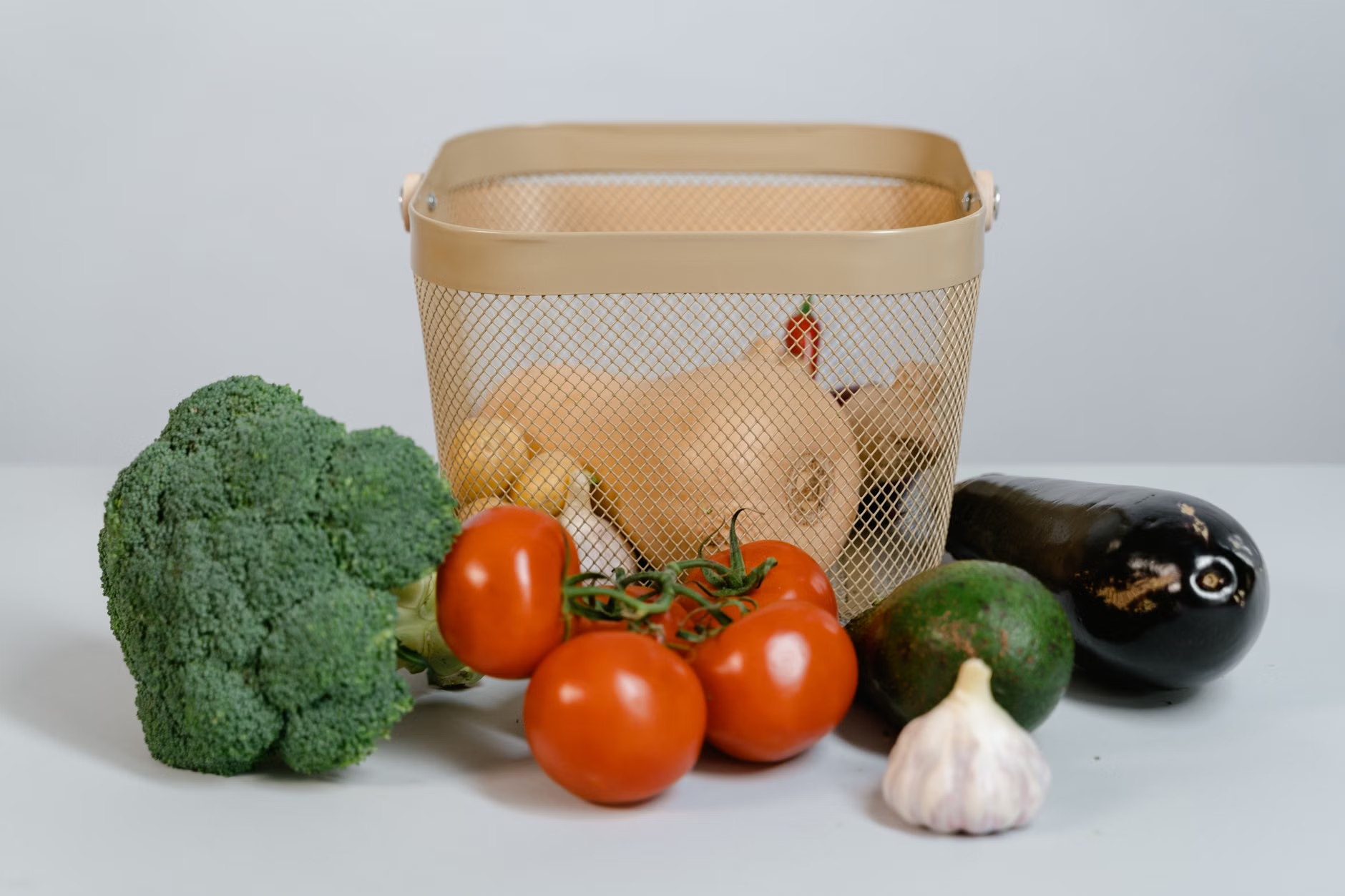
- Cruciferous Vegetables: Broccoli, cauliflower, and Brussels sprouts are excellent plant-based sources.
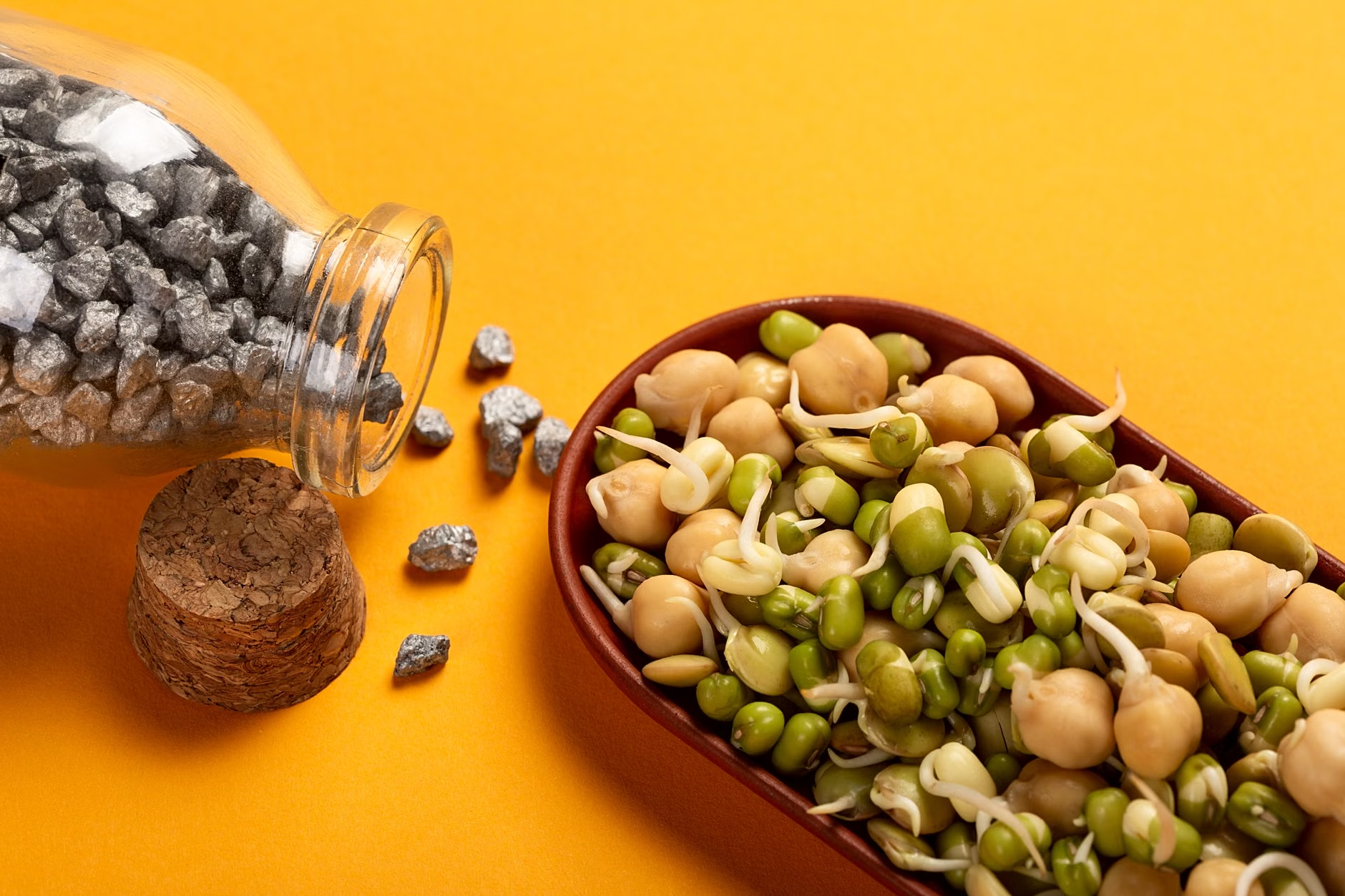
- Legumes: Chickpeas, kidney beans, and soybeans are versatile additions to soups or salads.
Practical Strategies for Meeting Daily Needs
For many older adults, the biggest challenge is not the availability of these foods, but the consistency of consumption. If you are cooking for one or two, you may find it difficult to keep a wide variety of fresh ingredients on hand. The following strategies can help bridge that gap.
The “Two-a-Day” Rule
A simple decision-making rule is to include one primary source of choline at breakfast and one at dinner. For example, if you have an egg-based breakfast, your dinner could focus on a portion of fish or a side of steamed broccoli. This ensures that even if lunch is a lighter meal, your total intake remains within a healthy range.
Managing Nutritional Trade-offs
When selecting your sources, consider your overall health goals. For instance, while beef liver is a powerhouse, it is also high in cholesterol. If you are managing cardiovascular health, focus instead on eggs (which have a favorable nutrient profile) or plant-based sources like soy and quinoa. The goal is to balance brain support with heart health, rather than focusing on a single nutrient to the exclusion of others.

When to Consult a Professional
While diet is the primary vehicle for obtaining choline, some individuals may have specific genetic variations or malabsorption issues that make it harder to maintain adequate levels. If you notice persistent “brain fog,” difficulty with short-term recall, or significant changes in your energy levels, it is worth discussing your dietary habits with your primary care physician or a registered dietitian.
Important: Do not jump to the conclusion that a memory lapse is solely due to a nutritional deficiency. Cognitive changes can be caused by a wide range of factors, including medication side effects, sleep disturbances, thyroid function, or vitamin B12 deficiency. A professional can help you distinguish between normal age-related changes and issues that require clinical intervention.
Preparing for Your Medical Appointment
If you decide to discuss your brain health and nutrition with your doctor, arrive prepared to make the conversation productive:
- Food Diary: Keep a 3-day log of what you eat. This helps the professional see if you are meeting your nutritional targets.
- Symptom Record: Write down specific instances where you felt your memory or focus was challenged.
- Medication List: Bring a list of all current supplements and medications, as some can interact with how your body processes nutrients.
- Direct Questions: Ask, “Based on my current health profile, should I focus on specific dietary changes, or is there a need for blood work to check my nutrient levels?”
Common Misconceptions and Reality Checks
One common mistake is believing that high-dose choline supplements are a “cure” for memory loss. There is currently no clinical evidence to suggest that supplementing beyond the recommended intake provides additional cognitive benefits for healthy adults. In fact, excessive intake can lead to unpleasant side effects, including a “fishy” body odor and, in very high doses, low blood pressure.
Always prioritize food-first nutrition. Whole foods provide a complex matrix of nutrients that supplements cannot replicate. Furthermore, the act of preparing and eating fresh, nutrient-dense meals is itself a form of cognitive engagement that supports brain health.
Integrating Brain-Healthy Habits into Daily Life
Improving your diet is only one piece of the puzzle. To truly support cognitive health, combine your focus on choline with other evidence-based lifestyle habits. Physical movement, for example, increases blood flow to the brain, which helps transport the nutrients you consume to where they are needed most. Similarly, social interaction and lifelong learning keep neural pathways active.
Think of your brain as an engine: choline is the fuel, but physical activity, cognitive stimulation, and restorative sleep are the maintenance that keeps the engine running smoothly. If you find your current diet is lacking in the foods mentioned above, try making one small substitution each week. Replace a refined-grain side dish with a portion of legumes, or opt for a fish-based dinner twice a week instead of red meat.
By making these intentional, manageable changes, you are not just “eating for memory”—you are investing in your quality of life for the years ahead. Consistency is far more effective than perfection. Over time, these small choices become habits, and those habits form the bedrock of your ongoing health and independence.
Frequently Asked Questions
1. Can I get enough choline from a vegetarian or vegan diet?
Yes, it is possible, but it requires more planning. While eggs and meat are the easiest sources, vegetarians and vegans can find choline in soybeans, tofu, quinoa, broccoli, and peanuts. If you follow a plant-based diet, you may need to track your intake more closely to ensure you are meeting the 425mg–550mg target.
2. Does cooking method affect the choline content in food?
Choline is relatively heat-stable, meaning you won’t lose all of it during cooking. However, because it is a water-soluble nutrient, some choline can leach into the water if you boil your vegetables. Steaming, roasting, or stir-frying are excellent ways to preserve both the choline and other water-soluble vitamins in your produce.
3. Are there medical conditions that increase the need for choline?
Certain conditions, such as liver disease or specific genetic polymorphisms (like MTHFR variants), can influence how your body processes or requires choline. If you have been diagnosed with a metabolic or digestive disorder, speak with your healthcare provider to determine if your specific situation requires a more targeted nutritional plan.
Disclaimer: This article is for informational purposes only and does not constitute medical advice, diagnosis, or treatment. Always seek the advice of your physician or other qualified health provider with any questions you may have regarding a medical condition or dietary changes.