- Choline is an essential nutrient required for the production of acetylcholine, a neurotransmitter critical for memory, mood, and muscle control.
- The recommended daily intake for most adults is 550mg for men and 425mg for women; many seniors fall short of this through diet alone.
- Focus on whole-food sources like eggs, lean meats, fish, and cruciferous vegetables rather than relying solely on supplements, which may have varying absorption rates.
For adults aged 60 to 80, maintaining cognitive sharpness is often a top priority. While much attention is paid to physical exercise and social engagement, nutritional support for the brain is equally vital. Among the essential nutrients often overlooked is choline. This water-soluble compound acts as a building block for cell membranes and is instrumental in the synthesis of acetylcholine, a vital chemical messenger that helps the brain process information, store memories, and regulate mood.
Understanding Choline: What It Is and Why Your Brain Needs It
Choline is classified as an essential nutrient, meaning your body cannot produce enough of it on its own to meet all its biological needs. It plays several roles, but for the aging brain, its most significant contribution is the production of acetylcholine. As we age, the efficiency of neurotransmission can naturally fluctuate. Ensuring an adequate supply of the precursors needed to create these messengers is a foundational step in preventive health.
Beyond neurotransmitters, choline is vital for methylation, a biological process that influences DNA expression and the regulation of homocysteine levels. Elevated homocysteine is sometimes linked to cardiovascular issues and potential cognitive decline; therefore, keeping choline levels stable is a proactive way to support both heart and brain health simultaneously.
Assessing Your Daily Intake: Is Your Diet Sufficient?
The “Adequate Intake” (AI) levels established by health authorities are 550 mg per day for men and 425 mg per day for women. Despite these clear targets, national surveys in various regions, including the U.S. and parts of Europe, suggest that many adults do not reach these levels. For an older adult, a slight deficiency might not show immediate symptoms, but over years, it can result in suboptimal cellular repair and cognitive performance.
To determine if you are meeting these needs, consider the following checklist of common dietary sources. If these items are rarely on your plate, you may want to adjust your grocery habits.
| Food Item | Approximate Choline Content | Notes for Seniors |
|---|---|---|
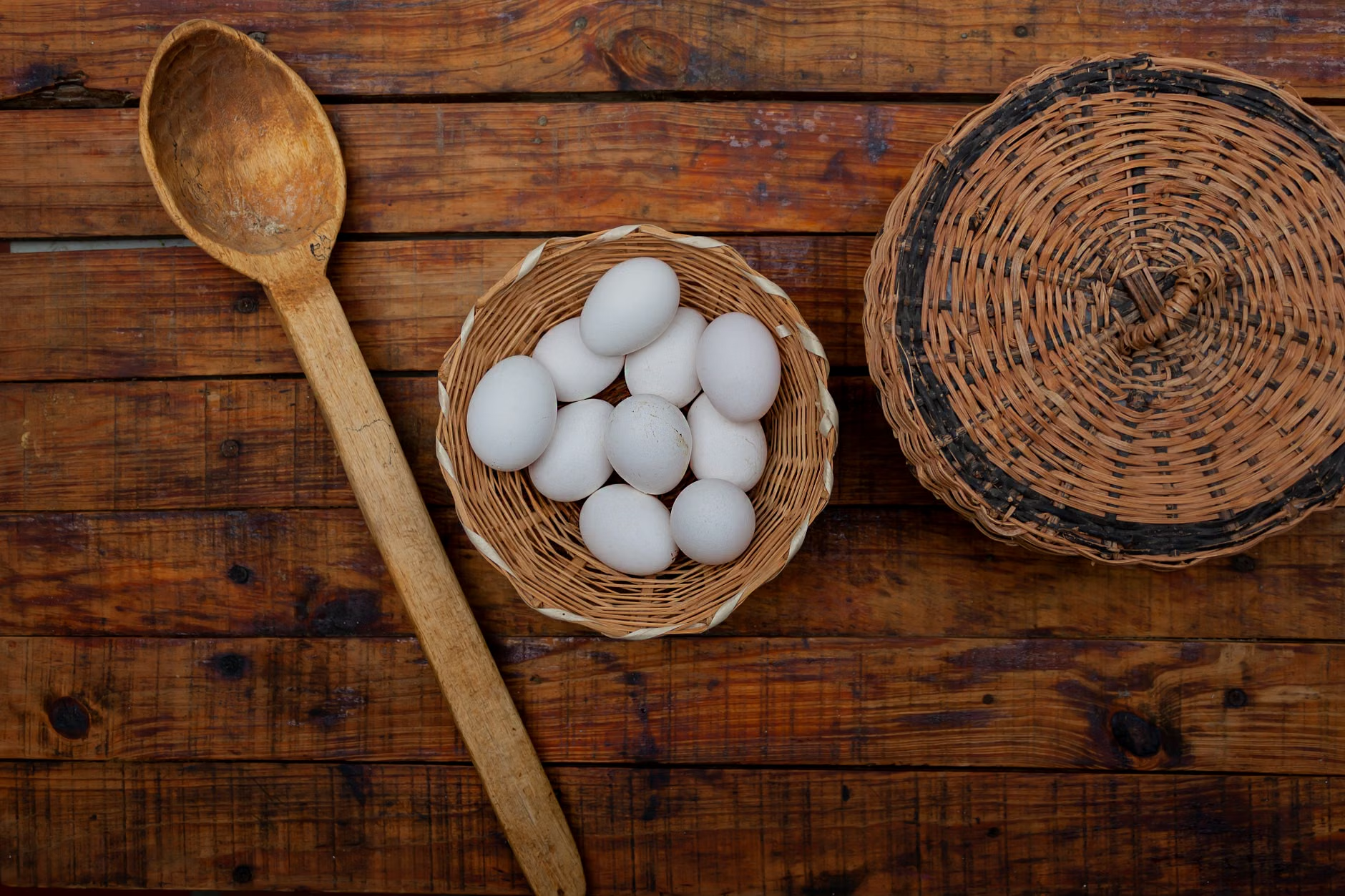
| Egg (1 large) | 147 mg | The yolk is the primary source; easy to digest. |
| Beef, cooked (3 oz) | 70–90 mg | Choose lean cuts to support heart health. |
| Salmon (3 oz) | 60–80 mg | Provides Omega-3s as an added benefit. |
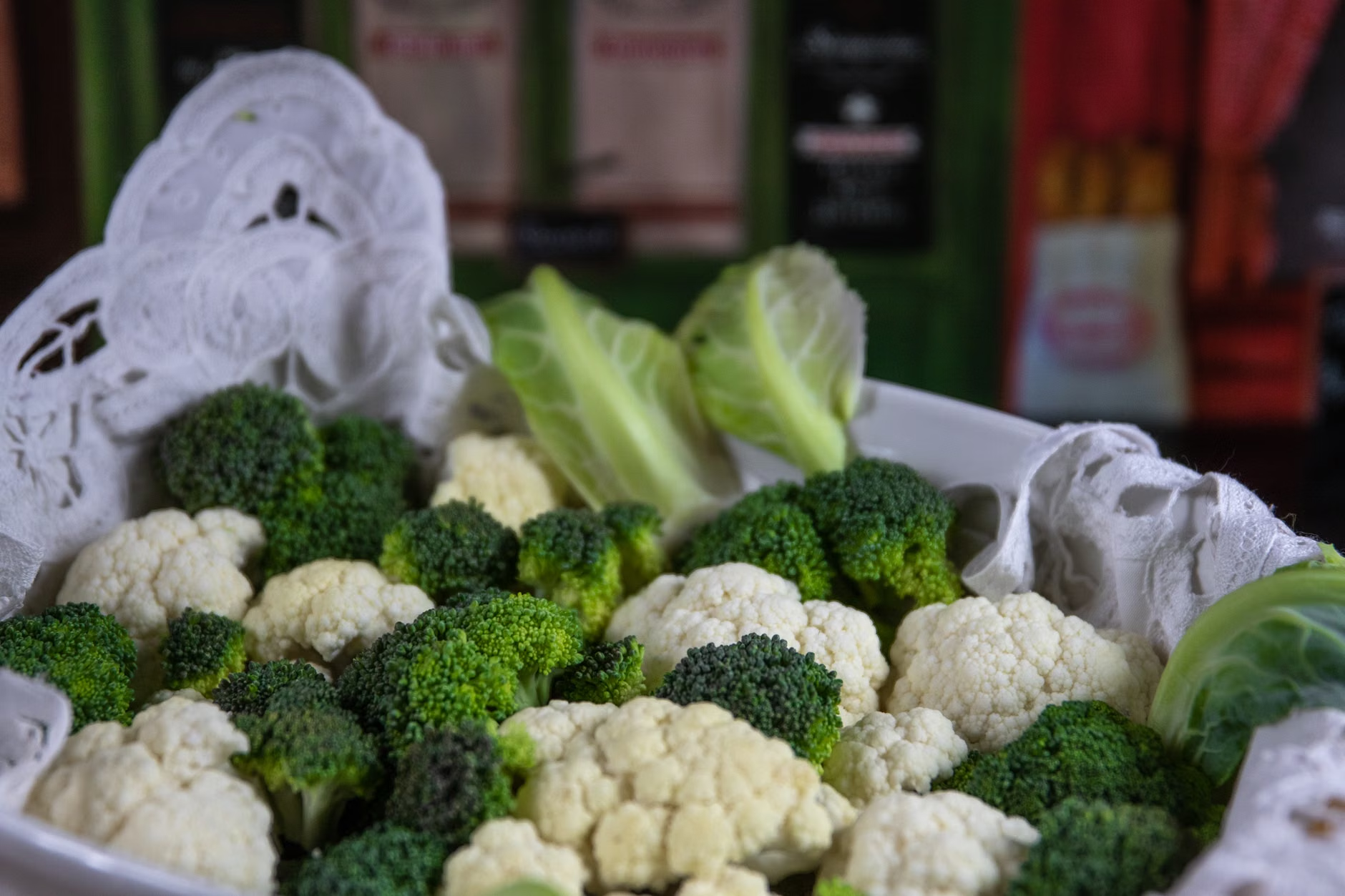
| Broccoli (1 cup, cooked) | 60 mg | High fiber; excellent for digestive health. |
| Chicken Breast (3 oz) | 70 mg | Versatile and low in saturated fat. |
Note: Values are estimates based on standard nutritional databases. Actual content varies by preparation method and source.
Practical Integration: Making Choline Part of Your Routine
You do not need to obsess over every milligram, but incorporating a “choline-first” approach to your meal planning can be highly effective. The goal is consistency, not perfection. Here is how you can practically increase your intake without complicated meal plans:
1. The Breakfast Strategy
Eggs are arguably the most efficient source of choline. If your cholesterol levels are a concern, consult your primary care physician or a registered dietitian. Current research suggests that for most people, the nutritional benefits of eggs, including choline and high-quality protein, outweigh concerns about dietary cholesterol. If you consume two eggs for breakfast, you have already secured over 60% of your daily requirement.
2. The “Cruciferous” Habit
Vegetables like broccoli, cauliflower, and Brussels sprouts are not only rich in fiber and vitamins but are also decent sources of choline. If you find these vegetables difficult to digest, steaming them until tender or blending them into soups can make them much easier on the digestive system while retaining the nutrients.
3. Managing Protein Portions
For many older adults, protein intake naturally decreases due to changes in appetite or dental comfort. By focusing on lean meats like chicken, turkey, or fish, you gain choline alongside essential amino acids that help maintain muscle mass—a critical factor for mobility and independence in your 70s and 80s.
Addressing Common Misconceptions and Risks
It is important to clarify that choline is not a “brain-boosting” miracle drug. It is a fundamental nutrient. Taking high-dose supplements without a clear medical need can be unnecessary and, in some cases, may cause gastrointestinal discomfort or a “fishy” body odor, which is a known side effect of excessive choline intake.
When to talk to your doctor: If you are considering a supplement because you have significant dietary restrictions (such as a strict vegan diet, which may lack natural choline sources), speak to your doctor or a pharmacist first. They can help you determine the appropriate dosage. Never assume that “more is better.” Furthermore, if you are currently managing conditions like chronic kidney disease, always check with your medical team before changing your intake of specific nutrients, as kidney function can affect how your body processes dietary compounds.
The Role of Lifestyle in Cognitive Longevity
Nutrients do not work in isolation. Choline serves as a fuel, but the “engine”—your brain—needs other forms of maintenance to function well. Physical activity, specifically aerobic exercise, increases blood flow to the brain, which enhances the delivery of nutrients like choline. Similarly, mental engagement through reading, learning new skills, or social interaction creates the demand for the neurotransmitters that choline helps produce.
Consider the “Synergy Effect”:
- Nutrition: Providing the raw materials (choline).
- Blood Flow: Exercise ensures these materials reach the brain cells.
- Usage: Cognitive tasks and social interaction “exercise” the pathways, keeping them efficient.
If you feel that your cognitive health is changing in a way that concerns you or your family, do not simply turn to supplements. The first step should always be a professional assessment. When you visit your doctor, come prepared to discuss your diet. A simple “I am worried about my memory” is a good start, but a more effective conversation includes:
- A 3-day food diary: Write down what you eat to show your doctor your current nutrient intake.
- A list of all medications and supplements: Some medications can interfere with nutrient absorption.
- Specific observations: Note when you feel “foggier” or if you have noticed specific memory lapses.
Your doctor can help determine if your concerns are related to nutritional deficiencies, side effects of medication, or other underlying conditions that require specific medical intervention. Being proactive about your nutrition is a powerful tool, but it should be part of a comprehensive health strategy managed by your healthcare team.
Conclusion
Dietary choline is a simple, manageable, and effective way to support your brain as you age. By prioritizing whole foods like eggs, lean meats, and cruciferous vegetables, you provide your body with the essential building blocks for cognitive function. Remember that while nutrition is a cornerstone of health, it is most effective when combined with regular physical activity and professional medical oversight. Start by making small, sustainable changes to your daily meals, and view your nutrition as a long-term investment in your independence and quality of life.
Frequently Asked Questions (FAQ)
1. Are there specific medical conditions that require extra choline?
Certain conditions, such as liver disease or specific genetic variations, can affect how your body produces or uses choline. If you have been diagnosed with a metabolic or liver-related condition, your doctor may suggest a specific intake level. Always follow the guidance of your specialist rather than general nutritional advice.
2. Can I get enough choline if I follow a plant-based diet?
Yes, but it requires more intentional planning. While animal products are the most concentrated sources, plant-based sources like soybeans, quinoa, shiitake mushrooms, and cruciferous vegetables contain choline. If you are strictly vegan, you may need to monitor your intake more closely or consult a dietitian to ensure you are meeting the 425mg–550mg daily target.
3. Should I take a choline supplement if I am over 70?
Most healthy adults can meet their choline needs through a balanced diet. Supplements are generally reserved for individuals who have specific deficiencies identified by a blood test or those who cannot meet their needs through food due to severe dietary restrictions. Always speak with your healthcare provider before adding any supplement to your routine to ensure it does not interact with your current medications.
Official guidance on nutrient requirements can be found at the National Institutes of Health (NIH) Office of Dietary Supplements: https://ods.od.nih.gov/factsheets/Choline-HealthProfessional/