The Cognitive Joy of Amateur Stamp Collecting: A Guide for Mindful Hobbyists
- Stamp collecting (philately) provides structured cognitive stimulation that enhances focus, memory, and pattern recognition.
- Starting a collection requires minimal investment; the primary value lies in the research and historical storytelling behind the stamps.
- The hobby serves as a bridge to community involvement through local clubs, online forums, and intergenerational knowledge sharing.
Amateur stamp collecting, or philately, is far more than the accumulation of small paper squares. For adults aged 60 to 80, it acts as a sophisticated cognitive exercise that blends historical research, artistic appreciation, and organized classification. Unlike fast-paced digital activities, stamp collecting demands patience and precision, traits that encourage a “flow state”—a psychological state of deep immersion that is proven to reduce stress and improve mental acuity.
The Cognitive Benefits of Philately
Engaging in a hobby that requires sustained attention can be a powerful way to maintain cognitive health. Philately is uniquely suited for this because it involves multiple layers of mental engagement. When you examine a stamp, you are not just looking at a picture; you are deciphering a piece of history, geography, and graphic design.
Active Memory and Pattern Recognition
To organize a collection, a hobbyist must categorize stamps by country, era, printing technique, or theme. This process forces the brain to engage in active recall and pattern recognition. For instance, distinguishing between two stamps that appear identical but possess different watermarks or perforation counts requires intense visual focus. This type of “micro-investigation” stimulates neural pathways associated with detail-oriented tasks and sustained attention.
Historical Context and Lifelong Learning
Every stamp is a primary source document. A stamp issued in the 1930s carries the political, social, and economic markers of its time. Researching the story behind a stamp—such as why a specific leader was featured or what an image signifies—transforms the hobby into an intellectual pursuit. This constant acquisition of knowledge keeps the brain active and curious, which is essential for healthy aging.
Getting Started: A Practical Framework
One of the greatest advantages of stamp collecting is its accessibility. You do not need a massive budget or a vast amount of space to begin. However, approaching it with a structured plan ensures you enjoy the hobby without it becoming a source of clutter or frustration.
Essential Tools for the Beginner
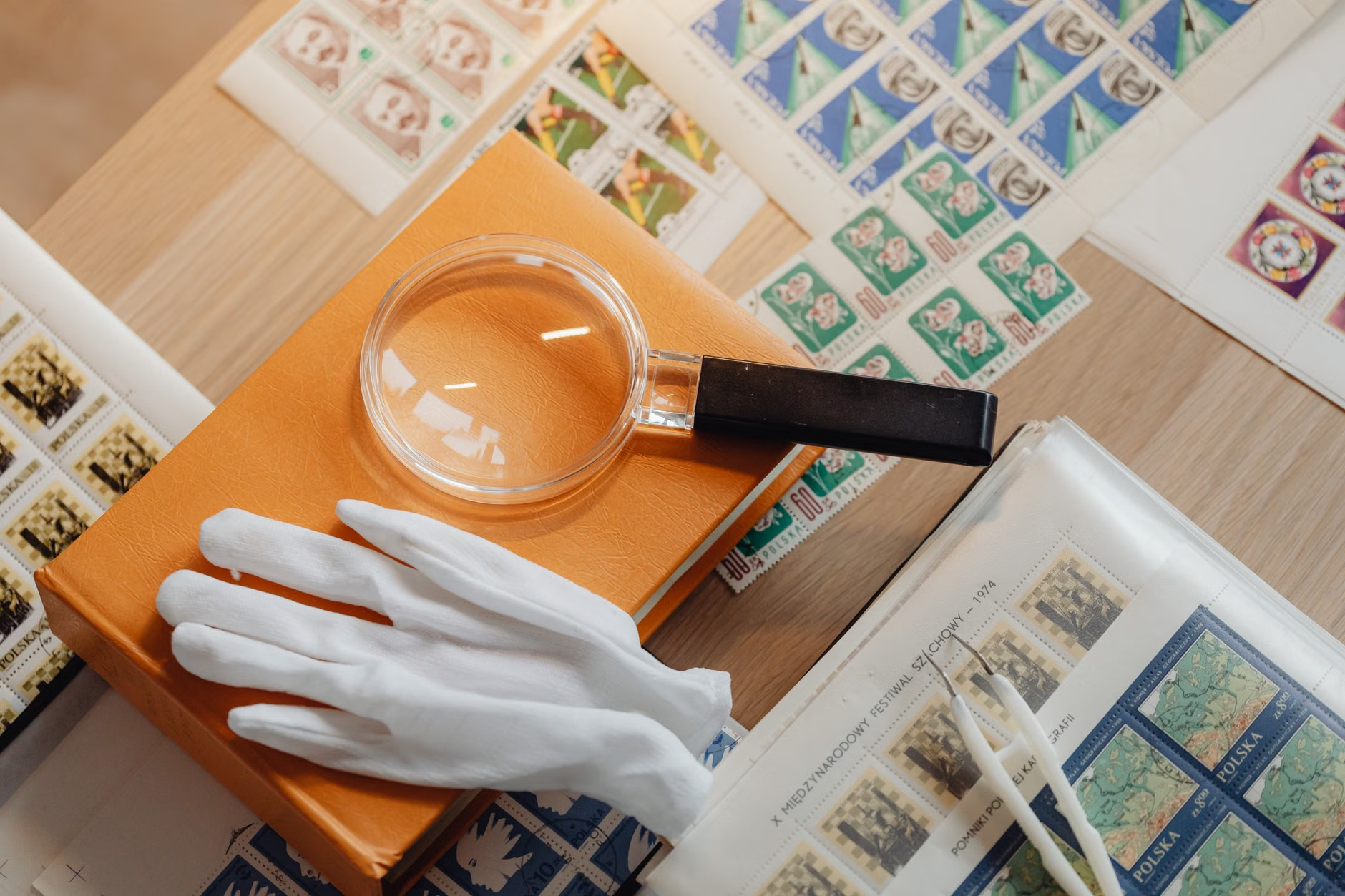
Do not begin by handling stamps with your fingers, as oils from the skin can damage the paper over time. Invest in a few basic, inexpensive tools to ensure your collection remains in good condition.
| Tool | Primary Function | Why It Matters |
|---|---|---|
| Stamp Tongs | Handling stamps | Prevents damage from skin oils and bending. |
| Magnifying Glass | Visual inspection | Essential for seeing fine details and errors. |
| Stockbook/Album | Storage | Protects stamps from light, dust, and moisture. |
| Reference Catalog | Identification | Provides historical and valuation context. |
Practical Decision Rule: If you have limited dexterity, opt for a stockbook with larger pockets and a magnifying glass with a built-in stand or LED light. This reduces physical strain while maintaining the quality of your inspection.
The Philosophy of Collecting: Quality Over Quantity
A common mistake among new collectors is the urge to acquire as many stamps as possible. This can quickly lead to a disorganized pile that becomes a chore rather than a joy. Instead, focus on a “thematic” approach.
Choosing a Theme
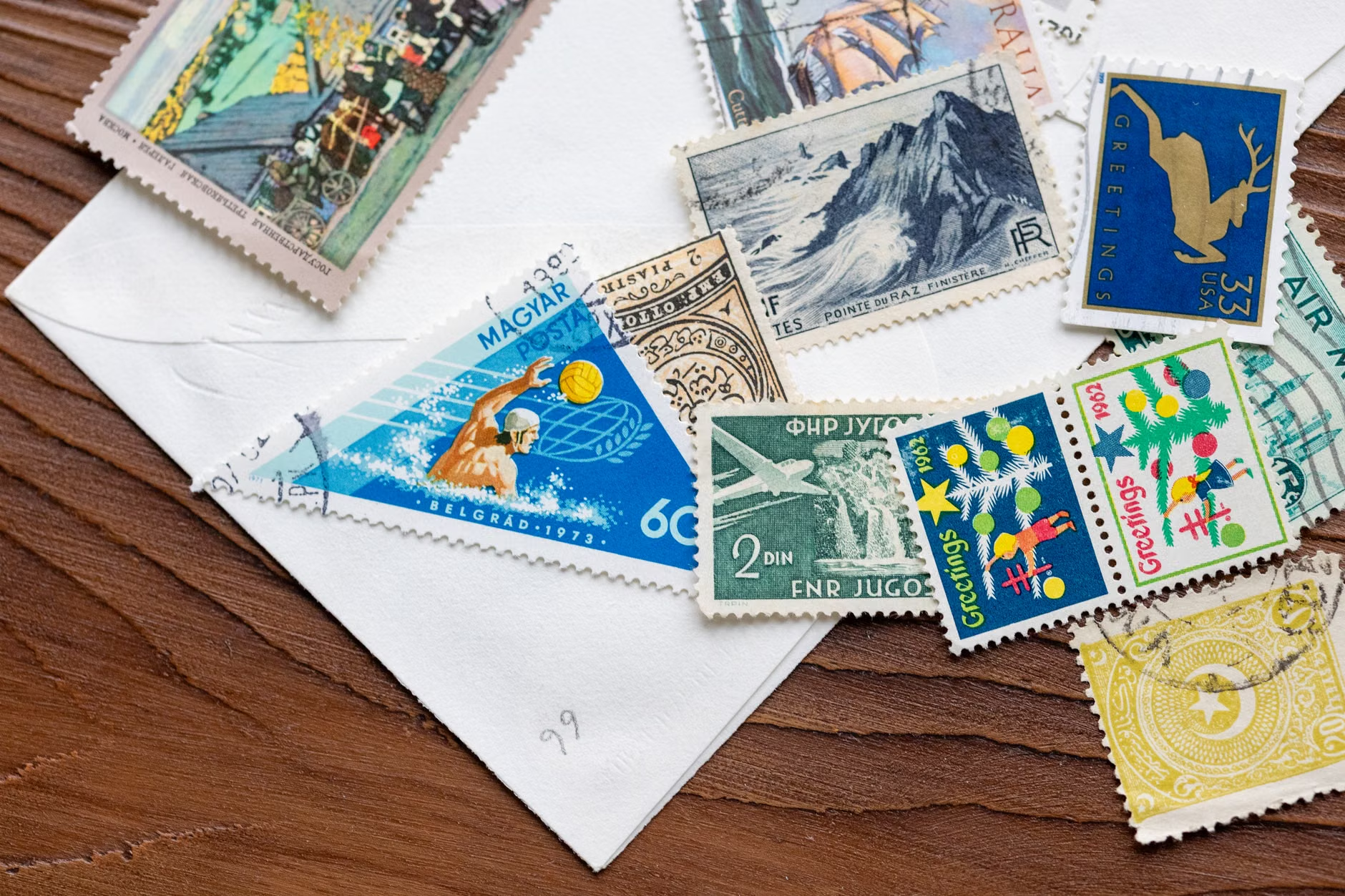
By narrowing your focus, you transform a chaotic accumulation into a meaningful narrative. Common themes include:
- Flora and Fauna: Collecting stamps that feature birds, flowers, or endangered animals from specific regions.
- Historical Events: Focusing on stamps issued during significant decades (e.g., the 1950s or 1960s).
- Geographic Regions: Concentrating on stamps from countries you have visited or have a personal connection to.
Insight: The “hidden” advantage of a thematic collection is that it provides a natural stopping point. When your album for “Birds of the World” is full, you have achieved a sense of completion, which provides a psychological reward that a “general” collection cannot offer.
While stamp collecting is often a solitary, meditative activity, it can also be a gateway to social connection. In the modern era, you have more resources than ever to share your findings or seek advice.
Joining Local and Online Communities
Many regions have local philatelic societies that hold regular meetings. These gatherings are excellent for physical activity and social interaction. If mobility or transportation is a challenge, online forums such as the American Philatelic Society (APS) or the Royal Philatelic Society London offer extensive digital resources, webinars, and virtual discussion groups.
Safety Warning: When participating in online forums or buying stamps from private sellers, always prioritize reputable platforms. Be wary of “too good to be true” offers on rare stamps. If you are uncertain about the value of a collection, consult an independent appraiser rather than relying solely on the seller’s claims.
Maintaining Physical and Mental Stamina
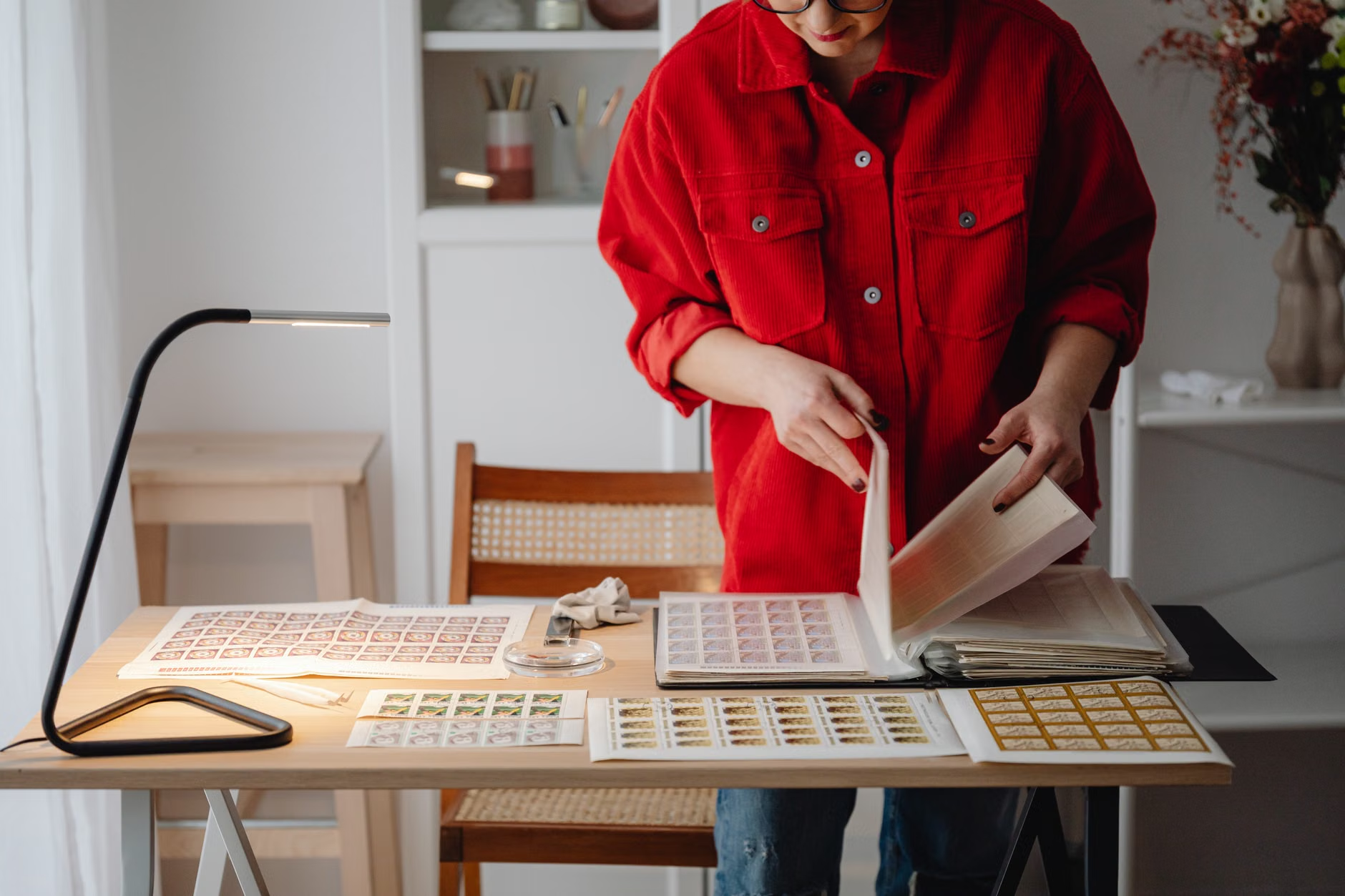
Like any hobby, stamp collecting should be practiced in a way that supports your physical well-being. Prolonged sitting or hunching over a desk can lead to neck and back strain. Use the following checklist to ensure your hobby remains ergonomic:
- Lighting: Use a desk lamp with adjustable brightness to prevent eye fatigue.
- Posture: Ensure your chair provides adequate lumbar support. Take a 10-minute break every hour to stand, stretch, and walk around.
- Hydration: Keep a glass of water at your desk to avoid dehydration, which can contribute to cognitive sluggishness.
- Workspace: Keep your desk at a height where your elbows are at a 90-degree angle to avoid shoulder strain.
Deep Dive: The Science of “Collecting” and Aging
Research suggests that engaging in “collecting” as a hobby provides a sense of control and agency. For older adults, who may face transitions in their professional or personal lives, the ability to curate, organize, and manage a collection offers a sense of autonomy. This is particularly important for maintaining a positive self-identity.
Furthermore, the tactile nature of handling stamps—using tongs to pick up a delicate piece of paper—serves as a form of fine motor skill exercise. This helps maintain dexterity in the fingers, which is often neglected in more sedentary hobbies. By combining physical coordination with the intellectual challenge of identification and classification, you are creating a “brain-body” workout that is both gentle and effective.
Expanding Your Collection: A Strategic Approach
As you grow more confident, you may want to expand your collection. It is important to distinguish between “collecting for fun” and “collecting for investment.” If your goal is cognitive joy, treat your budget as you would for any other leisure activity, such as theater tickets or a nice dinner. Never view stamp collecting as a guaranteed financial investment for retirement, as the market for stamps can be highly volatile and depends on factors outside of your control.
Where to Find Stamps Safely
- Local Post Offices: Many national post offices offer “First Day Covers” or commemorative sets that are affordable and authentic.
- Philatelic Auctions: Reputable auction houses (e.g., Spink, Siegel) provide a safe environment for acquiring higher-quality items.
- Estate Sales and Family Archives: Often, you can find hidden gems in old family letters or estate sales. Always handle these with care, as they are not just stamps—they are family history.
Addressing Common Challenges
One of the most frequent frustrations for new collectors is the “unknown stamp.” You may find a stamp that does not appear in your catalog, or you may struggle to identify its origin. Rather than becoming frustrated, frame this as a research project. Use online resources like the American Philatelic Society to learn how to identify watermarks or use high-resolution scans to compare your stamp against known databases.
If you find that your eyesight or hand steadiness makes traditional collecting difficult, consider digital philately. You can scan your stamps at a high resolution and organize them in a digital album. This allows you to zoom in on details without needing a physical magnifying glass and ensures your collection is backed up safely.
Conclusion: A Hobby for a Lifetime
Stamp collecting is a journey that rewards patience, curiosity, and organization. By focusing on the cognitive and historical aspects of the hobby, you transform it into a meaningful practice that enriches your daily life. Whether you are spending an hour on a rainy afternoon organizing your newest acquisitions or researching the history of a stamp from a far-off land, you are engaging your brain in a way that is both productive and profoundly satisfying.
Start small, stay curious, and remember that the value of your collection is not found in its price tag, but in the stories it tells and the mental clarity it provides. Keep your tools clean, your posture upright, and your mind open to the tiny, intricate worlds contained within every stamp.
Frequently Asked Questions (FAQ)
1. Is stamp collecting expensive to start?
No, it is one of the most affordable hobbies. You can start with stamps found on your own incoming mail or purchase “kiloware” (large bags of unsorted stamps) for a very low cost. The essential tools—tongs, a magnifying glass, and an album—can be purchased for a modest one-time investment.
2. How can I tell if my stamps are valuable?
Most stamps are common and not highly valuable. Value is determined by rarity, condition (centering, gum, and lack of damage), and historical significance. If you believe you have a rare stamp, it is best to have it examined by a professional member of a recognized philatelic association rather than relying on online estimates.
3. What should I do with my collection if I no longer wish to keep it?
If you decide to retire from the hobby, you have several options. You can gift it to a younger family member to spark their interest, donate it to a local school or library, or sell it through a reputable philatelic auction house. It is helpful to organize your collection and keep records of your acquisitions so that family members or caregivers can assist you in managing or disposing of it if the need arises.