- Prioritize Deck Location: Always request cabins near the elevator or mid-ship to minimize walking distances and exposure to vibration or engine noise.
- Verify “Accessible” vs. “Accessible-Friendly”: Ensure your cabin meets specific ADA or international accessibility standards, such as roll-in showers and wide doorways, rather than relying on generic “senior-friendly” marketing.
- The Balcony Trade-off: Understand that while French balconies offer views, true step-out balconies are often restricted in accessible categories due to safety thresholds; choose based on your specific mobility needs.
River cruising is often considered the gold standard for senior travel. It offers the comfort of a floating hotel, the convenience of unpacking once, and the ability to see the heart of historic cities without the physical strain of long-distance land travel. However, the experience of a river cruise is fundamentally shaped by your cabin choice. For seniors, selecting the right cabin is not just about aesthetics—it is about mobility, safety, and energy management.
Understanding the Physical Constraints of River Vessels
Unlike massive ocean liners, river cruise ships are constrained by the size of the locks they must navigate. This physical limitation means that cabins are generally smaller and corridors narrower. For a traveler using a cane, walker, or wheelchair, these tight spaces can become daily obstacles if not planned for carefully.
Most ships have three or four decks. The lowest deck—often called the “Aquarium” or “Emerald” deck—frequently features smaller, fixed windows located near the waterline. While these cabins are often the most cost-effective, they may involve a flight of stairs or reliance on a lift to reach the dining room and lounge. Understanding the layout of the ship is the first step in ensuring your trip remains stress-free.
The Importance of Proximity to Vertical Transport
On a river vessel, the elevator is your best friend. Even if you are currently mobile and do not use a mobility aid, consider the cumulative effect of walking down a 20-meter corridor multiple times a day. Fatigue is the primary enemy of an enjoyable vacation. When booking, look at the deck plan and specifically request a cabin that is:
- Adjacent to the Elevator: This minimizes walking distances to the dining room, reception, and the sun deck.
- Away from High-Traffic Areas: While proximity to the elevator is good, being directly next to a noisy lobby or a late-night bar can disrupt the restorative sleep necessary for maintaining your stamina.
- Mid-ship: Being centrally located reduces the sensation of movement and provides the quickest access to all amenities.
Defining “Accessibility” in a Maritime Context
Marketing materials often use the term “accessible” loosely. In the world of cruise travel, there is a distinct difference between a cabin that is “senior-friendly” and one that is “fully accessible.”
| Feature | Standard Cabin | Accessible Cabin |
|---|---|---|
| Door Width | Often narrow (approx. 60-70cm) | Wide (80cm+) for mobility aids |
| Shower | Step-over threshold | Roll-in shower (zero threshold) |
| Grab Bars | Minimal or none | Comprehensive support rails |
| Floor Space | Compact | Clear turning radius for wheelchair |
If you have any concerns regarding balance or gait, you should explicitly request a “fully accessible” cabin. These rooms are limited in number on most ships and often sell out months, sometimes a year, in advance. Do not wait for a last-minute deal if you require specific accessibility features.
What to Look for in the Bathroom
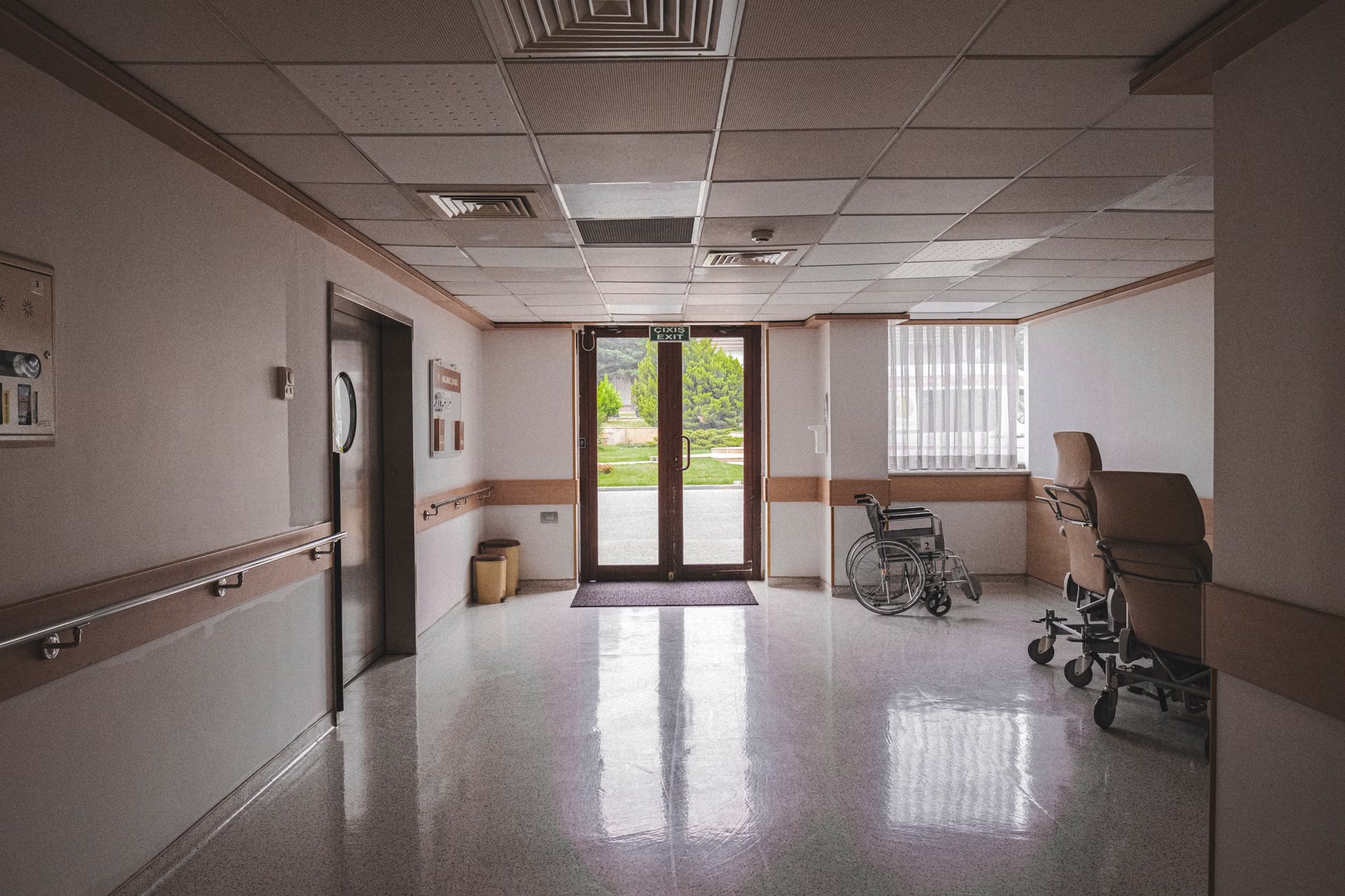
The bathroom is the most common site of accidents for seniors on cruise ships. A standard cruise ship bathroom often features a high step-over into the shower. If you have limited range of motion in your hips or knees, this is a significant fall risk. An accessible cabin will provide a level-entry, roll-in shower. Check if the cabin includes a wall-mounted shower seat. If it does not, verify if the ship provides a portable shower chair. Never assume that a “walk-in” shower is the same as a “roll-in” shower; the former may still have a small ledge that can cause tripping.
Many river cruise lines promote their “French Balconies”—floor-to-ceiling windows that slide open to create an open-air effect. These are excellent for fresh air and views. However, they are not the same as a walk-out balcony.
If you are considering a cabin with a step-out balcony, be aware that many river vessels have a physical door sill, often 10 to 15 centimeters high, to prevent water ingress. This threshold is a major tripping hazard. If your mobility is compromised, a French balcony is often safer and more practical than a narrow, step-out balcony that you cannot comfortably navigate.
Strategic Planning for Your Daily Stamina
Travel stamina is a finite resource. A river cruise allows you to manage this resource by returning to your room for “recharge” periods. Your cabin should be a place of quiet retreat. When selecting your cabin, consider the engine location. Cabins located at the very back (aft) of the ship are generally closer to the engines and may experience more vibration, which can be fatiguing over a seven-day journey. If you suffer from motion sensitivity or fatigue easily, mid-ship is almost always the superior choice.
Furthermore, consider the lighting and climate control. Modern river ships have excellent temperature regulation, but ensure your cabin has individual climate control that is easy to read and adjust. If you have vision impairments, look for cabins with high-contrast switches and clear, large-print signage for emergency exits and room controls.
The “Hidden” Variables of Cabin Selection
Beyond the deck plans and photos, consider these often-overlooked factors:
- Docking Patterns: In many ports, ships “raft” together, meaning your ship will dock alongside another vessel. If you are in a lower-deck cabin, your view may be directly into the wall of the neighboring ship for the duration of your stay in that port. If natural light is critical for your wellbeing, prioritize upper-deck cabins.
- Storage Configuration: Seniors often have more medical equipment or specialized items (like CPAP machines) than younger travelers. Check the room layout to see if there is sufficient surface area near the bed to place a CPAP machine or store medications safely.
- Staff Proximity: Being closer to the crew service areas can sometimes mean faster response times if you need assistance, though it may also increase noise levels. Weigh this against your need for quiet.
Preparation Checklist Before You Book
Before you finalize your booking, take the following steps to ensure your choice meets your needs:
- Call the Cruise Line Directly: Do not rely solely on online booking engines. Speak to a representative and ask: “Is this cabin fully ADA-compliant (or equivalent)?”
- Request Photos of the Specific Cabin: If you have specific accessibility needs, ask the cruise line to email you a photo of the actual bathroom and doorway.
- Confirm the “Tender” Situation: While river cruises dock at piers, some itineraries occasionally use smaller boats (tenders) to reach shore. Ask if your specific itinerary requires tendering, as this can be extremely difficult for those with limited mobility.
- Review the Daily Program: If you know you need to rest in the afternoon, ensure your cabin is not located directly beneath the sundeck, where moving deck chairs can create significant noise during the day.
The Role of Caregivers and Travel Companions
If you are traveling with a caregiver or a family member, consider the “twin bed” configuration. Many cruise cabins can be set up with two separate beds. This is often better for sleep quality and allows the caregiver to have their own space, which is vital for preventing burnout. Ensure the room layout still allows for easy access to the bathroom for both individuals.
Additionally, clarify the cruise line’s policy on medical devices. Most modern ships are well-equipped to handle oxygen concentrators or CPAP machines, but they require advance notice. Ensure you provide the manufacturer and model number of your device to the cruise line at least 30 days before departure.
Conclusion: Investing in Comfort
Selecting an accessible cabin is not an extra expense; it is an investment in your safety and the quality of your vacation. By choosing a location that minimizes physical strain and features that maximize safety, you free yourself to focus on the history, culture, and relaxation that make river cruising a premier choice for seniors. Remember, the best trip is one where you arrive back home feeling rejuvenated, not exhausted.
For further information on accessible travel standards, you can consult resources such as the Americans with Disabilities Act (ADA) guidelines (for US-based companies) or the European Network for Accessible Tourism (ENAT) for standards in European waterways.
Frequently Asked Questions
1. Can I bring my own mobility aid on a river cruise?
Yes, most river cruise lines allow walkers, canes, and collapsible wheelchairs. However, you must inform the cruise line in advance so they can ensure the cabin layout and ship gangways can accommodate your specific equipment. Always ensure your equipment is in good working order before departure.
2. What happens if I have a medical emergency while on the ship?
Most river cruise ships do not have a full medical facility like large ocean liners. They typically have a limited supply of basic medical equipment and staff trained in first aid. If you have chronic conditions, ensure you carry a comprehensive list of your medications and emergency contacts, and consider travel insurance that specifically covers medical evacuation.
3. Are all decks accessible via elevator?
On many river ships, the elevator does not reach the uppermost “Sun Deck” because it is an open-air level. If you have mobility issues, verify which decks the elevator serves before booking. You may find that some ships have stair-only access to the top deck, which could limit your ability to enjoy the panoramic views.