- Seated toe-curls are a safe, low-impact way to strengthen the intrinsic muscles of the foot, which are critical for maintaining the arch and overall balance.
- Consistency is more important than intensity; performing this exercise daily for just 5–10 minutes can yield noticeable improvements in foot stability over several weeks.
- If you experience sharp pain, swelling, or numbness during these exercises, stop immediately and consult a podiatrist or physical therapist to rule out underlying structural issues.
The health of your feet is the foundation of your independence. As we age, the intrinsic muscles within our feet—the small muscles that control the toes and support the arches—often weaken. This process, known as muscle atrophy, can lead to collapsed arches, plantar fasciitis, and a loss of balance that significantly impacts daily mobility. One of the most effective, accessible, and evidence-based ways to counteract this is the seated toe-curl exercise.
This article provides a comprehensive guide to understanding why your arches matter, how to perform toe-curls correctly, and how to integrate this simple movement into your daily routine to maintain long-term foot health.
Understanding the Role of the Foot Arch
The arch of the foot is not merely a static structure; it is a complex, dynamic system of bones, ligaments, and muscles. Its primary job is to act as a shock absorber and a spring. When you walk, your arch compresses to absorb the impact of your heel striking the ground and then stiffens to provide a rigid lever for pushing off.
When these muscles weaken, the arch loses its structural integrity. This is often referred to as “fallen arches” or flat feet. For an older adult, this isn’t just about discomfort; it changes the way your entire body moves. When the foot loses its ability to support itself, the ankles, knees, and even the lower back often compensate, leading to chronic joint pain and an increased risk of trips and falls.
By strengthening the intrinsic foot muscles, you are essentially training your feet to “hold themselves up” rather than relying entirely on passive supports like shoe inserts or rigid orthotics. While orthotics are useful, they are often a crutch. Active exercises, like the seated toe-curl, aim to restore the foot’s natural, functional strength.
What is the Seated Toe-Curl?
The seated toe-curl is a non-weight-bearing exercise. Because you are sitting, you remove the stress of your body weight from the foot, allowing you to focus entirely on the activation of the small muscles on the sole of the foot. It is an ideal starting point for anyone, regardless of current fitness level, because it minimizes the risk of joint strain.
Step-by-Step Execution
To perform this correctly, follow these steps:
- Setup: Sit upright in a sturdy chair with your feet flat on the floor, shoulder-width apart. Ensure your chair is stable and does not slide.
- The Starting Position: Place your bare feet on a flat, non-slip surface (a hardwood floor or a thin yoga mat works best).
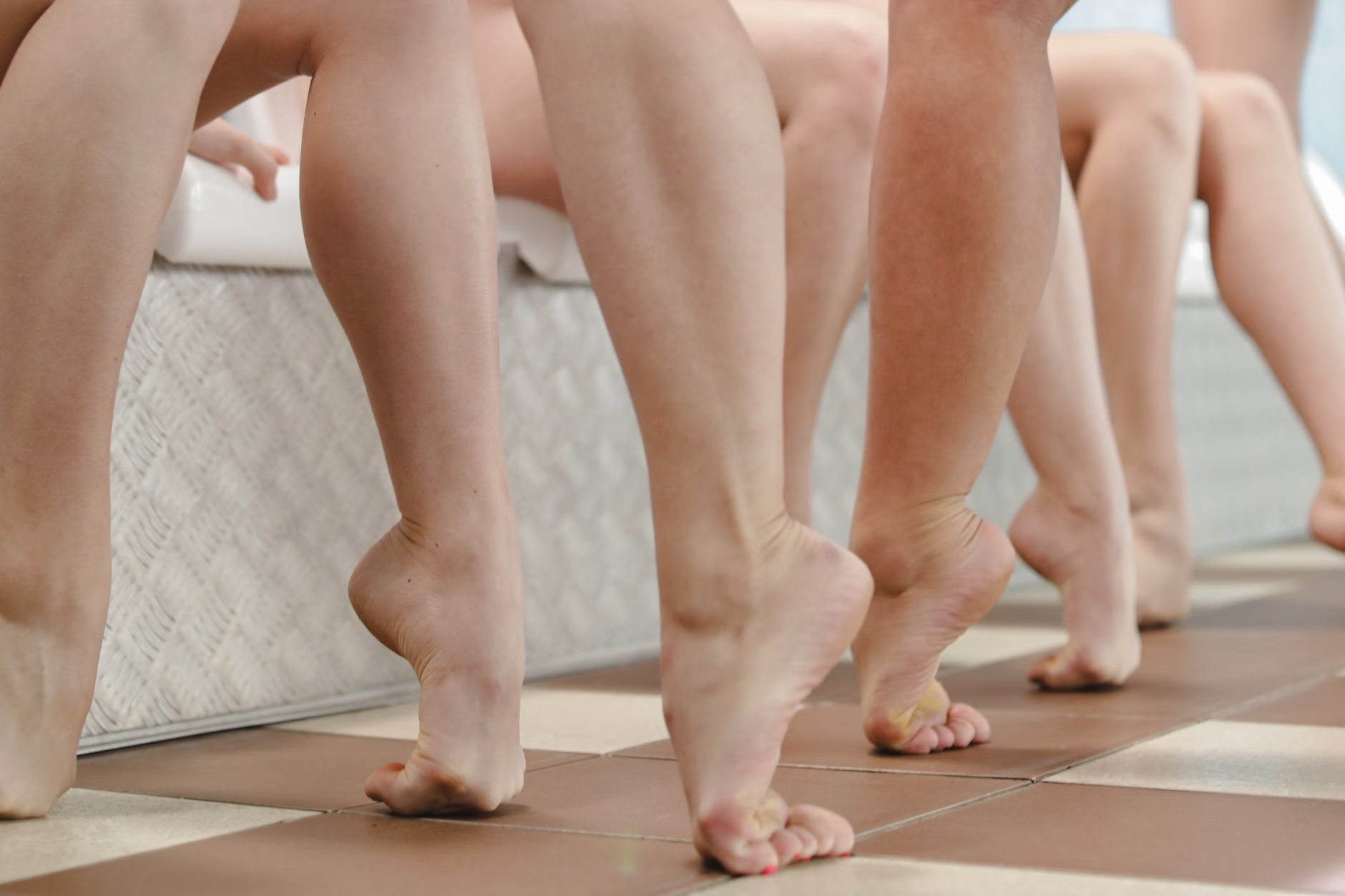
- The Curl: Slowly curl your toes inward, as if you are trying to grab the floor with your toes. Focus on pulling the ball of your foot toward your heel to lift the arch.
- The Hold: Hold this “bunched” position for 3 to 5 seconds. You should feel tension in the arch of your foot, not a cramp.
- The Release: Slowly relax your toes and spread them wide, returning to the starting position.
Common Mistake: Many beginners try to use their ankle muscles to curl their foot. The secret is to keep the ankle completely still. The movement should only occur at the toe joints and the sole of the foot.
Progression: Using Resistance for Greater Gains
Once you are comfortable with the basic movement, you can increase the challenge by adding resistance. This is where the exercise becomes truly therapeutic for building strength.
The Towel-Grab Technique
Place a small, thin hand towel flat on the floor in front of you. Place your foot on the edge of the towel. Using only your toes, grasp the fabric and bunch it toward you, pulling the towel under your foot. Repeat this 5 to 10 times per foot.
This technique provides two benefits: it forces the intrinsic muscles to work harder against the weight of the fabric, and it improves the dexterity of your toes, which is essential for balance on uneven surfaces.
Comparing Foot Maintenance Strategies
It is helpful to understand how different approaches to foot health compare. While there is no “best” method for everyone, the following table outlines common strategies for arch support.
| Strategy | Primary Benefit | Limitations | Best For |
|---|---|---|---|
| Seated Toe-Curls | Builds active muscle strength | Requires time and consistency | Prevention and long-term stability |
| Orthotic Insoles | Provides immediate relief | Can lead to further muscle weakness | Acute pain or structural deformity |
| Supportive Footwear | External stability | Doesn’t address internal weakness | Daily walking and activity |
The goal should be to use these tools in tandem. Use supportive footwear and orthotics to manage pain and provide stability while you work on the “internal” strength of your feet through exercises like toe-curls.
Signs You Should Consult a Professional
While the seated toe-curl is a safe, low-risk exercise, your feet are complex structures. Sometimes, arch pain is a symptom of a condition that requires more than just exercise. You should seek advice from a podiatrist or a physical therapist if you experience any of the following:
- Sharp, shooting pain: Especially in the heel or arch upon taking your first steps in the morning.
- Persistent swelling: If your feet remain swollen after resting or elevating them.
- Numbness or tingling: This can indicate nerve issues, such as peripheral neuropathy, which requires a medical diagnosis.
- Visible deformity: If you notice sudden changes in the shape of your foot or if a bunion is becoming increasingly painful.
When visiting a professional, bring a “Foot Health Log.” Note when your pain occurs, what activities make it worse, and what shoes you were wearing. This information is invaluable for your healthcare provider to give you a targeted treatment plan.
Integrating Foot Care into Daily Life
The biggest challenge for most people is not the exercise itself, but the habit. Because the seated toe-curl is so discreet, you can perform it while doing other things. Here are three ways to build this into your day:
1. The Morning Routine
Perform 10 repetitions on each foot while you are waiting for your coffee or tea to brew. This “activates” your feet for the day, preparing them to support your weight.
2. The Desk or Chair Habit
If you enjoy reading or watching the news, keep a towel near your favorite chair. Every time a commercial break comes on or you finish a chapter, perform two minutes of towel-grabs.
3. The Evening Wind-Down
Before bed, perform a few slow, controlled toe-curls as part of your relaxation routine. Focus on the feeling of the muscles working and releasing tension.
Insight: Many people focus exclusively on the “work” of the exercise. However, the “release” phase—where you spread your toes as wide as possible—is just as important. It stretches the muscles that have been cramped in shoes all day, helping to reduce the stiffness that often contributes to arch fatigue.
Long-Term Benefits of Foot Strength
Beyond arch support, strengthening your feet has a “kinetic chain” effect. When your feet are strong, your gait becomes more stable. A stable gait means your knees don’t have to absorb as much shear force, which can help delay the progression of knee osteoarthritis. Furthermore, improved foot control is a primary factor in preventing falls, which is the leading cause of injury among older adults globally.
According to the Journal of Foot and Ankle Research, exercises targeting the intrinsic muscles of the foot have been shown to improve postural stability in older populations. By taking five minutes a day to focus on your feet, you are investing in your ability to remain active, mobile, and independent for years to come.
Conclusion
The seated toe-curl is a simple, effective, and free tool for maintaining your foot health. By understanding the role of your arch and committing to consistent, small movements, you can significantly improve your stability and reduce the risk of common foot-related discomforts. Remember, the goal is not to become a fitness athlete, but to keep your foundation strong enough to support the life you lead. Start slowly, be consistent, and listen to your body.
Frequently Asked Questions
1. How long will it take to see results?
Most individuals notice a reduction in foot fatigue within 3 to 4 weeks of consistent daily practice. However, structural changes in muscle tone take longer, usually 8 to 12 weeks of sustained effort.
2. Can I do these exercises if I have diabetes?
If you have diabetes, it is essential to check with your doctor before starting any new foot exercise program. You must also perform daily visual checks of your feet to ensure no blisters or sores have developed, as diabetic foot health requires specialized monitoring.
3. Is it okay to do these exercises while wearing socks?
It is generally better to perform these exercises barefoot. Socks can be slippery, and they often constrict the toes, preventing you from achieving the full range of motion required to properly engage the arch muscles.
For further reading on foot health and aging, you may refer to the guidance provided by the American Podiatric Medical Association (APMA), which offers extensive resources on maintaining foot health as you age.