Key Takeaways for Accessible River Cruising
- Prioritize Deck Proximity: Choose cabins near mid-ship elevators to minimize walking distances and energy expenditure during daily transitions.
- Verify Physical Accessibility: “Accessible” is not a universal standard; always confirm specific features like door width, shower thresholds, and grab bar placement with the cruise line’s disability coordinator.
- Understand the Trade-offs: Lower decks offer stability and lower costs but may have smaller windows, while upper decks provide better views but may involve more movement or noise.
For many travelers aged 60 to 80, river cruises offer a perfect balance of comfort, scenery, and culture. Unlike massive ocean liners, river ships are intimate and provide a slower pace of travel. However, the smaller physical footprint of these vessels makes cabin selection critical. A poor choice can turn a relaxing trip into a struggle with narrow hallways, steep stairs, or excessive walking.
Understanding the Anatomy of a River Cruise Ship
River cruise ships are restricted by the size of the locks and bridges they navigate. This means space is at a premium. Before booking, you must understand how the ship’s layout affects your daily mobility.
The Deck Hierarchy
Most river ships have three or four passenger decks. Understanding the naming convention—which varies by line—is essential:
- Lower Deck (Often called the “Aquarius” or “Waterline” deck): These cabins are located at the water level. They often feature small, non-opening windows. While they are the most stable and budget-friendly, they require navigating more stairs or using the elevator more frequently to reach the dining room and sun deck.
- Middle Deck: Usually the main entry point of the ship. These cabins often feature “French balconies,” which are floor-to-ceiling sliding glass doors with a railing. This level is often the most convenient for boarding and disembarking.
- Upper Deck: Offers the best panoramic views. These cabins are closest to the sun deck and lounges but can be subject to more noise from above if the ship is active at night.
Strategic Cabin Selection for Mobility and Stamina
When selecting your cabin, the most important factor is the distance from the elevator or stairs. On a ship that is 135 meters long, walking back and forth to your cabin five times a day can add up to kilometers of unnecessary effort.
The “Mid-Ship” Advantage
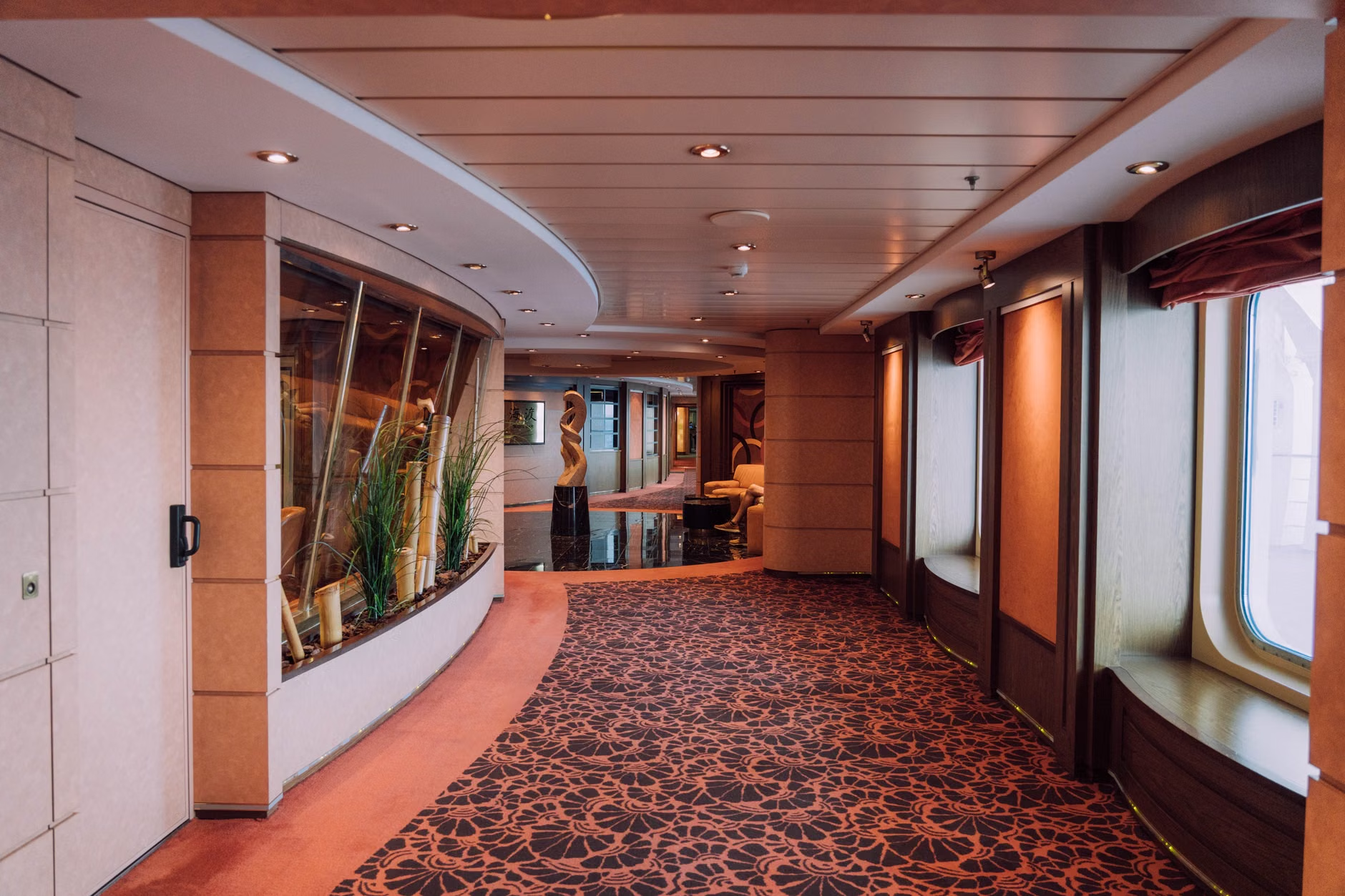
Aim for a cabin located in the middle of the ship, near the central atrium. This minimizes the distance to the dining room, the reception, and the sun deck. Ships often have elevators that serve the middle and upper decks, but rarely the lowest deck. If you have limited mobility, avoid booking a cabin on a deck that the elevator does not reach.
Checking the “Accessible” Label
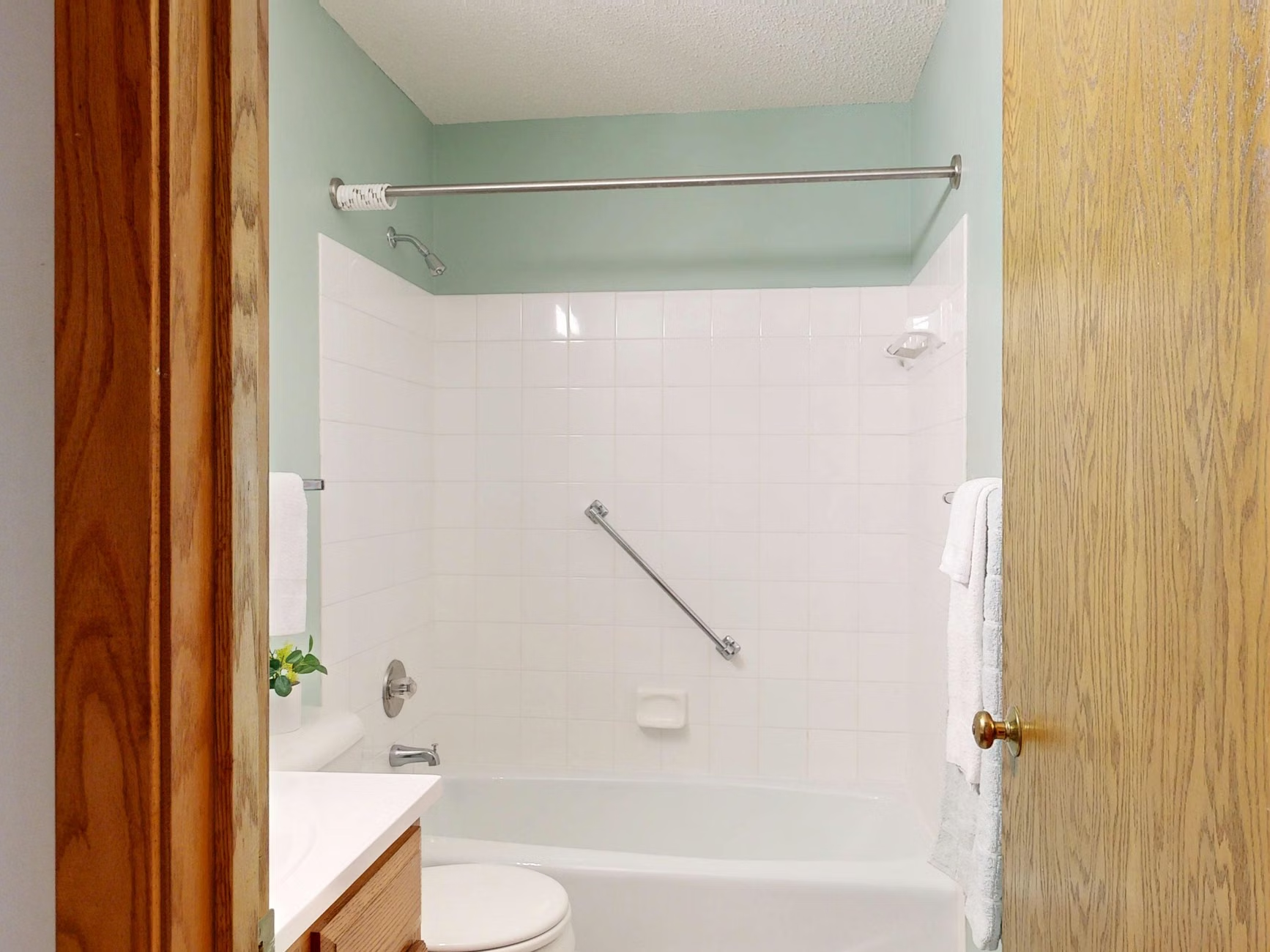
Do not assume that a standard cabin is accessible. In the cruise industry, “Accessible” is a specific category. These cabins are designed with wider doorways (usually 80cm+), no thresholds at the door, and bathrooms equipped with roll-in showers and grab bars. Always request a cabin that is officially classified as “Accessible” if you use a walker or wheelchair.
| Feature | Standard Cabin | Accessible Cabin |
|---|---|---|
| Door Width | Standard (approx. 60-70cm) | Wide (80cm+) |
| Bathroom | Step-in shower/tub | Roll-in shower/wet room |
| Grab Bars | Minimal | Comprehensive (shower & toilet) |
| Floor Space | Compact | Spacious for turning radius |
If you do not require a fully modified cabin but struggle with balance, look for cabins with a “walk-in shower” rather than a “tub-shower combo.” Many standard cabins on newer ships now feature walk-in showers as a default, which significantly improves safety.
Hidden Variables: Noise, Vibration, and Access
Beyond accessibility, consider the physical environment of the cabin. River ships use diesel engines, and the location of your cabin relative to the engine room can impact your sleep quality.
Vibration and Engine Noise
Cabins at the very back (aft) of the ship are generally located closest to the engines. While they offer great views of the retreating landscape, they can experience more vibration and noise when the ship is underway. If you are a light sleeper, aim for the mid-ship or forward sections.
The “Sun Deck” Noise Factor
If you book a cabin on the top deck, be aware that you may hear footsteps, deck chairs moving, or music from the sun deck above you. If you value quiet mornings or early nights, a cabin on the middle deck is often the most peaceful choice.
The Pre-Booking Checklist
Before confirming your reservation, use this checklist to ensure the cabin meets your specific needs:
- Elevator Access: Does the elevator stop at the floor where your cabin is located?
- Stairs Count: How many steps do you have to climb to reach the restaurant or lounge from the cabin?
- Thresholds: Are there any raised lips at the bathroom door or balcony door that could pose a tripping hazard?
- Lighting: Is the cabin lighting bright enough, and are the switches easily reachable from the bed?
- Emergency Exit: Is the path from your cabin to the emergency muster station clear of stairs?
When booking, do not rely solely on the website. Call the cruise line’s dedicated accessibility department. Most major river cruise lines have staff trained to assist travelers with specific physical requirements.
Ask these specific questions during your call:
- “What is the exact width of the cabin door frame?”
- “Does the shower have a fold-down seat?”
- “Is the cabin located near a service elevator that might be noisy?”
- “Can the bed be configured as two twins to provide more floor space for maneuvering?”
If you are traveling with a companion, specify who needs the accessibility features. If you are a caregiver, ensure the cabin has enough space for two people to move around comfortably without blocking the egress path.
Managing Stamina and Daily Pacing
Even with the perfect cabin, river cruises involve walking. The ship itself is a mobile hotel, but the excursions are where most of the physical activity happens.
Pro-Tip: Use your cabin as a “base camp.” Because river ships dock in the heart of cities, you can return to your cabin between morning and afternoon activities to rest. This is a significant advantage over ocean cruises, where the ship may be miles away from the city center.
When to Consider a Wheelchair or Scooter
If you have reduced stamina, consider bringing a lightweight, foldable travel scooter or manual wheelchair. Ensure that your chosen cabin is spacious enough to store the device when not in use. Some ships offer storage areas, but having it in your room allows you to charge the battery overnight if it is electric.
A Note on Safety and Medical Preparedness
River cruise ships generally do not have a doctor on board, unlike larger ocean liners. They rely on local emergency services if a medical issue arises. This makes your choice of cabin safety even more important. Ensure you have a clear understanding of where the emergency call button is located in your cabin—usually, it is in the bathroom and near the bed.
Keep a list of your medications and any relevant medical conditions in a clear, visible location in your cabin, such as on the desk. In the event of an emergency, this allows staff to provide critical information to emergency responders quickly.
Conclusion: Making an Informed Decision
Selecting the right cabin for a river cruise is not just about the view; it is about ensuring your comfort, safety, and energy levels throughout the journey. By prioritizing deck location, verifying physical accessibility features, and communicating directly with the cruise line, you can create an environment that supports your travel goals. Remember that the best cabin is one that allows you to enjoy the cruise experience without unnecessary physical strain, leaving you more energy to enjoy the destinations you are visiting.
For more information on travel accessibility standards, you can consult official resources such as the IATA Passenger Accessibility guidelines or the cruise line’s own accessibility policy pages, which are typically found under their “Help” or “Guest Services” sections.
Frequently Asked Questions
1. Are all river cruise cabins wheelchair accessible?
No. Most river ships have a limited number of designated accessible cabins. These must be booked well in advance, as they sell out faster than standard cabins. Always confirm availability before finalizing your travel dates.
2. Can I use a walker on a river cruise?
Yes, most river cruise ships are friendly to walkers. However, you should confirm the width of your walker against the door frame measurements provided by the cruise line. Some older ships may have narrower doorways that could be challenging.
3. Should I choose a lower deck for better stability?
While the lower deck is physically more stable (less motion), the primary decision factor for most seniors should be accessibility to public areas. If the lower deck lacks elevator access to the main dining room, the convenience of the middle or upper deck often outweighs the slight difference in motion stability.