- Seated leg extensions target the quadriceps, the primary muscle group responsible for knee stability and the ability to stand from a seated position.
- Proper technique, focusing on controlled movement rather than speed, is essential to prevent joint strain and maximize muscle recruitment.
- Integrating this exercise into your daily routine—using only a sturdy chair and optional resistance—can significantly improve your functional independence and reduce the risk of falls.
Maintaining knee health is a cornerstone of functional independence for adults aged 60 to 80. The knee joint acts as a critical bridge between the hip and the ankle, bearing the weight of the body while allowing for complex movements like walking, climbing stairs, and sitting down. When the muscles surrounding the knee—specifically the quadriceps—weaken, the joint itself must absorb more impact, which can lead to discomfort, instability, and a restricted range of motion.
The seated leg extension is one of the most effective, low-impact exercises for strengthening the quadriceps while minimizing stress on the knee joint. By isolating the muscle group in a seated position, you remove the instability of standing balance, allowing you to focus entirely on controlled strength building.
Understanding the Role of Quadriceps in Knee Stability
The quadriceps muscle group, located at the front of your thigh, is the primary stabilizer of the knee. When you extend your leg, these muscles pull on the patellar tendon, which crosses the knee joint. If these muscles are strong, they act as a support system, effectively “cradling” the knee and absorbing forces that would otherwise damage the cartilage or ligaments.
As we age, a process known as sarcopenia—the gradual loss of muscle mass—can naturally occur. Without consistent resistance training, the quadriceps can become thin and less efficient. This weakness often manifests as difficulty getting out of a low chair, a feeling of “giving way” when walking down stairs, or an increased reliance on using your hands to push off surfaces. Strengthening the quadriceps through seated extensions is not about “bodybuilding”; it is about maintaining the hydraulic power needed to navigate your environment safely.
Why the Seated Position Matters
For many older adults, standing exercises can present a risk of balance loss. The seated leg extension is inherently safer because your center of gravity is low and stable. By using a sturdy chair, you eliminate the fear of falling, which allows your brain to focus on contracting the target muscles rather than worrying about maintaining your balance. This psychological comfort is vital for consistency; if you feel safe while exercising, you are far more likely to perform the movements regularly.
The Step-by-Step Guide to Proper Seated Leg Extensions
To perform this movement effectively, you do not need expensive gym equipment. A standard dining chair with a flat seat and a backrest is sufficient. The goal is to isolate the quadriceps without compensating with other muscle groups.
| Step | Action | Key Focus |
|---|---|---|
| 1. Position | Sit tall with your back against the chair. Keep your feet flat on the floor, hip-width apart. | Maintain a neutral spine; do not slouch. |
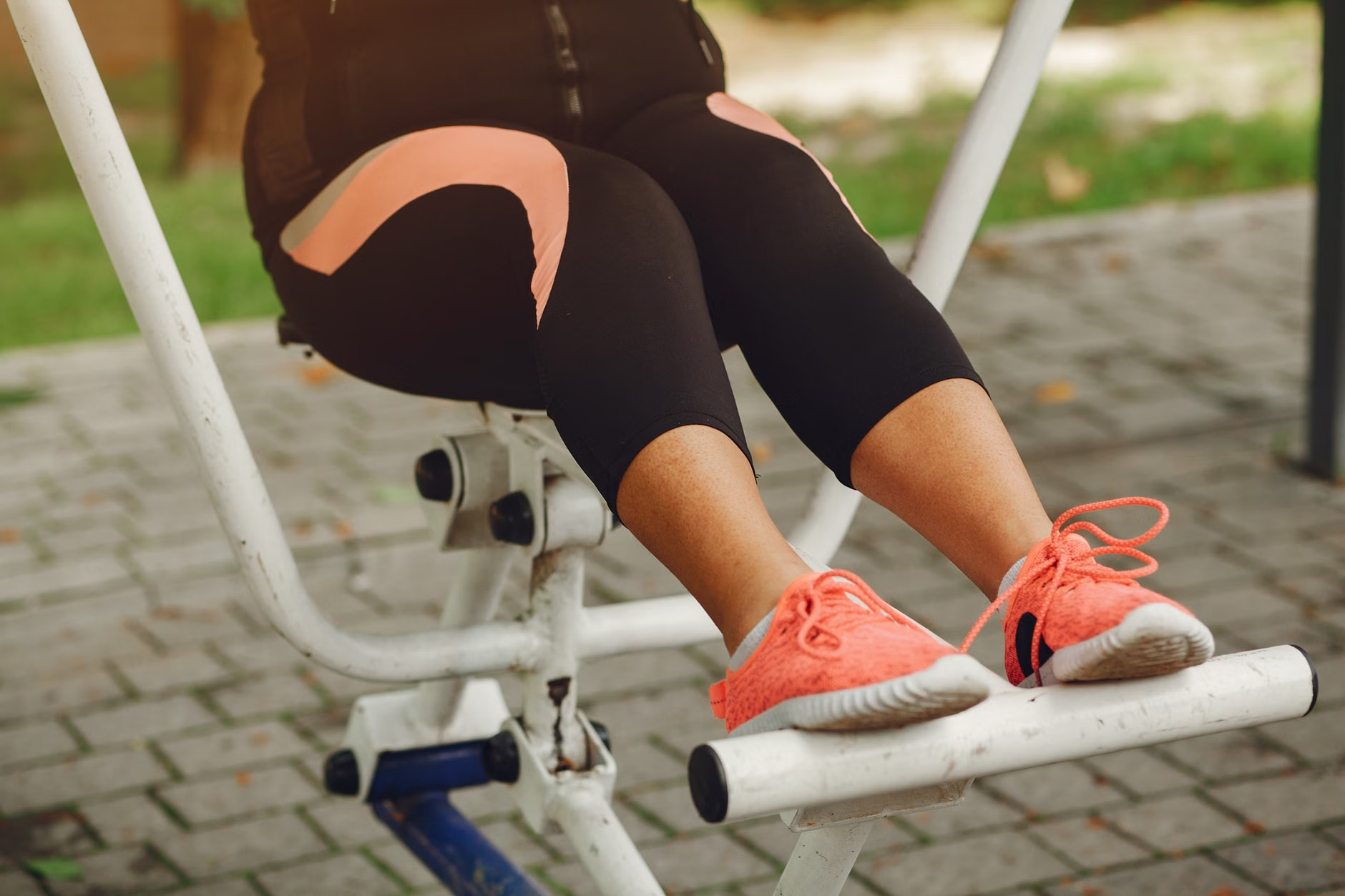
| 2. Extension | Slowly straighten one knee until your leg is parallel to the floor. | Do not lock your knee; keep a micro-bend. |
| 3. Contraction | Hold the extension for 2–3 seconds while squeezing your thigh muscle. | Feel the tension in the front of your thigh. |
| 4. Return | Lower your foot back to the starting position in a slow, controlled manner. | Control the descent; do not let gravity drop your leg. |
Common Mistake: Many people swing their lower leg upward using momentum. This is ineffective and places unnecessary stress on the knee joint. The movement should be slow and deliberate. If you find yourself swinging, your current range of motion or speed is too high. Reduce the height of the lift until you can maintain control throughout the entire duration of the movement.
Progression: Adding Resistance for Long-term Gains
Once you can comfortably perform 15 repetitions on each leg without fatigue or discomfort, you should look to increase the challenge to continue seeing benefits. However, progress should be incremental to protect joint health.
Resistance Bands
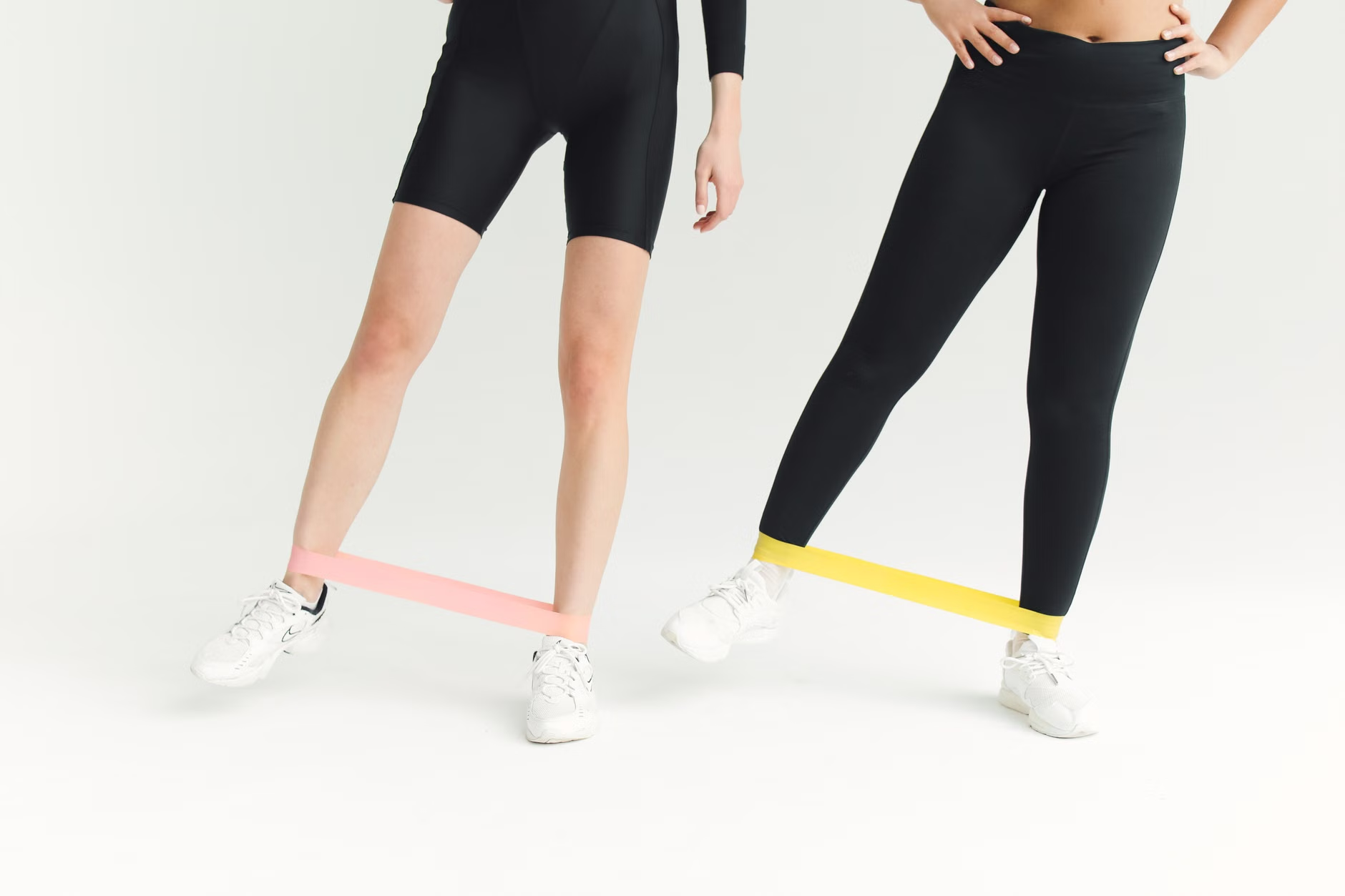
Resistance bands are an excellent, low-cost tool for seniors. They provide “variable resistance,” meaning the tension increases as the band stretches. To use one, loop the band around the leg of your chair and the other end around your ankle. As you extend your leg, you are pulling against the elastic force of the band. This creates a safe, smooth load on the quadriceps.
Ankle Weights
If you prefer a constant weight, adjustable ankle weights are an option. Start with a very light weight—0.5kg or 1kg—to ensure your knee joint reacts well to the added load. It is better to start too light and increase the weight over weeks than to risk inflammation by starting too heavy.
Safety Considerations and Warning Signs
While seated leg extensions are generally safe, your body will provide feedback that you must learn to interpret. It is normal to feel muscle “burn” or fatigue in the front of your thigh. This is the goal of the exercise. However, there is a clear distinction between muscle fatigue and joint pain.
Stop immediately if you experience:
- Sharp, shooting pain inside the knee joint.
- A grinding or clicking sensation accompanied by pain.
- Swelling that occurs during or immediately after the exercise.
- Persistent pain that lasts more than 24 hours after the session.
If you have a history of knee surgery, meniscus tears, or advanced osteoarthritis, consult with a physical therapist before starting this routine. They can often provide a customized range of motion—for example, only extending to 45 degrees instead of full extension—which can be safer for specific anatomical conditions.
Creating a Sustainable Routine
Consistency is more important than intensity. Aim to perform this exercise 3 to 4 times per week. Because it is done seated, it is highly portable. You can do it while watching the news, waiting for a pot of tea to boil, or sitting at your desk. The key is to avoid “all or nothing” thinking. If you only have time for one set of 10 repetitions, that is still a successful session.
Consider placing a sticky note on your chair or near your television as a visual cue. When you see it, perform one set. This “habit stacking” helps integrate the exercise into your life without requiring significant mental effort to remember it.
Integrating Strength with Daily Activity
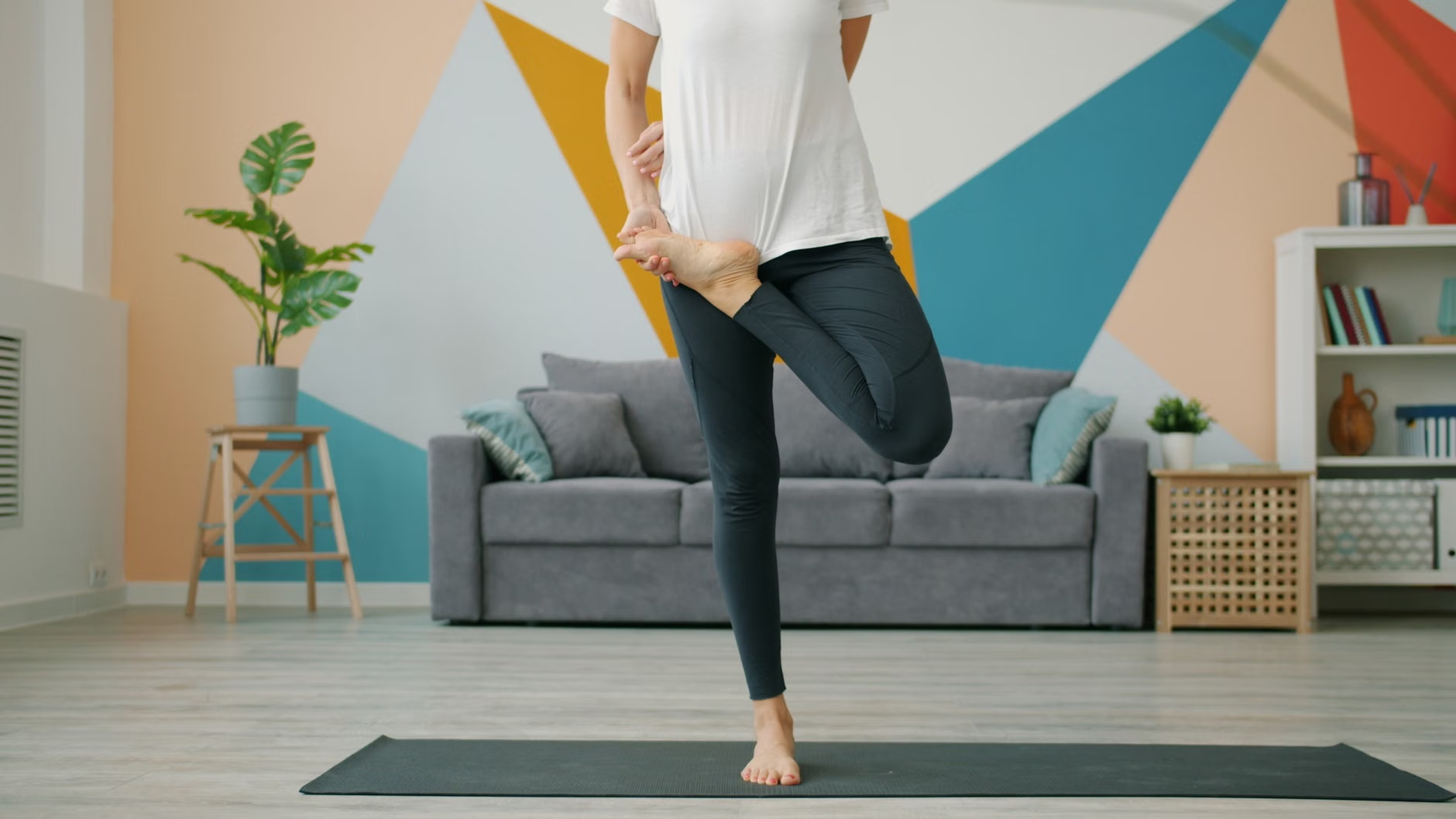
The strength you build during leg extensions should translate into your daily life. Think of the seated leg extension as the “practice” and daily movement as the “performance.” When you stand up from a chair, try to engage your quadriceps intentionally. Instead of just leaning forward and using momentum, feel your thigh muscles tighten as you begin the upward motion. This connection between intentional exercise and functional movement is what leads to long-term mobility.
Furthermore, ensure your environment supports your knee health. If you are traveling or visiting new locations, look for seating that is at a comfortable height. Chairs that are too low force the knees into a deep, high-pressure angle, which can be challenging for those with knee sensitivity. If you find yourself in a place with very low seating, use the armrests to assist your ascent, taking the load off your knees.
Conclusion: A Path to Lasting Mobility
The seated leg extension is a foundational tool for maintaining knee stability. By prioritizing controlled, steady movements and listening to your body’s signals, you can maintain the muscle strength required to stay active and independent. Remember that strength training for seniors is a marathon, not a sprint. Focus on the quality of every repetition, and over time, you will likely notice that daily tasks—like walking, standing, and climbing—become significantly easier and more comfortable.
For further guidance on exercise and senior health, organizations such as the World Health Organization (WHO) provide global guidelines on physical activity for older adults, emphasizing that even small amounts of strength training can have significant health benefits. You can review their resources at WHO Guidelines on Physical Activity and Sedentary Behaviour.
Frequently Asked Questions
1. How many repetitions should I do per session?
A good starting point is 2 to 3 sets of 10 to 12 repetitions per leg. If you can perform these easily with perfect form, you can increase the number of repetitions or add a small amount of resistance. Always prioritize form over the number of repetitions.
2. Can I do this every day?
While the exercise is low-impact, your muscles need time to recover and grow stronger. Performing them every other day is generally sufficient for most people. If you feel no soreness, you can increase the frequency, but pay close attention to any signs of joint inflammation.
3. Does the type of chair matter?
Yes. Use a sturdy, non-swivel chair with a flat seat and a backrest. Avoid soft sofas or chairs that sink, as these do not provide the necessary stability and can put your hips and knees in an awkward alignment, making the exercise less effective and potentially uncomfortable.