- Focus on Food First: Vitamin E is best absorbed through whole foods like nuts, seeds, and vegetable oils, which provide a synergistic blend of nutrients that supplements often lack.
- Absorption is Key: Because Vitamin E is fat-soluble, you must consume it alongside a source of healthy fat to ensure your body can actually use it for cognitive support.
- Safety Matters: High-dose supplements can interfere with blood-thinning medications; always consult your primary care physician before adding concentrated doses to your routine.
Understanding the Role of Vitamin E in Cognitive Longevity
Vitamin E is a potent fat-soluble antioxidant that plays a critical role in protecting your cells from oxidative stress. As we age, our brains become increasingly susceptible to damage caused by free radicals—unstable molecules that can harm neurons. By neutralizing these molecules, Vitamin E helps maintain the structural integrity of cell membranes in the brain, potentially supporting long-term cognitive function.
It is important to clarify that Vitamin E is not a “cure” for cognitive decline or dementia. Instead, it serves as a foundational element of a nutrient-dense diet that aims to preserve neurological health over decades. For adults aged 60 to 80, the goal is to shift from “reactive” health management to “preventive” maintenance, where consistent intake of micronutrients becomes a daily, manageable habit.
The Science of Oxidative Stress and Your Brain
The human brain is uniquely vulnerable to oxidative stress because it consumes approximately 20% of the body’s oxygen while being rich in polyunsaturated fatty acids. When these fats react with oxygen, they can create a chain reaction of damage. Vitamin E acts as a “terminator,” stopping this reaction before it impacts cellular communication.
Research suggests that maintaining adequate blood levels of Vitamin E is associated with better performance on cognitive tests in older adults. However, the nuance lies in the *source* of the vitamin. Studies often find that individuals who consume high levels of Vitamin E through their diet show more consistent cognitive benefits than those who rely solely on synthetic supplements. This is likely due to the “food matrix effect”—the way various nutrients in whole foods work together to improve bioavailability.
Top Dietary Sources of Vitamin E
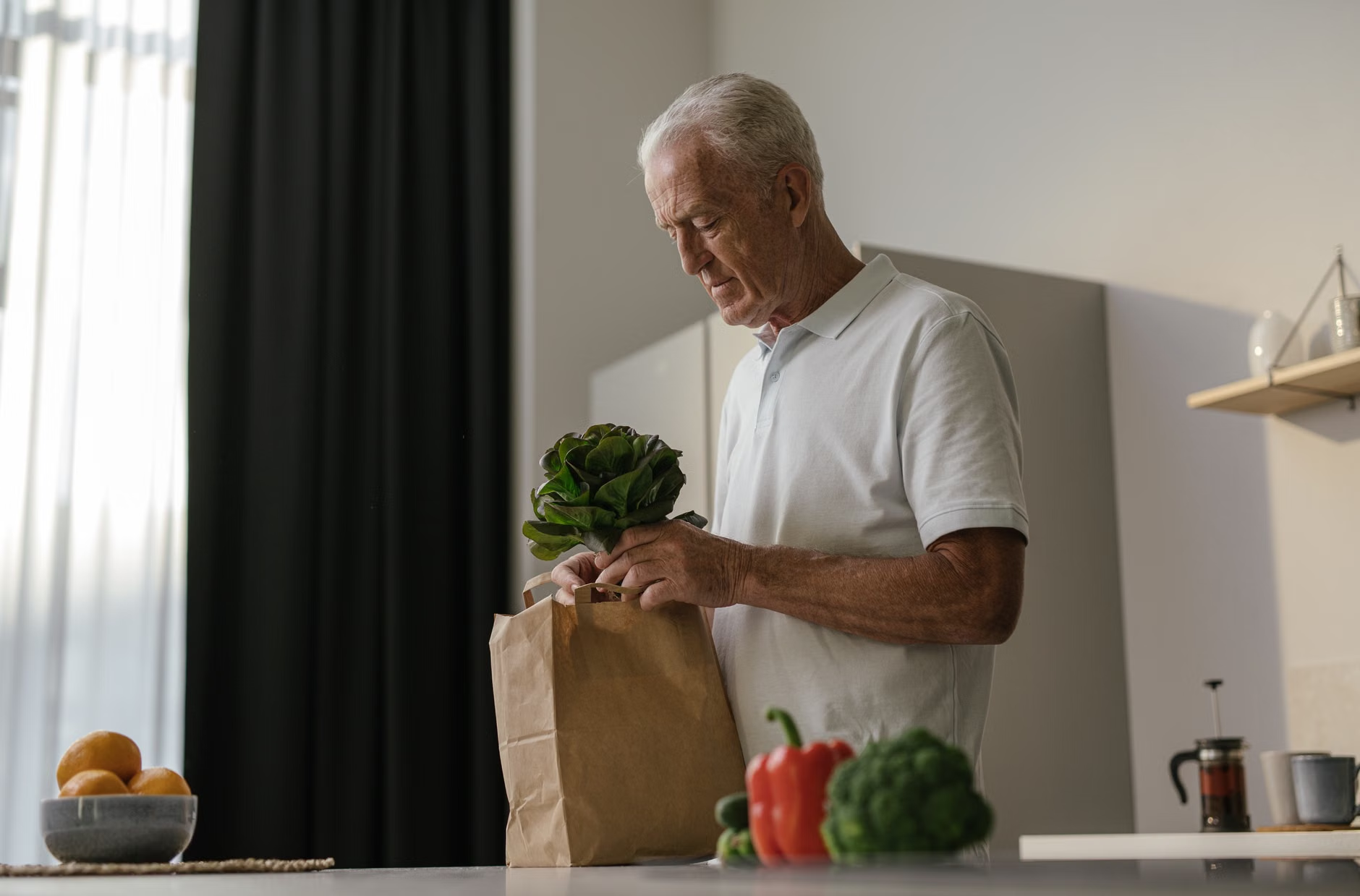
To maximize your intake, you don’t need expensive pills; you need a well-stocked pantry. Vitamin E is most abundant in plant-based oils, nuts, and seeds. Below is a breakdown of the most potent sources:
| Food Source | Vitamin E Content (Approximate) | Serving Suggestion |
|---|---|---|
| Sunflower Seeds | High | Sprinkle 1/4 cup on your morning oatmeal. |
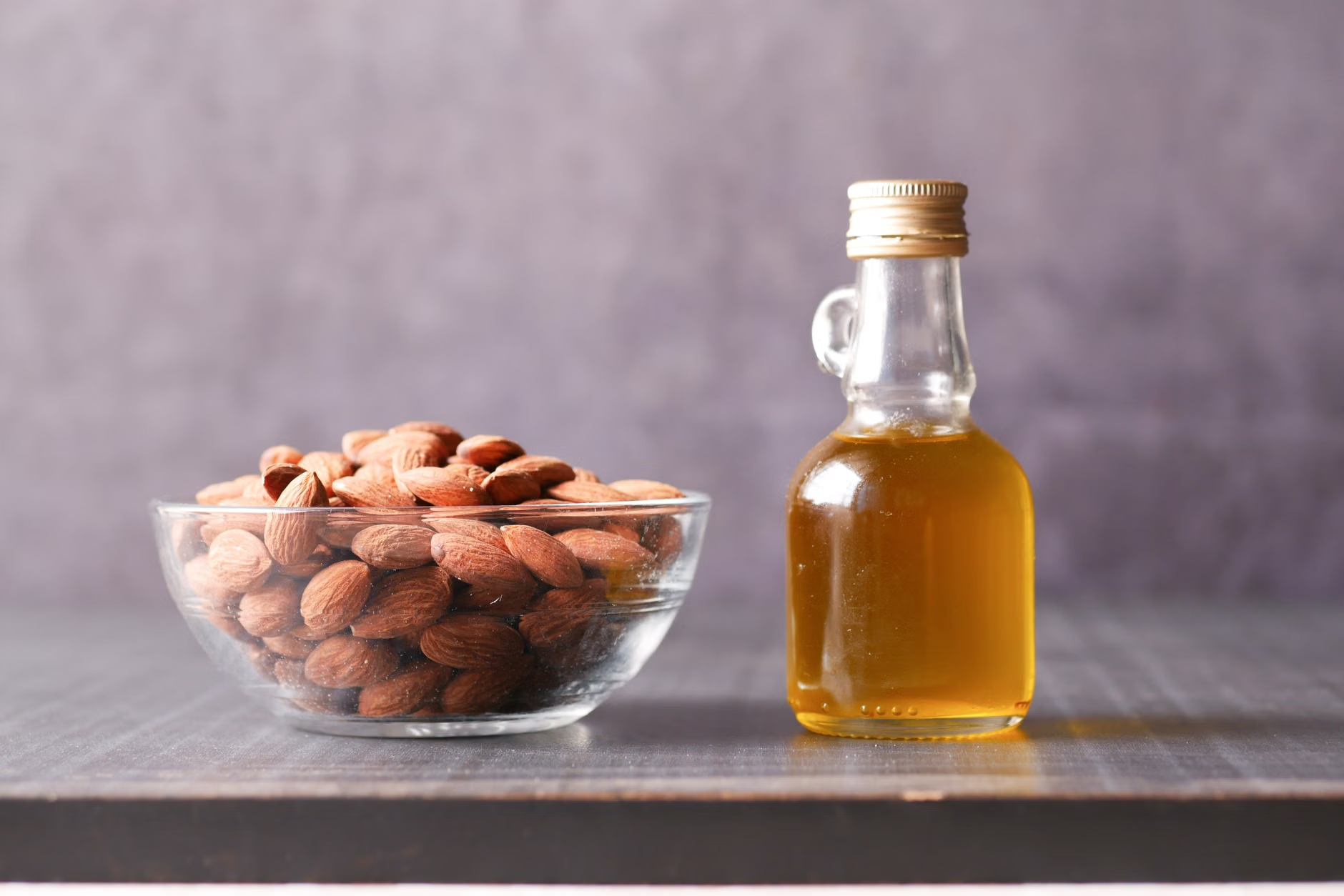
| Almonds | High | A small handful (approx. 23 nuts) as a snack. |
| Hazelnuts | Moderate-High | Add to salads or roasted vegetable dishes. |
| Wheat Germ Oil | Very High | Use sparingly in salad dressings. |
| Avocado | Moderate | Half an avocado sliced on whole-grain toast. |
Note: While oils like sunflower and wheat germ are nutrient-dense, they are also calorie-dense. For seniors managing weight or cardiovascular health, moderation is essential. Focus on incorporating these foods as replacements for less healthy fats, rather than simply adding them on top of your existing diet.
Practical Strategies for Daily Intake
Consistency is the primary challenge in dietary changes. It is not enough to eat a bowl of almonds once a week. You need a sustainable system. Here is a step-by-step guide to integrating Vitamin E into your daily routine:
1. The “Fat-Pairing” Rule
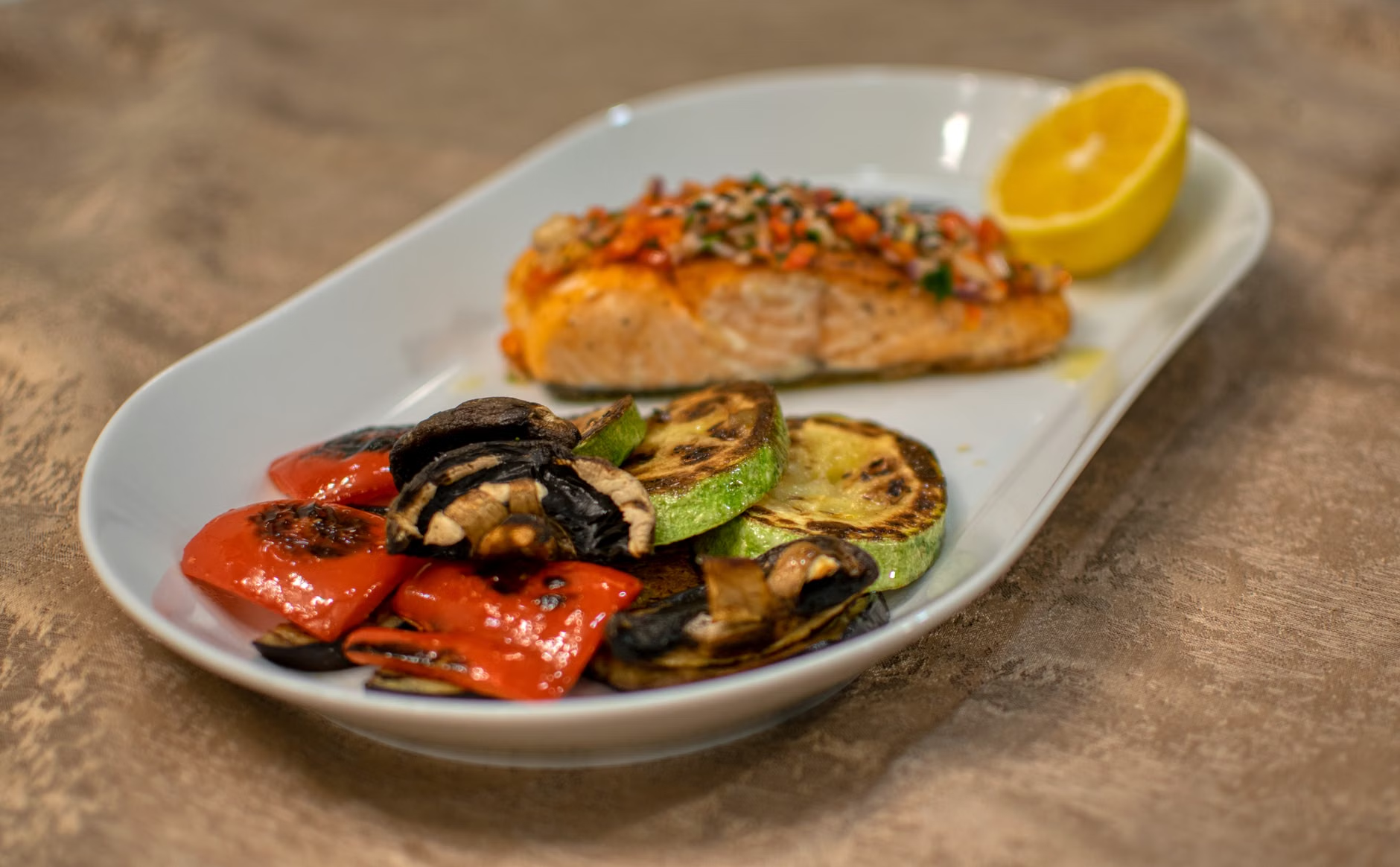
Because Vitamin E is fat-soluble, your body cannot absorb it efficiently if you eat it with a low-fat or fat-free meal. Always pair your Vitamin E source with a healthy fat. If you are eating a spinach salad (which contains some Vitamin E), ensure you use a dressing made with olive oil or add a few slices of avocado to aid absorption.
2. Audit Your Pantry
Check your current cooking oils. If you are using highly processed vegetable oils, consider switching to cold-pressed sunflower oil or olive oil. These oils are more stable and provide a better nutritional profile.
3. Storage and Freshness
Vitamin E is sensitive to heat, light, and air. To keep your nuts and seeds fresh:
- Store them in airtight containers.
- Keep them in a cool, dark place (or the refrigerator if you buy in bulk).
- Avoid heating oils to their smoking point, as this degrades the nutritional value.
When to Consider Supplements (And When to Avoid Them)
There is a common misconception that if a little is good, more must be better. This is dangerous when it comes to fat-soluble vitamins like E, A, D, and K. Unlike water-soluble vitamins (like Vitamin C) that your body excretes when you have excess, fat-soluble vitamins are stored in your liver and fatty tissues.
Warning: High-dose Vitamin E supplementation has been linked to an increased risk of hemorrhagic stroke in certain individuals. Furthermore, if you are currently taking blood-thinning medications (anticoagulants) like Warfarin or even daily aspirin, Vitamin E can increase the risk of bleeding. Do not start a high-dose supplement without an explicit discussion with your doctor.
Questions to Ask Your Doctor
If you feel your diet is insufficient, bring these questions to your next appointment:
- “Based on my current medication list (especially blood thinners), is a Vitamin E supplement safe for me?”
- “Are there any interactions between my current prescriptions and high doses of antioxidants?”
- “Should we test my blood levels before I consider supplementation?”
Lifestyle Factors That Affect Cognitive Health
Nutrition does not exist in a vacuum. Vitamin E’s ability to protect the brain is enhanced by other lifestyle habits. Think of these as the “support crew” for your dietary efforts:
- Physical Activity: Aerobic exercise increases blood flow to the brain, which aids in the delivery of nutrients, including those obtained from your diet.
- Sleep Hygiene: During deep sleep, the brain performs a “cleansing” process. Chronic sleep deprivation negates many of the benefits of a healthy diet.
- Social Engagement: Cognitive longevity is strongly linked to social activity. Learning new skills or participating in community groups keeps the brain resilient.
Addressing Common Misconceptions
Many people believe that “all nuts are equal” or that “vitamin-fortified cereals” are a good source. While fortified foods contain vitamins, they are often processed with high amounts of sugar and sodium. Always prioritize whole-food sources. Additionally, some believe that “natural” Vitamin E (d-alpha-tocopherol) is significantly better than “synthetic” (dl-alpha-tocopherol). While natural forms are slightly more bioavailable, the most important factor is the variety of Vitamin E forms found in whole foods (tocopherols and tocotrienols), which are rarely replicated perfectly in supplement form.
Managing Cognitive Health in the Long Term
As you move through your 60s, 70s, and beyond, your body’s ability to absorb nutrients may decrease. This is often due to changes in stomach acidity or digestive efficiency. This makes the *quality* of your diet even more important. If you find it difficult to chew nuts or seeds due to dental issues, consider:
- Blending seeds (like sunflower or flax) into smoothies.
- Using high-quality nut butters (ensure they contain no added sugar or hydrogenated oils).
- Cooking leafy greens thoroughly to make them easier to digest.
Conclusion: The Path Forward
Protecting your cognitive health is a marathon, not a sprint. By focusing on whole-food sources of Vitamin E, pairing them with healthy fats for absorption, and being mindful of supplement safety, you are taking a proactive stance on your long-term wellbeing. Remember that no single nutrient is a “magic bullet.” Your brain thrives on a diverse, nutrient-dense diet, consistent physical activity, and regular engagement with the world around you. Start by making small, sustainable swaps in your kitchen, and monitor how you feel. Your future self will thank you for the habits you build today.
Frequently Asked Questions (FAQ)
Q1: Can I get enough Vitamin E just from eating vegetables?
A: While vegetables like spinach and broccoli contain some Vitamin E, they are not the most concentrated sources. To reach optimal levels, you should aim to include nuts, seeds, and healthy plant oils in your daily diet alongside your vegetables.
Q2: I take a daily multivitamin. Does that count toward my Vitamin E intake?
A: Yes, it counts, but check the label for the dosage. Most standard multivitamins contain a safe, moderate amount. If you are also eating a diet rich in nuts and seeds, you are likely well within the recommended range. Always show your multivitamin bottle to your doctor to ensure the total daily amount is appropriate for you.
Q3: Does cooking destroy the Vitamin E in food?
A: Vitamin E is relatively stable, but it can be degraded by high heat over long periods. To preserve the most nutrients, prefer light cooking methods like steaming or quick stir-frying. If you are using oils, avoid heating them until they smoke, as this indicates the oil is breaking down.
Official Guidance and Further Reading:
For more information on dietary requirements for older adults, visit the National Institute on Aging (NIA) guidelines on healthy eating.