- Birdwatching provides a “cognitive workout” that improves focus, memory, and pattern recognition without the pressure of traditional learning environments.
- Social birdwatching groups mitigate the risk of isolation by providing a shared, low-stakes purpose that facilitates natural conversation.
- Accessibility in birdwatching is achieved by choosing flat-terrain locations and utilizing optical aids, making it a sustainable hobby for varying levels of mobility.
Community birdwatching is more than a passive observation of nature; it is a structured, purposeful activity that supports cognitive longevity and emotional well-being. For adults aged 60 to 80, the hobby offers a unique combination of gentle physical movement, sensory engagement, and social integration that few other leisure activities can match.
The Cognitive Benefits of Avian Observation
At its core, birdwatching is an exercise in sustained attention. Unlike many modern leisure activities that provide passive entertainment, birdwatching requires the brain to actively filter visual and auditory stimuli. This process, often called “attentional restoration,” helps reduce mental fatigue.
Pattern Recognition and Memory
When you identify a bird, you are not just looking at feathers; you are engaging in a complex diagnostic process. You observe size, shape, flight patterns, and song. Over time, this builds a mental database of local species. Research indicates that such cognitive tasks help maintain neuroplasticity—the brain’s ability to form new neural connections—which is a critical component of healthy aging.
Social isolation is a significant risk factor for health decline in later life. Community birdwatching groups provide a “third space”—a location outside of home and the workplace—where interaction is centered around a shared interest rather than personal history. This creates a low-pressure social environment where conversation flows naturally.
In a group setting, the focus is on the birds, not the individuals. This shift in focus is particularly beneficial for those who may feel self-conscious or socially anxious. When a group spots a rare bird, the collective excitement creates an immediate, positive emotional bond. This “shared experience” is a well-documented psychological strategy for building community and preventing the loneliness that can arise in retirement years.
| Feature | Individual Birding | Community Birding |
|---|---|---|
| Social Interaction | Minimal | High |
| Learning Speed | Self-paced | Accelerated by shared knowledge |
| Safety | Requires extra vigilance | Enhanced by group presence |
For most older adults, the community model is superior for long-term engagement because it provides external accountability—if you have a meeting time with a group, you are more likely to get out of the house and engage in physical activity.
One of the most common misconceptions about birdwatching is that it requires hiking through deep forests or rugged terrain. In reality, some of the best birdwatching occurs in public parks, botanical gardens, and accessible wetlands. These locations often feature paved trails, benches, and accessible restrooms, making them ideal for individuals with varying levels of stamina.
Planning Your First Outing: A Checklist
To ensure your experience is safe and enjoyable, use this planning checklist before heading out:
- Check Trail Surface: Look for “paved” or “ADA-compliant” trails on local park websites.
- Evaluate Seating Availability: Ensure the location has benches at regular intervals (e.g., every 200-300 meters).
- Assess Weather Conditions: Avoid extreme heat or cold. Aim for early morning outings when bird activity is highest and temperatures are mild.
- Verify Facilities: Confirm that restrooms are open and accessible along your intended route.

Essential Equipment: Balancing Cost and Functionality
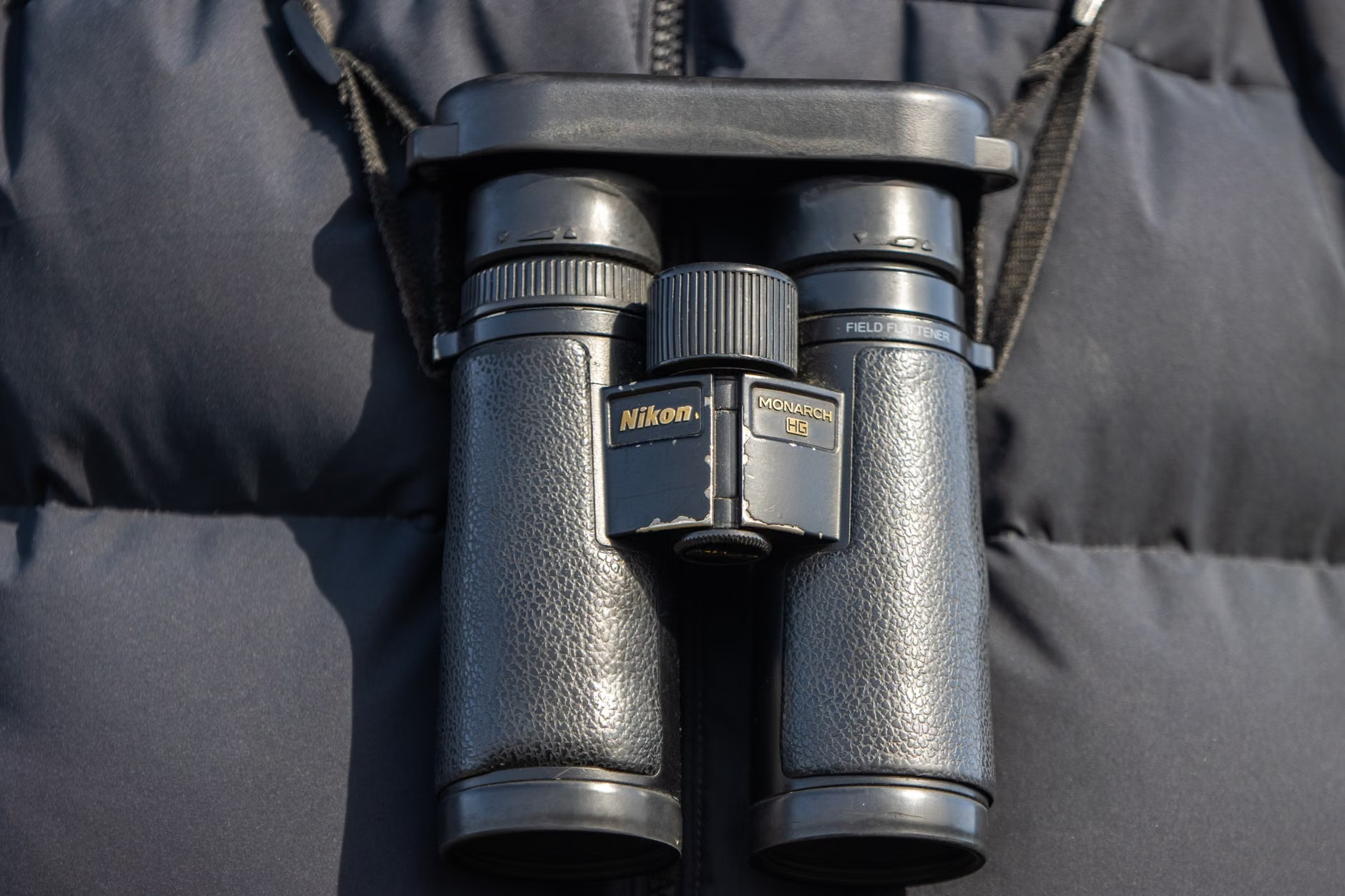
You do not need professional-grade equipment to enjoy birdwatching. In fact, heavy, expensive optics can often be more cumbersome than useful. When choosing binoculars, look for the “8×42” specification. The “8” refers to magnification, and “42” refers to the diameter of the lens. This configuration is widely considered the gold standard for birding because it offers a bright image and a wide field of view, making it easier to track moving birds without needing perfectly steady hands.
Common Mistake: Many beginners purchase binoculars with too much magnification (e.g., 12x or higher). While this sounds better, it makes the image shake significantly with even the slightest hand movement, which is often frustrating and leads to eye strain.
Deep Dive: The Science of Sensory Engagement
Birdwatching engages the brain through multiple sensory channels. You are not only looking; you are listening. Recognizing bird calls is a high-level auditory task that keeps the auditory cortex active. For many, this becomes a meditative practice. Mindfulness, or the state of being fully present, is naturally induced by the act of waiting for a bird to appear. By focusing on the rustle of leaves or a distant chirp, you effectively “reset” the brain from the stressors of daily life.
The Role of Technology in Modern Birding
Digital tools have revolutionized the hobby. Apps like the Cornell Lab of Ornithology’s Merlin Bird ID allow you to identify birds by sound or by uploading a photo. These tools are incredibly empowering for older adults because they provide instant feedback, turning a “mystery sound” into a learning opportunity. Technology here acts as a bridge, not a barrier.

Building a Sustainable Routine
To make birdwatching a sustainable part of your lifestyle, treat it as a recurring appointment. Whether it is a weekly walk with a local Audubon chapter or a monthly meetup with friends, the key is consistency. Over time, you will notice the seasonal changes in bird migration, which provides a sense of continuity and anticipation—a powerful antidote to the feeling that “every day is the same” in retirement.
Overlooked Variables in Group Participation
A factor often missed is the “pace of the group.” When joining a club, ask if the group is a “slow-paced/observation” group or a “hiking/birding” group. Many clubs designate their walks by speed. Choosing the right group ensures you do not overexert yourself and can focus on the birds rather than keeping up with faster walkers.
Practical Steps to Join or Start a Community
If you are looking to get involved, start by searching for local “Audubon Society” chapters or “Friends of [Local Park]” groups. These organizations frequently host beginner-friendly walks. If you prefer to start your own, simply invite two or three friends to a local park with a common goal: to find three specific birds. This small, achievable target removes the pressure of “having to know everything” right away.
Conclusion: A Hobby for Life
Community birdwatching is a low-barrier, high-reward activity. It addresses the fundamental human needs for movement, social connection, and intellectual growth. By focusing on accessible locations, utilizing appropriate optics, and engaging with a community, you can turn a simple walk in the park into a lifelong pursuit that keeps the mind sharp and the spirit connected to the natural world.
Frequently Asked Questions
- Do I need to be an expert to join a group? No. Most community birdwatching groups are eager to welcome beginners. They often have extra binoculars to lend and mentors who enjoy teaching new members.
- What if I have limited mobility? Many birding groups prioritize accessible, flat-terrain locations. You can also birdwatch from a stationary position, such as a bench near a bird feeder or a water feature, which is equally effective.
- Is birdwatching expensive? It can be as inexpensive as you choose. A decent pair of entry-level binoculars can be found for a reasonable price, and most identification apps are free. There is no need for high-end photography gear to enjoy the social and cognitive benefits.
For further information on local birding groups, you can visit the National Audubon Society to find chapters in your area or similar global conservation organizations.