- Prioritize Flat Terrain: South American topography is often mountainous; always verify the “gradient” of garden paths before booking to ensure they are wheelchair or walker accessible.
- Strategic Pacing: Limit tours to one major site per day, allowing for mid-day heat recovery and avoiding the “stamina trap” of over-scheduled itineraries.
- Infrastructure Verification: Do not rely on “accessible” labels alone; request specific confirmation regarding the availability of benches, clean restrooms with grab bars, and proximity to transport drop-off points.
Planning a garden tour in South America offers a unique opportunity to experience some of the world’s most diverse flora, but for the senior traveler, success lies in the details of accessibility and physical management. Whether you are exploring the temperate gardens of the Southern Cone or the tropical wonders of the Andean foothills, the difference between a memorable trip and a taxing ordeal is proper preparation regarding terrain, climate, and infrastructure.
Understanding the Physical Reality of South American Gardens
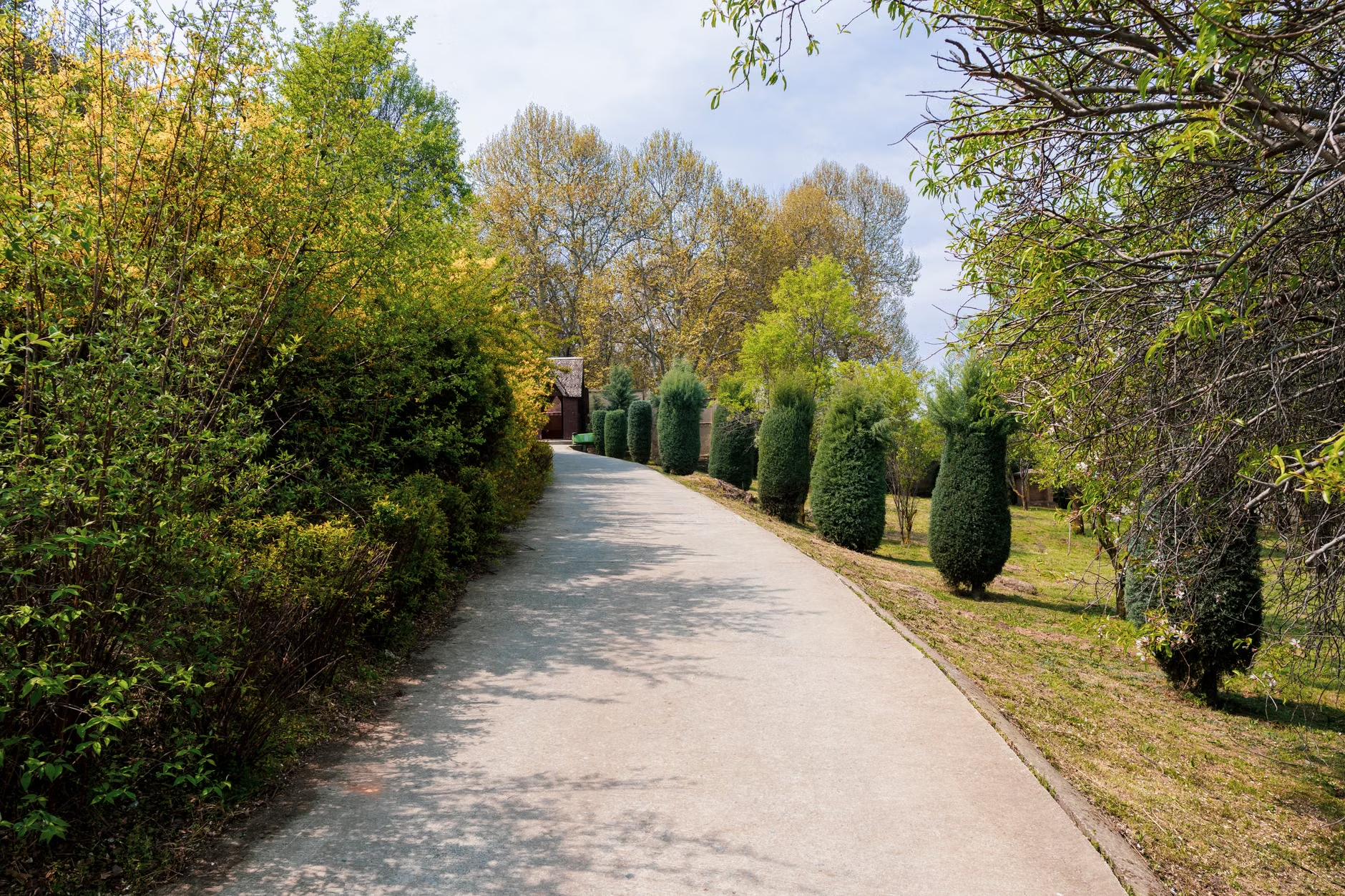
South America is characterized by extreme geological diversity. While the botanical variety is breathtaking, this same geography often presents challenges for those with limited mobility. Many of the continent’s most famous gardens were established on hillsides or in areas where natural water features dictate the landscape, leading to steep inclines and uneven stone pathways.
When evaluating a potential destination, the first step is to distinguish between botanical research stations and public ornamental gardens. Research stations, while scientifically fascinating, often prioritize natural terrain preservation, which may include unpaved trails, muddy sections, and significant elevation changes. In contrast, modern public gardens in metropolitan areas like Buenos Aires, Santiago, or Medellín often invest heavily in paved, level pathways, clear signage, and frequent rest areas.
The “Slope Rule”: A general rule for senior travelers is to look for gardens that have been renovated or established within the last 15 years. These sites are more likely to comply with modern accessibility standards, such as the International Symbol of Access (ISA) requirements, which mandate slopes of no more than 1:12 for wheelchair access and the presence of handrails in steep areas.
Strategic Itinerary Planning: Managing Stamina and Climate
The most common mistake for travelers aged 60 to 80 in South America is “geographic ambition”—attempting to visit multiple sites in a single day. In tropical or high-altitude regions, the physical exertion required to navigate garden paths is compounded by environmental factors that can lead to rapid fatigue.
The Mid-Day Heat and Altitude Adjustment
In many South American countries, the sun is significantly more intense than in Northern latitudes. Even in temperate cities like Bogotá (which sits at 2,640 meters or 8,660 feet above sea level), the UV index is high. For seniors, this means that heat exhaustion and altitude sickness can occur even during light walking.
Practical Advice: Schedule your garden visits for the “golden hours”—the first two hours after opening and the final two hours before closing. This avoids the peak heat of the day and often results in lower crowds, allowing you to move at your own pace without feeling pressured by groups behind you.
Transportation and Access Points
Many gardens are located on the outskirts of cities. Ensure that your transport provider (whether a private driver or a taxi service) is instructed to drop you off at the “main entrance” or “visitor center” rather than the general park boundary. Some large gardens in Brazil or Chile have multiple gates; verify which gate offers the most level access to the primary attractions.
| Feature | What to Look For | Why it Matters |
|---|---|---|
| Path Surfaces | Paved or packed gravel | Prevents tripping and stabilizes mobility aids. |
| Gradient | Under 5% incline | Reduces cardiovascular strain and knee stress. |
| Resting Intervals | Benches every 50-100 meters | Essential for recovery and managing stamina. |
| Restroom Access | ADA-compliant facilities | Ensures safety and comfort during long outings. |
The table above serves as your baseline. If a venue cannot confirm these four features, consider it a “high-exertion” site and plan accordingly by bringing a portable folding seat or a cane with a base for extra stability.
Evaluating Accessibility Infrastructure
Accessibility is not a binary state; it is a spectrum. To make an informed decision, you must look beyond the word “accessible” on a website. Contact the visitor services department directly via email. Use this template for your inquiry to ensure you receive actionable data:
“I am planning a visit to your garden. Could you please confirm: 1) Are the primary paths paved? 2) Is there a map indicating the steepest sections? 3) Do you offer shuttle services for those who cannot walk the full perimeter? 4) Are there clean, accessible restrooms near the main entrance?”
The Role of Local Guides
Hiring a local guide who specializes in senior or accessible tours can be a game-changer. These professionals often have “insider” knowledge—they know which paths are currently under construction, which sections of the garden are too shaded (and thus slippery), and where the quietest, most comfortable spots to sit are located. They also act as an advocate, ensuring that your pace is respected throughout the tour.
Preventive Health and Safety Considerations
Travel in South America requires specific attention to your health, particularly regarding hydration and foot care. Because you will be walking on varied surfaces, even in well-maintained gardens, footwear choice is paramount. Wear shoes with non-slip soles and adequate arch support. Avoid new shoes that haven’t been broken in, as blisters can end a trip prematurely.
Medication and Documentation
Always carry a digital and paper copy of your medication list, including generic names, as brand names vary by country. If you have any chronic conditions, keep a “travel health passport” in your pocket that includes your emergency contact information and any specific medical needs in the local language (Spanish or Portuguese). For example, if you have a heart condition, having a card that says “I need to sit down” in Spanish (Necesito sentarme) can be incredibly useful in a crowded park setting.
Hydration and Nutrition
Dehydration is a leading cause of dizziness and fatigue in older travelers. Many gardens are expansive and lack kiosks in the center. Always carry a refillable water bottle, but be mindful of local water safety. In most major South American cities, tap water in public parks should not be consumed; rely on bottled or properly filtered water.
Selecting the Right Destination: A Regional Comparison
Not all South American regions offer the same experience. Here is a brief guide to choosing based on your physical comfort preferences:
- The Southern Cone (Argentina/Chile): Generally offers the most “European-style” infrastructure. Cities like Buenos Aires have extensive, flat, and well-maintained public parks.
- The Andean Region (Colombia/Ecuador): Stunning biodiversity, but often steep. Focus on urban botanical gardens near the city centers rather than mountain-based nature reserves.
- Coastal Brazil: Many gardens here are integrated into urban environments with excellent accessibility, but be prepared for high humidity, which can affect stamina more than the walking distance itself.
When selecting your destination, consider the season. Traveling during the shoulder seasons (spring and autumn) provides the best balance of moderate temperatures and manageable crowds. Avoid the peak of summer (December to February in the Southern Hemisphere), as the heat can be intense and the popular gardens will be crowded with school groups and families.
Deep Dive: Managing the “Hidden” Variables
Beyond the obvious, there are hidden factors that can significantly impact your experience. One such factor is the “noise level” of the environment. Some popular gardens in South America are located near major traffic arteries. For individuals with hearing aids or sensory sensitivities, this can lead to cognitive fatigue. When researching a garden, check satellite views on map applications to see if it is buffered from main roads by trees or walls.
Another variable is the “digital requirement.” Many gardens now require tickets to be purchased online in advance. Do not assume you can buy tickets at the gate. If you are not comfortable with mobile ticketing, ask your hotel concierge to assist you in booking your entry pass at least 48 hours before your visit.
Finally, consider the availability of “early exit” points. In a large garden, you may find that the entrance is a kilometer away from your current location. Always study the map before you begin your walk. Identify the locations of exits and service gates. If you are using a mobility aid, knowing that a service gate is nearby can provide peace of mind and an easy way to exit if you feel your energy waning.
Conclusion: The Art of the Gentle Tour
The key to a successful garden tour in South America is to shift your mindset from “seeing everything” to “enjoying the atmosphere.” By prioritizing flat, accessible paths, timing your visits to avoid peak heat, and verifying infrastructure before you leave your accommodation, you can experience the incredible botanical diversity of the continent without compromising your safety or comfort.
Remember that the beauty of a garden is not in how many hectares you cover, but in the time you spend observing the intricate details of the plants and the tranquility of the environment. Plan for rest, prepare for the climate, and choose your destinations with a focus on your personal mobility needs. With these steps, your South American garden tour will be a highlight of your travels, providing both relaxation and a deep connection to the natural world.
Frequently Asked Questions
1. Should I bring my own wheelchair or walker to South American gardens?
It is highly recommended to bring your own mobility aid if you rely on it. While some large, modern gardens offer rentals, they are often limited in number and may not be available on a first-come, first-served basis. Bringing your own ensures it is fitted to your needs and available whenever you need it.
2. How do I handle language barriers if I need assistance in a garden?
Most major botanical gardens in capital cities have staff who speak basic English. However, it is helpful to have a translation app on your phone (like Google Translate) that works offline. Alternatively, keep a small card with phrases like “Where is the nearest bench?” or “I need help” translated into the local language.
3. Are public toilets in South American gardens generally accessible?
Accessibility in restrooms varies significantly. While modern facilities are generally good, older or more remote gardens may have limited facilities. Always use the facilities at the visitor center immediately upon arrival, and check the garden map for the location of the next set of restrooms before you wander deep into the garden paths.
Disclaimer: This article is for informational purposes only and does not constitute medical or travel advice. Always consult with your healthcare provider regarding your physical readiness for international travel and ensure you have adequate travel insurance that covers pre-existing conditions and medical evacuation.