Maintaining Hand Dexterity: A Practical Guide to Seated Squeeze Exercises
- Consistency over Intensity: Daily, short sessions of 5–10 minutes are more effective for maintaining hand strength than infrequent, heavy workouts.
- Choosing the Right Resistance: Use color-coded soft balls to match your current grip strength, moving to higher resistance only when you can complete 20 repetitions without fatigue.
- Integrated Safety: Always perform these exercises while seated with proper back support to prevent straining other muscle groups while focusing on your hands.
Hand strength is a fundamental component of independent living. From opening jars and managing buttons to gripping a walking aid or holding a pen, the fine motor skills and grip strength of our hands dictate our ability to interact with the world. As we age, natural changes in connective tissue, muscle mass, and joint lubrication can lead to a decline in dexterity. The use of soft, squeezable therapy balls while seated is an accessible, low-risk, and highly effective method for maintaining and improving hand function.
Understanding the Anatomy of Grip
The human hand is a complex structure consisting of 27 bones, dozens of muscles, and a dense network of tendons and ligaments. When we perform a “squeeze,” we are not just using one muscle; we are engaging a coordinated system that involves the extrinsic muscles in the forearm and the intrinsic muscles located within the palm and fingers. For older adults, keeping these muscles active helps in preventing the stiffness associated with sedentary behavior or mild arthritis.
Why does this matter for daily life? A loss of grip strength is often a silent indicator of overall physical decline. By maintaining the integrity of the hand muscles, you are effectively preserving your ability to perform Activities of Daily Living (ADLs). The seated position is specifically recommended because it isolates the hand movement, preventing the user from compensating with shoulder or neck tension, which is a common error when exercises are performed in a standing position.
Selecting the Appropriate Equipment
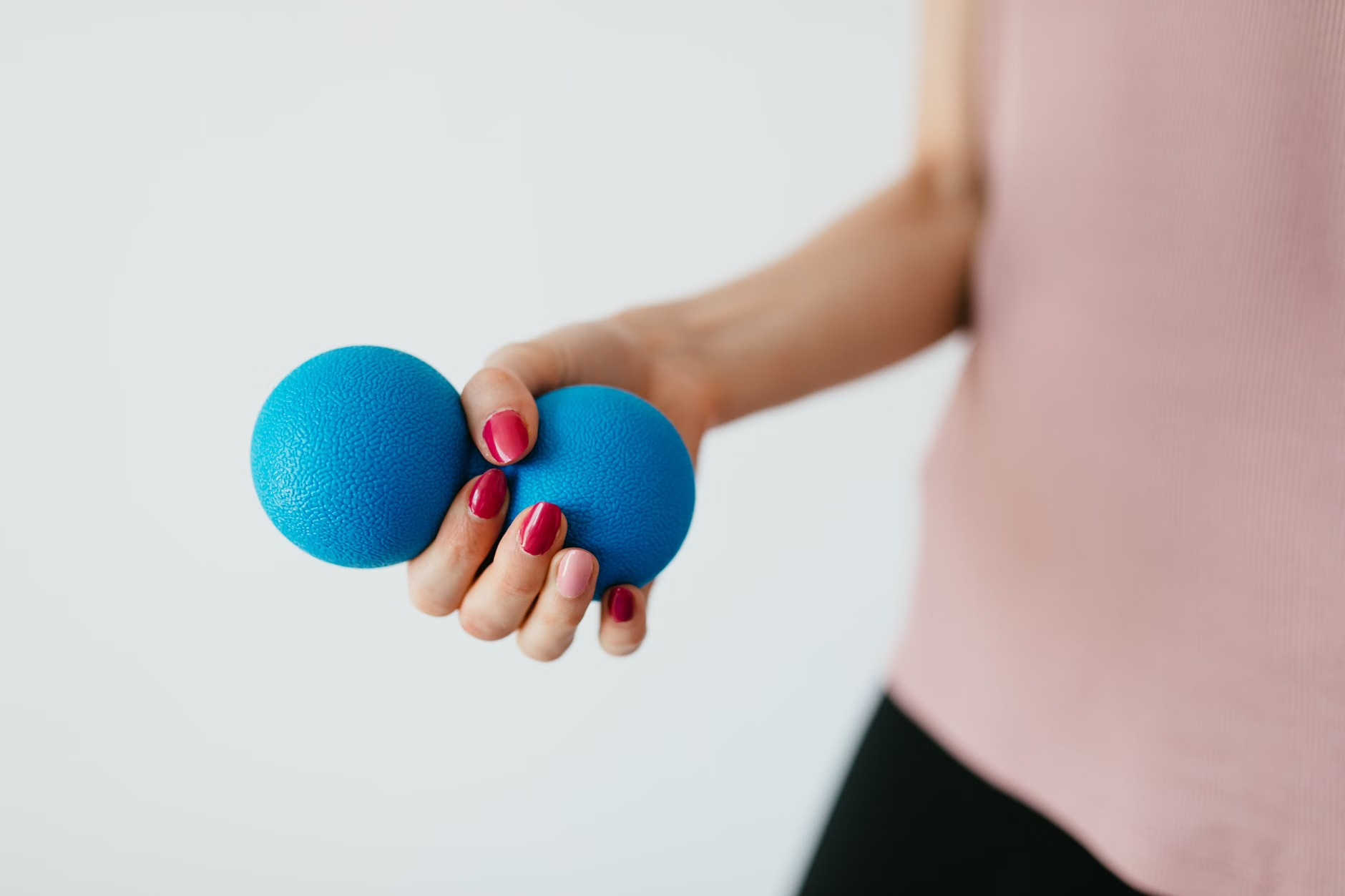
Not all soft balls are created equal. In clinical settings, therapists use color-coded resistance balls. These are typically made of high-quality, non-toxic polyurethane or silicone that maintains its shape over time. When selecting a ball, consider the following criteria:
| Resistance Level | Indicator Color (Standard) | Best For |
|---|---|---|
| Extra Soft | Yellow | Beginners, those recovering from injury, or those with significant arthritis. |
| Soft | Red | Individuals maintaining current strength or those with mild stiffness. |
| Medium | Green | Those seeking to build baseline grip strength and improve endurance. |
| Firm | Blue | Advanced users looking for significant strengthening. |
Practical Insight: If you are unsure where to start, begin with the “Extra Soft” (Yellow) level. The goal is to perform a full, controlled range of motion rather than exerting maximum force. If you find yourself struggling to fully compress the ball, the resistance is too high, which can lead to joint strain rather than muscular conditioning.
Step-by-Step Execution for Seated Exercises
To maximize the benefits of these exercises, form is paramount. Follow this protocol to ensure you are targeting the right muscles safely.
1. The Setup
Sit in a sturdy chair with your feet flat on the floor. Ensure your lower back is supported by the backrest. Place your forearm on a flat surface, such as a dining table or armrest, with your palm facing upward or inward toward your body. This position removes the weight of your arm from the equation, allowing you to focus entirely on the hand muscles.
2. The Full-Palm Squeeze
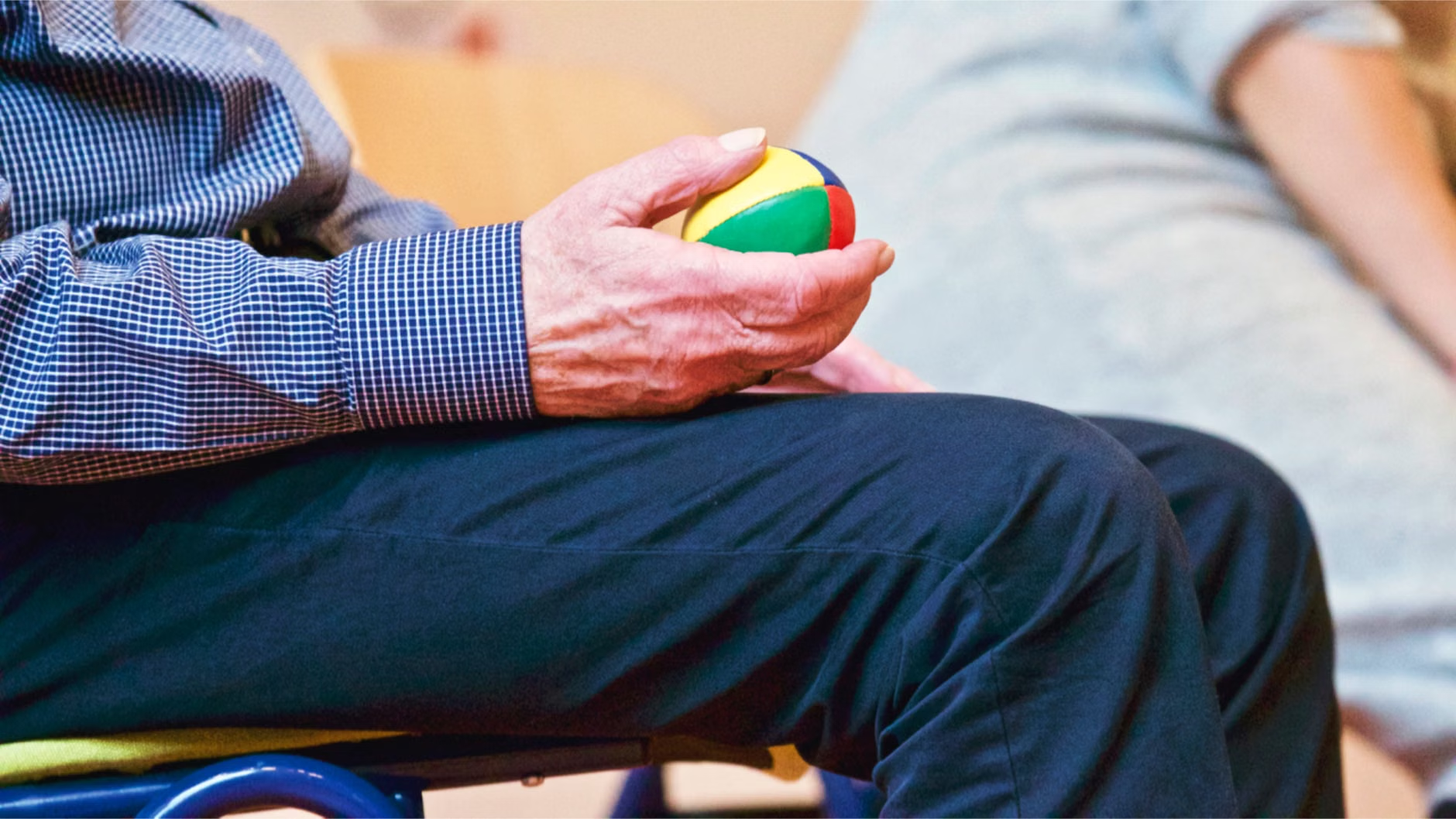
Place the ball in the center of your palm. Wrap your fingers and thumb around the ball. Squeeze the ball gently but firmly until you feel the resistance of the material. Hold this contraction for three seconds. Slowly release the pressure over three seconds. Do not snap your fingers open; the slow release is just as important as the squeeze for building control.
3. The Pincer Squeeze
To target the thumb and individual fingers, place the ball between your thumb and the tip of your index finger. Squeeze, hold for three seconds, and release. Repeat this for each finger. This exercise is critical for tasks like using a key or picking up small items.
Common Mistakes and How to Avoid Them
Even simple exercises can be performed incorrectly. Being aware of these pitfalls will help you avoid discomfort and ensure you are getting the most out of your routine.
- Holding Your Breath: Many people instinctively hold their breath while concentrating on a squeeze. This can cause temporary spikes in blood pressure. Always inhale as you release and exhale as you squeeze.
- Over-Gripping: Using your entire arm or shoulder to squeeze the ball negates the purpose of isolating the hand. If you notice your shoulder rising toward your ear, stop, relax your shoulder, and try again with less force.
- Ignoring Pain: There is a distinct difference between the feeling of muscle fatigue and the sharp, localized pain of joint inflammation. If you feel sharp pain in your knuckles or wrist, stop immediately. Pain is a signal to adjust your technique or reduce resistance, not to push through.
Integrating Exercises into Your Daily Routine
The biggest barrier to any exercise program is consistency. For seniors, the most successful strategy is “habit stacking”—attaching the exercise to an existing, non-negotiable part of your day.
For example, keep a therapy ball next to your favorite chair where you watch the evening news or listen to podcasts. Perform two sets of ten repetitions while the commercials are on or during a segment break. Because these exercises require very little physical exertion, they can be done multiple times throughout the day without causing systemic fatigue.
Tracking Progress: Keep a simple log on your calendar. Note the date and the color of the ball you used. If you find that after two weeks, the “Red” (Soft) ball feels significantly easier than when you started, you may be ready to move to the “Green” (Medium) ball. This incremental progression is the key to long-term strength maintenance.

When to Seek Professional Guidance
While hand-squeeze exercises are generally safe, there are conditions where you should consult a physical therapist or your primary care physician before beginning a new regimen. These include:
- Recent hand or wrist surgery (within the last 6 months).
- Severe, visible joint deformity or acute swelling in the fingers.
- Numbness or tingling in the hands (which may indicate nerve compression, such as carpal tunnel syndrome).
- A diagnosis of rheumatoid arthritis in an active flare-up phase.
When you visit a professional, bring a list of your daily activities that have become difficult. A therapist can provide specific modifications, such as using a different grip orientation or incorporating heat therapy before exercise to improve tissue elasticity. They can also ensure that your hand exercise routine does not interfere with other treatments you may be receiving.
Advanced Considerations: Beyond the Squeeze
Once you have mastered the basic squeeze, you can introduce variations to improve dexterity. For instance, try rolling the ball across the palm of your hand using only your fingers, or attempt to pass the ball from one hand to the other using only your fingertips. These movements challenge the brain-hand connection, providing a cognitive benefit alongside the physical conditioning.
Remember that the hand is also affected by overall systemic health. Hydration, balanced nutrition, and managing underlying conditions like diabetes or circulation issues play a massive role in hand health. If you experience persistent coldness in your fingers or significant changes in skin integrity, these are signs that your hand health may be linked to broader vascular or metabolic concerns that require a clinical evaluation.
Conclusion: The Path to Sustained Dexterity
Maintaining hand strength is a proactive choice. By dedicating just a few minutes each day to seated squeeze exercises, you are investing in your ability to remain independent and engaged in the activities you enjoy. Start slowly, respect your body’s signals, and focus on the quality of movement. With the right approach, your hands will continue to serve you well for years to come.
Frequently Asked Questions
1. Can I use a regular tennis ball instead of a therapy ball?
While a tennis ball can provide some resistance, it is often too firm and lacks the necessary “give” for older adults, particularly those with arthritis. Therapy balls are designed to provide consistent, progressive resistance that is gentler on the joints. If you must use a household item, ensure it is soft enough to be compressed fully without significant joint strain.
2. How long will it take to see results?
Consistency is more important than speed. Most people notice an improvement in their ability to perform daily tasks, such as opening bottles or gripping utensils, within 4 to 6 weeks of daily, consistent practice. Remember, the goal is maintenance and functional improvement, not body-building.
3. Should I use heat or ice before or after these exercises?
For those with chronic stiffness, applying a warm compress or soaking hands in warm water for 5–10 minutes before exercising can help improve tissue flexibility and reduce discomfort. Ice is generally reserved for acute injuries or significant swelling and should be used only under the guidance of a healthcare provider if you have underlying circulation issues.
Official guidance on physical activity for older adults can be found through resources such as the World Health Organization (WHO) Guidelines on Physical Activity and Sedentary Behaviour. Always consult with your local medical provider for personalized health advice.