- Ergonomics are Priority: By 2026, global urban design standards now emphasize high backrests and firm armrests to facilitate safe standing and sitting for older adults.
- Mobility-First Planning: New seating installations prioritize “side-by-side” integration, ensuring space for walkers, canes, and wheelchairs next to traditional benches.
- Strategic Placement: Optimal park navigation now follows a “resting interval” rule, with seating placed at 50 to 100-meter intervals to support stamina and confidence during walks.
As we head into 2026, urban planning is undergoing a significant shift. No longer are public parks designed merely for aesthetics; they are increasingly being engineered to support the autonomy and health of our aging global population. For those of us aged 60 to 80, the humble park bench is no longer just a place to sit—it is a critical piece of infrastructure that determines whether we can comfortably enjoy our local green spaces or whether we feel discouraged from heading out at all.
This article examines the current trends in age-friendly seating, what these changes mean for your daily routine, and how you can identify, advocate for, or utilize these improved facilities in your community.
1. The Shift Toward Ergonomic Seating Standards
In the past, many public benches were designed with low seats, sloped backs, or slippery surfaces. By 2026, international standards—such as those influenced by the World Health Organization’s Age-Friendly Cities framework—have begun to mandate specific ergonomic requirements. What does this look like in your local park?
The Importance of Armrests
One of the most critical 2026 trends is the universal inclusion of sturdy, high-grip armrests. For an older adult, armrests are not optional; they are a functional necessity. They provide a vital leverage point for standing up, reducing the strain on knee and hip joints. If a bench lacks armrests, it often requires the user to push off from their own knees or the seat itself, which can be unstable and physically taxing.
Seat Height and Depth
Modern guidelines now suggest a seat height of approximately 45 to 50 centimeters (18 to 20 inches). This height is specifically chosen because it allows the user to sit down without “dropping” into the seat and stand up without excessive exertion. Furthermore, seat depth is being standardized to around 40 to 45 centimeters to ensure that the user’s feet can remain flat on the ground, which is essential for maintaining balance.
Practical Decision Rule: When choosing a bench in a public space, look for one where your feet rest fully on the ground. If your feet dangle or if you feel you have to reach too far back to sit, that bench is poorly designed for your mobility needs. Always prioritize benches with solid, non-slip armrests that are firmly bolted into the structure.

2. Mobility-Integrated Design: Space for Walkers and Wheelchairs
A significant trend in 2026 is the “inclusive footprint.” Urban planners are moving away from the “bench-only” model toward “seating-plus-space” configurations. This is a game-changer for those who use walkers, canes, or wheelchairs.
Why Side-by-Side Integration Matters
Historically, if you arrived at a park with a mobility aid, you were often forced to leave your walker on the grass or in the middle of a path, creating a tripping hazard and separating you from your support device. New designs now incorporate a paved, level space directly adjacent to the bench. This allows you to park your mobility aid within reach while you sit, ensuring that you can transition back to your device safely and without assistance.
Imagine you are walking through a park on a humid afternoon. You have your wheeled walker. In a 2026-compliant park, you should find a seating area where the path is wide enough for you to turn your walker around, and the bench area has a dedicated flat surface (not grass) where your wheels can lock securely. This removes the “fear of falling” that often limits how far we are willing to walk.
| Feature | Legacy Bench (Old) | 2026 Age-Friendly Bench |
|---|---|---|
| Armrests | None or decorative | Sturdy, high-grip, full-length |
| Surface Material | Metal or cold stone | Composite or wood (temperature-stable) |
| Proximity to Path | Set back on grass | Flush with paved path |
| Companion Space | None | Dedicated space for walker/wheelchair |
The table above highlights the shift in design philosophy. If your local park still features legacy benches, you may want to consider carrying a lightweight, foldable cane seat or choosing routes that are known for having “resting clusters” rather than isolated benches.
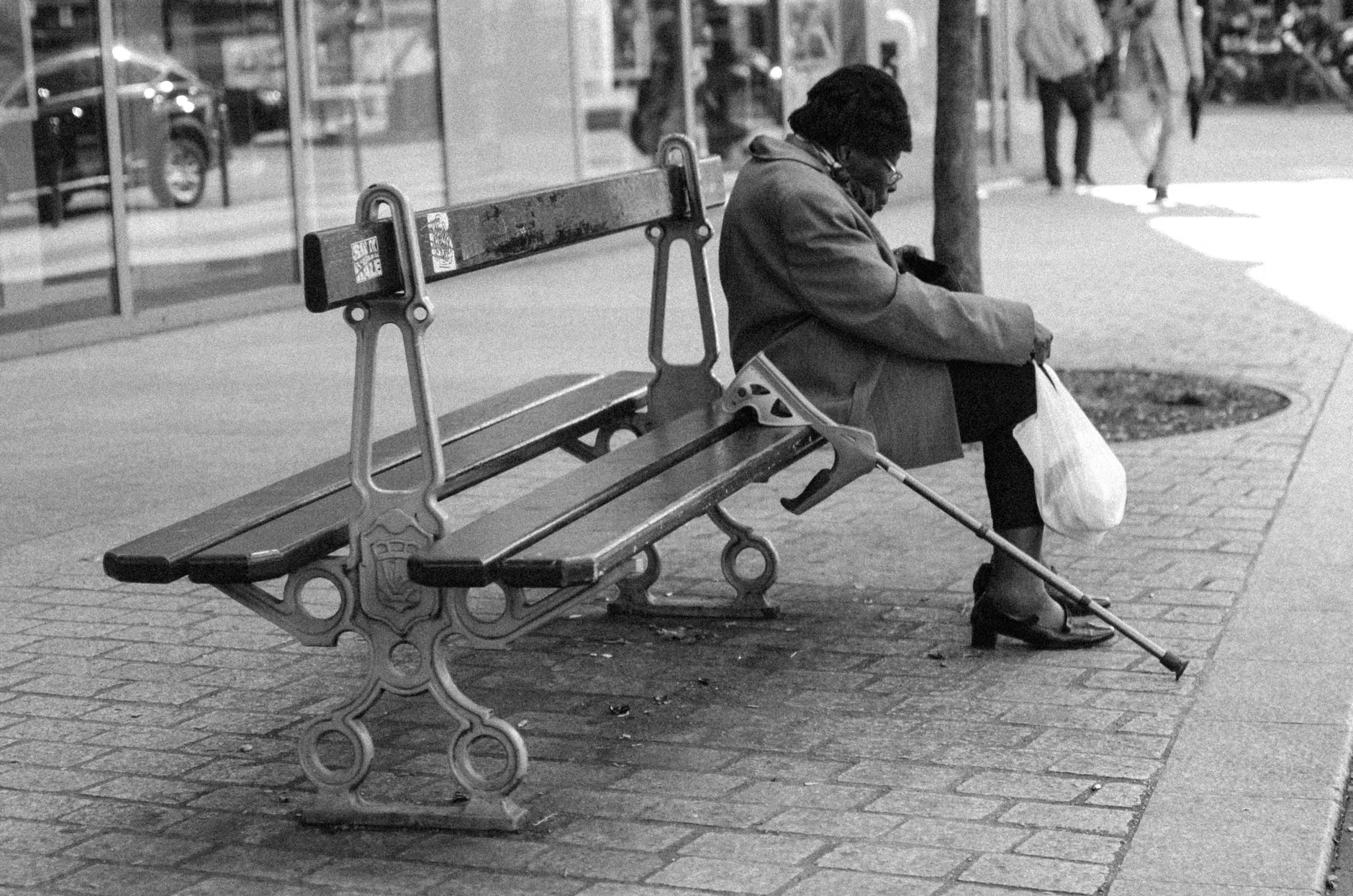
3. Strategic Placement and the “Resting Interval” Rule
The most beautiful bench in the world is useless if it is not where you need it. A major 2026 trend is the implementation of the “100-Meter Rule.” Urban designers are increasingly placing seating at intervals of 50 to 100 meters along main pedestrian thoroughfares. This distance is calculated based on the average stamina of an older adult walking at a moderate pace, allowing for frequent, short rest breaks that prevent fatigue.
What This Means for Your Routine
If you are planning a walk, check your local council or municipality’s “accessible map” (often available on city websites). Many cities are now digitizing their park assets, allowing you to see exactly where benches are located. This allows you to plan a route that matches your current energy levels, whether you are aiming for a 500-meter stroll or a longer, more ambitious trek.
Hidden Inconveniences: The “Slope” Variable
One overlooked variable is the incline leading up to a bench. Even if a bench is perfectly designed, if it is placed on a slight slope, it becomes significantly harder for someone with limited mobility to stand up safely. In 2026, high-quality public space design mandates that the “seating zone” must be perfectly level. If you find a bench located on a slope, avoid it; the extra effort required to stabilize yourself can lead to joint strain.
4. Materiality and Sensory Comfort
As we age, our skin becomes more sensitive, and our ability to regulate body temperature can change. The materials used in park seating are a silent but powerful factor in our comfort.
The Problem with Metal and Stone
In many regions, metal or stone benches are common due to their durability. However, these materials are notorious for becoming freezing cold in the winter and dangerously hot in the summer. A bench that reaches 50°C (122°F) in direct sunlight can cause minor burns or significant discomfort through thin clothing.
The Rise of Composite and Treated Wood
The 2026 trend is moving toward composite materials—often made from recycled plastics—or thermally treated wood. These materials maintain a more neutral temperature, meaning they don’t suck the heat out of your body in the winter or scorch you in the summer. If you live in an area with extreme seasonal temperatures, look for parks that prioritize these materials. If you must use a metal bench, carrying a small, foldable foam seat cushion is a simple, effective hack to ensure comfort and temperature control.
5. Community Advocacy: How to Request Improvements
If your local park is not meeting these 2026 standards, you have the power to initiate change. Public services for older adults are often driven by direct feedback. If you notice a lack of armrests or poor placement, you can take action.
Step-by-Step Action Plan
- Document the issue: Take a photo of the bench or the path area. Clearly show why it is difficult to use (e.g., “no armrests,” “too low,” or “placed on grass”).
- Check the jurisdiction: Identify if the park is managed by the city, county, or a private organization. Most municipal websites have a “Report a Problem” portal.
- Use the right terminology: When writing your request, use terms like “age-friendly accessibility,” “inclusive design,” and “fall prevention.” Mentioning “universal accessibility” often carries more weight with urban planners than just saying “the bench is uncomfortable.”
- Gather support: If you are part of a walking group or a senior center, submit requests as a group. A single request is often ignored; a petition from a dozen residents is a mandate for action.
Remember, the goal of these improvements is not to change the character of the park, but to ensure that the park remains a space for everyone. By 2026, the expectation that public spaces should accommodate all stages of life is becoming the norm. Do not hesitate to advocate for the infrastructure that allows you to remain active and connected to your community.
Conclusion: Taking Control of Your Outdoor Time
The trends for 2026 are clear: public seating is evolving from a static amenity into a dynamic health intervention. By understanding the importance of armrests, mobility-integrated space, and strategic placement, you can make informed decisions about where you spend your time. Whether it is choosing a park that meets your accessibility needs or advocating for better facilities in your neighborhood, you are in the driver’s seat of your own wellbeing.
Your next step? Take a look at your local park’s layout this week. Assess the seating against the 2026 standards we’ve discussed. If you find a bench that works, make it a regular part of your route. If you find one that doesn’t, consider it an opportunity to speak up for a more inclusive future.
Frequently Asked Questions (FAQ)
1. How can I find out if my local park has accessible seating?
Most modern municipal websites now feature an “Accessible Parks” or “Parks and Recreation” interactive map. Look for layers that show “seating,” “rest areas,” or “ADA-compliant facilities.” If a digital map isn’t available, call your local council’s parks department and ask specifically about their “age-friendly seating policy.”
2. Is it safe to use a portable cane seat instead of relying on park benches?
Portable cane seats are excellent tools for maintaining independence, but they are not a replacement for a stable, fixed bench. They are best used as a backup for short, immediate rests. If you are going on a longer walk, it is safer to plan your route around fixed benches with armrests, as these provide the stability required to safely transition from a sitting to a standing position.
3. What should I do if a bench is in a good location but is too low for me to use comfortably?
If you encounter this, it is a perfect example of poor design that needs reporting. You can use a portable seat cushion to add a few inches of height, but you should also report the bench to your local council. Provide the exact location and explain that the height makes it inaccessible for individuals with mobility challenges. This data helps planners prioritize which benches to replace during maintenance cycles.
For further reading on global age-friendly standards, you can visit the World Health Organization’s Global Network for Age-friendly Cities and Communities.