- Redefining Independence: Intergenerational housing is moving from a niche concept to a mainstream policy solution for combatting social isolation and rising housing costs in 2026.
- Policy Variations: Eligibility and financial subsidies for co-housing vary significantly by country, with Japan, Germany, and Canada leading in public-private partnership models.
- Practical Assessment: Before committing to a shared living arrangement, evaluate the legal structure (ownership vs. lease), shared responsibility agreements, and accessibility features of the physical space.
2026 Housing Shifts: Navigating Intergenerational Living Models
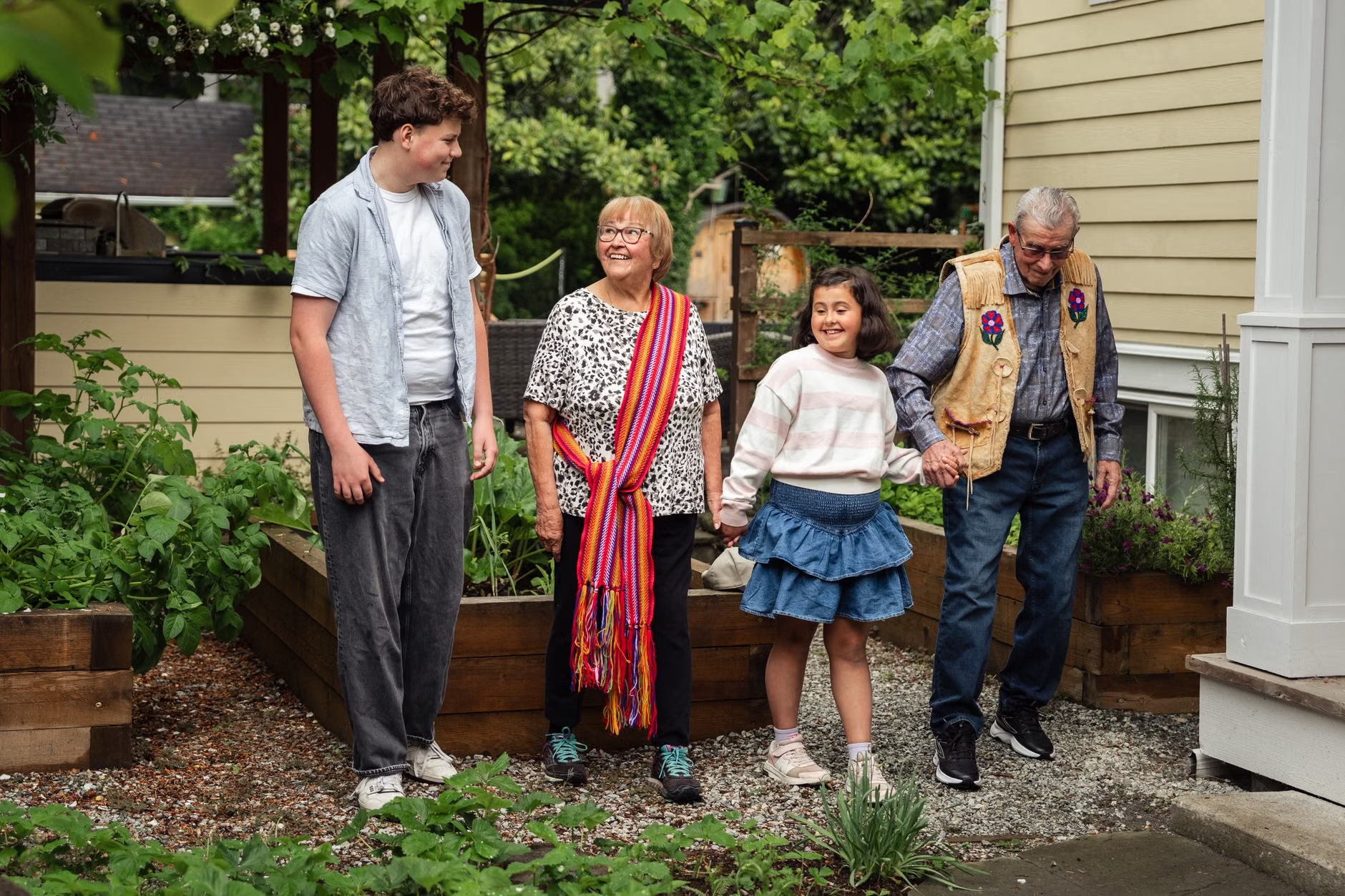
As we move through 2026, the traditional model of senior housing—often characterized by age-segregated facilities—is undergoing a significant transformation. Across the globe, governments and private developers are increasingly prioritizing intergenerational living models. These arrangements bring together older adults and younger generations, such as students or young families, to share space, resources, and social connections.
This shift is not merely a social trend; it is a calculated response to demographic aging, the loneliness epidemic, and the urgent need for more efficient use of urban housing stock. For adults aged 60 to 80, this represents a new set of choices that balance the desire for independence with the need for community support and safety.
The Evolution of Intergenerational Housing in 2026
In 2026, the definition of “intergenerational housing” has expanded beyond simple home-sharing. It now encompasses purpose-built co-housing communities, university-integrated housing, and municipal “age-in-place” clusters. The core objective is to create environments where residents benefit from mutual aid: seniors provide life experience and stability, while younger residents offer energy and assistance with digital or physical tasks.
Why does this matter now? Data from 2025 and early 2026 suggests that residents in intergenerational settings report higher levels of life satisfaction and lower rates of cognitive decline compared to those in age-segregated environments. However, the success of these models depends heavily on the structure of the agreement and the physical design of the property.

Key Models Currently in Practice
- University-Integrated Housing: Primarily seen in countries like the Netherlands and parts of Canada, where seniors live in university dorms or adjacent apartments, often with rent subsidies in exchange for mentorship.
- Co-housing Clusters: Private developments where individual units are combined with extensive shared facilities (kitchens, gardens, workshops). These are often managed by a residents’ association.
- Home-Sharing Programs: Managed by non-profits or municipal agencies, these match seniors who have spare bedrooms with young adults seeking affordable housing, usually involving a small service exchange (e.g., shopping or tech support).
Deciding whether a shared housing model is right for you requires a cold, hard look at your current lifestyle, financial goals, and social preferences. It is not just about the cost-saving; it is about the trade-offs in privacy and autonomy.
Common Mistake: Many seniors enter these agreements assuming they will receive professional care. It is vital to understand that most intergenerational models are social, not medical. They are designed for independent living, not for those who require daily nursing care or high levels of physical assistance. If your health needs exceed basic mobility and self-care, a standard intergenerational model may not be the appropriate choice.
| Criteria | Co-housing (Private) | University-Integrated (Public/Private) | Home-Sharing (Non-Profit) |
|---|---|---|---|
| Autonomy | High; you own/lease your unit. | Moderate; subject to university/facility rules. | High; but requires social compatibility. |
| Cost | Varies; initial buy-in can be high. | Often subsidized or fixed. | Low; usually rent-free or low-cost. |
| Social Expectation | Mandatory community participation. | Mentorship/interaction expected. | High focus on mutual help. |
If you are considering these options, start by evaluating your “Social Battery.” Are you comfortable with a younger person in your kitchen on a daily basis? If the answer is no, a co-housing complex with separate units but a shared garden is a better fit than a direct home-share program.
Infrastructure and Accessibility: What to Look For
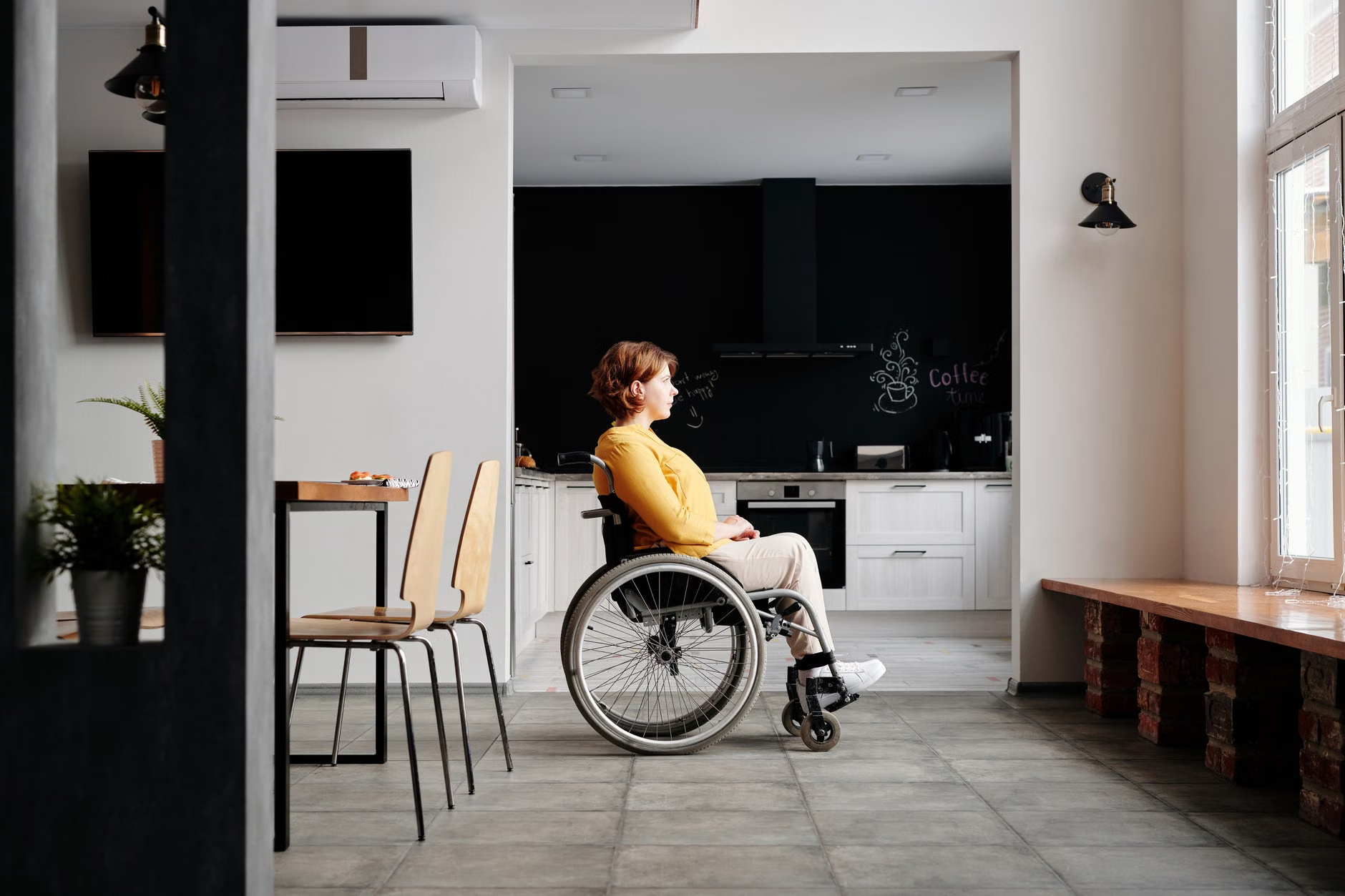
In 2026, building codes in many jurisdictions, particularly in the EU and parts of East Asia, have been updated to require “universal design” in new developments. However, older buildings retrofitted for intergenerational use often lag behind. When touring a potential facility, do not rely on marketing brochures. Use the following checklist to evaluate the physical space.
Physical Accessibility Checklist
- Thresholds and Transitions: Are there lips between rooms or on balconies that could pose a trip hazard?
- Vertical Access: Is there a lift, and if so, is it large enough to accommodate a mobility aid? What is the contingency plan if the lift breaks down?
- Lighting: Are common areas, especially stairs and corridors, equipped with motion-sensor lighting that is bright enough for aging eyes?
- Acoustics: Many modern, open-concept designs use hard materials (concrete, glass) that create significant echoes. This can be difficult for those with hearing aids. Look for soft furnishings or sound-dampening panels.
Legal and Financial Safeguards
When entering any shared housing arrangement, the legal framework is your primary protection. Never rely on verbal agreements. In 2026, many countries have introduced specific “Shared Living Contracts” that define the boundaries of the relationship.
Key Legal Considerations:
- Termination Clauses: Under what conditions can you or your housemate end the agreement? What is the notice period?
- Liability: Who is responsible if a guest of your housemate causes damage to your property? Ensure your homeowner’s or renter’s insurance covers roommate-related incidents.
- Dispute Resolution: Does the housing provider offer a mediation service? If you are doing a direct home-share, it is highly recommended to include a clause requiring third-party mediation before eviction or contract termination.
In jurisdictions like Germany, the Wohn-Pflege-Gemeinschaften (Living-Care Communities) model has become highly regulated, providing clear legal pathways for seniors to maintain rights even if they eventually need to bring in external care providers. If you are in a country with less developed regulations, consult a legal professional who specializes in real estate or elder law before signing anything.
The Role of Technology in Modern Housing
Digital public services are increasingly integrated into housing management in 2026. Many intergenerational communities now use dedicated apps for booking shared spaces, reporting maintenance issues, or even coordinating grocery deliveries. For the 60-80 age bracket, this is a double-edged sword.
While these tools increase efficiency, they can create a barrier to entry. If you are not tech-savvy, ask the facility manager if there is an analog alternative (a paper logbook, a physical suggestion box). If a community requires an app for basic functionality like unlocking doors or communicating with management, verify that they provide training or a dedicated support person to assist you.
Global Trends: Regional Differences
It is important to recognize that the “best” model depends on where you live. In Japan, for example, the government has aggressively promoted Kōreisha-muke jūtaku (housing for the elderly) that integrates childcare facilities. The proximity to children is seen as a vital health intervention. Conversely, in the United States, the focus remains largely on private-market “Active Adult” communities that are slowly incorporating more intergenerational programming to appeal to younger retirees.
If you are considering relocating, look into the specific municipal grants available. In several Canadian provinces, tax credits are now available for homeowners who renovate their properties to include secondary suites for intergenerational use. This can significantly offset the cost of necessary accessibility modifications.
The transition to a new living model is as much psychological as it is physical. If you are planning to move within the next 12 to 24 months, follow this phased approach:
- Assessment (Month 1-3): List your “non-negotiables” (e.g., proximity to a specific hospital, need for a private garden, noise tolerance).
- Research (Month 4-6): Visit three different types of housing. Do not just look at the units; visit the common areas during peak hours to see how the residents interact.
- Legal Review (Month 7-9): Once a target is identified, have a lawyer review the lease or ownership agreement, specifically focusing on exit clauses and shared cost responsibilities.
- Trial Period (Month 10+): If possible, negotiate a three-month trial period. This is often possible in home-sharing programs or university-integrated housing.
Final Insight: The most successful residents in intergenerational models are those who enter with a “community-first” mindset rather than a “service-first” mindset. If you view the younger generation as tenants, the relationship will likely fail. If you view them as neighbors with whom you share a common space, you are far more likely to build a sustainable and rewarding living arrangement.
Conclusion
The shift toward intergenerational housing in 2026 is a recognition that our living environments should reflect the diversity of our communities. For adults aged 60 to 80, this offers a pathway to remain active, engaged, and supported without retreating into the isolation of age-segregated facilities. By focusing on legal clarity, physical accessibility, and clear social expectations, you can navigate these new models to find a living situation that enhances your quality of life.
Always prioritize your long-term mobility and legal security. As global policies continue to evolve, stay informed about local municipal incentives that may make these transitions more affordable and accessible. Your home is not just a place to live; it is the foundation of your daily health and well-being.
Frequently Asked Questions
- Q: Are intergenerational housing models suitable for those with chronic health conditions?
A: Generally, no. Most intergenerational models are designed for independent living. They do not provide nursing care. If you have chronic conditions, ensure the facility is located near medical services and check if they allow for the integration of private, external home-care providers. - Q: How do I handle potential conflicts with younger roommates or neighbors?
A: The best approach is to establish a written “House Agreement” at the start. This should cover noise, guests, shared cleaning responsibilities, and a formal method for addressing grievances. If the facility is managed, ensure you know the designated person to contact for mediation. - Q: Are these housing models more expensive than traditional senior living?
A: It varies. Home-sharing is often significantly cheaper, while purpose-built co-housing can be expensive upfront due to property ownership costs. However, many university-integrated models offer rent subsidies, making them highly competitive compared to standard market rentals.
Sources and further reading: