- Prioritize Moisture-Wicking Fabrics: Natural fibers like cotton can become heavy and trap moisture in high humidity; synthetic blends designed for breathability are essential to prevent skin irritation and overheating.
- Strategic Pacing is Non-Negotiable: Humidity reduces the body’s ability to cool itself; plan activities for early morning or late afternoon and incorporate “thermal breaks” in air-conditioned spaces to maintain core body temperature.
- Proactive Hydration Management: Do not wait for thirst; carry electrolyte-balancing drinks to replace salts lost through perspiration, which is often harder to notice in humid environments.
Travel to coastal regions offers immense rewards, from the therapeutic sounds of the ocean to the unique biodiversity of marine environments. However, for travelers aged 60 to 80, the combination of high humidity and coastal topography presents specific challenges that require careful preparation. High humidity effectively lowers the threshold at which your body begins to feel heat stress, making it critical to manage your environment, clothing, and activity levels proactively.
The Physics of Humidity and Your Comfort
Humidity is essentially the amount of water vapor present in the air. When the humidity is high, the air is already saturated with moisture, which hinders the evaporation of sweat from your skin—the body’s primary cooling mechanism. For older adults, whose physiological cooling efficiency can naturally decrease, this creates a situation where you may feel significantly hotter than the ambient air temperature suggests.
Understanding this “Heat Index” is vital. You might look at a weather forecast and see 28°C (82°F), but if the humidity is 90%, the “feels-like” temperature can easily climb to 35°C (95°F) or higher. This discrepancy is where many travelers encounter exhaustion or heat-related discomfort. Your goal is to maximize air circulation around your skin and maintain stable internal hydration levels.
Selecting the Right Fabric Technology
The most common mistake is relying on heavy cotton clothing. While natural, cotton absorbs moisture and stays wet, becoming heavy and clinging to the skin, which can lead to chafing and rapid heat retention. Instead, look for “technical” fabrics often used in hiking or athletic apparel.
- Moisture-Wicking Synthetics: Polyester or nylon blends are engineered to pull moisture away from the skin to the exterior of the fabric, where it evaporates quickly.
- Loose Fits: Tight clothing prevents air circulation. Choose silhouettes that allow air to move between the fabric and your skin.
- Light Colors: Reflecting solar radiation is as important as breathability. Light-colored fabrics will keep you cooler when moving between shaded areas.
Packing Strategy: The “Three-Layer” Coastal Rule
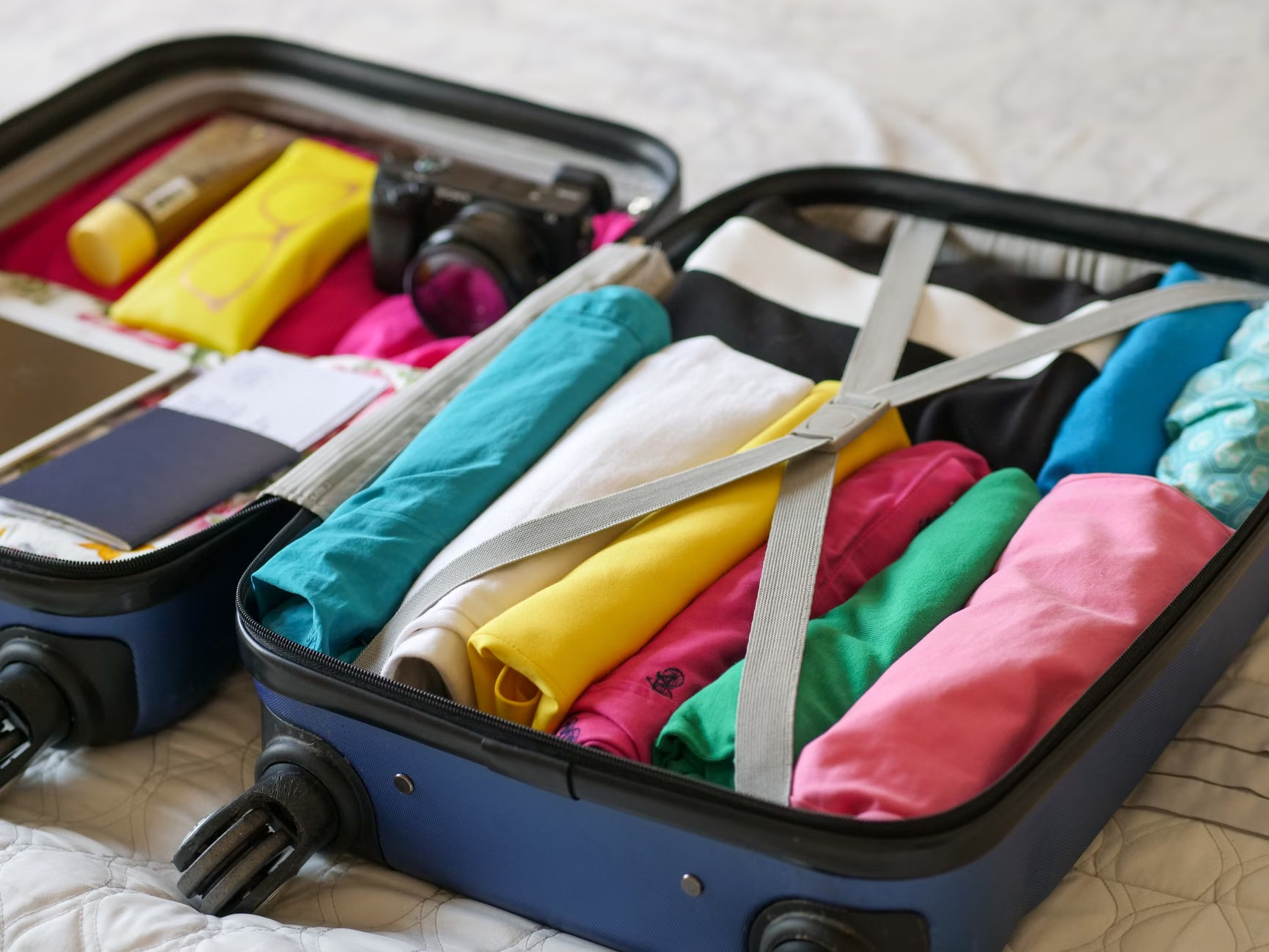
When packing for a humid coastal environment, your goal is to minimize the weight you carry while maximizing your ability to adapt to changing conditions. Humidity often brings sudden, brief rain showers, and coastal winds can fluctuate, creating localized cool spots even in hot weather.
| Layer Type | Function | Recommendation |
|---|---|---|
| Base Layer | Moisture control | Synthetic, anti-microbial t-shirt |
| Mid-Layer | Sun protection | Lightweight, UV-rated button-down shirt |
| Outer Layer | Weather protection | Breathable, water-resistant shell |
The “Three-Layer” rule ensures that you can shed or add items as you move from the intense mid-day sun to air-conditioned cafes or breezy coastal boardwalks. A lightweight shell is particularly important; ensure it has “pit zips” or mesh vents, as a standard plastic rain poncho will trap heat and create a sauna effect against your body.
Footwear for Coastal Mobility
Coastal environments are rarely flat. You will encounter sand, uneven boardwalks, cobblestone streets, and slippery surfaces. Humidity also increases the risk of foot swelling and fungal issues if feet remain damp.
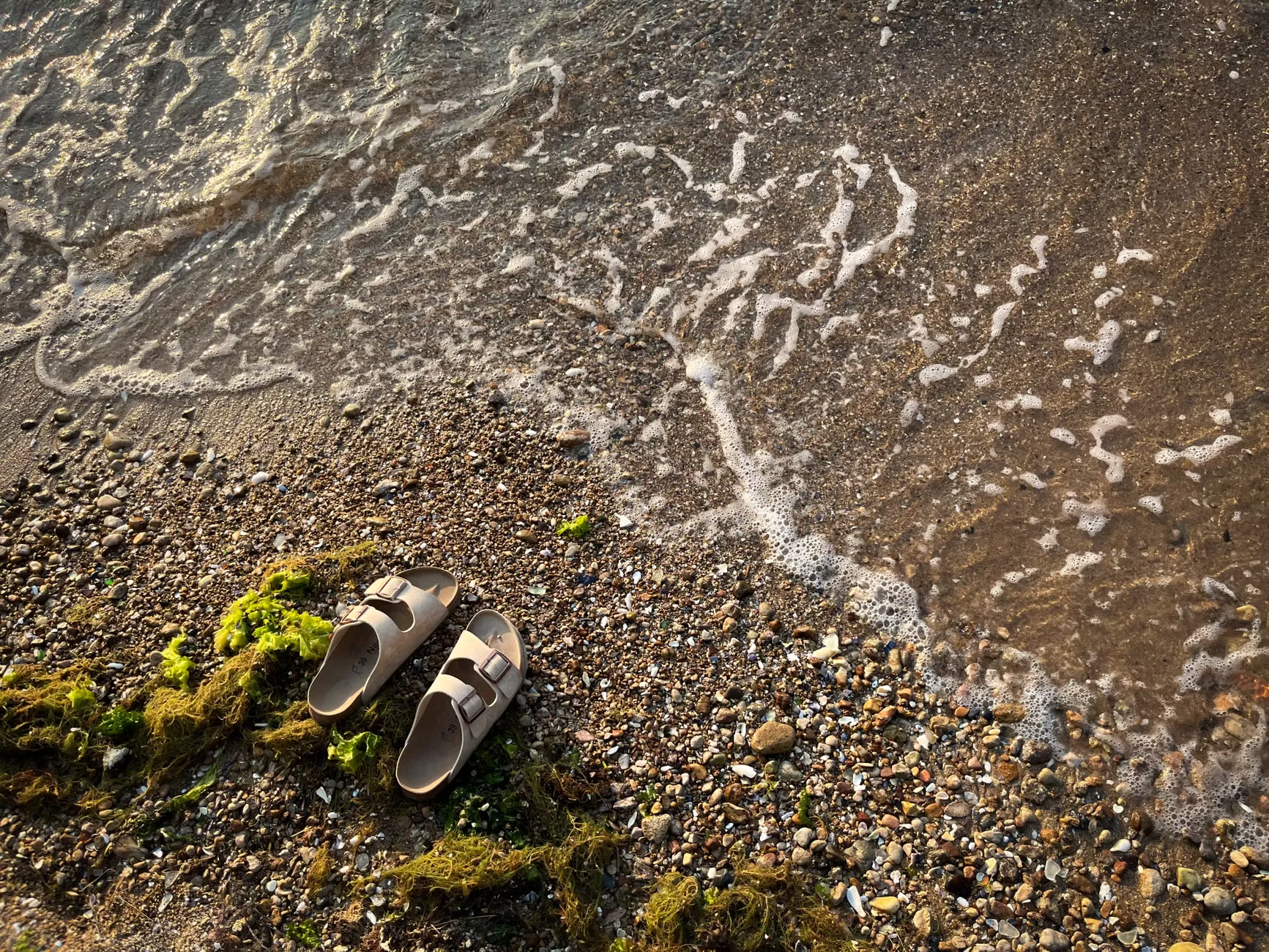
Look for “Open-Closed” hybrids: Many modern walking sandals provide the arch support and heel stability of a closed shoe with the breathability of a sandal. Ensure your footwear has a non-slip rubber sole—specifically rated for wet surfaces. Avoid flat, unsupportive flip-flops for long days of exploration, as they can cause strain on the plantar fascia, which is already prone to inflammation in older adults.
If you prefer closed shoes, prioritize mesh uppers. These allow for continuous airflow. Pair these with moisture-wicking socks made of merino wool or synthetic blends. Never wear 100% cotton socks in a humid climate, as they will stay wet all day, significantly increasing the risk of blisters.
Managing Stamina and Thermal Stress
In high humidity, your heart works harder to pump blood to the skin to cool you down. This places an increased demand on your cardiovascular system. To maintain your stamina, you must shift your perspective from “sightseeing” to “rhythmic exploration.”
The 90-Minute Rule
Plan your day in 90-minute blocks. After 90 minutes of activity, regardless of how you feel, find a place to sit for 15–20 minutes in a climate-controlled or heavily shaded area. This allows your core temperature to reset. If you are in a city, use public libraries, museums, or upscale cafes as your “thermal sanctuary.”
Hydration Beyond Water
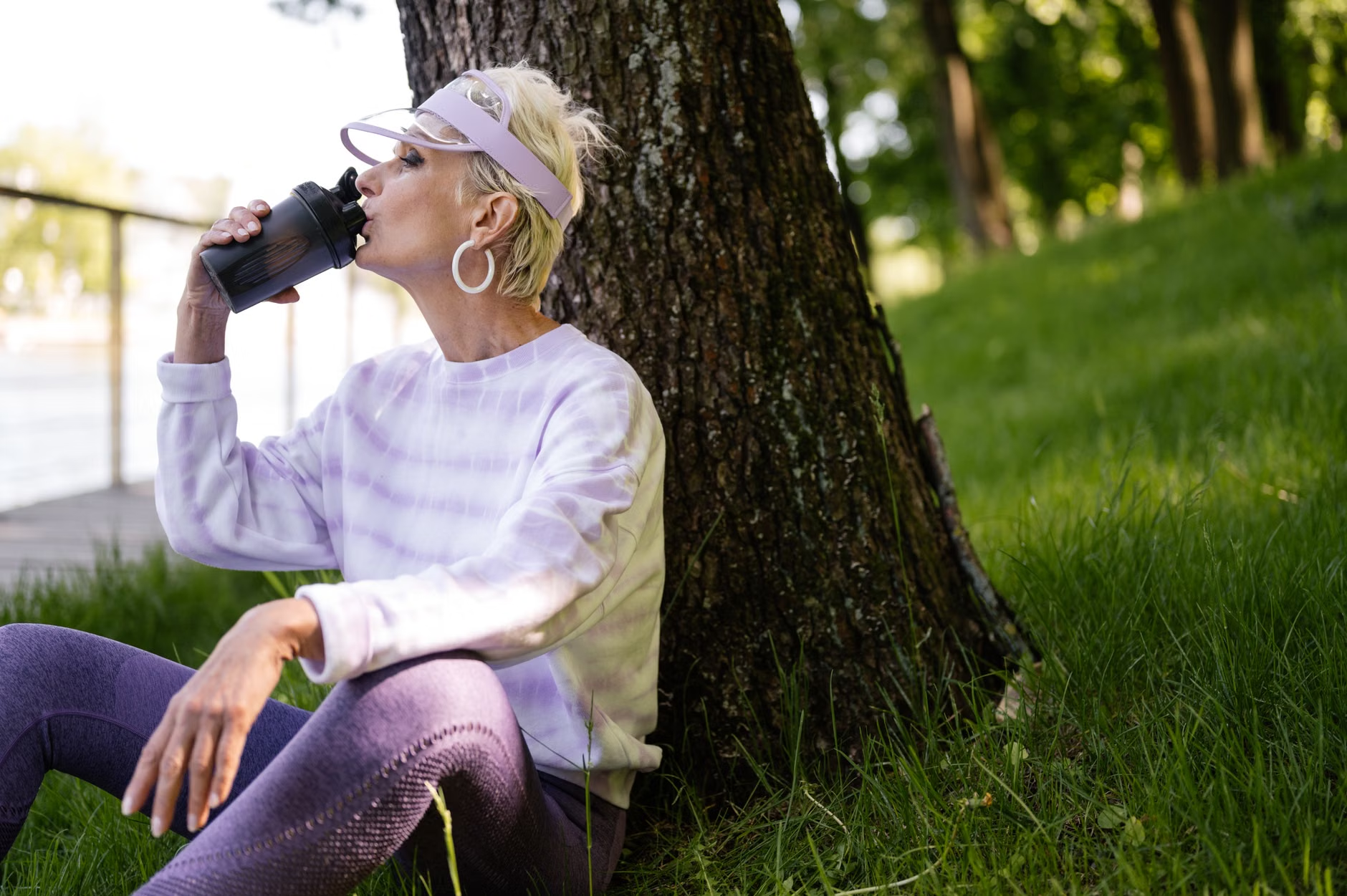
When you sweat, you lose more than just water; you lose electrolytes like sodium and potassium. Drinking plain water in large quantities without replacing these minerals can lead to a state known as hyponatremia, where the electrolyte balance in your blood is diluted. Carry electrolyte tablets or powder packets that can be added to your water bottle. Aim for a drink that contains roughly 200–300mg of sodium per 500ml of water.
Coastal infrastructure is often older and may not always comply with modern universal accessibility standards. Before booking, check the specific accessibility features of your destination. If you are using a mobility aid, such as a cane or walker, look for “beach wheelchairs” or “all-terrain mobility devices” which are becoming increasingly common in popular coastal resorts.
Pro-Tip: Use satellite view on digital map services to inspect the terrain. Look for the presence of continuous sidewalks or ramps. If you see a lot of stairs without visible elevator access in the photos, consider an alternative route or a different part of the town. Many coastal towns offer “tourist trolleys” or shuttle services that can bypass steep inclines, which are common in hilly coastal areas.
Health Preparation and Professional Care
Before leaving for a humid climate, review your current medication list. Some medications—particularly those for blood pressure (diuretics) and certain antidepressants—can affect your body’s ability to regulate heat or increase your sensitivity to the sun. Consult your healthcare provider about your travel plans. They may advise you on temporary adjustments to your medication timing or provide guidance on warning signs of heat exhaustion specific to your health history.
Warning Signs to Monitor
It is essential to distinguish between simple fatigue and heat-related illness. Be alert for the following:
- Heat Exhaustion: Heavy sweating, rapid pulse, dizziness, fatigue, nausea, and cool, clammy skin. Action: Stop activity, move to a cool place, drink electrolyte-rich fluids, and use wet cloths to cool the body.
- Heat Stroke: A medical emergency. Symptoms include a high body temperature (above 39.4°C or 103°F), confusion, loss of consciousness, or skin that has stopped sweating and feels hot and dry. Action: Seek emergency medical services immediately.
Always carry a physical list of your medications, allergies, and emergency contacts in your bag. If you are traveling internationally, ensure that you have travel insurance that specifically covers “evacuation” and “pre-existing conditions” if applicable. Official resources like the CDC Travelers’ Health website provide excellent, country-specific advice on health risks and local medical services.
Planning for Success: A Sample Daily Schedule
A successful day in a humid coastal environment is defined by balance. Here is a template for an effective, low-stress day:
| Time | Activity | Reasoning |
|---|---|---|
| 07:00 – 10:00 | Outdoor Exploration | Lowest heat index and humidity. |
| 10:00 – 14:00 | Indoor Cultural/Rest | Avoid peak solar radiation. |
| 14:00 – 16:00 | Nap or Quiet Time | Recovery phase for stamina. |
| 17:00 onwards | Evening Promenade | Cooler temperatures and social atmosphere. |
Unexpected Trade-offs: Humidity and Technology
One overlooked variable in humid coastal travel is the impact on your digital devices. High humidity can cause condensation inside camera lenses or electronics if you move rapidly from an air-conditioned room to the humid outdoors. To prevent this, keep your electronics in a sealed bag when transitioning between environments, or allow them to acclimate gradually.
Additionally, coastal air is often salty. If you are bringing expensive hearing aids or medical equipment, ensure they are stored in moisture-proof cases when not in use. Salt air is corrosive and can damage sensitive electronics over time. Wipe down your devices daily with a lint-free cloth designed for electronics to remove salt deposits.
Conclusion
Traveling to humid coastal regions is not about limiting your experience; it is about adjusting your approach to ensure that your energy remains high and your health remains protected. By prioritizing moisture-wicking layers, respecting the 90-minute pacing rule, and being proactive about electrolyte intake, you can comfortably enjoy the coastal beauty that makes these destinations so special. Remember that travel is meant to be a restorative experience—take the time to sit, breathe, and enjoy the environment at a pace that feels right for you.
Frequently Asked Questions (FAQ)
1. How can I tell if my hotel room is truly climate-controlled?
Many hotels in coastal regions use “energy-saver” systems that turn off the air conditioning when you leave the room. If you need a consistent environment for health reasons, contact the hotel in advance to request a room where the climate control remains active, or ask for a room that does not rely on motion-sensor-based power. You can also carry a small portable thermometer to verify the indoor temperature.
2. Are there specific supplements I should take to handle the heat?
There is no “miracle supplement” for heat tolerance. Focus on maintaining a balanced diet with adequate potassium (found in bananas, oranges, and potatoes) and magnesium. Always discuss any new supplement use with your doctor, especially if you are on blood-pressure or heart medication, as these can interact with electrolyte levels.
3. What is the best way to handle sudden rain in a humid environment?
Coastal rain is often brief but intense. Carry a lightweight, breathable shell rather than a heavy coat. If you are caught in a downpour, seek immediate shelter under an awning or in a shop. Do not rush, as wet coastal surfaces can be extremely slippery. Once the rain stops, the humidity will spike; use this time to find a breeze or an indoor space to dry off.