- Consistency over Intensity: Gentle, daily seated stretches are more effective for maintaining ankle range of motion than infrequent, high-intensity workouts.
- Ankle Mobility is Gait Insurance: Proper dorsiflexion—the ability to pull your toes toward your shin—is the primary defense against tripping and uneven gait.
- Safety First: Always perform these stretches on a stable, non-slip surface and stop immediately if you experience sharp pain or localized cramping.
The Vital Link Between Calf Flexibility and Gait Stability
For adults aged 60 to 80, the ability to walk with confidence—often referred to as gait stability—is one of the most significant indicators of long-term independence. While many prioritize aerobic fitness or strength training, the humble calf muscle (the gastrocnemius and soleus) often goes overlooked. These muscles are responsible for the “push-off” phase of your stride and, equally importantly, for allowing your foot to clear the ground during the “swing” phase.
As we age, connective tissues naturally lose some elasticity. If the calf muscles become tight, it limits the ankle’s ability to flex upward, a movement known as dorsiflexion. When your ankle cannot flex sufficiently, you are more likely to drag your toes, increasing the risk of catching them on carpets, door thresholds, or uneven pavement. This guide focuses on seated calf stretches, which provide a low-risk, high-reward method to maintain this critical range of motion without the balance challenges associated with standing stretches.
Understanding the Mechanics: Why Seated Stretches Work
The beauty of the seated approach is that it removes the secondary burden of balance. When you stretch while standing, your brain must manage your center of gravity, which can cause tension in other areas of the body and limit the depth of the stretch. By sitting, you isolate the lower leg muscles, allowing you to achieve a deeper, more controlled stretch.
The Anatomy of a Stable Stride
To understand why this matters, consider the gait cycle. A standard step involves two primary actions from the ankle:
- The Swing Phase: As your leg moves forward, your foot must lift upward. If your calf is tight, your foot stays pointed downward, making it harder to clear the ground.
- The Stance Phase: As your heel strikes the ground, your ankle must flex to absorb the impact and transition weight smoothly.
When these movements are restricted, your body compensates. You might begin to swing your leg outward (circumduction) or lift your knee higher than necessary (steppage gait). These compensations increase energy expenditure and fatigue, leading to a higher risk of stumbling as the day progresses.
Step-by-Step: Executing the Seated Calf Stretch
Before beginning, ensure you are in a chair that does not roll or slide. A dining chair or a sturdy armchair is ideal. Avoid sofas or deep, cushioned chairs that cause you to sink, as you need a firm base to maintain good posture.
| Step | Action | Key Focus |
|---|---|---|
| 1. Positioning | Sit at the edge of the chair, back straight, feet flat on the floor. | Stability and spinal alignment. |
| 2. Extension | Extend one leg forward, keeping the heel on the floor. | Keep the knee slightly soft, not locked. |
| 3. Engagement | Gently pull your toes toward your shin. | Feel the stretch in the back of the lower leg. |
| 4. Hold | Maintain for 20–30 seconds. | Breathe deeply; do not bounce. |
Common Mistake: Many people lock their knees during this stretch. Locking the knee can cause hyperextension, putting unnecessary pressure on the joint. Always keep a “micro-bend” in the knee to ensure the focus remains on the muscle, not the joint structure.
Advanced Variations: Using Tools for Better Results
If you find that your range of motion is limited, or if you want to increase the intensity of your stretch, you can incorporate simple tools found in most homes. The most effective tool is a resistance band, a long towel, or a bathrobe belt.
The Resistance Band Technique
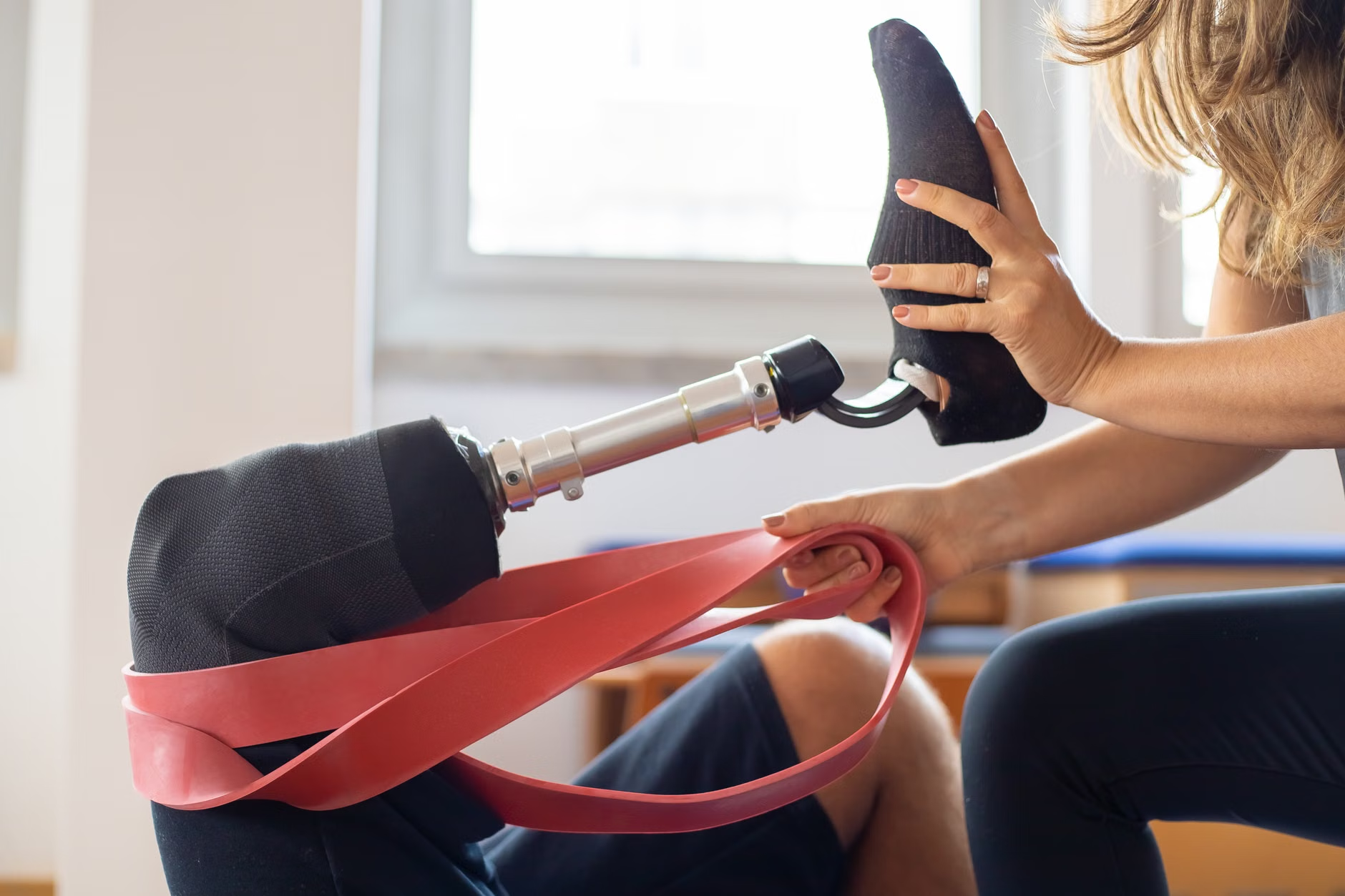
Looping a band or towel around the ball of your foot allows you to pull your toes back with greater leverage than you could achieve with your own muscles alone. This is particularly helpful for individuals who have difficulty reaching their feet due to back or hip stiffness.
- Sit comfortably and extend your leg.
- Place the center of the strap across the ball of your foot (just below the toes).
- Hold the ends of the strap in your hands.
- Gently pull the strap toward you while keeping your heel firmly planted on the ground.
This technique is superior to manual pulling because it allows you to keep your spine neutral and your shoulders relaxed. When you reach forward with your hands to pull your toes, you often round your back, which can trigger lower back discomfort. Using a strap keeps your posture upright and your spine protected.
Integrating Stretches into Your Daily Routine
The most common reason people fail to see results from stretching is inconsistency. Stretching is not a one-time “fix”; it is a maintenance habit. To make this a permanent part of your life, link it to an existing habit.
The “Coffee Break” Protocol
Many adults spend significant time sitting while waiting for a kettle to boil or during a morning coffee break. Use this time as a “trigger.” If you drink coffee or tea twice a day, that is your window to perform two sets of stretches per leg. By associating the stretch with a daily ritual, you remove the need to “remember” to exercise.
Monitoring Progress
Keep a simple log for one week. Note how your ankles feel when you first get out of bed in the morning versus after you have performed your stretches. If you notice persistent tightness, consider consulting a physical therapist. A professional can assess whether your tightness is muscular or if it involves joint capsule restrictions that might require a specific, personalized program.
When to Seek Professional Guidance
While seated calf stretches are generally safe, they are not a replacement for clinical treatment if you are experiencing specific issues. You should consult a healthcare provider or a licensed physical therapist if you notice the following:
- Persistent Sharp Pain: Stretching should feel like a mild tension or discomfort, never sharp or electric pain.
- Swelling: If your lower legs or ankles are consistently swollen, this may indicate underlying circulation or heart health issues that require medical evaluation before beginning an exercise program.
- Numbness or Tingling: These sensations can be signs of nerve compression in the back or leg, which may be exacerbated by certain positions.
When you visit a professional, bring a list of your current medications and a brief log of when you feel the most stiffness. This helps the professional distinguish between age-related changes and conditions that may require specific intervention.
The Hidden Variables: Footwear and Surface
A frequently overlooked factor in gait stability is the environment in which you perform your daily activities. Even if your calf muscles are flexible, wearing shoes with poor arch support or walking on slippery surfaces can negate the benefits of your stretching routine.
Decision Criteria for Footwear: When choosing indoor footwear, prioritize shoes with a non-slip sole and a firm heel counter. Avoid “slip-on” style slippers that lack a back, as these force your toes to “claw” the floor to keep the shoe on. This clawing action tightens the very muscles you are trying to stretch.
Surface Impact: If you perform your stretches on a carpeted floor, your heel may sink, which can reduce the effectiveness of the stretch. If possible, perform your stretches on a hard floor. If you must use a carpet, place a small, flat board or a firm yoga mat underneath your feet to create a stable, flat surface.
Addressing Common Misconceptions
There is a persistent myth that stretching “warms up” the muscles. In reality, stretching cold muscles can sometimes be less effective and potentially risky. It is generally better to perform these stretches after you have been moving around for a few minutes. If you are doing these first thing in the morning, consider doing a few minutes of “marching in place” while seated before starting your calf stretches to get the blood flowing.
Another common misconception is that “more is better.” Holding a stretch for five minutes will not yield five times the benefit of a 30-second hold. The body’s nervous system has a protective mechanism called the “stretch reflex.” If you stretch too aggressively, the muscle will actually contract to protect itself from being torn. Gentle, sustained tension is the key to signaling the muscle to relax and lengthen.
Planning for Travel and Mobility
For those who travel, maintaining a routine can be challenging. However, the seated calf stretch is one of the most travel-friendly exercises available. Whether you are on a long flight, a train journey, or waiting in an airport lounge, you can perform these stretches discreetly.
When traveling, prioritize “movement snacks.” Instead of sitting for three hours straight, perform one minute of calf stretches every 45 minutes. This helps prevent the pooling of blood in the lower legs and keeps the joints lubricated. If you are in a cramped airplane seat, you can perform a modified version by simply lifting your heels while keeping your toes on the floor, then lifting your toes while keeping your heels on the floor. This active range-of-motion work is an excellent supplement to your static stretches.
Conclusion: The Path to Long-Term Stability
Maintaining gait stability is an active process. By incorporating seated calf stretches into your daily routine, you are taking a proactive step toward preserving your mobility and reducing your risk of falls. Remember that the goal is not to achieve the flexibility of an athlete, but to ensure that your body can handle the demands of daily life—walking to the store, navigating your home, and traveling with confidence.
Start today by identifying the chair you will use and the time of day you will perform your stretches. Consistency is your greatest asset. By dedicating just a few minutes each day to this simple practice, you are investing in your future independence and safety.
Frequently Asked Questions
1. How many times a day should I perform these stretches?
For most individuals, performing the stretches 2 to 3 times per day—such as in the morning, after lunch, and before bed—is highly effective. The key is consistency rather than doing a large volume all at once.
2. Can I do these stretches if I have arthritis in my ankles?
Arthritis can make joint movement uncomfortable. If you have a diagnosis of arthritis, speak with your doctor or a physical therapist. They can suggest specific modifications to ensure you are stretching the muscle without aggravating the joint.
3. How long will it take to see an improvement in my gait?
Most people notice a difference in the “heaviness” of their legs and a smoother stride within 2 to 4 weeks of consistent daily practice. Remember that improvements in flexibility are gradual and cumulative.
Disclaimer: This article is for informational purposes only and does not constitute medical advice. Always consult with a healthcare professional before starting any new exercise program, especially if you have existing health conditions or mobility concerns.