- Prioritize Infrastructure: Choose resorts that provide “barrier-free” certifications or detailed accessibility floor plans, specifically looking for ramp access to pools and non-slip flooring.
- Health-First Planning: Always consult your primary physician before visiting high-temperature thermal springs, especially if you have cardiovascular conditions or are taking blood pressure medication.
- The 30-Minute Rule: For safe thermal bathing, limit individual sessions to 15–20 minutes, followed by a 10-minute rest period to prevent overheating and blood pressure fluctuations.
Introduction: Why Accessibility Matters in Thermal Tourism
For many travelers aged 60 to 80, the appeal of hot springs lies in the promise of relaxation, improved circulation, and relief from joint stiffness. However, the unique environment of a thermal spa—characterized by wet surfaces, high temperatures, and sometimes remote locations—presents specific challenges. Successful travel in this demographic requires moving beyond aesthetic appeal to analyze the technical accessibility of a destination.
This guide provides a systematic approach to selecting hot-spring destinations that prioritize your mobility, safety, and overall comfort. We will explore how to vet a facility, manage the physiological impacts of thermal water, and plan an itinerary that respects your stamina.
Criteria for Assessing Accessible Hot-Spring Facilities
Not all “wellness resorts” are created equal. When researching a destination, you must look for specific structural and operational features that accommodate varying levels of mobility. Use the following criteria as a checklist during your research phase.
1. Entry and Egress Safety
The transition from a dry area to a wet, thermal pool is the most common site for slips and falls. Look for facilities that offer:
- Zero-entry pools: Pools that allow you to walk in gradually via a shallow ramp rather than using vertical ladders.
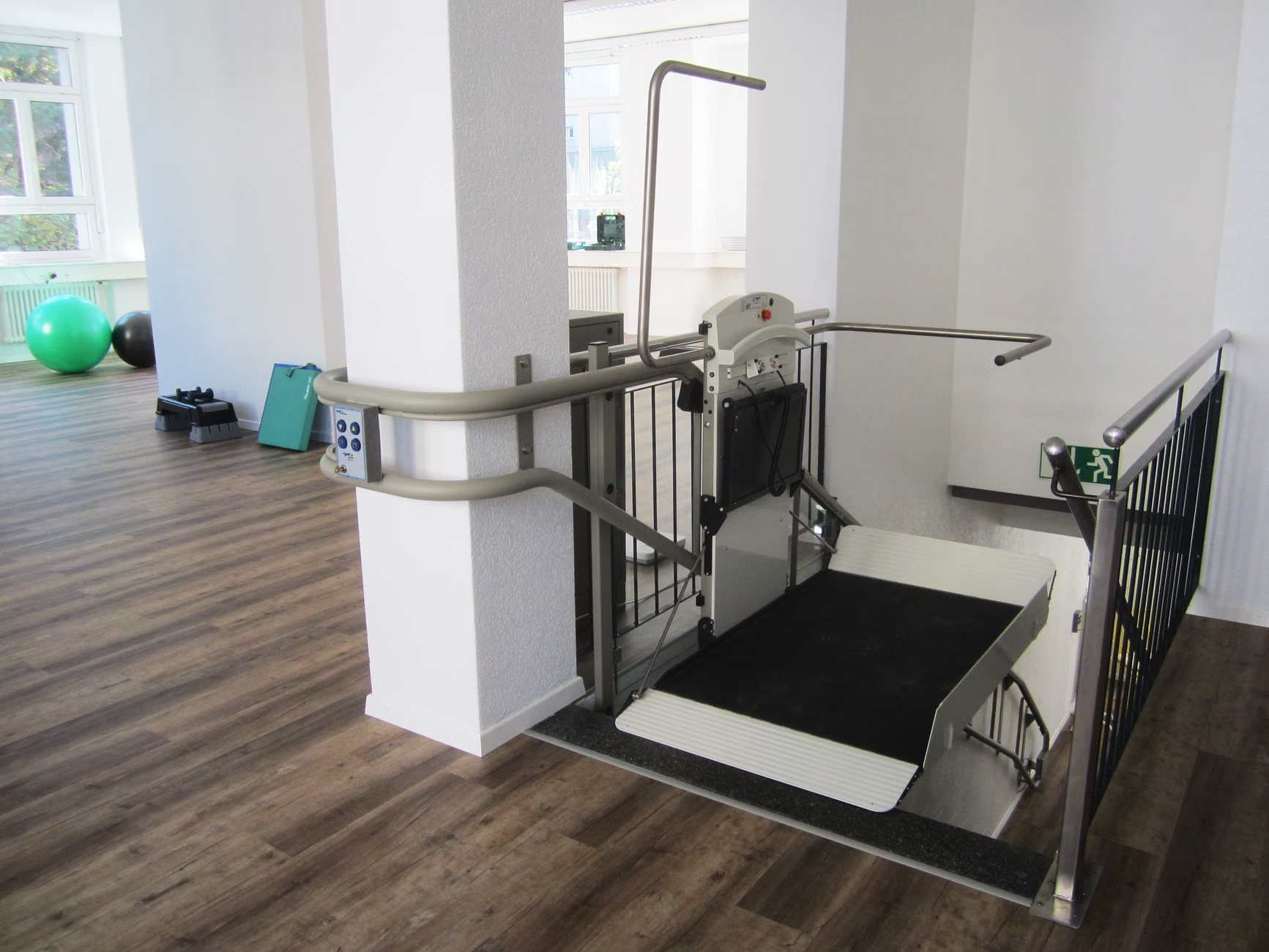
- Hydraulic lifts: Essential for travelers with limited mobility or those who use assistive devices.
- Sturdy handrails: These should be present not just at the pool edge, but throughout the changing areas and showers.
2. Surface Material and Drainage
Look for materials that are explicitly labeled as “slip-resistant” or “non-slip.” In many regions, such as the European Union or Japan, public facilities are often rated for their slip resistance (R-rating). A rating of R11 or higher is generally recommended for wet areas in public facilities.
3. Proximity and Logistics
Consider the distance from your accommodation to the water. A “resort” that requires a 10-minute walk through uneven terrain or gravel paths is not suitable for those with limited endurance. Prioritize facilities where the thermal area is integrated into the main building or connected by climate-controlled, level corridors.
Managing Health Risks: A Proactive Approach
Thermal bathing is a physiological intervention. The heat causes vasodilation (widening of blood vessels), which can lead to a drop in blood pressure. For older adults, this can cause dizziness or lightheadedness.
Understanding Your Personal Limits
Before booking, review your current health profile against the following table. If you answer “Yes” to any of the categories, your travel plan must include a conversation with your healthcare provider.
| Condition Category | Safety Consideration | Action Required |
|---|---|---|
| Cardiovascular Issues | Risk of heart rate acceleration | Doctor clearance required |
| Blood Pressure Medication | Risk of fainting due to vasodilation | Timing of medication dose adjustment |
| Peripheral Neuropathy | Reduced sensation to heat | Use a digital thermometer to check water |
The table above serves as a decision framework. If you are taking antihypertensive medications, the combination of heat and medication can cause a sharper drop in blood pressure than expected. Always stay hydrated. Dehydration can exacerbate the effects of heat, making it harder for your body to regulate its internal temperature.

Crafting a Senior-Friendly Itinerary: The “Two-Activity” Rule
A common mistake in travel planning is over-scheduling. For a rejuvenating hot-spring trip, your itinerary should prioritize recovery time. We recommend the “Two-Activity” rule: limit yourself to one primary morning activity and one secondary afternoon activity, with at least two hours of rest in between.
Sample Mobility-Based Itinerary
- 09:00 AM: Gentle morning soak (15 minutes).
- 10:00 AM: Light breakfast or hydration break.
- 11:00 AM: Low-impact activity (e.g., botanical garden tour on flat, paved paths).
- 01:00 PM: Lunch near the resort.
- 03:00 PM: Afternoon rest or light reading.
- 05:00 PM: Optional short soak or hotel spa session.
Accessibility laws vary significantly by region. In the United States, the Americans with Disabilities Act (ADA) sets strict requirements for pool lifts. In the European Union, the European Accessibility Act is gradually standardizing requirements across member states. When traveling internationally, do not assume universal compliance.
Pro-tip: When emailing a hotel or resort, ask specifically for “photos of the pool entry mechanism” and “the distance in meters from the guest room to the nearest thermal pool.” If they cannot provide this, it is a warning sign that the facility may not be prepared for guests with specific mobility needs.
Common Mistakes and How to Avoid Them
The most frequent error is assuming that “luxury” equals “accessible.” A five-star resort may have stunning architecture that relies on stairs, sunken seating, and heavy doors, making it highly inaccessible. Always prioritize “functional accessibility” over “aesthetic luxury.”
Another overlooked variable is the ambient humidity. Resorts with high humidity can affect breathing for those with respiratory conditions. If you have concerns, look for facilities that offer well-ventilated, semi-outdoor options where fresh air circulation is constant, even in colder climates.
Conclusion: Prioritizing Your Wellbeing
Selecting a hot-spring destination is an investment in your physical and mental health. By focusing on structural accessibility, respecting your body’s physiological responses to heat, and planning a balanced itinerary, you can ensure that your travel experience is both restorative and safe. Remember that the best destination is not the one with the most famous pools, but the one that allows you to move with confidence and comfort.
Frequently Asked Questions
1. How can I verify if a hot spring is truly accessible?
Beyond looking at website photos, call the front desk and ask specific, objective questions: “Is there a ramp or a lift into the water?” and “Are the paths from the room to the pool flat and paved?” If they are unsure, request to speak with the facility manager.
2. Is it safe to use a hot spring if I have high blood pressure?
This depends on your specific health status and medication. High heat can cause blood vessels to expand, which might lower your blood pressure suddenly. Consult your physician to discuss whether your current medications allow for exposure to high-temperature environments.
3. What should I pack for an accessible hot spring trip?
In addition to standard travel items, include non-slip water shoes with good grip, a digital wrist-watch to track your soak time, a reusable water bottle to maintain hydration, and a list of your current medications in case of an emergency.