By 2026, the transition from physical paper tickets and magnetic-stripe cards to fully digital, contactless public transport systems has become the global standard in major urban centers. For older adults, this shift offers significant benefits in terms of convenience and hygiene, but it also requires a new approach to managing transit access. Understanding these changes is essential for maintaining independence and mobility in your daily life and travels.
- Contactless is the new default: Most transport authorities now prioritize “Tap-to-Pay” systems using bank cards or mobile wallets, eliminating the need to wait in queues for paper tickets.
- Digital Accessibility Matters: Many cities now offer dedicated senior digital accounts that automatically apply fare discounts without requiring annual renewals or physical documents.
- Preparation is the Best Strategy: Always carry a backup payment method and ensure your device is charged, as fully digital systems offer limited “offline” alternatives.
The Shift to Digital Ticketing: What It Means for Your Daily Commute
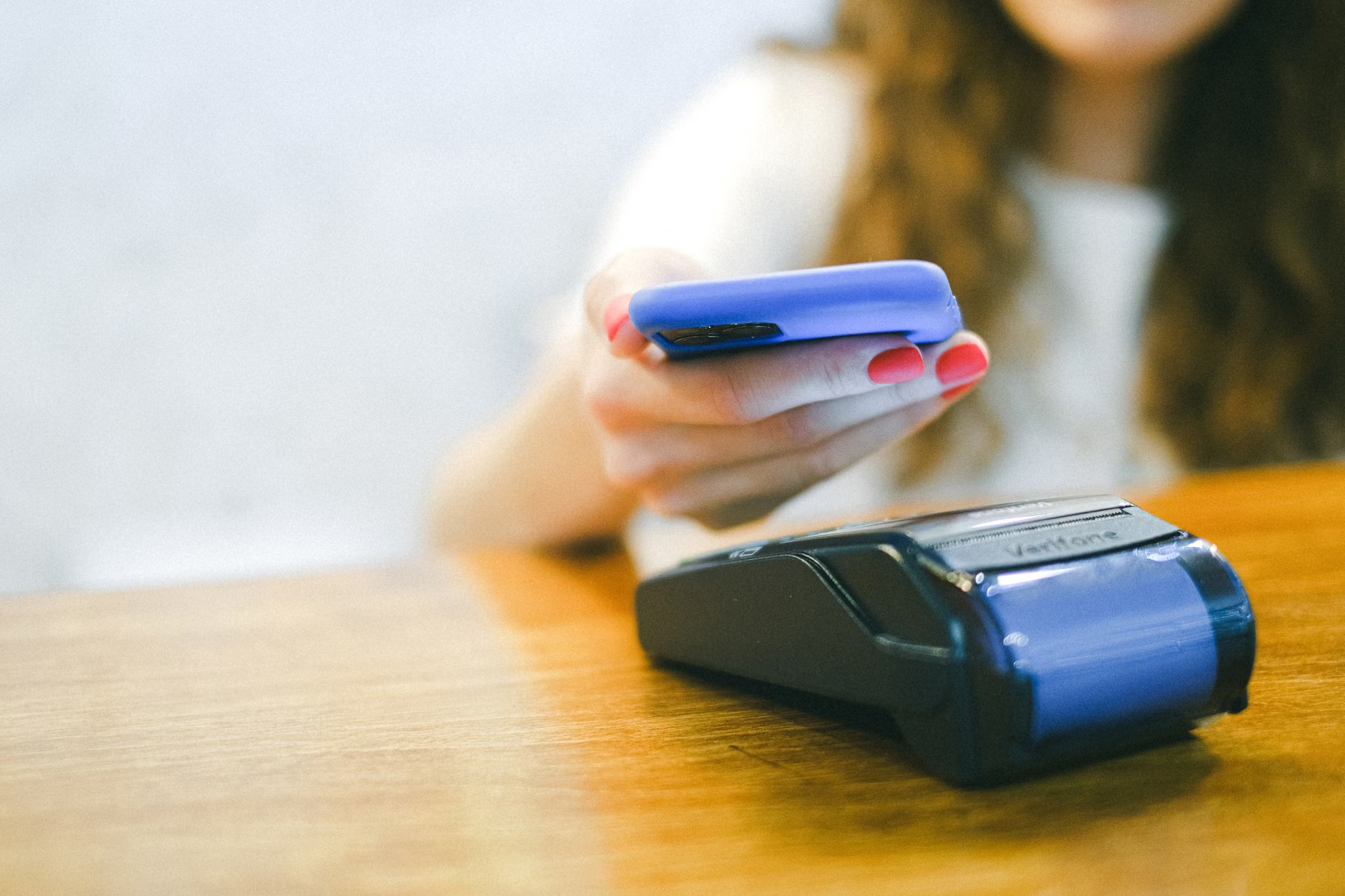
The core of the 2026 transport infrastructure is the “Account-Based Ticketing” (ABT) system. Unlike older systems where the ticket was stored on a physical card, ABT links your travel data to an account in the cloud. When you tap your card or phone, the system calculates the fare and deducts it from your linked payment method.
For the traveler, this means you no longer need to worry about “topping up” a specific transit card. If you use a contactless bank card or a mobile wallet (like Apple Pay or Google Wallet), the transit system simply charges your bank account directly. This reduces the risk of losing a specialized transit card with a high stored balance.
Why This Matters for Mobility and Ease
In previous years, seniors often faced the inconvenience of visiting physical ticket offices to renew annual senior passes or to purchase specific fare zones. By 2026, most municipalities have migrated these services to mobile apps or web portals. This change removes the physical barrier of traveling to a station just to manage your account. However, it does place a premium on basic digital confidence. If you prefer not to use a smartphone, most systems still permit the use of a standard contactless credit or debit card, which functions exactly like a digital transit pass.
Comparing Payment Methods: Which is Right for You?
Choosing the right payment method depends on your comfort with technology, your frequency of travel, and whether you are eligible for age-based fare concessions.
| Payment Method | Best For | Accessibility/Notes |
|---|---|---|
| Contactless Bank Card | Occasional travelers and those who prefer not to use apps. | Requires no setup, but may not automatically apply senior discounts. |
| Mobile Wallets | Frequent travelers who carry smartphones. | Highly secure; allows for instant tracking of travel history and costs. |
| Dedicated Transit App | Regular commuters needing senior-specific fare subsidies. | Often requires a one-time identity verification process. |
Practical Insight: While bank cards are the most convenient, they often charge the standard adult fare. If your local transit authority offers a senior discount, you must ensure your account is registered. In many jurisdictions, this involves linking your national ID or senior card to the transit app once. Once linked, the system recognizes your status automatically at every tap.

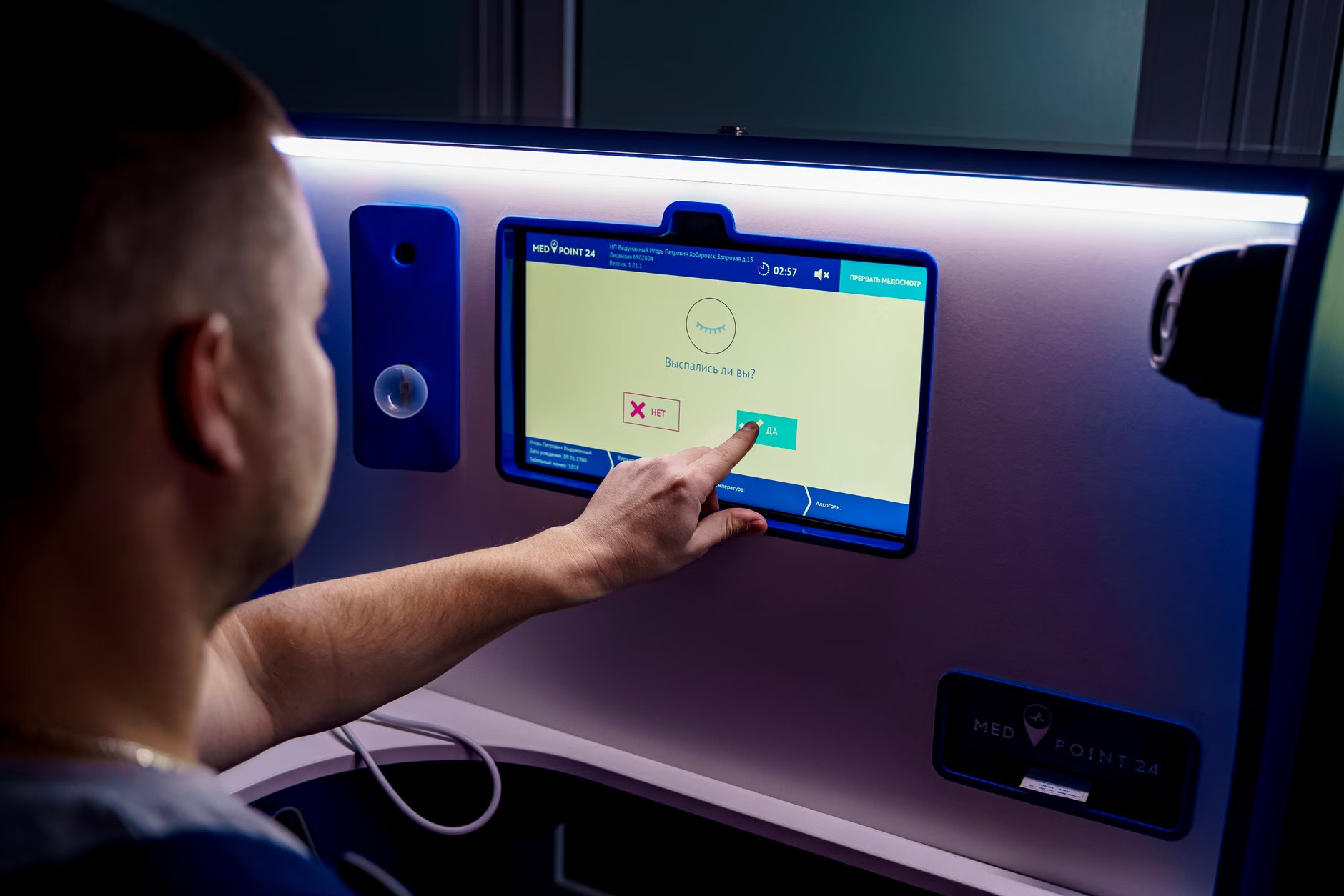
One of the most common concerns for seniors in 2026 is the perceived difficulty of managing digital interfaces. It is important to remember that these systems are designed for high-volume, rapid use. If you encounter a problem—such as a gate failing to open—there is almost always a “Help” button or an intercom at the gate. Never feel pressured to move faster than your physical or technical pace allows.
Steps to Build Digital Transit Confidence
- Start with a practice run: Before your first “real” trip, try using your contactless card on a short bus route during off-peak hours (e.g., 10:00 AM to 3:00 PM). This allows you to get used to the equipment without the pressure of a crowd.
- Use the “Double-Tap” Rule: If you are using a mobile wallet, ensure your device is unlocked and near the reader. If the reader does not beep, pause for three seconds before trying again.
- Keep a backup: Technology can fail. Always carry a secondary payment method, such as a physical credit card or a small amount of local currency if the system supports manual ticket machines.
Safety and Accessibility Considerations for Travel
When traveling, digital ticketing is a significant asset. It allows you to skip long lines at ticket kiosks in unfamiliar cities. However, the reliance on digital devices can be a risk if your device runs out of battery. Always carry a portable power bank if you are planning a full day of sightseeing using public transit.
Furthermore, check the transit authority’s website before departure. Most major cities (e.g., London, New York, Tokyo) have dedicated “Accessibility” pages that outline which stations have elevators, level-boarding, and real-time transit status updates. These are often integrated directly into the transit app, allowing you to plan your route based on accessibility rather than just speed.
Advanced Tips: Managing Your Digital Transit Footprint
By 2026, most transit apps provide a clear, itemized history of your journeys. This is an excellent tool for budget tracking. If you are traveling as a couple, be aware that most systems require each person to use their own card or device. You cannot “share” a single payment method for two people at the same turnstile, as the system needs to record the entry and exit for each passenger individually to calculate the correct fare.
Common Mistake: Attempting to use the same phone to pay for two people at once. Because the system is linked to your account, it will likely reject the second tap or charge the same card twice in a way that creates a system error. Always ensure each traveler has their own payment instrument.
Conclusion: Embracing the Future of Mobility
The transition to 2026 digital ticketing is ultimately about providing more flexible, accessible ways to move through our cities. While the technology may seem daunting at first, the systems are becoming increasingly user-friendly, with a focus on automatic fare calculation and reduced physical friction. By taking the time to set up your preferred payment method and familiarizing yourself with your local transit app’s accessibility features, you can ensure that your travels remain safe, independent, and stress-free.
Remember that you are not alone in this transition. Transit authorities are increasingly providing support for older adults, including digital literacy workshops and simplified, high-contrast interface options within their apps. Do not hesitate to ask transit staff for assistance; they are trained to help passengers navigate these systems, regardless of their technical proficiency.
Frequently Asked Questions
1. What happens if I forget my phone or it runs out of battery?
Most modern systems are “multi-modal.” If you lose access to your digital wallet, you should always have a physical contactless bank card as a backup. If neither is available, most stations still maintain at least one self-service kiosk where you can purchase a single-use ticket or top up a physical transit card.
2. How do I ensure my senior discount is applied correctly?
In most regions, you must register your senior status through the official transit authority’s website or app. This usually requires a one-time verification of your identity and age. Once registered, the system automatically applies the discount whenever you use your linked card or phone.
3. Are digital transit payments secure?
Yes. Contactless payments use the same encrypted technology as your bank card. When you use a mobile wallet, the transit reader never receives your actual bank account number, but rather a secure, one-time digital token. This makes it significantly safer than carrying large amounts of cash.
For further information on local transit systems, please check your municipal government’s official transportation website. Examples include the Transport for London (TfL) for the UK or the MTA for New York City, both of which provide extensive guides on digital payment options.
Deep Dive: The Evolution of Transit Infrastructure
To understand why 2026 represents a turning point, one must look at the infrastructure behind the scenes. In the early 2020s, many cities were struggling with “legacy systems”—hardware that was decades old and expensive to maintain. By 2026, the cost savings from moving to cloud-based, account-based ticketing have allowed cities to reinvest funds into physical accessibility. This means that while you are learning to use your phone to pay, the stations themselves are likely undergoing renovations to include better signage, clearer audio announcements, and improved elevator reliability.
For the senior traveler, this represents a trade-off. We are trading the simplicity of a paper ticket for the complexity of a digital interface, but in return, we are gaining a system that is far more capable of handling our needs. For example, many apps now offer “step-free” routing by default. If you have mobility concerns, you can set your preferences within the app to exclude routes that require stairs or long walking distances between platforms. This is a level of personalization that was impossible with paper maps and physical tickets.
Managing Your Privacy in a Digital Transit World
A common concern regarding digital ticketing is the collection of data. It is true that when you use a digital payment method, the transit authority records your travel patterns. For most users, this is a neutral trade-off for convenience. However, if you are concerned about privacy, you may choose to use a dedicated transit card that is not linked to your personal bank account. Many cities offer “pre-paid transit cards” that can be purchased with cash at a kiosk. While these require more effort to maintain, they provide a higher degree of anonymity than linking your personal credit card.
The Role of Caregivers in Digital Transit
If you are a caregiver for an older adult, you can play a vital role in simplifying their transit experience. Many transit apps now offer “Family Accounts” or “Guardian Features.” These allow you to monitor the balance of your loved one’s transit account, receive notifications if they have trouble at a station, and even remotely load funds onto their account. This provides peace of mind for both the senior and the caregiver, ensuring that a forgotten wallet or a low balance never becomes a source of stress during a trip.
When setting this up, focus on the “account recovery” options. Ensure that you have access to the account credentials in case your loved one loses their device. This is a practical, preventative measure that ensures the senior remains mobile even if technology fails.
Conclusion: A Future Built for Everyone
The digital transformation of public transport is not meant to exclude older generations; it is meant to integrate them into a more efficient, safer, and more responsive system. By viewing digital ticketing as a tool for mobility rather than a technical hurdle, you can take control of your travel and ensure that your daily outings remain as enjoyable and convenient as possible. Keep your devices charged, your payment methods diversified, and your curiosity high. The world of 2026 is waiting to be explored.