Key Takeaways:
- Fiber intake for adults 60+ should prioritize a gradual increase to avoid digestive discomfort, aiming for 25–30 grams daily.
- Hydration is non-negotiable; fiber requires adequate water to function correctly and prevent constipation in the aging gut.
- A diverse range of fiber sources—soluble and insoluble—is essential for fostering the gut microbiome, which directly supports the immune system’s resilience.
Understanding the Role of Fiber in Healthy Aging
For adults aged 60 to 80, the digestive system undergoes natural physiological changes. These include a slowing of gastrointestinal motility, potential reductions in stomach acid production, and shifts in the gut microbiome composition. Dietary fiber—the non-digestible parts of plant foods—acts as a critical tool for managing these changes. It is not merely a remedy for irregularity; it is a fundamental component of metabolic health and immune system regulation.
When we consume fiber, it travels through the digestive tract largely intact. In the large intestine, specific types of fiber act as prebiotics, providing fuel for beneficial gut bacteria. A thriving, diverse microbiome is linked to lower levels of systemic inflammation, which is a key factor in protecting the body against age-related decline and supporting immune function. By maintaining the health of the gut lining, fiber helps prevent the “leaky gut” phenomenon, where toxins or pathogens might otherwise enter the bloodstream.
Types of Fiber: Why Diversity Matters
Not all fiber behaves the same way. To maximize health benefits, it is helpful to understand the distinction between soluble and insoluble fiber and how each serves the aging body.
Soluble Fiber: The Gel-Former
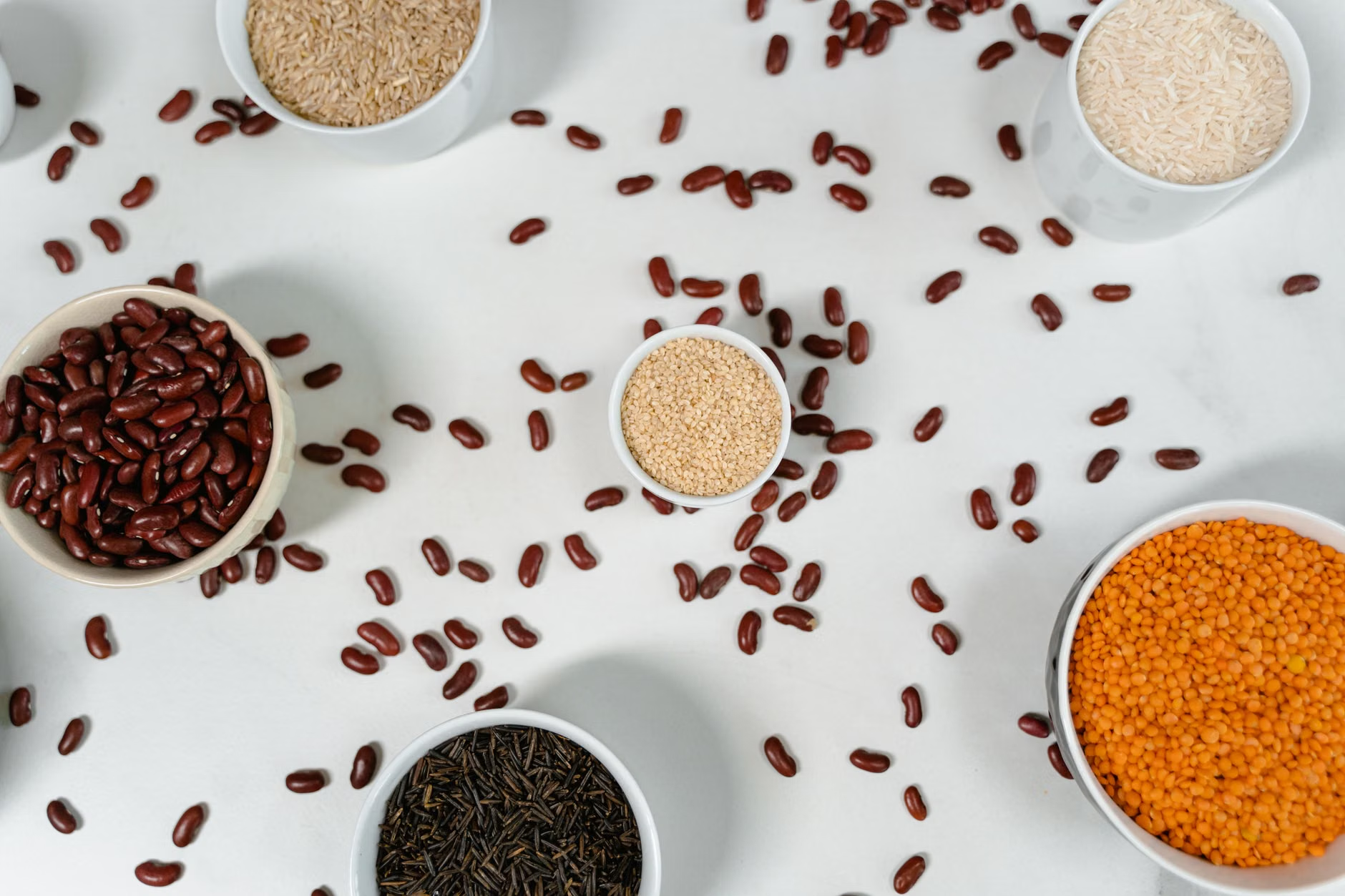
Soluble fiber dissolves in water to form a gel-like substance. This slows down digestion, which helps stabilize blood glucose levels after meals and can assist in managing cholesterol levels by binding to bile acids. Good sources include oats, barley, beans, lentils, peas, and fruits like apples and citrus.
Insoluble Fiber: The Bulking Agent
Insoluble fiber does not dissolve in water. It adds bulk to the stool and helps move material through the digestive system more efficiently, which is vital for preventing chronic constipation. You find this in whole wheat flour, wheat bran, nuts, cauliflower, and green beans.
| Fiber Type | Primary Function | Best Sources | Key Benefit for 60+ |
|---|---|---|---|
| Soluble | Stabilizes glucose & cholesterol | Oats, legumes, apples | Metabolic health |
| Insoluble | Promotes motility | Whole grains, cruciferous veggies | Regularity & gut transit |
For most individuals, the goal is not to choose one over the other but to consume a wide variety of plant-based foods that provide both. A diverse diet ensures the gut microbiome receives a spectrum of fuel sources, which is essential for long-term immune resilience.
Practical Strategies for Increasing Fiber Intake
Increasing fiber intake too quickly can lead to gas, bloating, or abdominal cramping. For older adults, the transition must be deliberate and measured. The “start low, go slow” approach is the gold standard for digestive comfort.
The “Start Low, Go Slow” Protocol
If your current fiber intake is low, begin by adding only 3 to 5 grams of extra fiber per day. This might mean adding a half-cup of cooked lentils to a soup or swapping refined white bread for a dense, whole-grain alternative. Maintain this level for one week. If your digestion remains comfortable, add another 3 to 5 grams the following week. Continue this pattern until you reach the goal of 25–30 grams daily.
The Hydration Rule
Fiber without water is a recipe for constipation. As you increase fiber, you must increase your fluid intake. Fiber absorbs water to create bulk; without sufficient fluids, the fiber can become a dense mass in the intestine, leading to the very discomfort you are trying to avoid. Aim for consistent hydration throughout the day, rather than drinking large amounts of fluid all at once.

While fiber is beneficial, certain medical conditions—such as diverticulitis, inflammatory bowel disease (IBD), or recent abdominal surgeries—may require specific dietary modifications or temporary restrictions on fiber intake. If you experience persistent changes in bowel habits, unexplained weight loss, or persistent abdominal pain, it is essential to consult a healthcare provider.
When preparing for a medical appointment regarding digestive health, keep a 3-day food and symptom diary. Note not just what you ate, but the time of day, the fiber content (roughly), and any symptoms like bloating or changes in stool frequency. This concrete data helps your doctor distinguish between lifestyle-related issues and underlying medical conditions.
Microbiome and Immunity: The Hidden Connection
The gut is home to roughly 70% of the body’s immune cells. When we feed our gut bacteria with high-fiber, plant-based foods, they produce short-chain fatty acids (SCFAs) such as butyrate. These SCFAs have anti-inflammatory properties that travel throughout the body, helping to modulate immune responses. For the older adult, this means that fiber is not just about “staying regular”—it is about maintaining the body’s primary defense system against pathogens.
Consider the “Diversity Goal”: Try to consume 30 different types of plant foods per week. This includes not just vegetables and fruits, but also herbs, spices, nuts, seeds, and legumes. Each plant brings a unique set of phytochemicals that feed different strains of bacteria, creating a more robust and resilient microbial ecosystem.
Daily Implementation: A Realistic Framework
It is easy to feel overwhelmed by nutritional advice. Instead of focusing on grams, focus on food groups. Use this simple checklist to ensure you are meeting your needs throughout the day:
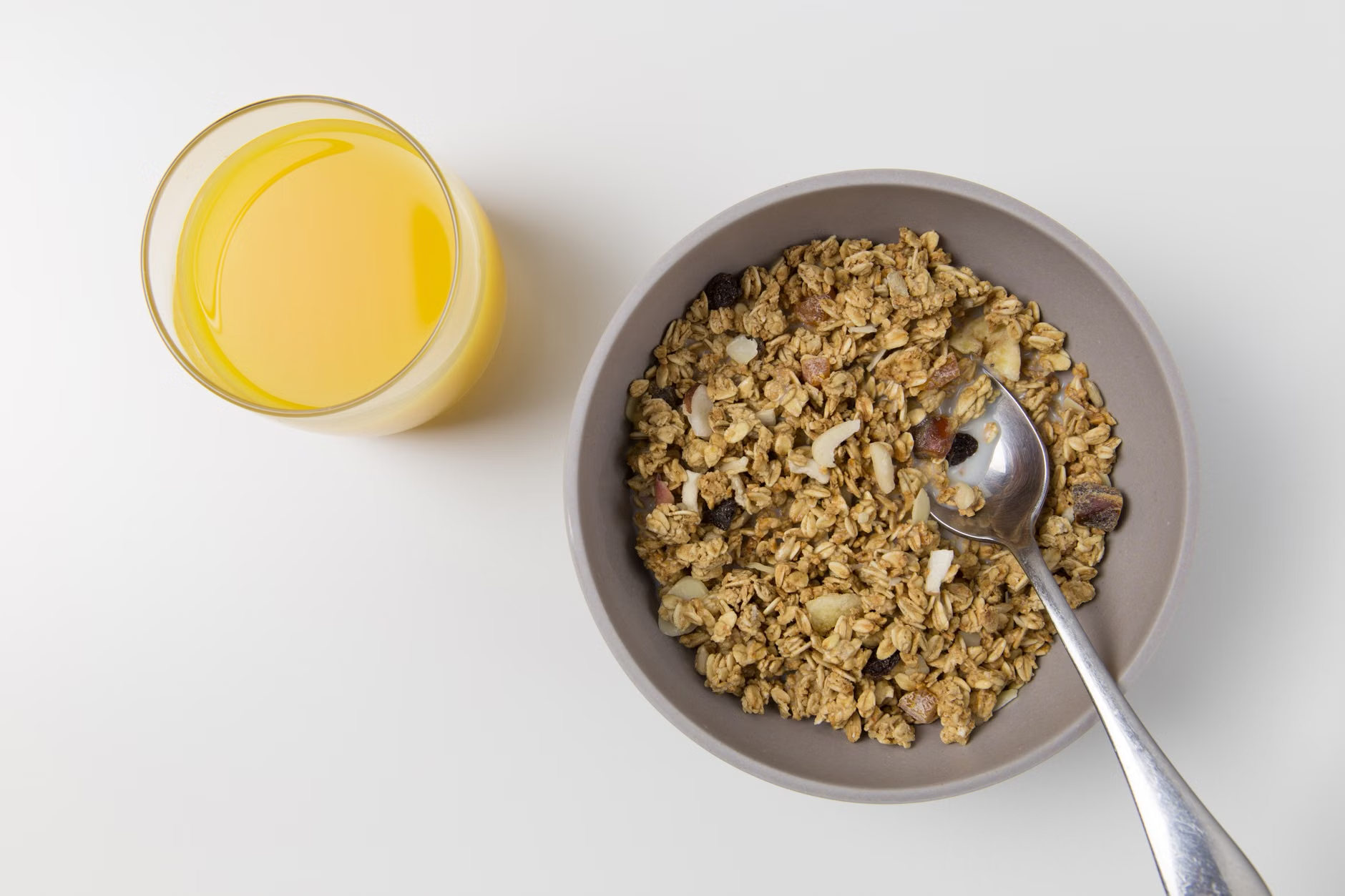
- Breakfast: Swap sugary cereal for steel-cut oats topped with ground flaxseeds or berries.
- Lunch: Add a side of leafy greens or a cup of vegetable-based soup.
- Snacks: Choose an apple or pear (with the skin on) or a handful of almonds instead of processed crackers.
- Dinner: Make legumes (beans, chickpeas) a staple protein source at least three times a week.
Common Mistake: Many people rely on fiber supplements or “fortified” foods. While these can be helpful in specific clinical scenarios, they rarely provide the same breadth of nutrients, antioxidants, and microbial benefits as whole, unprocessed foods. Always prioritize whole-food sources first.
Addressing Potential Trade-offs
Some high-fiber foods can be difficult to chew. If dental health is a concern, do not abandon fiber; adapt your preparation methods. Use a blender to make nutrient-dense green smoothies, steam vegetables until they are soft, or use a food processor to grind nuts and seeds into spreads or dressings. The fiber remains, but the physical burden on your teeth is minimized.
Another consideration is the interaction with medications. Some medications, particularly those for heart health or diabetes, may have their absorption affected by high-fiber meals. If you take medication at specific times, discuss with your pharmacist whether you should separate your fiber-rich meals from your medication schedule by an hour or two.
Conclusion: Consistency Over Perfection
Preventive health is a marathon, not a sprint. You do not need to overhaul your entire pantry overnight. Start by making one small swap this week. By prioritizing fiber-rich, whole foods and maintaining adequate hydration, you are taking a proactive step toward a more resilient gut and a stronger immune system. Focus on the long-term benefits of these small, sustainable habits rather than short-term results.
Frequently Asked Questions (FAQ)
1. Is it too late to start increasing my fiber intake in my 70s?
It is never too late. The gut microbiome is highly responsive to dietary changes regardless of age. Starting a gradual increase in fiber can help improve bowel regularity and metabolic health even after years of different dietary habits.
2. Can fiber supplements replace whole foods?
No. While supplements can help in reaching specific intake targets, they lack the complex matrix of vitamins, minerals, and polyphenols found in whole plant foods. Supplements should be treated as a secondary aid, not a primary replacement.
3. How do I know if I am getting “enough” fiber?
Beyond tracking grams, the best indicator is your digestive comfort and regularity. If you are having comfortable, well-formed bowel movements daily without straining, and you feel energized, your fiber intake is likely in a good range for your individual needs.
Official guidance on dietary fiber can be found at the World Health Organization (WHO) Healthy Diet Fact Sheet and the Dietary Guidelines for Americans, which provide international benchmarks for healthy consumption.
To further elaborate on the physiological impact, consider the concept of gut-brain axis. The gut microbiome produces neurotransmitters, including serotonin, which plays a vital role in mood regulation. For seniors, the connection between a healthy, fiber-fed gut and emotional well-being is increasingly recognized as a significant factor in quality of life. By fostering a healthy gut, you are potentially supporting your cognitive and emotional health as well.
Furthermore, when discussing mobility and stamina, digestion plays a hidden role. Chronic constipation and the associated discomfort can lead to decreased physical activity, which in turn leads to muscle atrophy. By maintaining a healthy digestive system through fiber, you reduce the likelihood of this cycle, helping you maintain the stamina required for daily hobbies, travel, and social engagement. Think of your gut health as the foundation for your physical mobility.
When selecting your fiber sources, consider the “Glycemic Index” (GI) of the food. High-fiber foods naturally tend to have a lower GI, which means they cause a slower, more sustained release of energy. This is a significant advantage for preventing the “afternoon slump” that many adults experience. By choosing high-fiber, low-GI foods like legumes and whole grains, you are providing your body with a steady supply of energy, which is essential for maintaining consistent activity levels throughout the day.
Finally, remember that your needs may fluctuate. During times of travel, stress, or illness, your digestive system may require extra support. Keeping a consistent, fiber-rich baseline helps your body handle these disruptions more effectively. If you are traveling, prioritize high-fiber snacks like nuts, dried fruits, or whole-grain crackers to ensure you don’t lose your rhythm while away from your usual kitchen routine.