- Cognitive Stimulation: Genealogical research improves memory, critical thinking, and digital literacy by requiring the organization of complex data and historical context.
- Practical Starting Point: Begin by interviewing living relatives and documenting your own immediate circle before moving to public archives or DNA databases.
- Data Management: Prioritize verifying sources over speed; a well-documented tree is more valuable than a large, unverified one.
Engaging in genealogy is more than just a search for names and dates; it is a profound cognitive exercise that bridges the gap between the past and the present. For adults aged 60 to 80, this hobby offers a structured way to maintain mental sharpness while creating a lasting legacy for future generations. By analyzing historical records, navigating digital databases, and piecing together narratives, you are effectively training your brain in pattern recognition, logical deduction, and analytical reasoning.
The Cognitive Benefits of Genealogical Research
Research suggests that maintaining intellectual engagement is a cornerstone of healthy aging. Genealogy provides a unique form of “active learning” that is rarely found in passive entertainment. When you begin to map out your family history, you are not merely collecting facts; you are constructing a complex cognitive framework.
The process of identifying ancestors requires you to cross-reference multiple data points—birth certificates, census records, and marriage registries. This constant switching between sources forces the brain to exercise “executive function,” which is the set of mental skills that includes working memory, flexible thinking, and self-control. Unlike puzzles or board games, genealogy has a personal emotional weight, which keeps you motivated to solve the next “mystery.”
Building Digital Literacy and Analytical Skills
Modern genealogy is heavily reliant on digital tools. Whether you are using specialized software or online platforms, you are frequently tasked with navigating databases, uploading high-resolution documents, and managing digital files. This practice keeps you comfortable with evolving technology, which is a vital skill for independent living. Furthermore, evaluating the reliability of a source—such as discerning between a primary document (like a birth certificate) and a secondary source (like a family story)—sharpens your critical thinking skills significantly.
A Step-by-Step Approach to Starting Your Research
Many beginners feel overwhelmed by the sheer volume of information available. The secret is to treat your project like a professional investigation. By breaking the task into manageable segments, you avoid burnout and ensure that your research remains accurate.
| Phase | Action Item | Objective |
|---|---|---|
| 1. Inventory | Document what you already know. | Establish a baseline for your tree. |
| 2. Interview | Record stories from living elders. | Capture oral history before it is lost. |
| 3. Verify | Cross-reference with official records. | Ensure factual accuracy. |
| 4. Organize | Digitize and back up all findings. | Protect your research for the future. |
The most common mistake is assuming that online family trees are always correct. Always treat other users’ trees as leads, not facts. Every claim must be verified by a primary source, such as an official vital record or a census entry. If you cannot find the evidence, mark the information as “unverified” in your files.
Once you have exhausted your own family’s attic or personal archives, you will likely move to public and commercial databases. Major platforms such as Ancestry, FamilySearch, or MyHeritage offer vast amounts of data, but they require a structured approach to use effectively.
FamilySearch is a non-profit organization that provides free access to many of the world’s genealogical records. It is an excellent starting point for those on a budget. In contrast, commercial sites often provide more advanced search filters and access to proprietary databases (such as specific regional census records or military service files). Before committing to a subscription, check your local library or regional archives, as many offer free access to these premium sites for cardholders.
The Importance of Contextualizing History
Genealogy is not just about dates; it is about understanding the world your ancestors lived in. When you find an ancestor’s occupation, look up what that job entailed during that time period. If an ancestor lived through a major historical event, such as a war or a migration, researching that context will transform a list of names into a living narrative. This contextualization is where the “cognitive joy” really flourishes, as it requires synthesizing disparate pieces of historical information into a coherent story.
Managing Your Research: Practical Organization
As your research expands, you will eventually face a “data deluge.” Having hundreds of loose papers or digital files can quickly become a source of stress rather than joy. Developing a system early on is essential for maintaining your momentum.
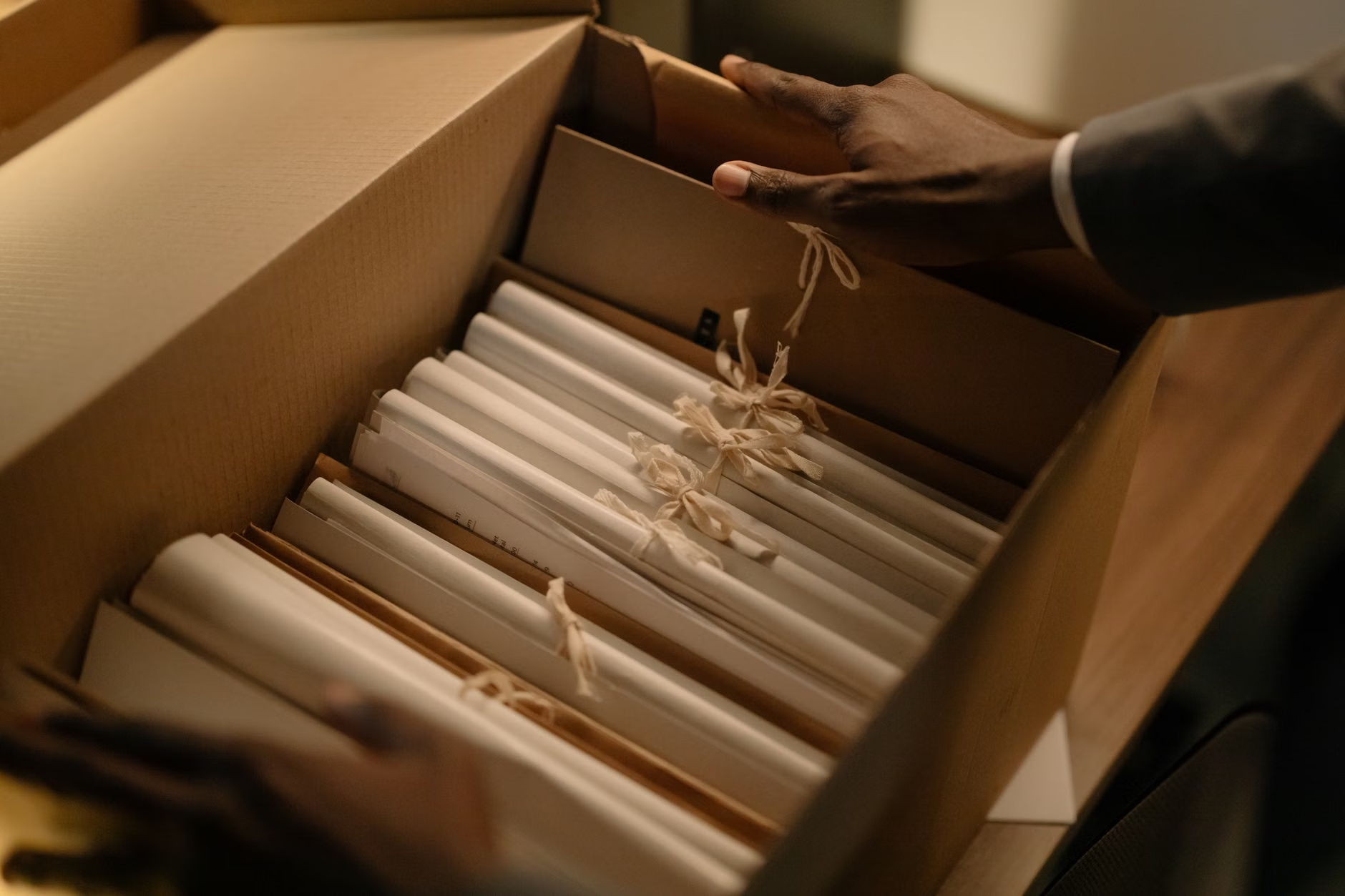
For digital files, use a consistent naming convention. For example: Lastname_Firstname_DocumentType_Year.jpg. This makes searching for a specific record in your computer folders instantaneous. For physical documents, use acid-free sleeves and archival boxes to prevent deterioration. Keep a “Research Log”—a simple document where you track what you have already searched for, even if you found nothing. This prevents you from repeating the same search months later, saving both time and mental energy.
Ethical Considerations and DNA Testing
DNA testing has become a popular tool in genealogy, but it is important to understand its limitations and implications. DNA results can reveal unexpected family connections, including cases of adoption, non-paternity, or previously unknown relatives. Before taking a DNA test, ensure you are prepared for the possibility of discovering information that may be surprising or emotionally complex.
Furthermore, consider your family’s privacy. If you choose to upload your DNA results to a public database, you are not just sharing your own genetic information, but also potentially that of your relatives. It is a good practice to discuss this with close family members if you intend to participate in DNA matching services.
The Role of Oral History in Preserving Family Legacy
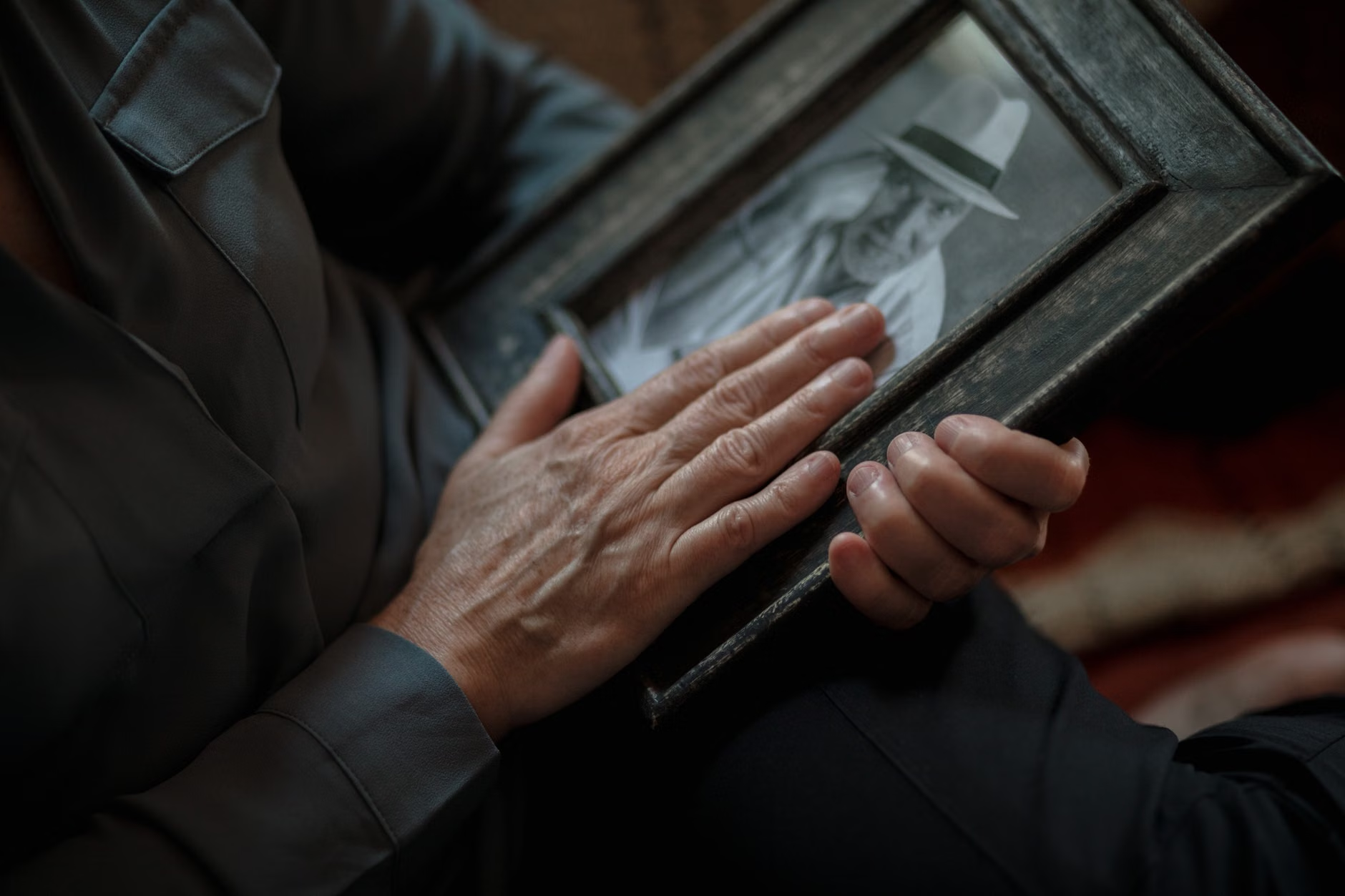
While official records provide the “bones” of your family tree, oral histories provide the “flesh.” The stories your parents or grandparents told you are as much a part of your heritage as their birth dates. As you get older, you may find that you have become the “keeper of the stories.”
To record these effectively, keep a digital voice recorder or a simple notebook nearby during family gatherings. Do not aim for a formal interview; instead, ask open-ended questions like, “What was your first job like?” or “How did you meet your spouse?” These questions often unlock memories that have been dormant for decades. Once recorded, transcribe these stories and attach them to the relevant person’s profile in your family tree database. This turns your research into a living, breathing document that provides context to future generations.
Overcoming Potential Roadblocks
You will inevitably hit “brick walls”—periods or locations where records are scarce or non-existent. When this happens, do not view it as a failure. Instead, use it as an opportunity to change your methodology. If you cannot find a marriage record, look for church records, tax assessments, or local newspaper society columns. Often, the information is there; it just requires a different perspective or a wider search radius.
If you find that you are spending too much time staring at a screen, step away. The best genealogical insights often come when you are not actively looking. Take a walk, work in the garden, or read a book about the history of the region your ancestors lived in. The mental break is just as important for problem-solving as the research itself.
Ensuring Longevity in Your Hobby
To ensure that genealogy remains a sustainable and enjoyable hobby, prioritize your physical comfort. Use an ergonomic chair, ensure your desk is at the right height, and take frequent breaks to stretch and hydrate. If your eyesight tires easily, use screen-magnification tools or adjust the font size on your browser. These small, practical adjustments allow you to engage with your hobby for longer periods without physical discomfort.
Finally, remember that genealogy is a marathon, not a sprint. You do not need to build your entire tree in a month. Set small, achievable goals for each session—such as “find the marriage date for my paternal grandfather” or “scan the photos from my mother’s childhood.” By accomplishing these small tasks, you maintain a sense of progress and accomplishment, which is essential for long-term satisfaction.
Conclusion
Genealogy is a deeply rewarding endeavor that exercises the mind, preserves family history, and provides a sense of connection that spans generations. By approaching it with a structured, thoughtful, and patient mindset, you transform a simple hobby into a meaningful intellectual pursuit. Start small, verify your sources diligently, and enjoy the process of uncovering the stories that make you who you are today.
Frequently Asked Questions
Q: Do I need to be a history expert to start genealogy?
A: Not at all. You learn as you go. Start with your immediate family and use online tutorials or local library resources to learn the basics of record-keeping. The learning process itself is part of the cognitive benefit.
Q: What is the best way to store old family photos?
A: Store original photos in acid-free, archival-quality sleeves or boxes in a cool, dry, dark place. Avoid using tape or glue. Digitizing them with a high-quality scanner or a smartphone app is the best way to share them without risking damage to the originals.
Q: What if I reach a “brick wall” where I cannot find any records?
A: Brick walls are common. Try looking for indirect evidence such as land deeds, probate records, or military pension files. Sometimes, searching for siblings or neighbors can provide clues that lead back to your direct ancestor.
For further information on starting your research, you may visit the FamilySearch Research Wiki, which provides comprehensive guides for beginners and experts alike.