Key Takeaways:
- Copper is a trace mineral essential for the enzyme lysyl oxidase, which acts as the “glue” for collagen and elastin in your connective tissues.
- For adults aged 60 to 80, the primary goal is consistent intake through whole foods like shellfish, seeds, and legumes rather than high-dose supplementation.
- Excessive copper intake via unregulated supplements can interfere with zinc absorption and lead to toxicity; always prioritize a food-first approach.
Copper is often overshadowed by more famous minerals like calcium and magnesium, yet it plays a critical, structural role in the body as we age. For adults between the ages of 60 and 80, maintaining the integrity of connective tissue—which includes your skin, tendons, ligaments, cartilage, and even the walls of your blood vessels—is vital for mobility and cardiovascular health. Copper is the silent partner of collagen; without it, the body cannot effectively cross-link the proteins that provide structural strength to these tissues.
Understanding the Role of Copper in Connective Tissue
At the microscopic level, your body is held together by a complex network of proteins. Collagen provides the tensile strength, while elastin provides the flexibility. However, these proteins are not inherently strong enough on their own. They require a chemical process known as cross-linking to become durable.
This is where copper becomes indispensable. It acts as a necessary cofactor for the enzyme lysyl oxidase. Think of lysyl oxidase as a master builder that uses copper to create chemical bridges between collagen and elastin fibers. When copper levels are inadequate, these bridges are weak or missing, which can lead to increased tissue fragility, slower wound healing, and decreased elasticity in the cardiovascular system.
Why This Matters for the 60+ Demographic
As we age, our natural production of collagen begins to decline. This is a normal physiological process. However, if the “building materials”—in this case, copper—are also in short supply, the remaining collagen cannot be properly structured. In real life, this manifests as:
- Joint health: Cartilage, which relies heavily on a strong collagen matrix, may degrade more quickly, potentially contributing to joint stiffness.
- Skin integrity: The skin may lose its ability to “snap back” (turgor), potentially leading to thinner, more fragile skin that is prone to bruising or slow healing.
- Vascular health: Blood vessels contain elastin and collagen to handle the pressure of every heartbeat. Proper cross-linking ensures these vessels remain resilient rather than becoming stiff or brittle.
The Food-First Approach: Where to Find Copper
The human body does not require large amounts of copper; it is a “trace” mineral. The recommended dietary allowance (RDA) for most adults is approximately 900 micrograms (0.9 mg) per day. Because this amount is small, it is easily achievable through a balanced, whole-food diet. Relying on food rather than supplements is safer because food sources provide copper in a bioavailable form alongside other nutrients that help regulate its absorption.
| Food Source | Approx. Copper Content (per serving) | Practical Serving Idea |
|---|---|---|
| Oysters/Shellfish | Up to 4-5 mg per serving | Steamed oysters or shrimp in a salad |
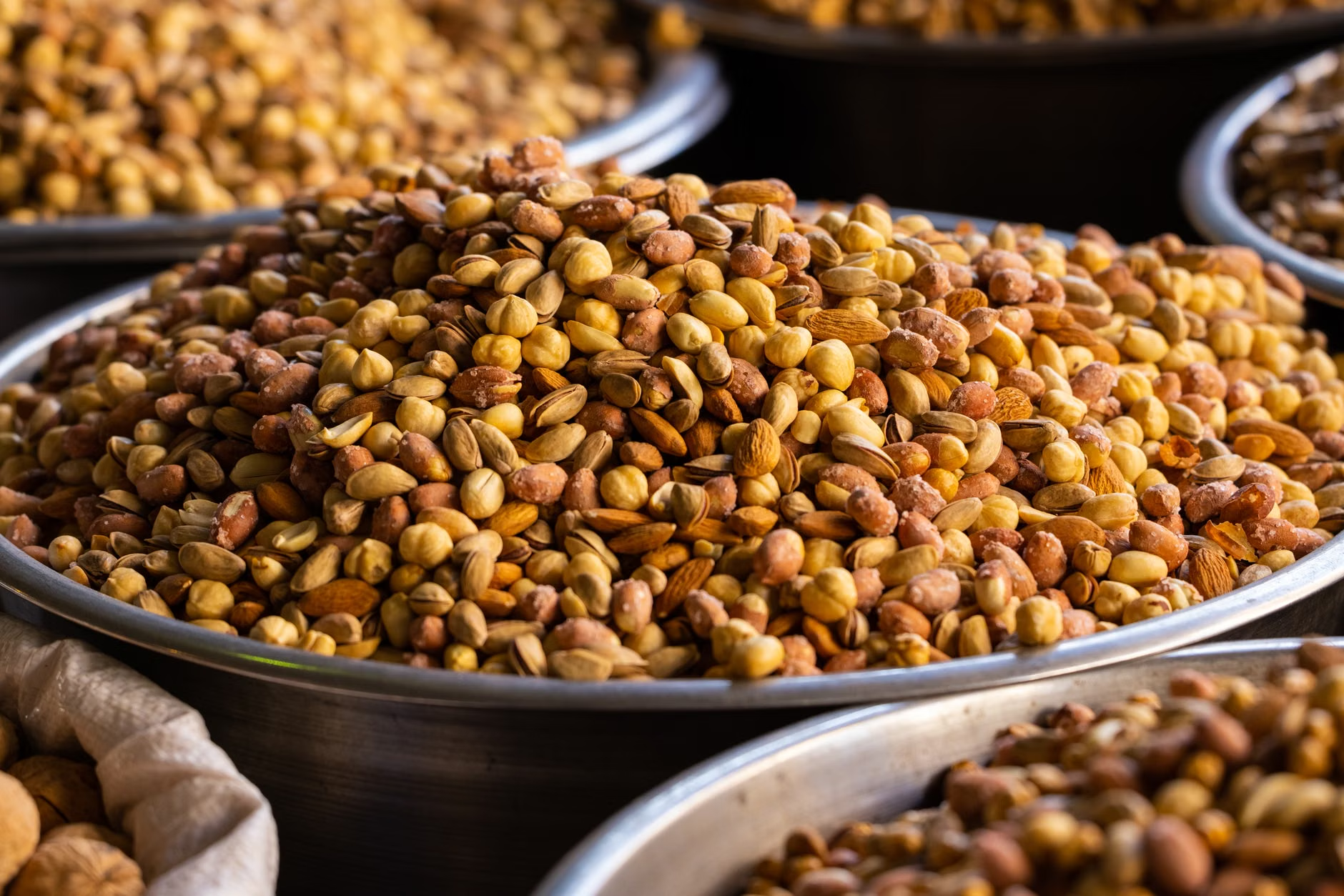
| Cashews | 0.6 mg per 1oz (approx. 28g) | A small handful as a snack |
| Chickpeas/Legumes | 0.3 mg per 1/2 cup cooked | Hummus or a hearty bean soup |
| Sunflower Seeds | 0.5 mg per 1oz (approx. 28g) | Sprinkled over oatmeal or yogurt |
| Dark Chocolate (70%+) | 0.5 mg per 1oz | One small square as a treat |
Note: These values are estimates. Actual content can vary based on soil quality where the food was grown.
Practical Decision Criteria: Which Sources to Choose?
If you have concerns about your intake, consider your current lifestyle:
- If you have high cholesterol or heart concerns: Focus on plant-based sources like legumes, sunflower seeds, and whole grains. These provide copper without the high saturated fat content found in some shellfish.
- If you have a lower appetite: Focus on nutrient-dense options like cashews or dark chocolate, which provide a high amount of copper in a small volume of food.
- If you are managing blood sugar: Legumes are excellent because they provide fiber, which slows the absorption of glucose, along with your daily copper boost.
The Risks of Over-Supplementation
It is a common misconception that if a little is good, more must be better. With copper, this is definitively false. Copper exists in a delicate balance with zinc in the body. If you take high-dose copper supplements, you risk creating a zinc deficiency. Zinc is essential for immune function and taste perception—two areas that are already sensitive for older adults.
Furthermore, because the liver processes copper, excessive intake (usually through supplements or contaminated water) can lead to copper toxicity. This is a serious condition that can affect liver function and neurological health. Never start a copper supplement without a blood test confirming a deficiency and direct supervision from your primary care physician.
Warning Signs to Discuss with Your Doctor
If you are experiencing symptoms that you suspect are related to connective tissue health, keep a log for your next medical appointment. Include:
- Frequency and location of joint stiffness.
- Changes in how quickly minor scrapes or bruises heal.
- Any new or persistent tingling in the extremities (which can sometimes be a sign of mineral imbalances).
When you speak to your doctor, ask specifically: “Given my current medications and diet, is there any reason to suspect a copper imbalance, or should I be focusing on specific whole foods?”
Integrating Copper into Daily Routines
Maintaining health as we age is about consistency, not radical changes. You do not need to overhaul your diet overnight. Instead, look for “copper wins” in your daily habits.
- The Morning Boost: If you eat oatmeal, add a tablespoon of sunflower seeds. This adds crunch, fiber, and a significant portion of your daily copper requirement.
- The Afternoon Snack: Swap a processed cracker for a small handful of cashews or walnuts.
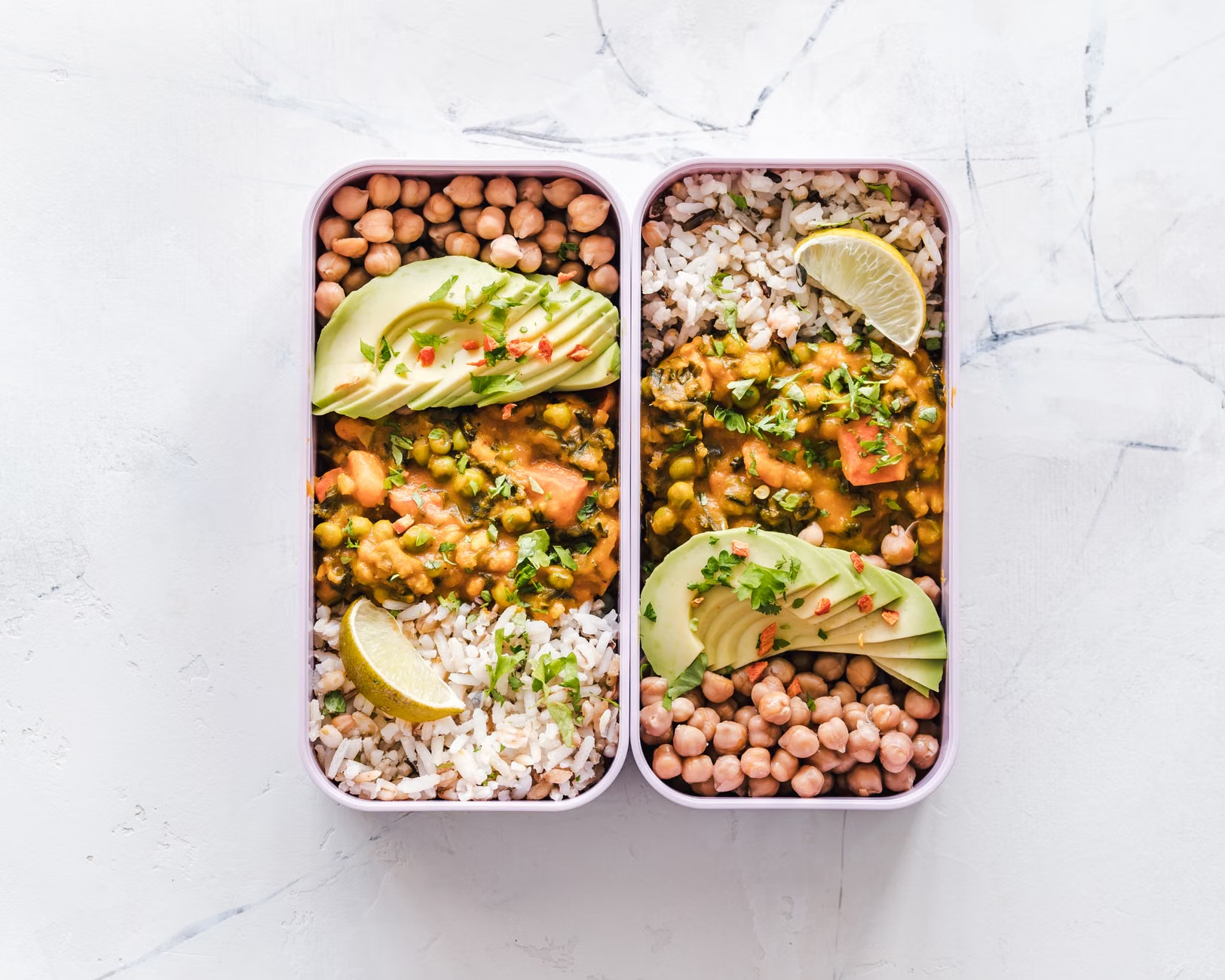
- The Dinner Inclusion: Aim to include one serving of legumes (beans, lentils, or chickpeas) at least three times a week. They are affordable, shelf-stable, and incredibly versatile.
The Broader Context of Connective Tissue Health
While copper is the “glue,” it is not the only factor. Your connective tissue also relies on Vitamin C to produce the initial collagen strands. Therefore, eating your copper-rich legumes with a bell pepper or a side of citrus fruit creates a synergistic effect. Vitamin C and copper work together to build and stabilize your tissues.
Additionally, hydration is paramount. Connective tissue is largely water-based; when you are dehydrated, the tissues become less resilient and more prone to micro-tears. Aim for consistent water intake throughout the day, rather than drinking large amounts only when thirsty.
Moving Beyond the Obvious
An often-overlooked variable is the impact of certain medications on mineral absorption. For example, some anti-inflammatory medications or medications for digestive issues can alter how your body absorbs minerals. If you are on a long-term prescription regimen, it is worth asking your pharmacist if your medications have any known interactions with trace mineral absorption. This is a proactive step that can prevent a silent deficiency from developing over several years.
Conclusion: A Sustainable Path Forward
Preventive health is about providing your body with the tools it needs to maintain itself. For the 60 to 80 age group, supporting connective tissue health through dietary copper is a low-risk, high-reward strategy. By focusing on whole, copper-rich foods, you support the structural integrity of your joints, skin, and blood vessels without the risks associated with unnecessary supplementation. Focus on variety, keep your medical team informed of your dietary habits, and prioritize foods that serve your long-term mobility and vitality.
Official Guidance and References:
- National Institutes of Health (NIH) Office of Dietary Supplements: Copper Fact Sheet for Health Professionals
- Institute of Medicine (US) Panel on Micronutrients: Dietary Reference Intakes for Vitamin A, Vitamin K, Arsenic, Boron, Chromium, Copper, Iodine, Iron, Manganese, Molybdenum, Nickel, Silicon, Vanadium, and Zinc
Frequently Asked Questions (FAQ)
1. Can I get all the copper I need from a multivitamin?
Most standard multivitamins contain a safe, trace amount of copper. However, it is always better to get your nutrients from food. If you are already taking a high-quality multivitamin, you are likely meeting your daily requirements, and adding extra copper supplements could lead to toxicity. Always check the label for the percentage of the Daily Value (%DV).
2. Does cooking destroy the copper in food?
Copper is a mineral, not a vitamin. Unlike Vitamin C, which is heat-sensitive and can be destroyed by boiling, copper is heat-stable. Cooking methods like boiling or roasting will not significantly reduce the copper content of your food. In fact, cooking legumes is necessary to make them digestible and to release the nutrients contained within them.
3. Are there any specific health conditions that make copper intake more complex?
Yes. Individuals with conditions like Wilson’s disease (a rare genetic disorder that causes copper to accumulate in the liver and brain) must strictly manage their copper intake under medical supervision. Additionally, those with chronic liver disease should consult their physician before significantly increasing their copper intake through diet or supplements, as the liver is the primary organ responsible for regulating copper levels in the body.