- Social Integration: By 2026, intergenerational housing is moving beyond simple co-living to integrated community models that pair housing subsidies with social service exchange.
- Financial Viability: These models can significantly lower living costs through shared utilities and communal infrastructure, but they require careful legal vetting of residency contracts.
- Strategic Selection: When choosing a model, prioritize proximity to public transit and local healthcare infrastructure over aesthetic amenities.
As we head into 2026, the global housing landscape for those aged 60 to 80 is undergoing a significant transformation. The traditional binary—choosing between isolated aging-in-place and institutional residential care—is being challenged by a rise in “intergenerational housing.” These models, which intentionally place older adults in the same residential complexes as students, young families, or early-career professionals, are no longer just experimental; they are becoming a recognized strategy for addressing social isolation and rising urban living costs.
Understanding the 2026 Intergenerational Housing Landscape
Intergenerational housing is a residential arrangement where different age groups live in proximity, often sharing common spaces, resources, or even service agreements. In 2026, we are seeing three primary models emerging across Europe, parts of Asia, and North America. Understanding which model suits your lifestyle requires looking past the marketing brochures and into the operational reality.
The “Service-Exchange” Model: This is perhaps the most popular trend for 2026. In this setup, younger residents (often university students or low-income workers) receive subsidized rent in exchange for a set number of hours per month spent assisting older neighbors with tasks like grocery shopping, digital literacy tutoring, or simply providing social companionship. It is not about caregiving, which remains the domain of professionals, but about “neighborly support.”
The “Shared Facility” Model: This model features independent living units for all ages, but with shared amenities—such as a communal kitchen, garden, or workshop—designed to foster spontaneous interaction. The goal here is to prevent the “siloing” of older adults, ensuring they remain part of the vibrant life of their neighborhood.
The “Co-Housing” Model: This is a more intentional, often member-driven arrangement where residents own or rent private units but collectively manage common areas. This requires a higher degree of social engagement and democratic participation from all residents.
Why the Shift Matters for Your Wellbeing
The primary driver for this shift is not just economic; it is a response to the documented health impacts of social isolation. Research consistently shows that meaningful social interaction is as vital to long-term health as physical activity and nutrition. By 2026, public policy in several jurisdictions is beginning to incentivize these developments as a way to reduce the strain on publicly funded healthcare systems.
When you live in a multi-generational environment, you benefit from a “natural” social network. You are not forced into activities; rather, you are exposed to the daily rhythms of other generations. This can provide a sense of purpose and cognitive stimulation that is often missing in age-segregated retirement communities. However, it is essential to distinguish between community and care. Most intergenerational housing models do not provide medical support. If your health needs exceed the ability to manage your own household, these models may not be the appropriate choice unless they are integrated with home-health services.
Practical Comparison of Housing Options
Choosing the right living arrangement requires a clear assessment of your mobility, social preferences, and financial situation. The following table provides a breakdown of how these models function in practice.
| Model | Primary Benefit | Key Requirement | Best For |
|---|---|---|---|
| Service-Exchange | Reduced cost & assistance | Clear boundaries | Those who value extra help with daily tasks. |
| Shared Facility | Social spontaneity | Tolerance for noise/activity | Those who enjoy a vibrant, active environment. |
| Co-Housing | Strong community bonds | Active participation | Those who want a voice in community management. |
Note: Before committing to any of these, always verify the legal structure of the lease or ownership agreement.
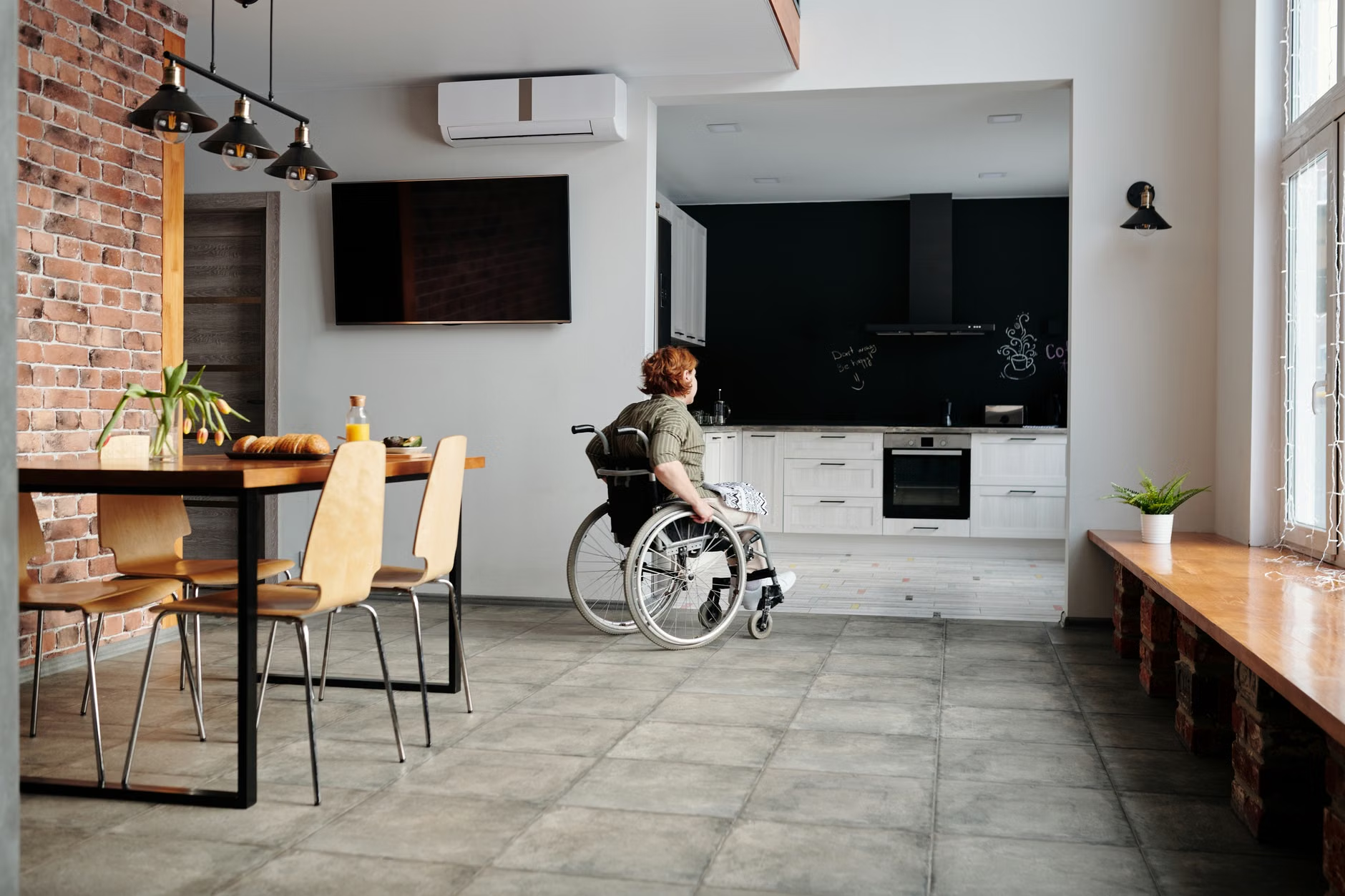
Caption: Modern intergenerational housing often features universal design, ensuring that shared spaces are accessible to everyone regardless of age or physical ability.
Evaluating Your Readiness for an Intergenerational Move
Moving from a long-term family home into a community-based model is a significant life transition. In 2026, the most successful transitions are those that are planned at least 18 to 24 months in advance. You must evaluate your needs through three specific lenses: Physical Accessibility, Social Compatibility, and Service Reliability.
Physical Accessibility: The “Check-Before-You-Visit” Rule
Do not rely on descriptions of a facility as “accessible.” Instead, look for specific features. Are the hallways wide enough for a walker or wheelchair? Is the flooring slip-resistant? Are the light switches and door handles at a height that does not require reaching or stooping? If you use a mobility aid, bring it with you during your site visit. Test the elevators and the path from the front door to the nearest public transit stop.
Social Compatibility: Understanding the “Vibe”
Visit the community at different times of the day. A space might feel peaceful on a Tuesday morning but noisy and chaotic on a Friday evening when younger residents are hosting social gatherings. Ask if there are established “house rules” regarding noise levels and shared space usage. If you value silence and predictability, a student-heavy intergenerational complex might not be the best fit for your personality.
Service Reliability: The Legal Fine Print
If you are choosing a model that includes “service-exchange,” ensure that the agreement is documented in your lease. Who supervises the younger residents? What happens if they fail to show up for their scheduled help? You need a clear, professional point of contact—not just an informal agreement with a neighbor. Never rely on verbal promises for essential support services.

Caption: Spontaneous social interaction in shared spaces can significantly improve quality of life and reduce the risks associated with loneliness.
The Hidden Trade-offs: What Often Gets Overlooked
One of the most common mistakes when evaluating 2026 housing trends is assuming that all “intergenerational” projects are created equal. Many developers are using the term as a marketing buzzword for luxury apartments that happen to have a “community room.”
The “Isolation in the Crowd” Trap: Just because you live in a building with younger people does not mean you will interact with them. If the building architecture lacks “collision points”—places where people naturally cross paths, like mailrooms, common laundry areas, or gardens—you might end up feeling more isolated than you did in your own home. Look for developments that actively facilitate social programming rather than just providing the space for it.
The Cost of Flexibility: While some models offer lower rent, others (especially private, managed co-housing developments) can be expensive due to the high costs of maintaining shared facilities. Always calculate your “total cost of living,” including homeowners association (HOA) fees, service charges, and potential increases in rent that may not be covered by your pension or fixed income.
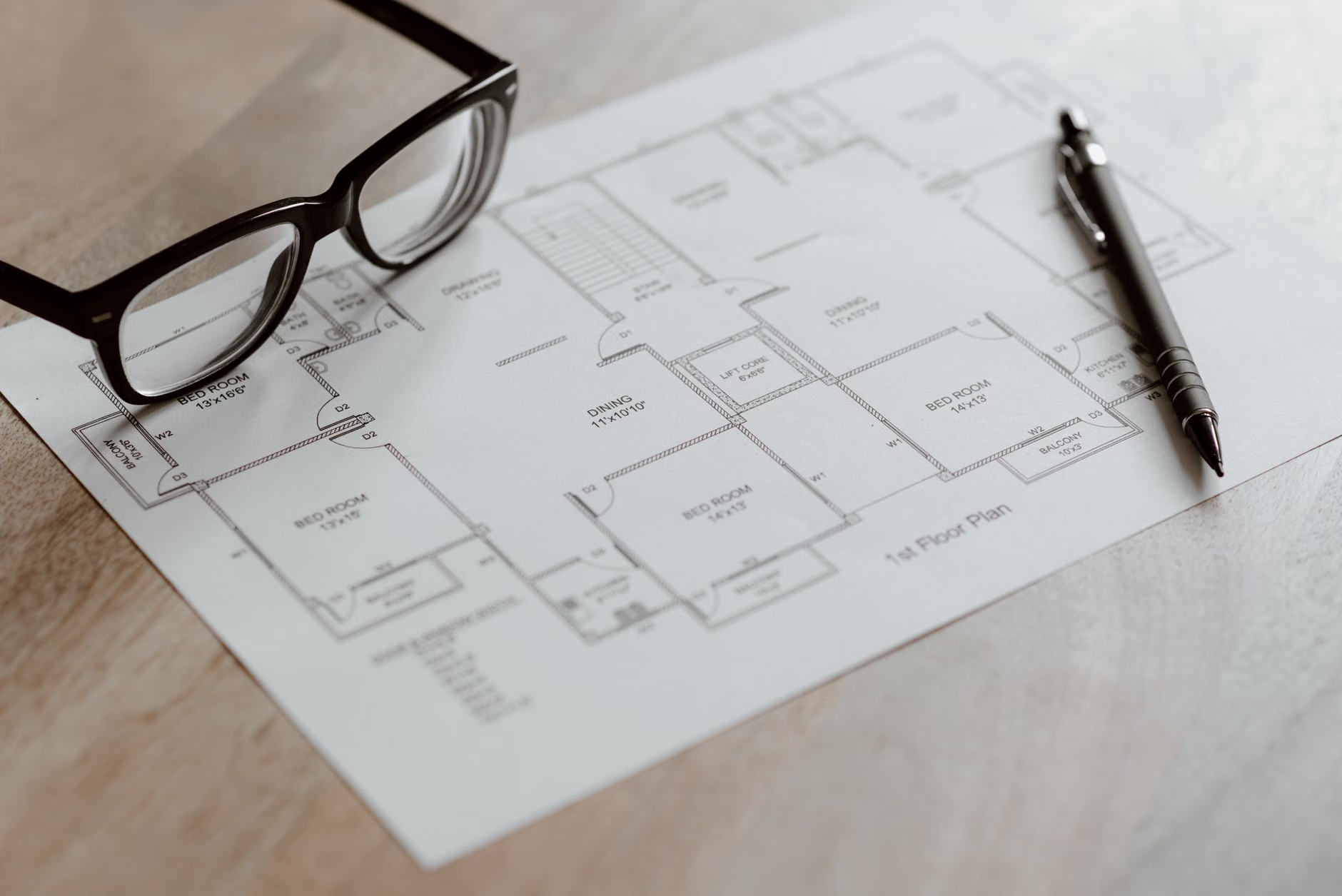
Caption: A well-thought-out floor plan should prioritize open space and safety, allowing for easy navigation and future-proofing your living environment.
If you have decided that an intergenerational model is right for you, follow these steps to ensure a smooth transition. This is not a decision to be made in a weekend; it requires a systematic approach.
- Identify Your “Must-Haves”: List your top three non-negotiables. Is it proximity to your current doctor? Is it having a private balcony? Is it a specific budget range?
- Audit Your Current Health Needs: Speak with your primary care provider about your long-term health trajectory. If your mobility is likely to change significantly in the next five years, ensure the new housing unit can accommodate those changes (e.g., walk-in showers, no stairs).
- Engage a Professional: If you are selling a family home, consult with a financial advisor who specializes in retirement transitions. They can help you model the long-term impact of your housing choice on your overall financial security.
- Test the Neighborhood: If possible, rent a short-term accommodation in the area you are considering. Walk the local streets, use the local public transport, and visit the local grocery stores at different times of the day.
- Review the Contract with Legal Counsel: Before signing any lease or residency agreement, have a qualified legal professional review the document, especially regarding your rights, the termination of the lease, and how disputes are handled.
The Role of Digital Public Services
By 2026, many cities are integrating their intergenerational housing projects with “Smart City” initiatives. You may find that your new home provides access to digital portals for booking local transport, scheduling health appointments, or even requesting community security services. Do not be intimidated by this. These systems are designed to make your life more independent. If you feel hesitant about using these tools, look for communities that offer on-site digital literacy training as part of their service package.
Remember that digital services should always be a supplement, not a replacement, for human interaction. If a facility relies entirely on an app for all communication, it may lack the human-centric focus that makes intergenerational living truly valuable.
Ensuring Long-Term Security
The most important factor in your housing security is the sustainability of the model. Ask the developers or management: “How long has this community been operating, and what is the turnover rate for both staff and residents?” A high turnover rate can be a red flag, indicating that the community may not be living up to its promises. You want a stable environment where you can build long-term relationships.
Furthermore, consider the “exit strategy.” What happens if your health needs change to the point where you require assisted living or nursing care? Does the facility have a partnership with a care provider, or will you be forced to move again? Knowing this information upfront allows you to plan your future with confidence rather than fear.
Conclusion: Taking the Next Step
The 2026 shift toward intergenerational housing offers a promising alternative for older adults who value independence, community, and social connection. However, it is not a “one-size-fits-all” solution. The success of your move depends entirely on your ability to evaluate the specific model, the physical accessibility of the building, and the legal reality of the residency agreement.
Start by identifying whether you are looking for social engagement, service support, or a mix of both. Then, prioritize your physical needs and financial stability. By taking a proactive, analytical approach, you can find a living arrangement that enhances your quality of life rather than just providing a place to live.
Your next step should be to visit the websites of local housing authorities or reputable senior living advocacy groups in your jurisdiction to see if there are any upcoming, vetted intergenerational projects in your area. Do not rush the process. Take the time to visit, ask questions, and ensure that your next home truly supports the life you want to lead.
Frequently Asked Questions (FAQ)
1. Is intergenerational housing the same as a nursing home?
No. Intergenerational housing is generally designed for independent living. While some models may offer minor support services, they are not medical facilities. If you require daily nursing care, you should look for assisted living or skilled nursing facilities, which are specifically staffed and equipped for medical needs.
Privacy is a standard requirement in all reputable housing models. Even in co-housing or shared-facility models, you will have your own private, self-contained living unit. The “shared” aspects are limited to common areas like gardens, kitchens, or lounges. Always review your contract to confirm the exact boundaries of your private space.
3. Are these housing models more affordable than traditional options?
They can be, especially in high-cost urban areas where intergenerational models are often supported by government subsidies or university partnerships. However, costs vary widely based on location and the level of service provided. It is important to compare the total cost—including rent, utilities, and community fees—against your current living expenses to determine if it is truly more cost-effective for your specific situation.
Official resources for further research:
- For general guidance on housing rights and senior living standards in the UK, visit the Age UK Housing section.
- For information on housing trends and community living in the US, consult the AARP Livable Communities initiative.
- For global perspectives on healthy aging and urban planning, refer to the World Health Organization’s Age-Friendly World network.
Disclaimer: This article provides general information and does not constitute legal, financial, or medical advice. Always conduct your own due diligence and consult with qualified professionals before making significant life decisions regarding housing and care.