- Flexibility over Pacing: Digital audio guides allow you to control your travel speed, enabling necessary breaks and avoiding the physical exhaustion often associated with rigid group tours.
- Accessibility Features: Modern audio apps often provide transcriptions, GPS-triggered navigation, and multilingual support, significantly lowering the cognitive load of navigating new cities.
- Preparation is Essential: Download content via Wi-Fi before heading out to avoid data costs and connectivity issues, and always carry a portable power bank to ensure your device stays charged.
Introduction: Reclaiming Autonomy in Your Travels
Traveling in your 60s, 70s, and beyond offers a unique opportunity to explore the world with a perspective that only time can provide. However, the traditional model of tourism—rushing to meet a bus, keeping pace with a group, and standing for hours while a guide talks—can be physically taxing and mentally draining. Digital audio guides have emerged as a transformative solution, allowing you to curate your own experience, move at your own speed, and prioritize your comfort without sacrificing the educational depth of a guided tour.
This guide explores how to leverage digital audio technology to create a self-paced, senior-friendly travel experience. We will move beyond the basics of how these apps function, diving into technical preparedness, energy management, and the nuances of selecting the right tools for your specific mobility needs.
Why Self-Paced Audio Tours Change the Game for Senior Travelers
The primary advantage of a self-paced audio tour is the restoration of autonomy. In a group tour setting, the schedule is fixed. If you need to rest, find a restroom, or simply spend an extra twenty minutes admiring a specific painting, you are often forced to choose between missing out or pushing through physical discomfort. Digital audio guides remove this trade-off.
Energy Management and Pacing
Travel stamina is a finite resource. By using an app-based guide, you can break a city tour into smaller, manageable segments. For instance, if you are visiting a historic city center, you can listen to the segments related to the main square in the morning, return to your hotel for a midday rest, and complete the museum segment in the late afternoon. This “segmented exploration” approach prevents the common “tourist fatigue” that often leads to burnout by the second day of a trip.
Cognitive Accessibility
Group tours often involve loud environments, wind, or background noise that can make it difficult to hear a live guide. Digital audio guides allow you to control the volume and, crucially, provide the ability to pause and rewind. If you find a particular section of history fascinating, you can listen to it twice. If you are uninterested in a specific monument, you can skip it entirely. This puts you in the driver’s seat of your own intellectual journey.
Selecting the Right Digital Audio Guide: A Comparative Framework
Not all audio guides are created equal. When selecting an application or a platform, you must weigh your technical comfort against your need for specific features. The following table outlines the three primary categories of audio guides available today.
| Type | Best For | Key Consideration |
|---|---|---|
| Official Museum Apps | Deep dives into specific art or history collections. | High production quality, but limited to one location. |
| Global Travel Platforms | Walking tours across multiple cities. | Requires GPS stability; check for offline availability. |
| Independent Podcast Guides | Story-driven, narrative exploration. | No GPS-triggering; you must manually follow the route. |
For travelers who prefer a structured experience, Global Travel Platforms (like Rick Steves’ Europe or VoiceMap) are often the gold standard. They provide GPS-triggered audio, meaning the guide starts speaking automatically as you approach a point of interest. This removes the need to constantly look at your phone screen, which is safer for your balance and posture.
Technical Preparedness: Ensuring a Smooth Experience
The biggest pitfall for any digital-first traveler is technical failure. A dead battery or a lost internet connection can turn a pleasant walk into a stressful ordeal. To mitigate these risks, follow this mandatory pre-departure checklist:
- Download Offline Maps and Content: Never rely on roaming data. Most apps allow you to download the entire tour while on your home or hotel Wi-Fi. Do this at least 24 hours before your outing.
- The Power Bank Rule: GPS tracking is a battery-intensive process. Always carry a lightweight, portable power bank (at least 10,000mAh) in your day bag.
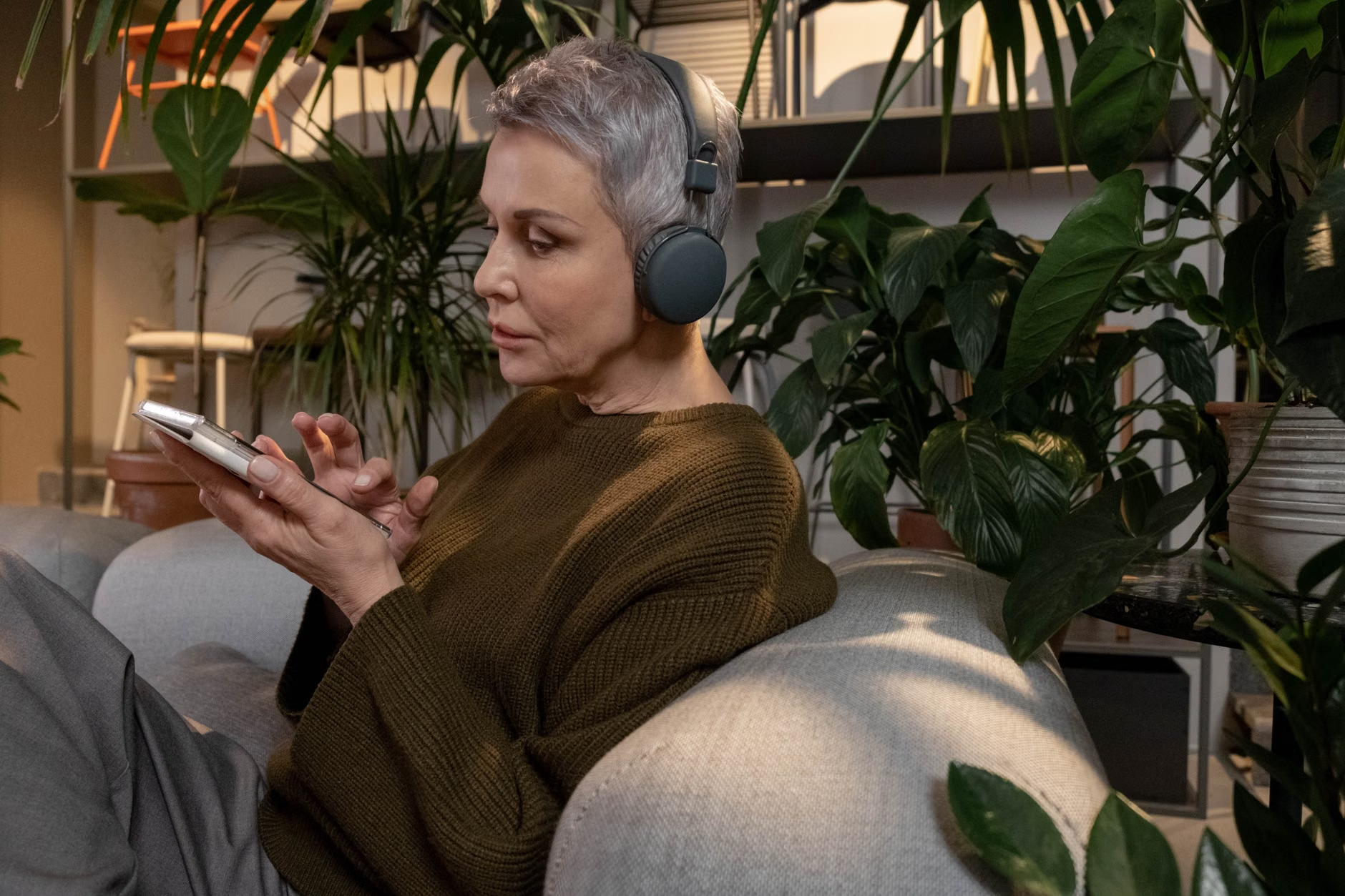
- Audio Hardware: If you use hearing aids, look for apps that support Bluetooth streaming. If not, opt for over-ear headphones rather than earbuds; they are generally more comfortable for long periods and provide better ambient noise reduction.

Handling Connectivity and Data
Many seniors are concerned about high data roaming charges or poor connectivity. The “Download First” strategy is your primary defense. Before you leave your accommodation, ensure your app is set to “Offline Mode.” This ensures that the GPS functionality—which relies on satellite signals, not cellular data—works even in remote or historic areas with poor reception.
Digital guides are tools, not maps that account for physical barriers. A common mistake is assuming that the route suggested by an audio app is perfectly accessible. You must cross-reference your digital guide with physical accessibility data.
Assessing the Terrain
Before starting a walking route, look for indicators of terrain. Does the app provide photos of the route? If you use a cane or have limited stability, look for keywords in the app description like “flat,” “paved,” or “step-free.” If an app does not specify, it is safer to assume the route may involve cobblestones or stairs. In such cases, use the app as a “stationary guide”—find a comfortable bench near the point of interest, sit down, and listen to the commentary while enjoying the view, rather than walking the entire suggested route.
The “Two-Point” Rule
Always have a physical or digital backup of your location. Even with the best GPS technology, signal drift can occur in narrow historic streets. Keep a simple paper map or a static Google Maps screenshot of your hotel and the nearest public transit hub. If the audio guide leads you into a confusing intersection, you will always have a clear exit strategy.
Enhancing the Experience: Beyond the Headphones
The goal of using an audio guide is not just to absorb information, but to enhance your connection to the place. Here are some advanced strategies to make your tour more rewarding:
The “Pause and Reflect” Technique
Don’t feel pressured to listen to every single word. If you find yourself losing focus, pause the audio. Take a moment to simply observe the architecture, the people, or the atmosphere. Travel is about sensory experience; the audio guide should act as a background companion, not a lecture that you are forced to pass a test on.
Sharing the Experience
If you are traveling with a partner, consider using a headphone splitter or simply playing the audio through a small, portable Bluetooth speaker at a low volume. This creates a shared experience, allowing you to discuss what you are hearing in real-time, which often leads to more meaningful conversations about the history and culture you are exploring.

Addressing Potential Challenges
Even with perfect preparation, challenges can arise. Below is a breakdown of how to handle common issues that senior travelers might face when using technology on the road.
Technical Glitches
If the app stops working or the GPS fails, do not panic. Most apps have a “Manual Mode” where you can tap on the specific site you are standing in front of to trigger the audio. If the app freezes completely, close it, wait ten seconds, and restart. If it persists, move to a quiet area (like a cafe) to troubleshoot. Do not attempt to fix technical issues while standing in the middle of a busy sidewalk.
Stamina Thresholds
If you find that you are getting tired halfway through a tour, look for the “exit points” on the map. Most well-designed audio tours are built in loops or have clear “cut-off” points near metro or bus stops. You are not obligated to finish the tour. The value of the experience is in what you learned, not in reaching the final stop.
Conclusion: The Future of Independent Travel
Digital audio guides empower you to move through the world with confidence, safety, and deep engagement. By shifting the focus from “following a group” to “designing your own pace,” you reclaim the ability to explore at a rhythm that suits your stamina and curiosity. Remember that the technology is there to serve your travel experience, not to dictate it. Take your time, prioritize your comfort, and enjoy the freedom that comes with being an independent, informed, and self-directed traveler.
Frequently Asked Questions (FAQ)
1. Do I need to be tech-savvy to use these audio guide apps?
No. Most user-friendly travel apps, such as Rick Steves’ Europe or VoiceMap, are designed with simple, intuitive interfaces. The most important skill is knowing how to download the app and the tour content while connected to Wi-Fi at home or in your hotel. Once the content is downloaded, most apps operate with a single “Play” button.
2. What should I do if the GPS signal is inaccurate in historic city centers?
Historic centers with narrow streets and tall buildings can sometimes cause “GPS drift,” where the app thinks you are on the wrong street. If this happens, switch the app from “Auto-play” to “Manual Mode.” You can then simply tap the item you are currently looking at to start the audio. Always carry a basic paper map as a reliable backup for orientation.
3. Are there audio guide options for travelers who have hearing impairments?
Yes. Many modern audio guide applications now include full text transcripts of the audio narration. You can read the history of a site while standing in front of it. Additionally, many apps are compatible with hearing aids that support Bluetooth streaming, allowing you to route the audio directly into your devices for better clarity.
For further information on accessible travel and technology, you may consult the Sage Traveling resources, which provide extensive guides on navigating European cities with mobility needs.