- Economic Flexibility: Intergenerational housing, such as Accessory Dwelling Units (ADUs), can unlock home equity and reduce individual living costs by sharing utility and maintenance burdens.
- Social Infrastructure: Intentional co-living models are shifting in 2026 to prioritize “privacy-first” designs, allowing seniors to maintain independence while benefiting from communal support systems.
- Legal and Regulatory Readiness: Before committing to a shared housing arrangement, verifying local zoning laws and tax implications is essential, as these regulations are evolving rapidly in many jurisdictions to encourage density.
The traditional model of the nuclear family home is undergoing a significant transformation as we move through 2026. For adults aged 60 to 80, the conversation around housing is no longer just about “downsizing” to a smaller apartment or moving into a traditional retirement community. Instead, there is a global trend toward intergenerational housing—a deliberate arrangement where different age groups live together or in close proximity to share resources, support, and social connection.
This shift is driven by a combination of rising urban living costs, a desire for greater social engagement, and a growing recognition that multi-generational living can provide a robust safety net for aging in place. Whether through internal home modifications, backyard additions, or intentional co-housing communities, these models offer distinct advantages and challenges that require careful navigation.
Understanding the 2026 Landscape of Intergenerational Housing
As of 2026, intergenerational housing is being redefined by policy changes and technological integration. Many municipal governments, recognizing the strain on social services and the loneliness epidemic, are updating zoning laws to make it easier for homeowners to add accessory units or participate in home-sharing programs. The goal is to create housing that is flexible enough to accommodate life stages from young adulthood through retirement.
Unlike the multi-generational households of the past, which were often born out of necessity or limited space, modern intergenerational models prioritize autonomy. The primary objective is to maintain personal boundaries while leveraging the benefits of a shared environment. This means that, in 2026, successful arrangements are characterized by clear agreements, physical spaces that allow for privacy, and a shared understanding of roles—whether that involves shared grocery shopping, transportation, or simply having a neighbor who can assist in an emergency.
Types of Intergenerational Living Arrangements
Not all intergenerational arrangements look the same. To decide which model might fit your lifestyle, it is important to categorize them by their structure and the level of interaction they require.
| Model | Primary Benefit | Key Consideration |
|---|---|---|
| ADU (Granny Flat) | Independence with proximity. | High initial construction/renovation costs. |
| Home Sharing | Low cost, immediate companionship. | Need for robust vetting of housemates. |
| Co-Housing | Shared ownership and community governance. | Long-term commitment to group dynamics. |
Accessory Dwelling Units (ADUs)
An Accessory Dwelling Unit, often referred to as a “granny flat” or “carriage house,” is a self-contained living space located on the same property as a single-family home. In 2026, these are increasingly popular because they allow seniors to stay on their land while renting out the main house to a younger family, or vice versa.
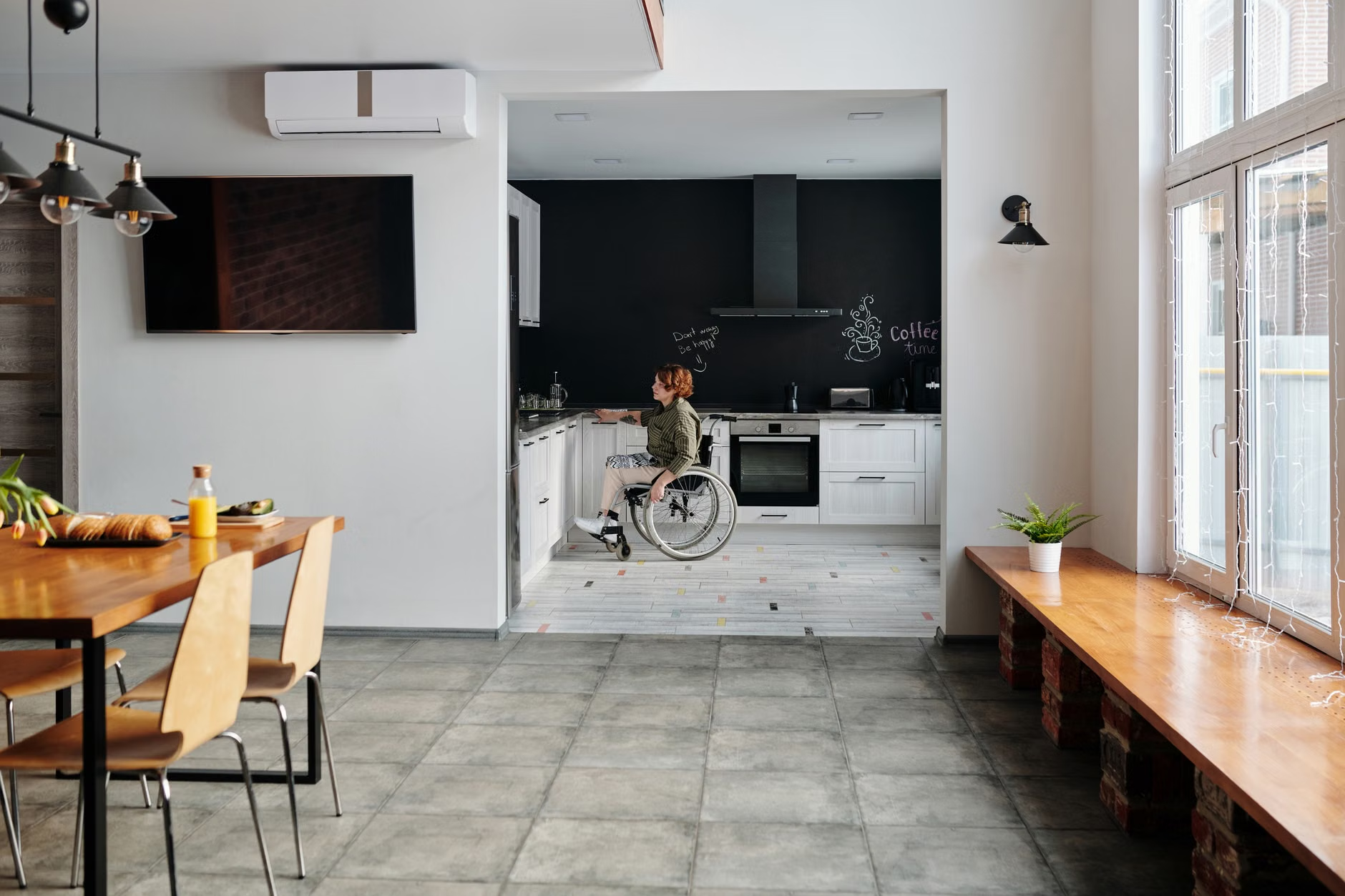
What to look for: When designing or selecting an ADU, prioritize “universal design” principles. This includes zero-step entries, wide hallways (at least 36 inches), lever-style door handles, and curbless showers. These features are not just for mobility; they are for long-term accessibility that ensures the unit remains usable as physical needs change.
Structured Home-Sharing Programs
Home-sharing involves a senior homeowner renting out a room to a younger individual, often in exchange for a lower rent and a small amount of household assistance or companionship. In 2026, many non-profit organizations and digital platforms have standardized the vetting process for these arrangements. This includes mandatory background checks, personality matching, and trial periods.
Practical step: If you are considering this, do not rely on informal agreements. Use a standardized Living Agreement document that outlines exactly what is expected regarding noise, cleaning, guests, and assistance. A common mistake is assuming that “help” is implied; it must be clearly defined in writing to avoid friction.

Financial and Legal Considerations
Entering an intergenerational living arrangement involves more than just social compatibility; it involves significant financial and legal planning. Because laws regarding property taxes, zoning, and rental income vary wildly by country—and even by municipality—it is critical to perform due diligence before making any structural changes to your home or entering a long-term contract.
Zoning and Property Taxes
In many regions across North America and Europe, 2026 has seen a loosening of “single-family zoning.” However, this does not mean you can build or rent without oversight. You must check with your local planning department regarding:
- Permitting: Does your property meet the size and setback requirements for an ADU?
- Utility Load: Will adding an extra kitchen or bathroom require a significant upgrade to your home’s electrical or sewage systems?
- Tax Implications: In some jurisdictions, renting out a portion of your home may change your property tax classification or impact your eligibility for senior-specific property tax exemptions.
Insurance and Liability
Inviting someone to live in your home or moving into a shared space changes your liability profile. You must speak with your insurance provider to ensure your policy covers long-term occupants or boarders. Failure to update your policy could result in a denied claim if an accident occurs on your property.
Technology in 2026 acts as the “glue” that makes intergenerational living more sustainable. Digital platforms now allow for the easy management of shared expenses through automated apps, ensuring that utility bills and groceries are split fairly without the need for uncomfortable conversations.
Furthermore, smart home technology has become a vital tool for safety. Motion sensors, smart locks, and video doorbells can provide peace of mind for both the senior and their younger housemates. For example, a smart lock allows for secure entry for caregivers or family members if the senior is unable to reach the door, while ambient monitoring systems can alert a designated contact if there is an unusual lack of activity, all without the intrusive feeling of a camera system.

Before jumping into a shared housing arrangement, it is helpful to conduct a self-assessment. This is not about your health status, but about your personality and lifestyle preferences. Ask yourself the following questions:
- Privacy Needs: How much time do I need in total solitude? If a shared living space does not offer a truly private “retreat” area, will I feel overwhelmed?
- Conflict Resolution: Am I comfortable addressing issues directly when they arise, or do I prefer to avoid confrontation? Shared living requires a high level of communication.
- Flexibility: Am I willing to adapt my daily schedule to accommodate the needs of others, such as shared kitchen usage or noise levels during the evening?
If you find that your need for privacy is very high, an ADU or a co-housing unit with a separate entrance and kitchen is likely a better fit than a traditional room-sharing setup. If you are looking for active social interaction and help with household chores, a structured home-sharing program might be more rewarding.
The transition to an intergenerational model should be treated as a project, not an event. Start by researching the regulations in your specific city. For those in the United States, resources like the AARP Livable Communities initiative provide excellent state-by-state guides on ADU laws. In the United Kingdom, the Shared Lives Plus network offers guidance on matching and legal protections for home-sharing.
Once you have identified your preferred model, take the time to interview potential housemates or neighbors. Treat this process as seriously as hiring a professional for a service. Ask for references, conduct multiple conversations, and do not hesitate to walk away if the “vibe” is not right. The goal is to create a living situation that enhances your life, not one that adds a new layer of stress.
Conclusion: The Future of Living Together
The 2026 shift toward intergenerational housing is a positive development for many adults aged 60 to 80. By moving away from the isolation of traditional senior-only environments or the logistical challenges of maintaining a large family home alone, you can find a balance that offers both independence and community. The key to success lies in careful legal and financial preparation, a clear understanding of your own boundaries, and the courage to design a living situation that truly meets your needs.
As you explore these options, remember that your housing is your foundation. Whether you choose to modify your current home or join a new community, ensure that your decision is based on your long-term goals for mobility, social connection, and financial stability. The right arrangement can provide you with the support you need to remain an active and vital part of your community for years to come.
Frequently Asked Questions
1. Does moving into an intergenerational home affect my pension or government benefits?
In most jurisdictions, your primary residence status does not change, but you should verify if rental income from an ADU or a boarder affects your income-tested benefits. Always consult with your local social security or tax office, as rules vary by country (e.g., the Social Security Administration in the US or the Department for Work and Pensions in the UK).
2. What is the most important feature to include if I am renovating my home for long-term accessibility?
The most critical feature is “zero-step” entry. Ensuring that you can enter your home and move between rooms without navigating stairs is the single biggest factor in your ability to age in place safely. If you only have the budget for one renovation, prioritize the bathroom (widening doors and installing grab bars) and the main entrance.
3. How do I find trustworthy housemates or co-housing communities?
Avoid generic classified ads. Use established, vetted platforms or non-profit organizations that specialize in intergenerational matching. These organizations often provide legal templates for agreements and conduct background checks, which are essential for your safety and protection.
Official Resources for Further Research: