- Social Resilience: Seed-swapping creates structured opportunities for regular social interaction, which is a key factor in maintaining cognitive health and emotional well-being.
- Adaptive Gardening: Swapping locally sourced seeds allows gardeners to acquire varieties that are already adapted to their specific micro-climate, leading to higher success rates and less physical strain.
- Knowledge Legacy: Participating in swaps facilitates the intergenerational transfer of gardening skills, allowing older adults to act as mentors and community anchors.
Community seed-swapping is more than a simple exchange of plant matter; it is a sophisticated, low-cost, and highly effective social infrastructure that supports active aging. For adults aged 60 to 80, the act of collecting, storing, and trading seeds provides a unique intersection of physical activity, cognitive engagement, and community building.
By participating in these networks, you move beyond the solitary nature of backyard gardening and into a collaborative ecosystem that benefits both your garden’s health and your own social connectivity.
The Social and Cognitive Value of Seed-Swapping
As we age, the nature of our social networks often shifts. Retirement, changes in mobility, or the loss of long-term acquaintances can lead to a narrowing of social circles. Seed-swapping provides a “low-pressure” social environment—a space where interaction is centered around a shared, productive task rather than forced conversation.
Why this matters for your brain: Research suggests that engaging in “purposeful social activity” is significantly more effective at maintaining executive function than passive socializing. When you trade seeds, you are navigating complex social exchanges, remembering specific plant requirements, and managing organizational tasks. This is a form of cognitive training that feels like a hobby.
In a real-life scenario, consider a local library or community center event. You arrive with your surplus seeds (perhaps a particularly hardy variety of tomato). You aren’t just handing over a packet; you are explaining how to grow it. This exchange validates your expertise. It transforms you from a recipient of services into a contributor to the community. This shift in identity—from retiree to mentor—is a powerful psychological anchor.
Understanding the Mechanics of a Seed Swap
Seed-swapping is not a chaotic trade; it is a structured hobby that requires basic organizational skills. To participate effectively, you must understand the “life cycle” of a seed swap, which consists of four phases: selection, drying, storage, and exchange.
1. Selection and Preservation
Do not attempt to save seeds from every vegetable. Focus on “Open-Pollinated” or “Heirloom” varieties. Hybrid seeds (often marked F1) will not grow “true to type,” meaning the fruit produced next year will likely be different from the parent. For the beginner, peas, beans, and tomatoes are the easiest to start with because they are self-pollinating and less likely to cross-pollinate with other varieties in your garden.
2. The Drying Phase
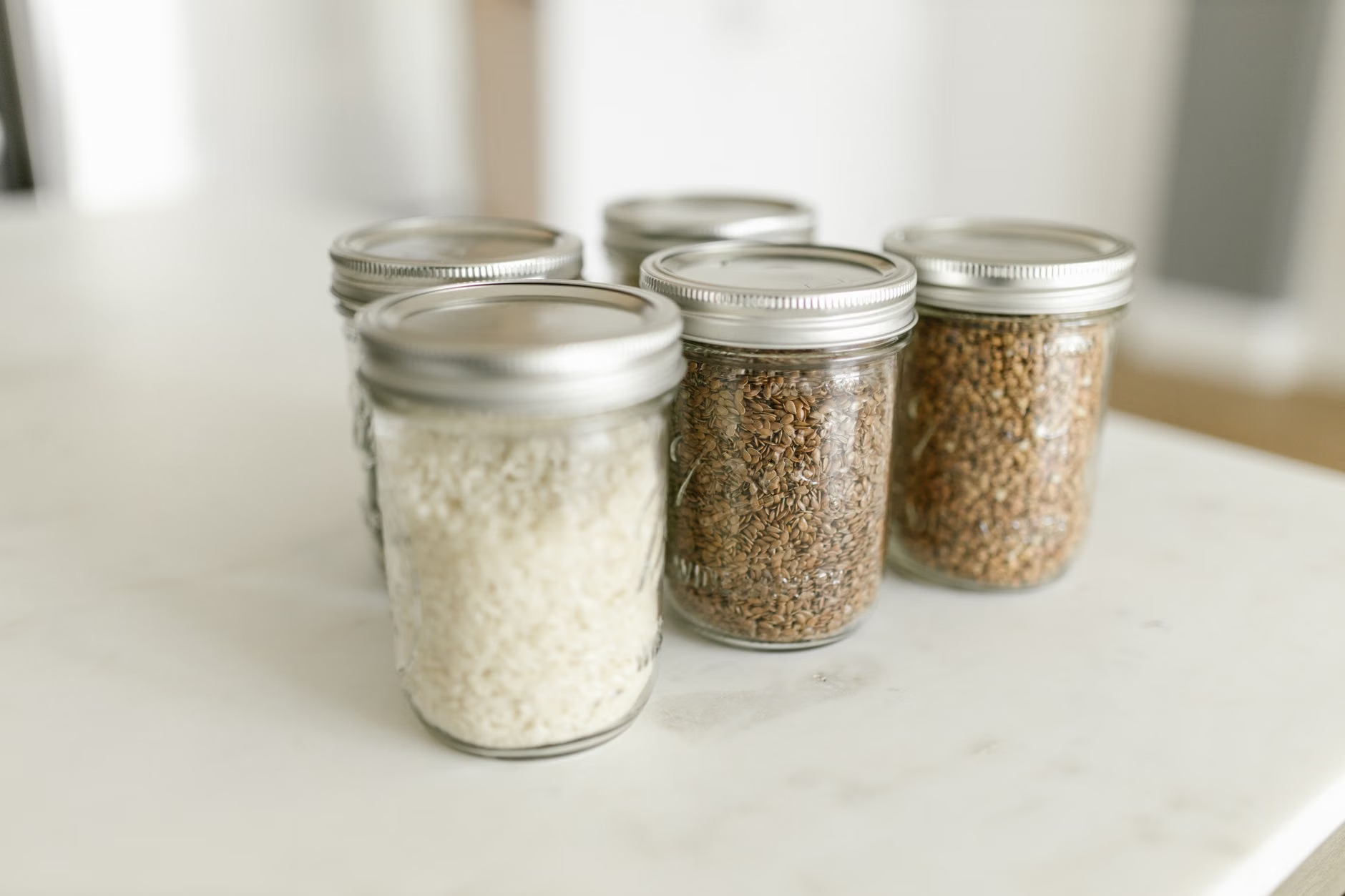
Moisture is the enemy of seed longevity. After harvesting, seeds must be thoroughly dried. A common mistake is placing seeds in plastic bags while they are still slightly damp, which leads to mold. Use paper envelopes or small paper bags. Place these in a cool, dark, and dry location for at least two weeks before sealing them permanently.
3. Storage and Labeling
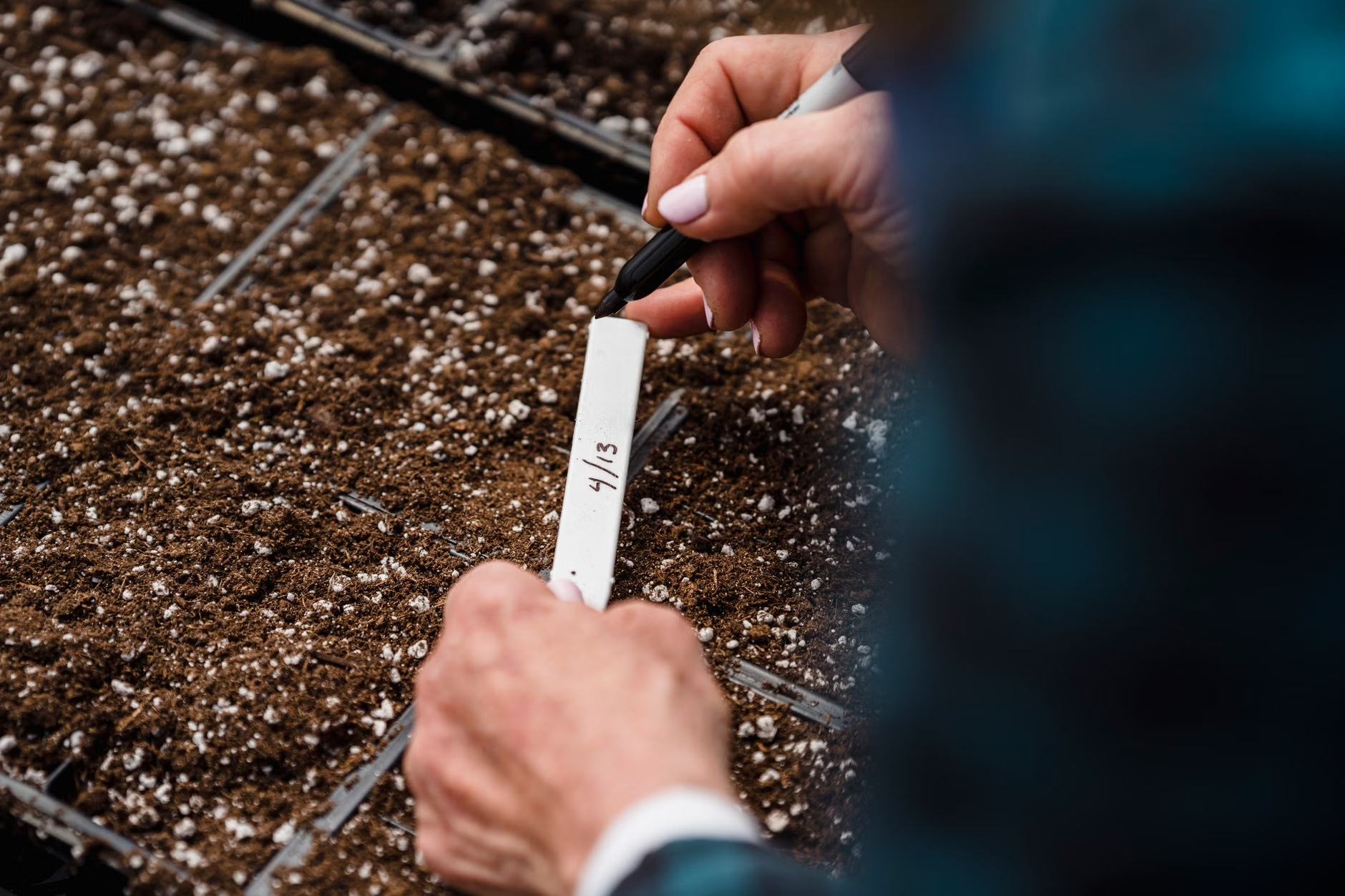
Your labeling system must be clear and durable. Use a permanent marker to record the following information on every envelope:
- Plant Name: (e.g., “Beefsteak Tomato”)
- Variety: (e.g., “Brandywine”)
- Harvest Date: (e.g., “September 2023”)
- Source: (e.g., “Grown in my backyard, North-facing plot”)
Selecting the Right Swap Environment
Not all seed swaps are the same. When looking for a group, consider your current physical mobility and the logistical requirements of the event.
| Type of Swap | Best For | Accessibility Considerations |
|---|---|---|
| Local Library/Community Center | Beginners and those who prefer indoor, climate-controlled environments. | Check for elevator access and proximity to accessible parking. |
| Garden Club Meetings | Those seeking deep technical knowledge and long-term friendships. | Often involve standing; ask if the venue provides adequate seating for discussions. |
| Online/Mail-based Swaps | Those with limited mobility or those who prefer digital coordination. | Requires comfort with shipping logistics and potentially higher costs for postage. |
Decision Criteria: If you have limited stamina or mobility, prioritize local, indoor events held at community centers. These venues are legally required in many jurisdictions (such as under the Americans with Disabilities Act in the US or the Equality Act in the UK) to provide accessible facilities. If you choose an online swap, ensure you are comfortable with the digital platforms used, such as Facebook Groups or specialized gardening forums, and always verify the reputation of the trader before sharing your home address.
Overcoming Barriers: Safety and Logistics
One of the primary concerns for older adults joining new groups is the potential for scams or the influx of poor-quality materials. To protect yourself, follow these practical rules:
- Start Small: Never commit to a large-scale trade on your first outing. Swap one or two varieties to test the quality of the seeds you receive.
- Verify the Source: If you are swapping online, look for members who have a history of positive feedback. Avoid “too good to be true” offers of rare or exotic seeds that require specific climate conditions you cannot replicate.
- The “Three-Year Rule”: Most vegetable seeds remain viable for 2–3 years if stored properly. If someone offers you “vintage” seeds that are 5+ years old, be aware that the germination rate will likely be very low.
If you are attending a physical event, consider your energy levels. These gatherings can be stimulating but exhausting. Plan for a “recovery window” the following day. Don’t feel pressured to stay for the entire duration; a 30-minute visit is often sufficient to make meaningful connections and secure a few new varieties.
The Intergenerational Advantage
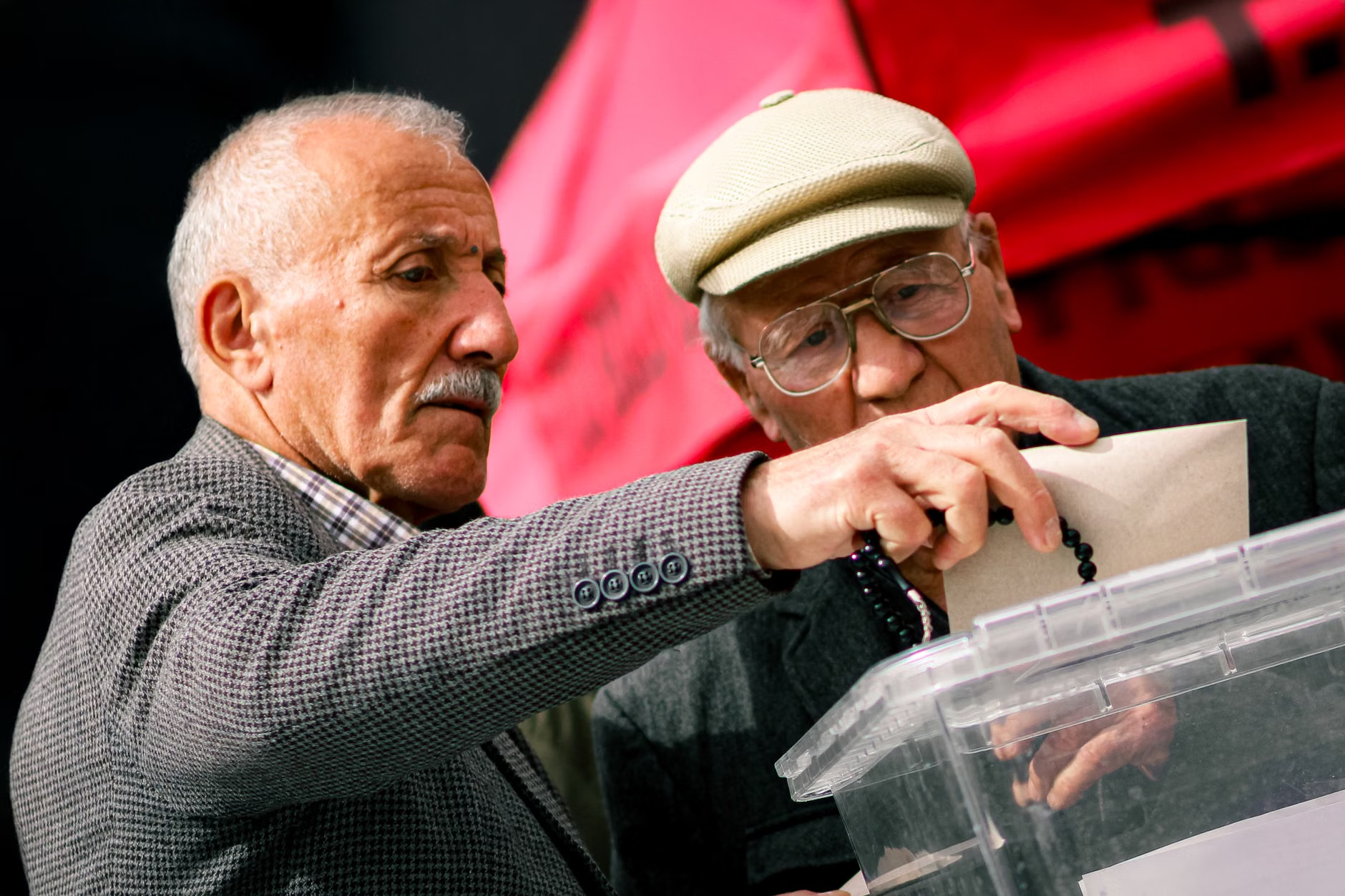
Seed-swapping serves as a natural bridge between generations. Younger gardeners are often eager to learn the “old ways”—how to judge soil quality by touch, how to identify pests without chemical intervention, and how to preserve food. By sharing your seeds, you are essentially sharing a narrative of your gardening history.
This is not merely social pleasantry; it is a vital contribution to community resilience. In many regions, the loss of “local knowledge” regarding climate-specific gardening is a significant issue. By maintaining and trading seeds that have successfully grown in your specific neighborhood, you are preserving genetic lines that are better suited to your local environment than mass-produced seeds bought from big-box retailers.
Practical Tip: When you give seeds to a younger person, include a small “instruction card” with your personal tips (e.g., “These need extra water in July” or “Stake these early”). This adds a personal touch that transforms a simple packet of seeds into a valued gift.
If you are saving seeds, you are likely still gardening. As we age, the physical demands of gardening can become a barrier. Seed-swapping can actually help you mitigate these challenges by allowing you to swap for “easier” varieties.
For example, if kneeling is difficult, look for bush-variety beans instead of pole-variety beans, or container-friendly tomato varieties that can be grown on a waist-high balcony table. When you are at a seed swap, ask specifically for “dwarf” or “container” varieties. These plants require less bending, less staking, and less physical maintenance, allowing you to enjoy the hobby for longer.
Checklist for Seed-Swap Preparation
- Inventory: List what you have and what you are looking for.
- Packaging: Ensure you have plenty of small envelopes. Do not use plastic bags; seeds need to “breathe” to avoid rot.
- Tools: Bring a magnifying glass if you struggle with fine print, and a pen for last-minute adjustments.
- Hydration/Comfort: If the event is outdoors, bring a folding stool. Never assume seating will be provided.
The Hidden Inconvenience: Germination Failure
A common frustration, even for experienced gardeners, is when seeds fail to germinate. It is important to remember that seed viability is influenced by factors outside your control, such as how the previous owner stored them or the specific weather conditions of the season they were harvested. Do not take a failure as a personal reflection on your gardening skills.
If you find that a swap resulted in a poor harvest, be honest with the person you traded with. They may not realize their storage method was flawed. This feedback loop is how communities improve their collective success. It is not a criticism; it is a contribution to the group’s shared knowledge.
Conclusion: Taking the First Step
The social value of seed-swapping lies in its ability to turn a quiet, solitary hobby into an active, community-integrated lifestyle. By focusing on local, open-pollinated varieties and engaging with others to share both seeds and stories, you contribute to a cycle of sustainability and mutual support.
Your next step is simple: search for “seed library” or “seed swap [your city/region]” to find local groups. If no such group exists, consider reaching out to your local library or community garden coordinator to propose a small-scale exchange. You have the experience, the knowledge, and the resources to build a network that benefits your entire community.
Frequently Asked Questions
1. Is it safe to trade seeds with strangers?
Generally, yes, provided you are dealing with local, non-commercial varieties. The primary risk is not health-related, but rather the risk of the seeds not being “true to type” or having a low germination rate. Stick to reputable local groups where members are known to one another, and always ask about the origin of the seeds.
2. Do I need to be an expert gardener to participate?
Absolutely not. Seed-swapping groups thrive on diversity. Even if you only have one type of seed to share, your participation is valuable. Many groups welcome beginners and are happy to provide guidance on how to get started with basic varieties like beans or sunflowers.
3. How do I know if the seeds I am receiving are good quality?
While you cannot be 100% sure until you plant them, look for clear labeling (variety, year of harvest, and source). Avoid seeds that appear discolored, shriveled, or have visible debris. If you are ever in doubt, you can perform a simple “paper towel germination test” at home before planting them in the ground to check if they are viable.
Official resources for further learning on seed saving and gardening: