- Prioritize Accessibility Infrastructure: Look for resorts that explicitly mention “barrier-free” (BF) status, focusing on step-free entries, handrails in pools, and non-slip surfaces rather than just “luxury” amenities.
- Thermal Safety Management: Older adults should prioritize shorter, frequent soaks (10–15 minutes) over long sessions to prevent dehydration and orthostatic hypotension (dizziness upon standing).
- Strategic Planning: Always verify the distance between the changing area and the water entry point, as long, cold, or slippery transitions pose the highest risk of falls.
Introduction: The Intersection of Wellness and Accessibility
For many travelers, the appeal of hot springs lies in the combination of relaxation, mineral-rich water, and the quiet pace of a restorative getaway. However, for travelers aged 60 to 80, the “spa experience” requires more than just a beautiful view. It demands a rigorous evaluation of physical accessibility, thermal safety, and facility design. Selecting the right destination is not merely about comfort; it is a proactive step in ensuring that your travel remains safe, sustainable, and enjoyable.
This guide provides a systematic approach to selecting hot spring destinations, moving beyond marketing brochures to the practical realities of mobility and health. We will explore how to vet facilities, manage the physiological impacts of heat, and plan an itinerary that respects your stamina.
1. Vetting Facilities: Beyond the “Accessible” Label
Many destinations market themselves as “senior-friendly,” but this term is often subjective. To make an informed choice, you must look for specific technical features that support mobility. A facility that is merely “scenic” may be a hazard if it involves steep stairs or uneven, wet surfaces.
The Accessibility Checklist
When contacting a resort or reviewing their website, do not settle for general claims. Ask for specific details regarding the following:
| Feature | What to Look For | Why It Matters |
|---|---|---|
| Pool Entry | Zero-entry (sloped) or hydraulic lift/stair rails. | Reduces the risk of falls when entering water. |
| Surface Material | Non-slip tiles or textured stone, not polished marble. | Wet, smooth surfaces are the primary cause of bathroom/spa injuries. |
| Transition Paths | Wide, flat, and well-lit walkways from the dressing room. | Prevents fatigue and tripping before reaching the water. |
| Support Staff | On-site attendants trained in assisting guests with mobility aids. | Provides an extra layer of safety in case of a medical event. |
Practical Decision Rule: If a resort cannot provide photos or written confirmation of handrails within the pools, it is safer to exclude that destination from your list. Never assume that “luxury” implies “accessible.” In many historic hot spring towns, luxury hotels are renovated heritage buildings that may still possess unavoidable stairs.
2. Physiological Considerations: Managing Heat and Stamina
As we age, our body’s ability to regulate temperature—thermoregulation—becomes less efficient. Hot springs, while therapeutic, place a significant demand on the cardiovascular system. The heat causes peripheral vasodilation (widening of blood vessels), which can lead to a drop in blood pressure.
The “15-Minute Rule”
The most common mistake seniors make is attempting to “soak away” aches in a single, hour-long session. This is counterproductive and potentially dangerous. Instead, adopt a segmented approach:
- Initial Phase: Limit the first soak to 10 minutes to allow your body to acclimate.
- Recovery Phase: Exit the pool and sit in a cool or temperate area for at least 15–20 minutes. Drink water to replenish lost fluids.
- Secondary Soak: If you feel steady and refreshed, a second 10-minute soak is acceptable.
Warning Signs: If you experience lightheadedness, a racing heart, or a “heavy” feeling in your limbs, exit the water immediately. Do not stand up abruptly. Use the handrails, sit on the edge of the pool if possible, and wait for the dizziness to subside before walking to the changing room.
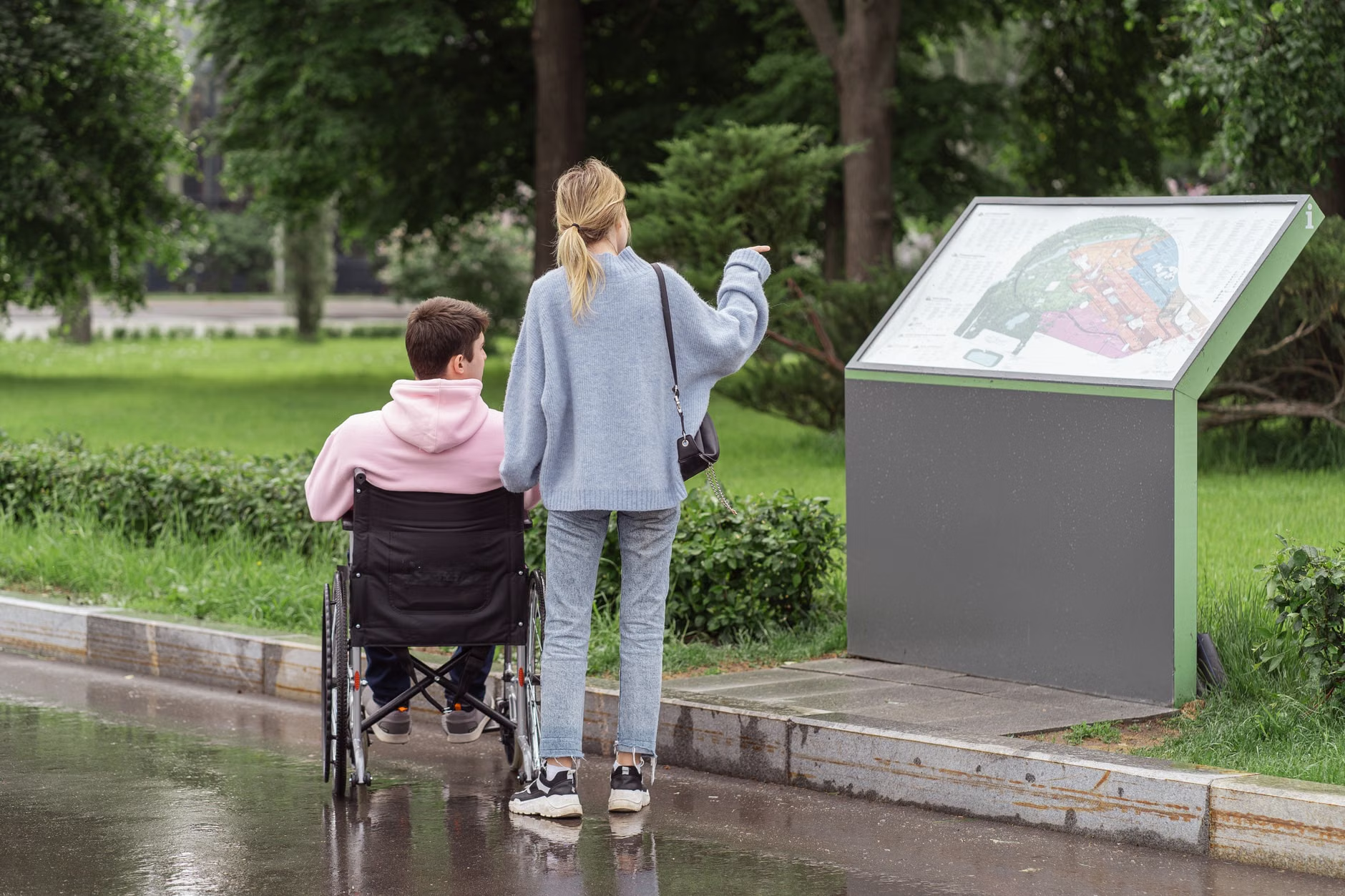
A destination is only as accessible as the journey to get there. Many world-renowned hot spring towns are located in mountainous or rural regions. Before booking, map the “last mile” of your journey.
The “Last Mile” Mobility Audit
Even if a hotel is accessible, the surrounding town might not be. Consider these three variables:
- Topography: Are the streets hilly? A 500-meter walk to a restaurant may be manageable in a flat city but exhausting on an incline.
- Public Transit: Does the local bus or shuttle have a low floor or a wheelchair lift?
- Private Transfer: If public transport is challenging, calculate the cost of private taxis into your budget. In many regions, the cost of a private car service is a necessary investment for energy conservation.
Insight: Look for “integrated” resorts. These are facilities where your accommodation, dining, and bathing areas are connected via elevators or flat corridors. This allows you to stay in comfortable clothing (or a robe) and minimizes the need to navigate external, unpredictable terrain during your stay.
4. Preparing for the Trip: Health Documentation
When traveling, especially to remote areas, you should always have a “medical information card” in your wallet. This is not for a diagnosis, but for emergency responders.
Include the following:
- Current Medications: Specifically those that affect blood pressure or heart rate.
- Allergies: Any known reactions to materials (e.g., latex) or medications.
- Emergency Contact: A family member or caregiver reachable during your travel dates.
- Physician Contact: Your primary care provider’s name and phone number.
If you have a chronic condition, such as hypertension or heart disease, consult your doctor about the potential impact of mineral-rich water. Some minerals can affect skin conditions or interact with certain medications. It is not about avoiding hot springs, but about understanding the specific mineral composition of the water you are entering.
5. Essential Gear for Senior Travelers
Packing for a hot spring trip requires a focus on safety-oriented items that you might not consider for a standard beach vacation.
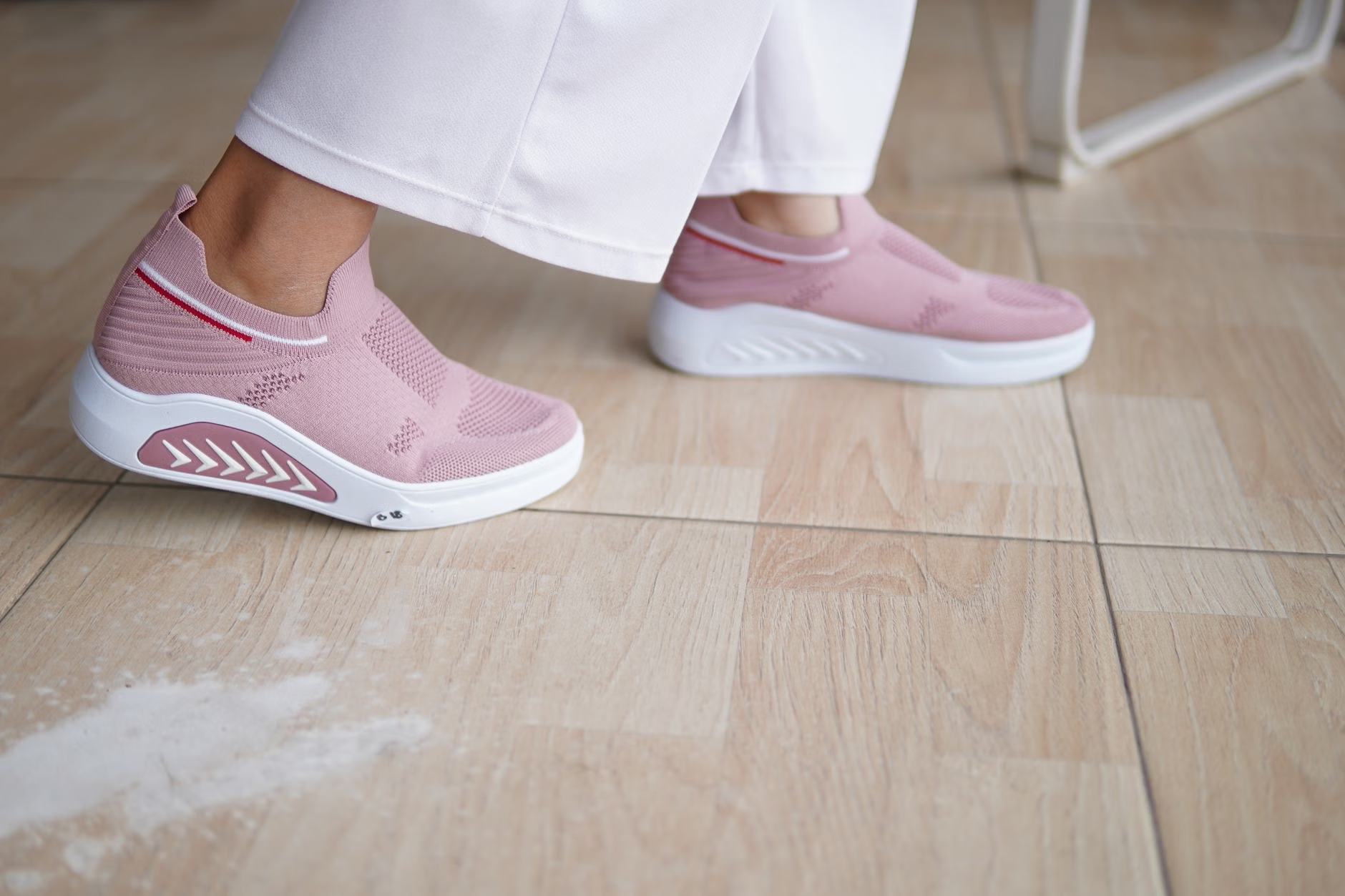
- Non-slip footwear: High-quality, rubber-soled water shoes are non-negotiable. Ensure they have a strong grip.
- Extra-large, absorbent towels: Often, resort towels are small. Bringing your own ensures you have a dry, secure wrap for your walk back to the room.
- Hydration electrolytes: Standard water is good, but electrolyte powder packets can help maintain balance after heat exposure.
- A sturdy robe: Choose one that is easy to put on and take off, with a secure tie, to prevent tripping.
6. Evaluating Cost vs. Value in Accessibility
Accessible rooms and services often come at a premium. However, it is important to distinguish between “luxury” and “accessibility” costs. A high-end room with a private balcony is a luxury; a room with a walk-in shower and grab bars is a necessity.
When reviewing prices, prioritize the following:
- Ground Floor Access: If an elevator is out of service, a ground-floor room becomes a vital safety feature.
- Proximity: Paying more for a room closer to the main bathhouse reduces the distance you need to walk, effectively doubling your energy for the activities you actually enjoy.
- Inclusive Services: Some resorts offer “wellness packages” that include guided, gentle movement classes or nutritional support. These can be more cost-effective than booking services individually.
7. Understanding Regional Variations
Hot spring culture varies significantly by country. For example, in Japan (the *Onsen* tradition), etiquette often mandates nudity and separate gender bathing, which may be challenging for those who require assistance from a spouse of a different gender. In European countries like Germany or Hungary, spa culture often centers on large, public thermal complexes that are highly modernized and feature extensive medical supervision.
Always research the local “bath etiquette” before booking. If you require assistance, look for “private family baths” or “accessible bathing hours” which some resorts offer specifically for guests with mobility needs or those who need a caregiver present.
8. The Psychological Benefits of Mindful Travel
Beyond the physical benefits, the psychological impact of travel in your 60s and 70s is profound. It provides mental stimulation, breaks the routine of daily life, and fosters a sense of agency. The key to maintaining this is to shift the goal from “seeing everything” to “experiencing quality.”
By selecting a hot spring destination that respects your mobility and physical limits, you are not limiting your travel—you are curating it. You are choosing to spend your energy on the moments that matter most, rather than on navigating obstacles that can be avoided with proper research.
Conclusion: The Path Forward
Selecting a hot spring destination as an older adult is an exercise in preparation. By prioritizing non-slip surfaces, proximity to facilities, and thermal safety, you transform a potentially stressful trip into a truly restorative experience. Remember that your safety is the foundation of your enjoyment. Take the time to call the resort, verify the accessibility features, and pack the right gear. With these steps, you can focus on the healing properties of the water and the peace of mind that comes with a well-planned, accessible journey.
Frequently Asked Questions (FAQ)
1. Is it safe to use a hot spring if I have high blood pressure?
This depends on the severity of your condition and your doctor’s guidance. Heat can cause blood vessels to expand, which may lead to a sudden drop in blood pressure when you stand up. Always consult your physician before visiting a hot spring and start with very short, 5-minute soaks to see how your body reacts.
2. How can I find out if a resort is truly accessible?
Do not rely solely on website photos. Call the front desk and ask specific questions: “How many steps are there between the changing room and the pool?” and “Are there grab bars inside the pool?” If they cannot answer, ask to be emailed photos of the pool entry and the bathroom in the room. Reliable resorts will be happy to provide this information to ensure your safety.
3. What should I do if I feel dizzy after a soak?
Immediately sit down on a bench or the edge of the pool. Do not try to walk to the changing room while feeling lightheaded. Drink water, take slow, deep breaths, and wait at least 10–15 minutes until you feel completely steady. If the dizziness persists, ask a staff member for assistance. Never ignore these signs, as they are your body’s way of asking for a recovery period.
Disclaimer: The information provided in this article is for educational purposes only and does not constitute medical advice. Always consult with your healthcare provider regarding your specific health status before engaging in activities involving extreme temperatures or physical exertion.
Official Resources for Further Research: