- Intergenerational housing in 2026 moves beyond simple roommate models to purpose-built, community-integrated ecosystems that prioritize privacy and autonomy.
- Financial stability is a primary driver; shared housing models now frequently include legal frameworks that protect the rights and assets of both senior homeowners and younger tenants.
- Success in these living arrangements depends on clear, written agreements regarding household chores, noise levels, and emergency communication protocols before moving in.
As we head into 2026, the concept of “intergenerational housing”—living arrangements where seniors and younger generations share space—is undergoing a significant transformation. Once viewed primarily as a niche solution for financial hardship, these models are now being adopted as a proactive, lifestyle-based strategy for aging in place. By combining the life experience and home equity of older adults with the energy, technical literacy, and occasional assistance of younger people, these arrangements create mutually beneficial environments.
Historically, intergenerational living often happened by necessity within families. In 2026, however, we are seeing the rise of “formalized” intergenerational housing. This shift is driven by a global need for housing efficiency and a growing desire among older adults to remain in their own homes or communities rather than moving into age-segregated facilities.
What differentiates the current landscape from previous years is the integration of digital platforms and legal frameworks that make these arrangements safer and more transparent. Municipalities in parts of Europe and North America have begun updating zoning laws to allow for Accessory Dwelling Units (ADUs) and multi-generational zoning, making it easier for homeowners to host younger residents without violating local bylaws.

Types of Intergenerational Housing Models
Not all shared living models are the same. Understanding the differences is critical for determining which arrangement fits your lifestyle, physical needs, and privacy requirements.
| Model | Primary Benefit | Best For |
|---|---|---|
| Home Sharing | Low cost, companionship | Seniors with extra rooms |
| Co-Housing | Shared facilities, community | Socially active individuals |
| ADU Rental | High privacy, income | Those wanting independence |
Home Sharing Explained
Home sharing typically involves a senior homeowner offering a spare room to a student or young worker at a reduced rent in exchange for a set number of hours of “helping” per week. This help might include grocery shopping, light cleaning, or simply checking in during the evening. It is vital to note that this is not professional caregiving. If you require medical assistance, this model is not a substitute for professional home health services.
Co-Housing Communities
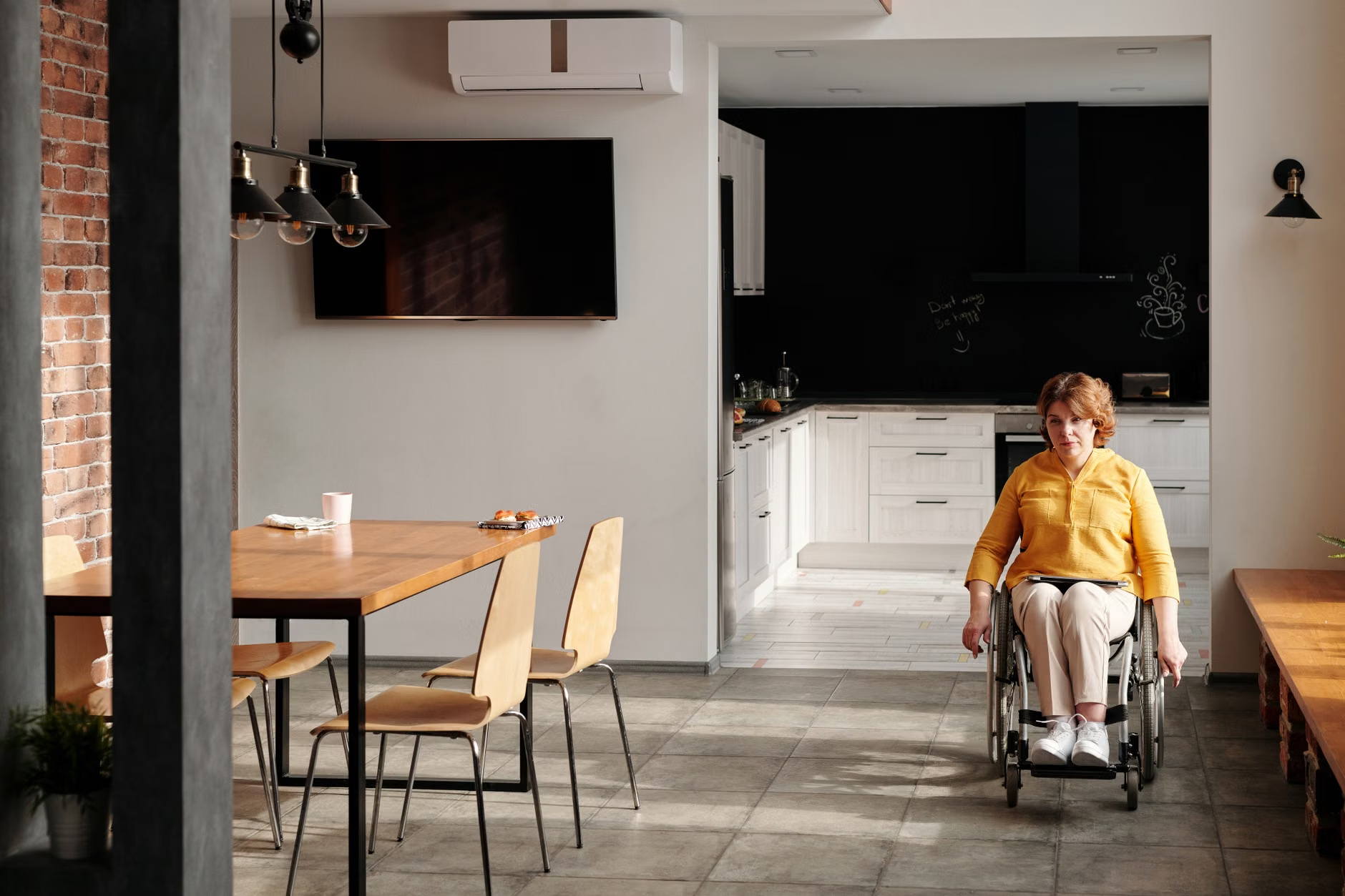
Co-housing is a more structured arrangement where residents own or rent private units but share large common areas, such as a kitchen, garden, or workshop. In 2026, these communities are increasingly designed with “universal design”—features like wider doorways, step-free access, and high-contrast lighting—ensuring that residents can age in place even if their mobility changes over time.

Before committing to an intergenerational arrangement, it is essential to conduct a personal audit of your needs and expectations. Living with someone from a different generation requires a high degree of flexibility and clear communication.
The “Lifestyle Compatibility” Checklist
When interviewing potential housemates, consider the following practical markers:
- Noise and Routine: Does the younger person have a shift-work schedule that might conflict with your sleep patterns?
- Common Area Usage: How will the kitchen and living room be shared? Are you comfortable with their friends visiting, and how often?
- Emergency Protocol: In the event of a health incident, does the housemate know who to call? Have you clearly communicated your emergency contacts?
- Expectation of Assistance: Is there a clear, written distinction between “helpful neighbor” tasks (like taking out the trash) and “caregiving” tasks (like assistance with medication or bathing)? Never assume a housemate can provide medical support.
Legal and Financial Considerations
One of the most significant risks in informal housing arrangements is the lack of a formal agreement. In 2026, experts strongly recommend that all parties sign a written agreement, regardless of how well they know each other.
Essential Elements of a Housing Agreement
Your agreement should explicitly detail the following:
- Financial Obligations: Clearly state the rent amount, utility split, and any exchange of services. If services are exchanged for rent, place a monetary value on those services to avoid future disputes.
- Trial Period: Include a 30-day “probationary” period where either party can terminate the agreement with minimal notice if the arrangement is not a good fit.
- Privacy Clauses: Define which areas of the home are strictly private and which are shared.
- Dispute Resolution: Agree on how conflicts will be handled. Many successful arrangements use a neutral third party or a pre-agreed mediation process.
From a tax and pension perspective, ensure you understand how rental income affects your specific jurisdiction’s tax laws. In some countries, renting a room in your primary residence may be subject to different tax rules than commercial property. Consult a tax professional to ensure you are compliant with local regulations.
While the benefits—social connection, financial stability, and shared household maintenance—are significant, challenges can arise. The most common pitfall is a “mismatch of expectations.”
The “Hidden Inconvenience” Factor
Often, seniors underestimate the impact of having a different energy level in the home. A younger person might be highly active in the late evening, while you prefer a quiet house by 8:00 PM. This is not necessarily a “bad” thing, but it is a potential friction point. The solution is not to change the other person, but to establish clear boundaries in the initial agreement, such as “quiet hours” or specific rules regarding guests.
Safety and Security
When inviting someone into your home, prioritize your safety. This includes conducting background checks through reputable agencies, requesting references from previous landlords, and ensuring that your home’s security systems (such as smart locks or doorbell cameras) are functioning properly. Never share your bank passwords or sensitive personal documents with a housemate.
Actionable Steps for 2026
If you are considering an intergenerational housing arrangement, follow these steps to proceed safely:
- Research Local Programs: Many cities now have non-profit agencies that act as “matchmakers” for intergenerational housing. These organizations often conduct background checks and provide template agreements.
- Consult Family Members: While this is your decision, keep your family or caregivers in the loop. They can provide an objective perspective on the safety and viability of the arrangement.
- Evaluate Your Home: If you are the homeowner, assess your property. Does it require modifications to ensure the tenant has privacy? Consider the cost of these modifications versus the long-term financial benefit of the rent.
- Draft a Written Agreement: Do not rely on verbal promises. Use a formal lease or contract that covers all aspects of the living arrangement.
Conclusion
Intergenerational housing in 2026 offers a viable, modern solution for those looking to optimize their living space and foster meaningful social connections. By approaching the process with a focus on clear communication, legal safeguards, and a realistic assessment of your personal needs, you can turn a housing challenge into an opportunity for growth and companionship. As with any significant life change, take your time, conduct your due diligence, and prioritize your personal comfort and security above all else.
Frequently Asked Questions
1. Is intergenerational housing the same as living in an assisted living facility?
No. Intergenerational housing is typically a private home or a co-housing community where residents live independently. It does not include professional medical care or nursing staff, unlike assisted living facilities.
2. How do I find a compatible housemate?
Look for reputable non-profit home-sharing organizations in your area. These groups specialize in vetting both homeowners and potential tenants to ensure a good match based on lifestyle, values, and needs.
3. What if the arrangement doesn’t work out?
This is why a written agreement with a “termination clause” is essential. By including a clear notice period and a defined process for ending the arrangement, you protect yourself if the living situation becomes uncomfortable or unsustainable.
Sources:
AARP: Housing and Communities
World Health Organization: Age-friendly Environments