Key Takeaways for Your Journey
- Prioritize Accessibility: Choose a “one-bag” strategy with lightweight, four-wheeled luggage to minimize physical strain and navigate narrow train corridors with ease.
- Optimize Your Cabin Space: Pack an “essential pouch” containing everything you need for the night, keeping your larger luggage stored away to prevent tripping hazards.
- Manage Physical Comfort: Plan for temperature fluctuations and limited mobility by packing layers, compression socks, and a compact footrest to improve circulation during long hours of sitting or sleeping.
Overnight train travel offers a unique, rhythmic way to traverse long distances, turning the journey itself into a highlight of your trip. For older adults, however, the experience can quickly shift from relaxing to exhausting if the logistics of packing and mobility are not carefully managed. The goal is to arrive at your destination refreshed, not strained.
The Philosophy of “Strategic Minimalism” for Rail Travel
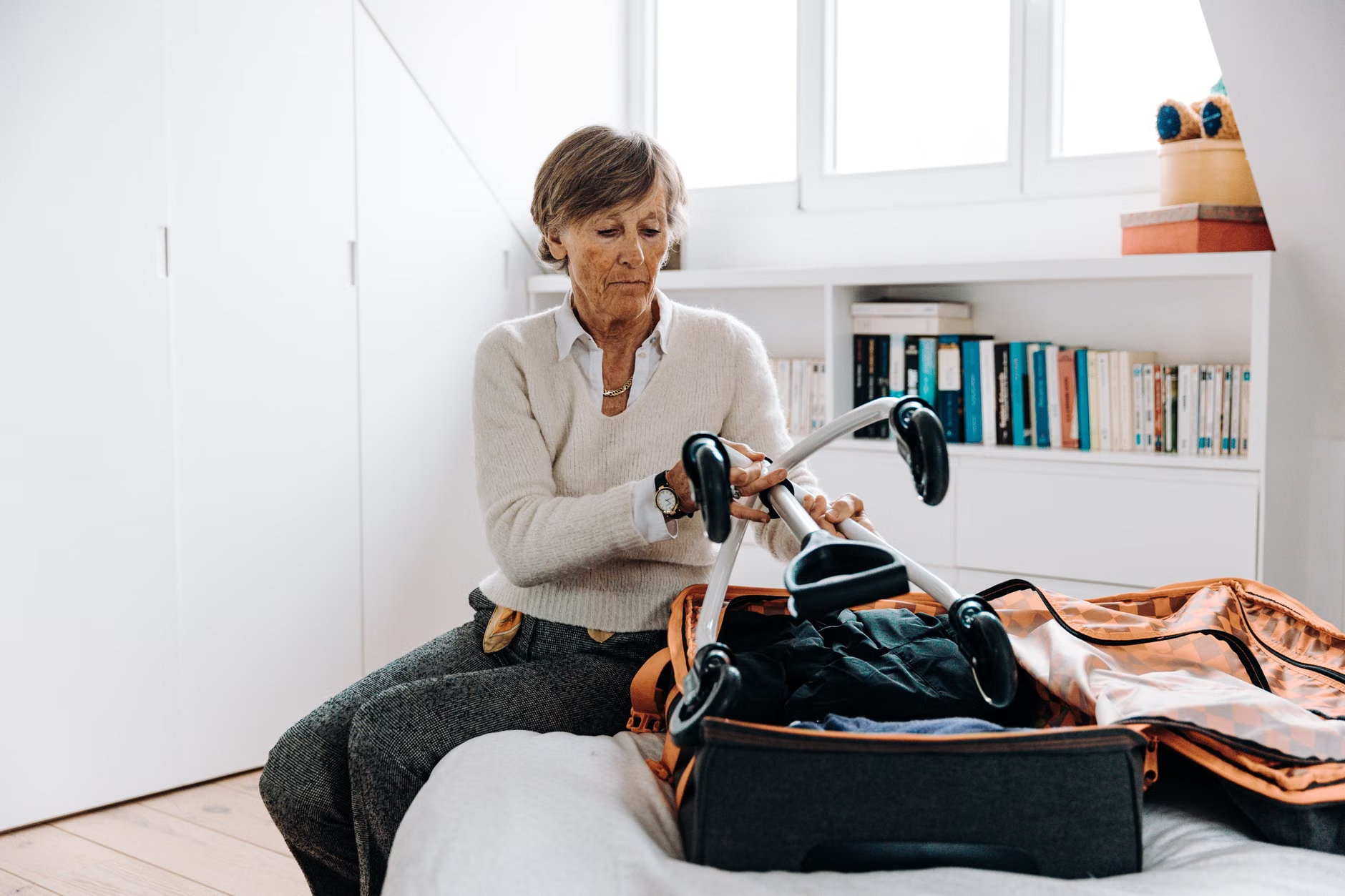
The primary challenge of train travel is the transition between the platform and the carriage. Unlike air travel, where luggage is checked and forgotten until arrival, train passengers are responsible for their own bags throughout the boarding and alighting process. This requires a shift in mindset: pack only what you can lift independently, regardless of assistance availability.
What does this look like in practice? A “two-bag” system is the gold standard for senior travelers. The first bag is a lightweight, four-wheeled carry-on that stays in the overhead rack or luggage area. The second is a smaller personal item—a crossbody bag or a compact backpack—that stays with you at your seat or berth. By separating your “overnight essentials” from your “transit luggage,” you eliminate the need to rummage through a large suitcase while the train is in motion.
Choosing the Right Luggage Hardware
Not all luggage is created equal for the senior traveler. When selecting your suitcase, prioritize these features:
- Four-Wheel Spinners: These glide alongside you, requiring minimal wrist and shoulder effort compared to two-wheeled bags that must be dragged at an angle.
- External Pockets: Ensure your tickets, passport, and identification are accessible without opening the main compartment.
- Weight Distribution: Aim for a suitcase that weighs no more than 10-12 kilograms (approx. 22-26 lbs) when fully packed. If you struggle to lift this height-wise, consider a smaller bag that you can manage more easily.
Organizing Your “Overnight Essentials” Kit
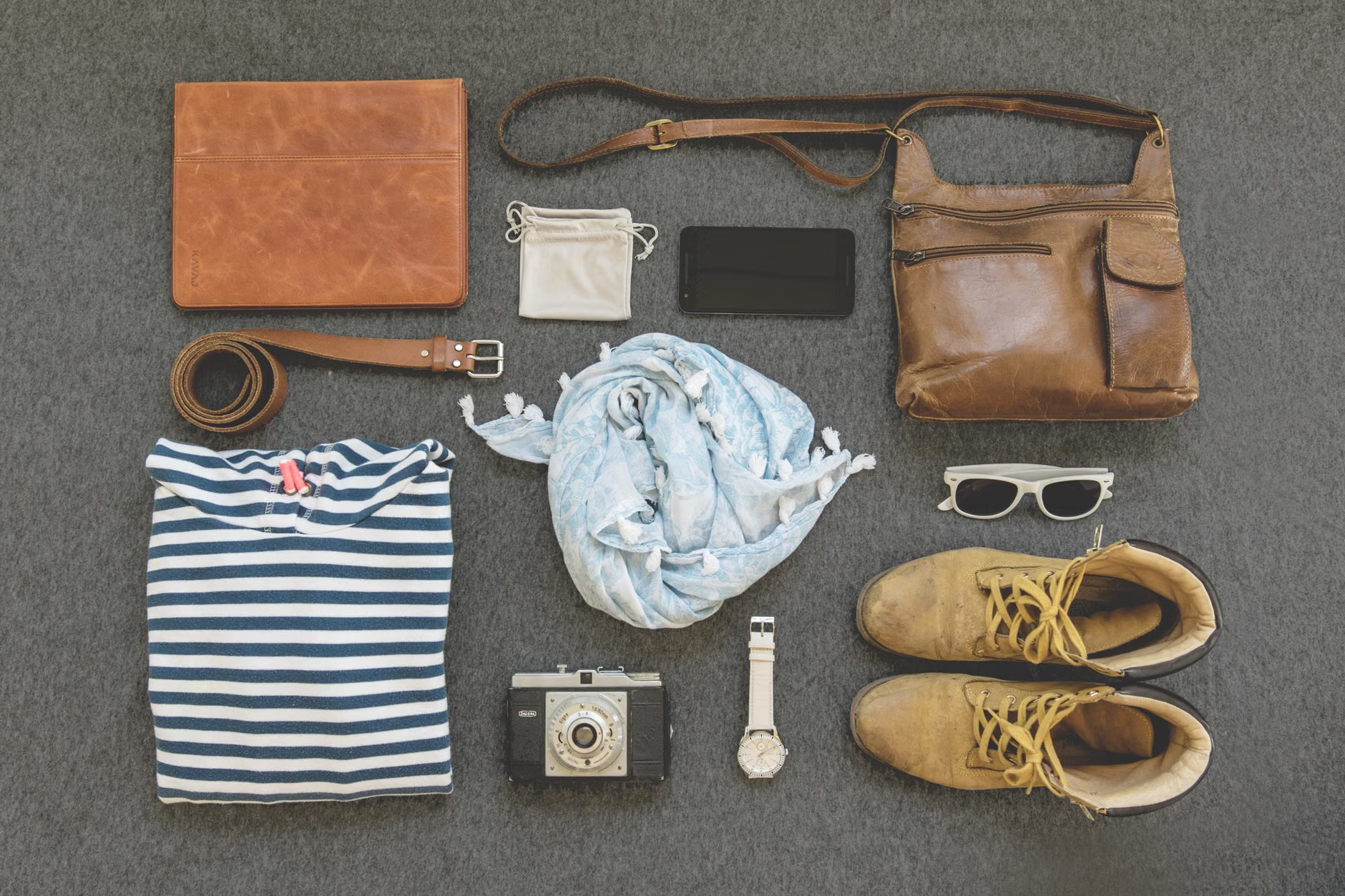
The most common mistake travelers make is packing their sleepwear, toiletries, and medications deep inside their main luggage. On a moving train, space is at a premium and aisles can be narrow or crowded. A dedicated “Essential Pouch” is your best defense against inconvenience.
What to include in your reach-easy pouch:
| Category | Items to Pack | Why it matters |
|---|---|---|
| Health | Daily medications, glasses, hearing aid spare batteries. | Ensures your health routine is never interrupted. |
| Comfort | Eye mask, earplugs, travel pillow, compression socks. | Essential for managing sleep quality in a new environment. |
| Hygiene | Face wipes, travel-sized moisturizer, toothbrush/paste. | Keeps you feeling refreshed after a long night. |
| Tech | Phone charger, power bank, reading material. | Prevents the frustration of a dead battery. |
Insight: Always keep your “Essential Pouch” at the top of your smaller personal bag. If the train experiences an unexpected delay or a sudden stop, you won’t be left scrambling for your essential items.
Managing Physical Stamina and Circulation
Extended periods of sitting or lying in a train berth can lead to stiffness and reduced circulation. While we often focus on what to pack, how you pack your space is equally important. Compression socks are highly recommended for journeys exceeding four hours to help maintain healthy blood flow in the lower legs.
The “Layering” Strategy
Train temperatures are notoriously unpredictable. One moment the carriage may be chilly due to air conditioning, and the next it may feel stiflingly warm. Avoid bulky sweaters that are difficult to remove. Instead, use a three-layer system:
- Base Layer: A moisture-wicking, lightweight shirt.
- Mid Layer: A cardigan or fleece with a front zipper.
- Outer Layer: A lightweight scarf or pashmina that can double as a blanket.
This allows you to adjust your body temperature instantly without having to stand up or dig through your bags.
Moving through a train cabin requires balance and awareness. As an older traveler, your safety is paramount. When walking between carriages, always use the handrails provided. Many modern trains have automated doors, but older models may have heavy manual doors that require significant grip strength.
Common Safety Pitfalls to Avoid:
- The “Aisle Obstacle”: Never leave your bags in the aisle. Even a small bag can become a trip hazard in the dim light of an overnight journey. Always store them under your seat or in the designated rack.
- Footwear Choices: Wear supportive, slip-on shoes. You will likely need to walk to the restroom during the night; avoid socks-only walking, as train floors can be slippery or unclean.
- Hydration vs. Convenience: Stay hydrated, but plan your intake. Limit caffeine and high-sodium snacks, which can contribute to leg swelling and frequent late-night trips to the restroom.
Advanced Planning: Choosing the Right Berth
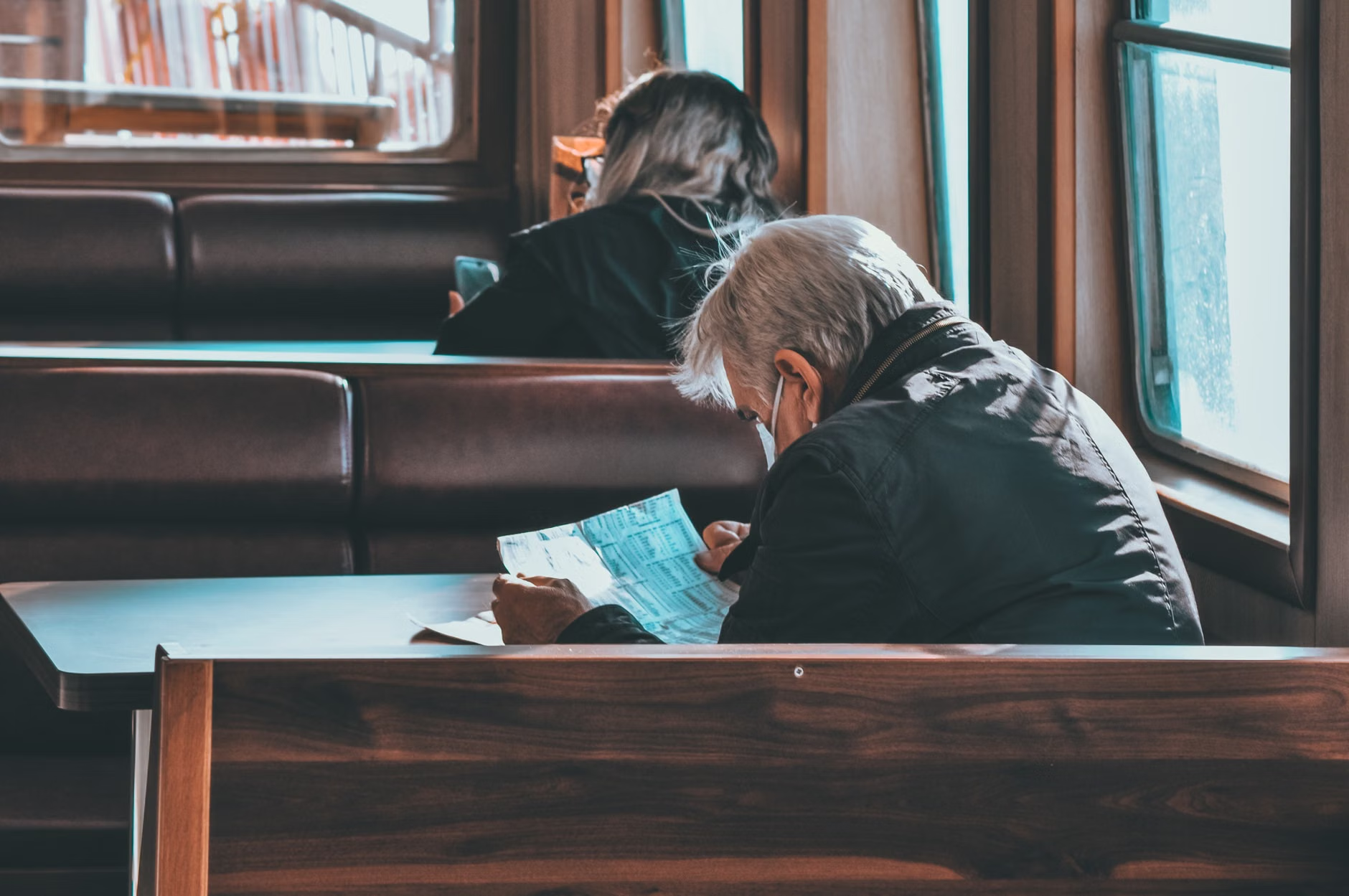
The type of sleeping accommodation you book can significantly impact your travel experience. If you have mobility concerns, prioritize the following criteria when booking:
- Lower Berth vs. Upper Berth: Always request a lower berth. Climbing into an upper bunk on a moving train requires agility and strength that can be risky for seniors, especially when navigating the ladder in the dark.
- Proximity to Facilities: Request a cabin near the restroom or the carriage end. This reduces the distance you need to walk during the night.
- Accessibility Features: Many rail operators (such as Amtrak in the US, Eurostar in Europe, or JR in Japan) offer “accessible” cabins. These are larger, have wider doors, and often include private, barrier-free restrooms. Note: These must be booked well in advance.
The Hidden Variables of International Rail Travel
It is crucial to recognize that rail infrastructure varies wildly across the globe. For instance, European trains often have narrow corridors and steep steps at the carriage entrance. In contrast, many North American or Japanese trains have more spacious aisles but may have higher boarding platforms.
Before you travel, visit the official website of the rail operator you intend to use. Look for the “Accessibility” or “Special Assistance” page. For example, in the UK, the National Rail website provides detailed information on “Passenger Assist,” a service that can help you with luggage and boarding. Similar services exist worldwide, but they usually require at least 24 to 48 hours of notice.
Handling Emergencies and Unexpected Delays
Overnight journeys can sometimes face delays. Being prepared for the “unexpected hour” is a mark of a seasoned traveler. Keep a small amount of non-perishable food (like nuts or crackers) in your bag. If the train dining car is closed or the train is delayed, you won’t be dependent on finding an open shop at a station in the middle of the night.
Furthermore, ensure you have a physical copy of your itinerary and emergency contact information. While digital tickets are standard, technology can fail. A printed copy is a reliable backup that requires no battery and no technical skill to access.
Developing Your Final Packing Checklist
To ensure you don’t forget the essentials, use this checklist before leaving home:
- Documents: Tickets, ID, insurance information, and medical list.
- Comfort: Eye mask, earplugs, travel pillow, compression socks.
- Health: Prescribed meds (in original bottles), basic first aid (band-aids, antiseptic wipes).
- Tech: Phone, charger, power bank, noise-canceling headphones.
- Personal Care: Travel-sized toiletries, tissues, hand sanitizer.
- Clothing: Layers (cardigan, scarf), comfortable slip-on shoes.
Conclusion: Your Journey, Your Pace
Overnight train travel is an opportunity to slow down and appreciate the journey. By packing strategically, prioritizing your comfort, and utilizing the assistance services provided by rail operators, you can turn a potentially stressful transit into a highlight of your trip. Remember, the most important aspect of any journey is your own well-being. Don’t hesitate to ask for help with heavy bags, and always choose the lower berth to ensure your safety and peace of mind.
Frequently Asked Questions
- Should I bring my own bedding on an overnight train?
Most long-distance overnight trains provide bedding, including pillows and blankets. However, if you have specific physical needs or sensitive skin, bringing your own small, lightweight travel pillow or a personal throw blanket can significantly improve your comfort. - How do I handle luggage in narrow train aisles if I am traveling alone?
If you are traveling alone, use the “one-bag” method: a single, lightweight, four-wheeled suitcase. If you cannot manage it, contact the rail operator at least 48 hours in advance to request station assistance. Most major rail networks have staff dedicated to helping passengers with mobility needs board and stow luggage. - Are toilets on trains generally accessible for seniors?
Accessibility varies. While modern high-speed trains often have spacious, accessible toilets, older carriages may have very compact facilities with high steps. Always check the specific train model or operator’s website for “accessible cabin” or “accessible toilet” details before booking your ticket.