- Prioritize Accessibility Ratings: Not all ships are equal; focus on vessels built or renovated after 2015, as they typically feature wider corridors and more advanced mobility-friendly infrastructure.
- Strategic Cabin Selection: Always book “Accessible” category rooms near mid-ship elevators to minimize walking distances and leverage the ship’s most stable area.
- Pre-Departure Coordination: Contact the cruise line’s accessibility department at least 60 days before sailing to arrange for specific equipment, dietary needs, or assistance with embarkation.
Cruise travel offers a unique opportunity for seniors to explore multiple destinations without the exhaustion of frequent packing and unpacking. However, the sheer size of modern cruise liners—often spanning 15 or more decks—can be daunting. Navigating these floating cities requires careful planning, an understanding of ship design, and a proactive approach to mobility.
Understanding Modern Cruise Ship Architecture for Mobility
Modern cruise ships are marvels of engineering, but their layout is rarely intuitive. Understanding how these ships are constructed helps in planning your daily movement. Most large vessels are divided into three main sections: the forward (front), mid-ship (center), and aft (rear). For seniors prioritizing mobility, the mid-ship area is almost always the superior choice.
Why does position matter? The mid-ship area is where the main elevator banks are located. These banks connect to all primary dining, entertainment, and pool decks. By staying mid-ship, you significantly reduce the amount of horizontal walking required to reach your cabin from the main public spaces. Furthermore, mid-ship cabins experience the least amount of movement during rough seas, which is a critical factor for those prone to motion sickness or balance issues.
While cruise brochures often highlight the luxury of the ship, they rarely discuss the “travel time” between points. A ship might be 300 meters long. If your cabin is in the far forward section and the dining room is in the far aft, you are looking at a 600-meter walk just to get to dinner. For someone with limited stamina, this distance can be exhausting before the meal even begins.
What you can do: Always download the cruise ship’s deck plan in PDF format before booking. Use a highlighter to mark the elevator banks and your cabin. If the path between your cabin and the dining area involves traversing the entire length of the ship, consider requesting a room change. Most lines allow for cabin re-assignment if you provide medical justification or simply express mobility concerns during the booking process.
Selecting the Ideal Accessible Cabin
The term “accessible cabin” is not a marketing buzzword; it is a specific category of stateroom designed to meet international accessibility standards. These rooms feature wider door frames, lower light switches, roll-in showers with grab bars, and increased floor space for maneuvering mobility aids like walkers or wheelchairs.
| Feature | Standard Cabin | Accessible Cabin |
|---|---|---|
| Door Width | Typically 60-70 cm | Minimum 80-90 cm |
| Bathroom | Step-up shower threshold | Roll-in shower/level entry |
| Floor Space | Minimal | Clear 1.5m turning radius |
| Grab Bars | None or limited | Full bathroom & shower support |
It is a common misconception that accessible cabins are only for those who use wheelchairs. They are excellent choices for anyone who requires a bit more stability in the bathroom or extra space for a foldable walker. Note: These rooms are in high demand and limited in number. You should book your cruise as early as possible—ideally 6 to 9 months in advance—to secure an accessible room.
The public decks of a cruise ship are designed for thousands of people, which can lead to congestion. During peak times, such as the hour before a popular theater show or immediately following the opening of a buffet, decks can become crowded and chaotic. Navigating these spaces requires a “slow and steady” approach.
Safety Tips for Deck Movement
- Avoid Peak Times: If you want to walk the promenade or visit the observation deck, aim for mid-morning or late afternoon when most passengers are either in port or at lunch.
- Identify Support Structures: Look for walls, sturdy railings, and seating areas. If you feel tired, do not hesitate to sit. Modern ships have benches placed at frequent intervals along the promenade.
- Surface Awareness: While decks are generally flat, be aware of threshold transitions between indoor and outdoor spaces. These are often raised by a few centimeters to prevent water ingress; they are common trip hazards.
If you are traveling with a companion, establish a “meeting point” strategy. If you get separated in a crowded area, agree on a specific, quiet location—like a particular lounge or a specific deck elevator—where you will wait for one another. This removes the stress of trying to find each other in a moving crowd.
The Role of Assistive Technology and Ship Staff
Modern cruise lines have sophisticated systems to assist guests with mobility needs. However, the onus is on the passenger to communicate these needs in advance. “Accessibility Departments” are standard in major cruise lines like Royal Caribbean, Princess, and Cunard.
Step-by-Step Guide to Requesting Assistance
- Post-Booking Call: Within 48 hours of booking, call the cruise line’s accessibility desk. Do not rely on your travel agent to relay this information; speak to the ship’s specialized team yourself.
- Declare Equipment: If you are bringing a scooter or power chair, inform them of its dimensions, weight, and battery type. Some ships have strict regulations regarding the storage of these devices in corridors due to fire safety codes.
- Dining Requests: If you have mobility issues, request a table near the entrance of the main dining room. This prevents you from having to walk through the entire restaurant to reach your seat.
Managing Stamina and Energy Levels
The most frequent error seniors make on cruises is over-scheduling. The “port-a-day” itinerary can be physically exhausting. It is important to treat the ship as a destination in itself, not just a transport vessel. If an itinerary includes four consecutive days of active excursions, consider staying on the ship for one of those days to recover.
Energy Conservation Strategies
The “One-Major-Activity” Rule: Plan only one significant activity per day. If you have a shore excursion in the morning, make the afternoon a period of rest or light entertainment on the ship. This prevents the “cumulative fatigue” that often leads to illness or injury toward the end of a voyage.
Utilize On-Board Transport: Many large ships now offer internal shuttle services or “deck-to-deck” elevators that are less crowded. Learn the ship’s layout early. Often, the elevator bank furthest from the main lobby is significantly less busy, saving you from standing in long queues.
Health and Wellness: Preparing for the Voyage
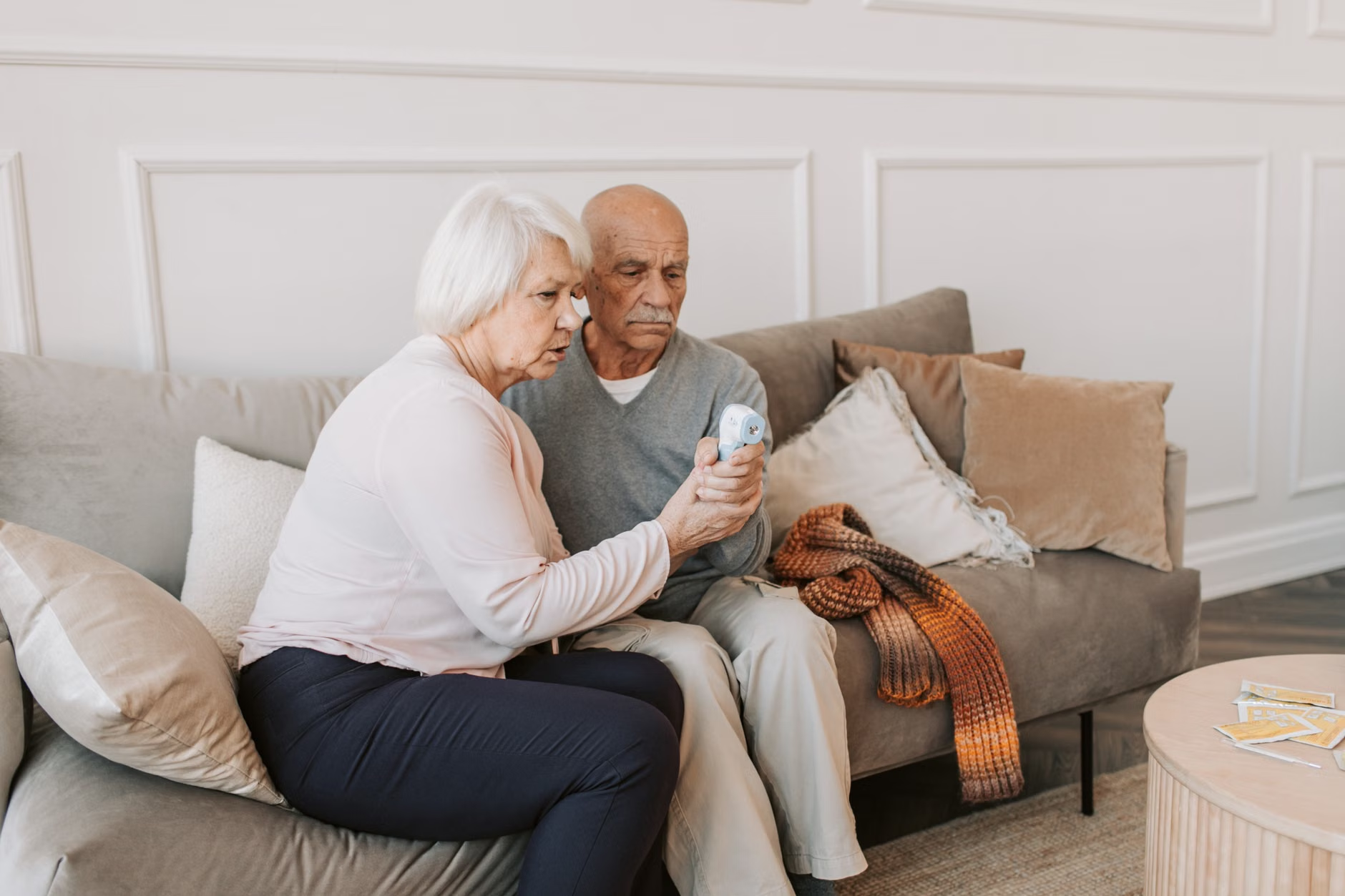
Before you embark, prepare your health records. Carry a printed list of all your medications, the dosages, and the contact information for your primary care physician. Keep this in your carry-on luggage, not your checked bags.
Medical Facilities on Board: Every major cruise ship is equipped with a medical center staffed by doctors and nurses. These centers are capable of handling minor injuries, motion sickness, and even some emergency stabilization. However, they are expensive and often do not accept standard health insurance. Important: Always purchase comprehensive travel insurance that includes medical evacuation and high-limit medical coverage. Check that your policy specifically covers “cruise-related medical expenses.”
Overlooked Variables in Cruise Accessibility
One variable often missed is the “tender” situation. In some ports, the ship cannot dock directly at the pier. Instead, it drops anchor in the harbor, and passengers are transported to shore via smaller boats called tenders. Tendering can be extremely difficult for seniors with mobility issues, as it involves navigating a steep gangway and stepping from a moving ship onto a moving boat.
Decision Rule: When reviewing your itinerary, check if the ports are “docking” or “tendering” ports. If a port requires tendering, and you have significant mobility challenges, it is often safer and more enjoyable to remain on the ship. You will find that on tender days, the ship is much quieter, the pool is less crowded, and you can enjoy the ship’s amenities with more comfort and ease.
Conclusion: The Proactive Approach
Cruising is an excellent way to see the world, provided you prioritize your physical safety and comfort. By choosing a mid-ship cabin, booking accessible staterooms early, communicating your needs to the cruise line’s accessibility department, and pacing your activities, you can enjoy the experience without the stress of navigation or physical strain. Remember that the goal of the vacation is relaxation; do not feel pressured to participate in every activity or visit every port if it compromises your wellbeing.
For more information on international accessibility standards for passenger ships, you can refer to the International Maritime Organization (IMO) guidelines regarding safety and accessibility, or consult the official accessibility pages of your chosen cruise line. Preparation is the key to a seamless and enjoyable voyage.
Frequently Asked Questions (FAQ)
1. Can I bring my own mobility scooter on a cruise ship?
Yes, most cruise lines permit personal mobility scooters. However, you must inform the cruise line at least 60 days in advance. The scooter must be stored inside your cabin, so ensure you have booked a cabin with enough floor space to accommodate it. You should also verify that your scooter’s battery type is approved for maritime travel.
2. Are all cruise ship public areas truly wheelchair accessible?
While the vast majority of modern cruise ships are fully accessible, older vessels or those undergoing retrofitting may have areas with limited access. Always check the ship’s specific accessibility deck plan. If you find a specific area is inaccessible, guest services can often provide alternative routes or assistance to reach the location.
3. What happens if I have a health emergency while at sea?
Cruise ships have well-equipped medical centers capable of handling most urgent care needs. In the event of a serious medical emergency that cannot be treated on board, the ship will arrange for a medical evacuation to the nearest port or hospital. This is why having comprehensive travel insurance that covers emergency medical evacuation is non-negotiable for senior travelers.
Disclaimer: This article is for informational purposes only and does not constitute medical or professional travel advice. Always consult with your healthcare provider before planning travel, especially if you have chronic health conditions.