- Transition to Contactless: By 2026, most major transit networks will prioritize “tap-and-go” systems, replacing paper tickets with bank cards or mobile wallets.
- Accessibility First: Modern digital ticketing apps now include high-contrast modes, voice-over compatibility, and simplified booking flows specifically designed for senior users.
- Preparedness is Key: Registering your transit account online before your trip allows for automatic balance recovery if a device is lost and secures senior-rate discounts automatically.
The Evolution of Transit in 2026: What Has Changed?
As we move through 2026, public transport systems globally have undergone a significant digital transformation. The era of queuing at ticket machines to purchase paper magnetic strips or plastic smart cards is rapidly fading. Instead, transit authorities are moving toward “Account-Based Ticketing” (ABT). In this system, your “ticket” is not a physical object, but a digital record linked to your bank card, a dedicated transport app, or a secure wearable device.
For the traveler aged 60 to 80, this shift offers profound benefits: no more fumbling for exact change, no more keeping track of multiple paper passes, and the convenience of “fare capping.” Fare capping ensures you are never charged more than the price of a daily or weekly pass, regardless of how many individual trips you take. However, this transition also requires a shift in how we approach our daily commutes or leisure travel.
The primary goal for transit operators in 2026 is interoperability. In cities like London, Singapore, and New York, the same card you use to buy groceries can now grant you access to subways, buses, and ferries. This integration simplifies travel, but it requires that we understand the security and practical management of these digital credentials.
Understanding Contactless and Mobile Payment Methods
There are two primary ways to access transit in 2026: contactless bank cards and mobile wallets. Understanding the difference is vital for your mobility and financial security.
1. Contactless Bank Cards (EMV)
Most modern bank cards feature a small signal icon (four curved lines resembling a radio wave). To travel, you simply tap your card against the yellow or blue reader at the station gate or on the bus. The system automatically calculates your fare based on the distance traveled or the zone entered.
Common Mistake: Carrying multiple contactless cards in one wallet. If you hold your entire wallet against the reader, the system may register two different cards, leading to a “card clash” error or being charged twice. Always take out the specific card you intend to use.
2. Mobile Wallets (Apple Pay, Google Pay, Samsung Pay)
Mobile wallets store your credit or debit card information securely on your smartphone or smartwatch. This is often more secure than a physical card because the device requires biometric verification (a fingerprint or facial scan) before the payment is processed. If you lose your phone, the wallet remains locked and inaccessible to others.
| Method | Ease of Use | Security Level | Best For |
|---|---|---|---|
| Contactless Card | High | Moderate | Travelers who prefer physical items. |
| Mobile Wallet | Very High | High (Biometric) | Frequent travelers with smartphones. |
| Transit-Specific App | Moderate | High | Users needing senior discounts. |
Managing Senior Discounts and Concessionary Fares
One of the biggest concerns for travelers aged 60+ is ensuring that age-related discounts are applied correctly. In the past, this was done by showing a physical ID card to a ticket inspector. In 2026, this process is increasingly automated.
In many jurisdictions, such as the United Kingdom (with the Freedom Pass or Senior Railcard) or various European cities, you can now link your senior status to your digital account. Once linked, the system automatically applies the concessionary rate every time you tap your card or phone. This removes the “stigma” of having to ask for a discount or prove your age repeatedly.
Actionable Step: Visit your local transit authority’s website or customer service center. Look for the “Concessionary Link” or “Senior Registration” section. You will likely need to upload a photo of your government-issued ID once. After approval, your standard bank card or mobile wallet becomes your “Senior Pass,” automatically charging the reduced rate.
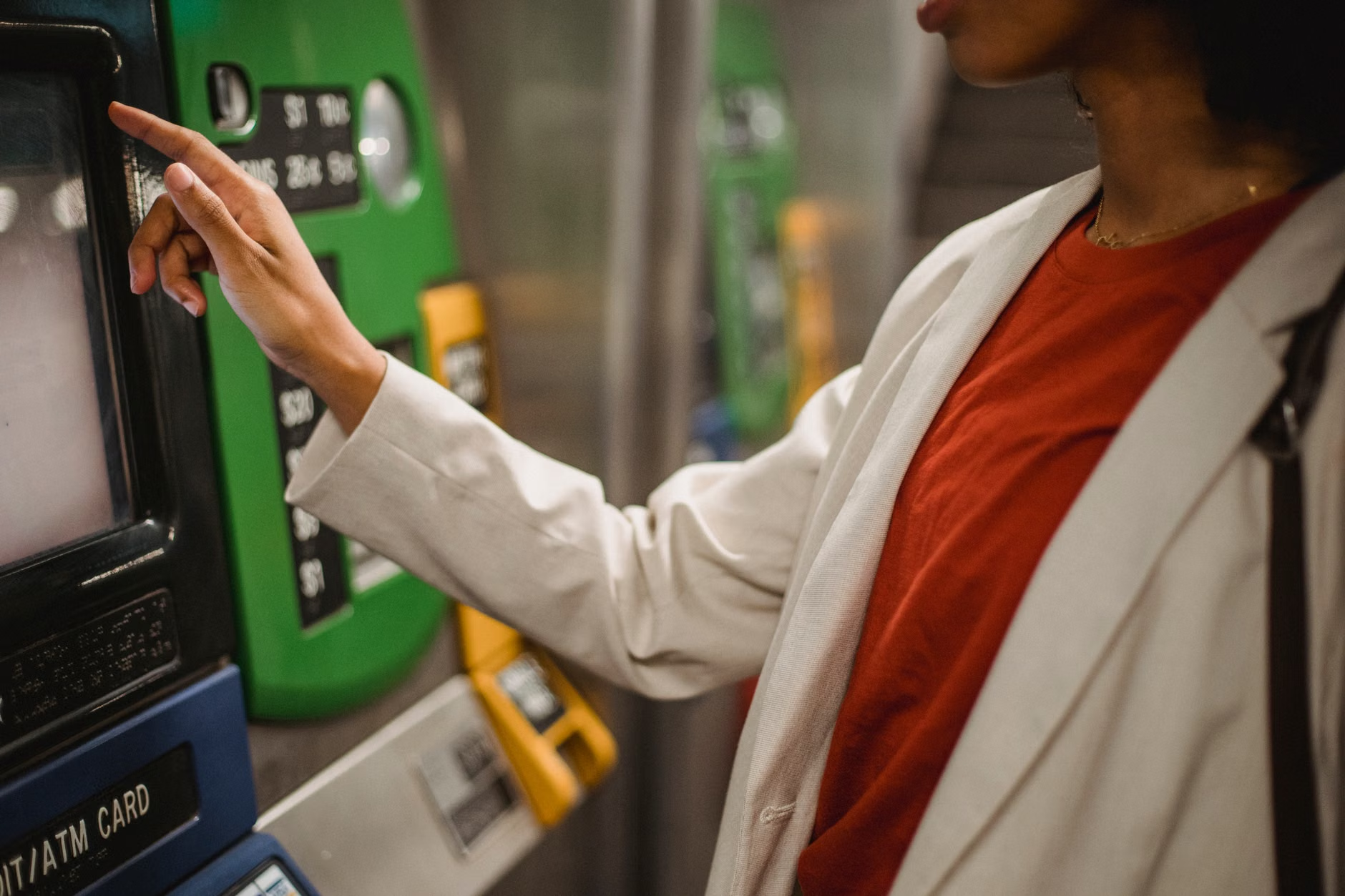
Digital tools are only useful if they are accessible. By 2026, major transit apps have been updated to meet international Web Content Accessibility Guidelines (WCAG). This means they are compatible with screen readers for those with visual impairments and offer high-contrast modes for those with low vision.
What to look for in your local app:
- Voice-Over/TalkBack Support: If you use an iPhone or Android device, ensure these features are enabled in your phone’s general settings. The transit app should read out the balance, destination, and fare information.
- Simplified Navigation: Avoid apps that are cluttered with advertisements or complex sub-menus. If your city’s official app is difficult to navigate, check if Google Maps or Apple Maps provide real-time transit data for your area, as these often have superior accessibility features.
- Live Support: Many 2026 transit apps now include a “Help” button that connects you to a live chat representative rather than a bot, specifically during peak transit hours.
If you find digital platforms overwhelming, remember that most transit authorities are legally required to provide an alternative. Do not hesitate to visit a customer service desk at a major station. They can often provide a “Smart Card” that functions exactly like a digital account but requires no smartphone or app management on your part.
Safety and Security in the Digital Age
A common fear regarding digital ticketing is the potential for fraud. It is important to distinguish between “contactless payment” and “online banking.” When you tap your card at a turnstile, the device does not have access to your bank account balance or your personal banking password. It only receives a one-time token that authorizes a single transaction.
Three Rules for Digital Safety:
- Monitor Statements: Check your bank statement once a week. Because transit charges are often “batched” (processed in a group at the end of the day), don’t be alarmed if you don’t see a charge for every individual trip immediately.
- Use Official Apps Only: Never download a transit app from a third-party website or an email link. Only download apps from the official Apple App Store or Google Play Store.
- Report Lost Devices Immediately: If you lose a phone or card that is linked to your transit account, contact your bank to freeze the card or use the “Find My” feature on your phone to lock it. Once locked, the transit access on that device is immediately disabled.
Planning Your Journey: Beyond the Ticket
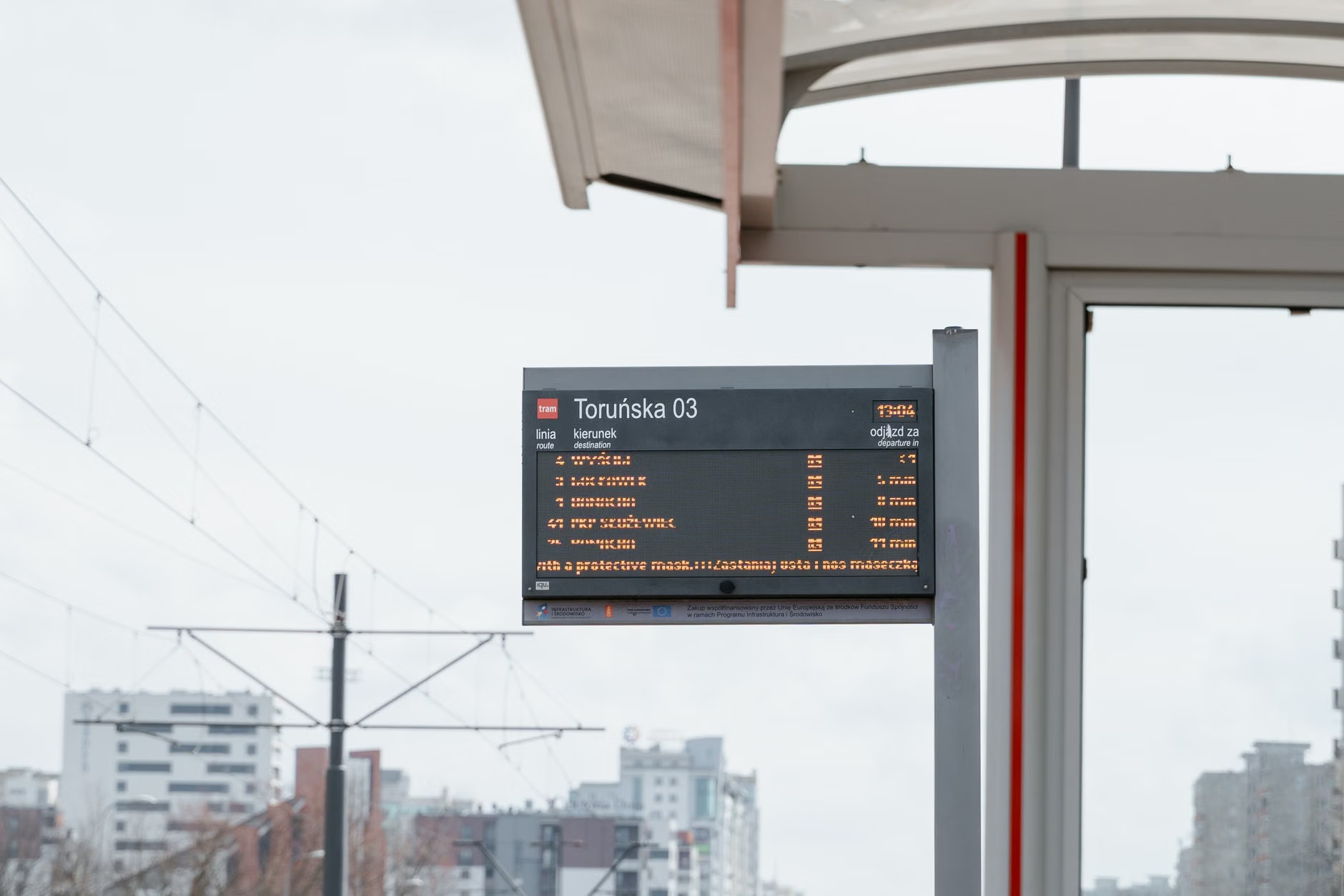
Digital ticketing is just one part of the modern travel experience. By 2026, digital infrastructure also provides real-time information that can help you manage your stamina and mobility. Before leaving your home, use your transit app to check for “Step-Free Access.”
Most transit apps in 2026 now have a toggle switch for “Accessible Routes.” When enabled, the app will prioritize routes that include elevators, escalators, and level boarding. This is a game-changer for those who find stairs difficult or who are traveling with luggage or walking aids.
Pro-tip: Look for the “Crowdedness Indicator.” Many cities now provide real-time data on how full a bus or train carriage is. Choosing a less crowded carriage can significantly reduce stress and provide more opportunities to find a priority seat, which is essential for maintaining comfort during longer journeys.
The Human Element: What If Technology Fails?
Technology can be unpredictable. Batteries die, internet signals drop, and systems occasionally go offline. A seasoned traveler knows that while digital is convenient, redundancy is key.
The “Backup Plan” Checklist:
- Carry a Physical Card: Even if you use your phone for ticketing, always keep a physical contactless bank card in your wallet as a backup.
- Keep a Small Amount of Cash: While many systems are moving to cashless, some regional buses or rural transit services may still accept cash as a last resort.
- Know the “Emergency Exit” Procedure: If your digital pass fails to scan at a gate, look for the “Help” intercom or the station attendant. They are trained to handle digital failures and can usually verify your payment status with a quick look at your bank transaction history.
Understanding Global Variations
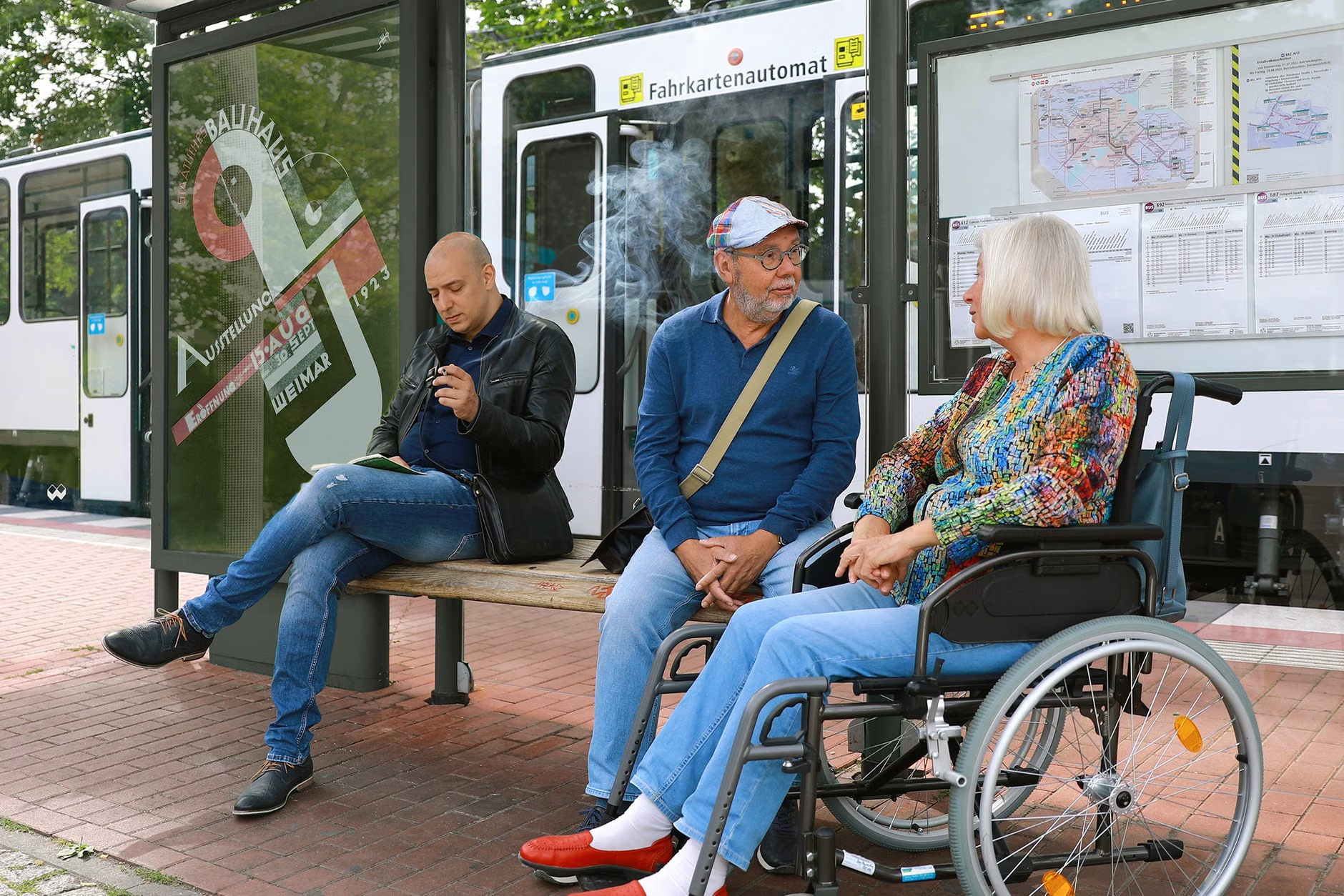
It is important to note that the pace of this digital transition varies significantly by region. In urban centers like Tokyo, Seoul, or London, the transition is nearly complete. In more rural or less densely populated areas, paper tickets or cash may remain the standard for several more years.
If you are traveling internationally, research the destination’s transit system at least two weeks before your trip. Search for “[City Name] public transport payment methods.” You will often find that major cities have a “Tourist Pass” that can be pre-loaded onto your phone, saving you the trouble of buying local tickets upon arrival.
Important Insight: The most significant barrier to digital adoption is often not the technology itself, but the lack of clear, step-by-step guidance. If you feel overwhelmed, find a local “Digital Champion” program. Many libraries and community centers in 2026 offer free workshops specifically for seniors to practice using these transit apps in a low-pressure environment.
The Future of Mobility: What to Expect Post-2026
Looking beyond 2026, we are likely to see the integration of “Mobility as a Service” (MaaS). This concept aims to combine public transport, bike-sharing, and ride-hailing services into a single digital platform. Imagine an app that not only tells you which bus to take but automatically books a wheelchair-accessible taxi for the “last mile” from the bus stop to your doctor’s office.
While this sounds futuristic, the building blocks are being laid today. For the senior traveler, this means that the effort you put into learning digital ticketing now is a long-term investment. You are not just learning to pay for a bus ride; you are gaining the digital literacy required to navigate the future of independent living and mobility.
Conclusion: Taking the First Step
The shift to digital public transport in 2026 is designed to make travel easier, not more complicated. While the initial setup requires a bit of learning, the benefits—greater independence, automatic fare management, and improved access to real-time information—are significant. Start small: the next time you take a bus or train, try using your contactless bank card instead of a paper ticket. If you have questions, the station staff are there to help, and the digital systems are designed with your needs in mind.
By embracing these tools, you ensure that your travel remains a source of joy and discovery, rather than a logistical hurdle. Keep your devices charged, register your cards for senior discounts, and enjoy the freedom that modern, connected transit provides.
Frequently Asked Questions (FAQ)
1. Will my senior discount work if I use my phone to pay for my ticket?
Yes, in most cases. You must register your bank card or mobile wallet with your local transit authority’s website and upload proof of your eligibility (such as a birth certificate or senior ID). Once the system links your account to your age, the discount will be applied automatically whenever you tap your device.
2. What happens if I forget to “tap out” at the end of my journey?
In many “tap-on, tap-off” systems, failing to tap out results in the system charging you the maximum possible fare for that route. If this happens, most transit apps have a “fare adjustment” feature where you can report the mistake within 24–48 hours to have the difference refunded to your account.
3. Is it safe to use my personal credit card for public transport payments?
Yes. Modern transit readers use the same encrypted, secure technology as retail payment terminals. Your full credit card number is never stored on the reader or the bus, and the transaction is protected by the same fraud-prevention guarantees as any other purchase you make with your card.
Official resources for further reading: