- Controlled Movement is Essential: Neck-rolls should be performed as slow, semi-circular motions rather than full rotations to protect the cervical spine.
- Posture Drives Effectiveness: The benefits of neck-rolls are lost if the spine is not aligned; always maintain a neutral, upright seated position.
- Listen for Warning Signs: Sharp pain, dizziness, or numbness are signals to stop immediately and consult a healthcare professional.
Neck tension is a common, often daily, experience for many adults aged 60 to 80. Whether caused by prolonged reading, digital device use, or simply the natural changes in muscle elasticity and joint mobility, the accumulation of tightness can lead to discomfort that impacts your quality of life. The seated neck-roll is a widely recommended, low-impact exercise designed to manage this tension by gently mobilizing the cervical spine and the surrounding musculature.
This guide explores the mechanical principles of the seated neck-roll, the importance of execution, and how to integrate this movement into your daily routine safely and effectively.
Understanding the Mechanics of Neck Tension
The human neck, or cervical spine, is a complex structure that supports the weight of the head while allowing for a wide range of motion. As we age, the intervertebral discs may lose some hydration, and muscle mass may decrease, making the neck more susceptible to stiffness. When we hold our heads in a static position—such as looking down at a book or a tablet for extended periods—the muscles in the posterior neck (the suboccipital and trapezius muscles) are forced to remain contracted to counteract gravity.
What it is: A seated neck-roll is a controlled, rhythmic stretching exercise. It is not an intense workout, but rather a mobility drill intended to move the neck through a pain-free range of motion, encouraging blood flow and reducing the “stuck” sensation caused by muscle guarding.
Why it matters: Regular, gentle movement helps prevent the shortening of muscle fibers and maintains the fluidity of the synovial joints in the neck. By systematically moving the head, you provide a signal to the nervous system that these muscles can safely relax, which helps interrupt the cycle of chronic tension.
The Anatomy of a Safe Seated Neck-Roll
Many people mistake a “neck roll” for a full 360-degree rotation. In clinical settings, a full rotation is often discouraged because it can compress the cervical vertebrae and place undue stress on the facets of the spine. Instead, the safest and most effective technique is the cervical semi-circle.
Step-by-Step Execution
- Positioning: Sit in a sturdy, upright chair. Ensure your feet are flat on the floor, hip-width apart. Your spine should be elongated—imagine a string pulling the crown of your head toward the ceiling.
- The Starting Point: Gently lower your chin toward your chest. You should feel a mild, comfortable stretch in the back of your neck. Do not force the chin to touch the chest.
- The Movement: Slowly roll your head toward your right shoulder. Stop when you feel a gentle stretch on the left side of your neck. Hold for three seconds.
- The Return: Slowly roll your head back to the center (chin toward the chest).
- The Opposite Side: Roll your head toward your left shoulder. Hold for three seconds.
- Completion: Return to the neutral, upright position.
The Critical Role of Posture and Ergonomics
No amount of stretching can compensate for poor daily posture. If you perform neck-rolls to alleviate tension, but then return to a hunched position at your desk or in your armchair, the tension will return almost immediately. A common mistake is the “forward head posture,” where the ears are positioned in front of the shoulders. This position increases the effective weight of the head on the cervical spine by several kilograms, leading to chronic strain.
Checklist for Daily Ergonomic Maintenance
| Focus Area | Practical Adjustment |
|---|---|
| Eye Level | Ensure screens or books are at eye level to prevent looking down. |
| Chair Support | Use a chair that provides lumbar support to keep the spine neutral. |
| Shoulder Position | Keep shoulders relaxed and away from the ears, not hunched upward. |
| Break Frequency | Perform a 30-second neck stretch every 45 minutes of sedentary activity. |
By adjusting your environment, you reduce the baseline level of tension in your neck. This makes the neck-rolls much more effective, as you are working on releasing mild tightness rather than fighting against constant, severe strain.
When to Consult a Professional
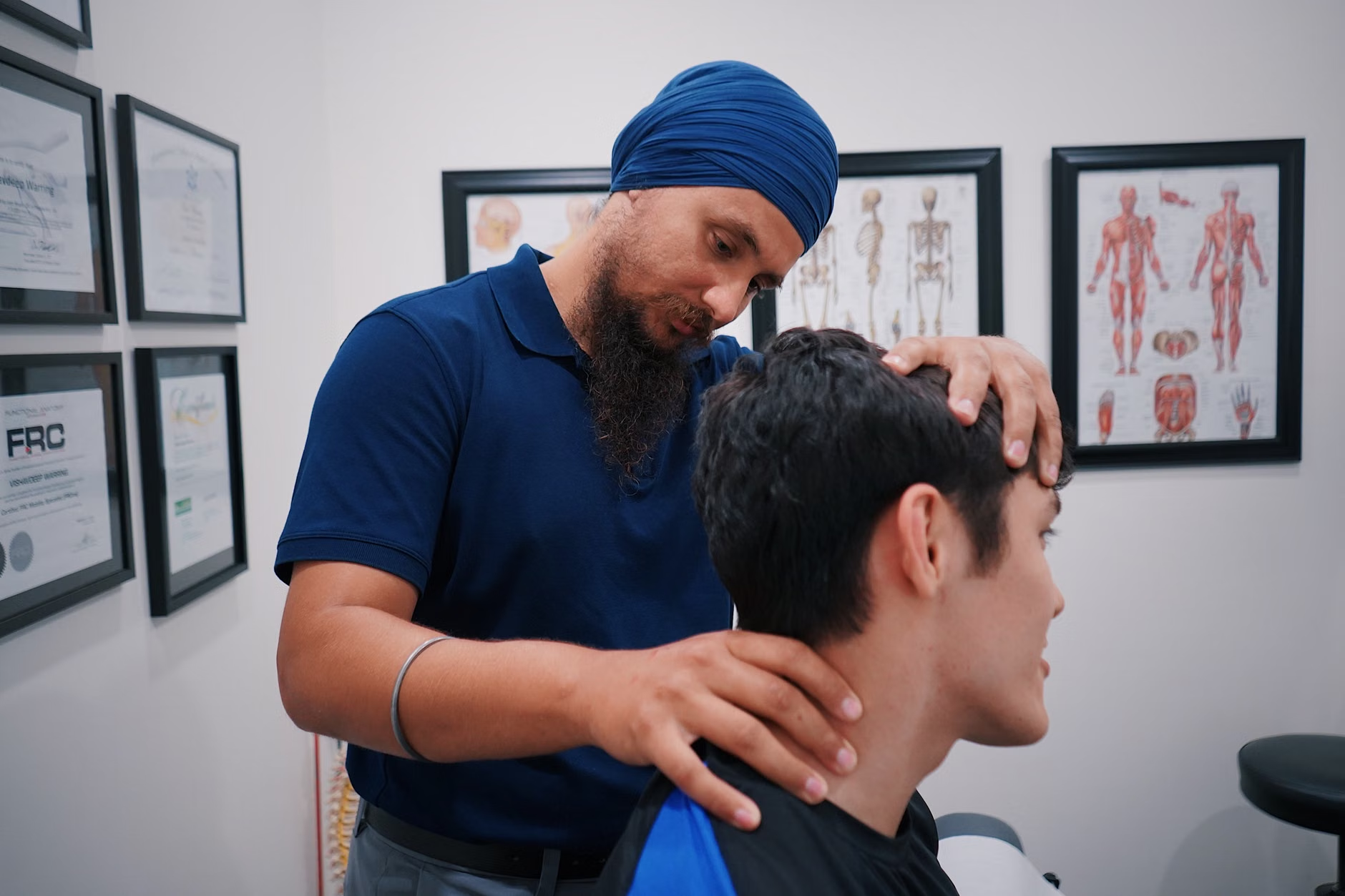
While neck-rolls are generally safe, there are specific conditions where you should pause and seek guidance from a physical therapist or a primary care physician. It is a misconception that all neck pain is simply “muscle tension.”
Warning Signs to Watch For:
- Radiating Pain: If you feel shooting pain, tingling, or numbness moving down into your shoulders, arms, or fingers, this may indicate nerve involvement (such as a pinched nerve or cervical radiculopathy).
- Dizziness or Vertigo: If the act of moving your head causes lightheadedness or a spinning sensation, stop immediately. This could be related to inner ear issues or restricted blood flow in the neck arteries, which requires a professional assessment.
- Acute Trauma: If your neck pain is the result of a recent fall or injury, do not attempt to “stretch it out.” Seek medical imaging to rule out fractures or ligamentous damage.
When visiting a professional, bring a list of your daily habits. Note how many hours you spend reading or on digital devices, and describe exactly where the pain is located. A physical therapist can provide a personalized program that may include strengthening exercises for the deep neck flexors, which are often overlooked in favor of simple stretching.
Integrating Mobility into Your Daily Lifestyle
The most successful health interventions for older adults are those that become “invisible” habits. Do not treat neck-rolls as a chore that requires a dedicated 30-minute block of time. Instead, attach the exercise to an existing habit.
For example, if you enjoy a morning cup of tea, perform three sets of neck-rolls while waiting for the kettle to boil. If you read the news, perform a set every time you finish a section. This “habit stacking” ensures that the movement happens consistently without requiring significant willpower or scheduling.
Advanced Considerations: Beyond the Roll
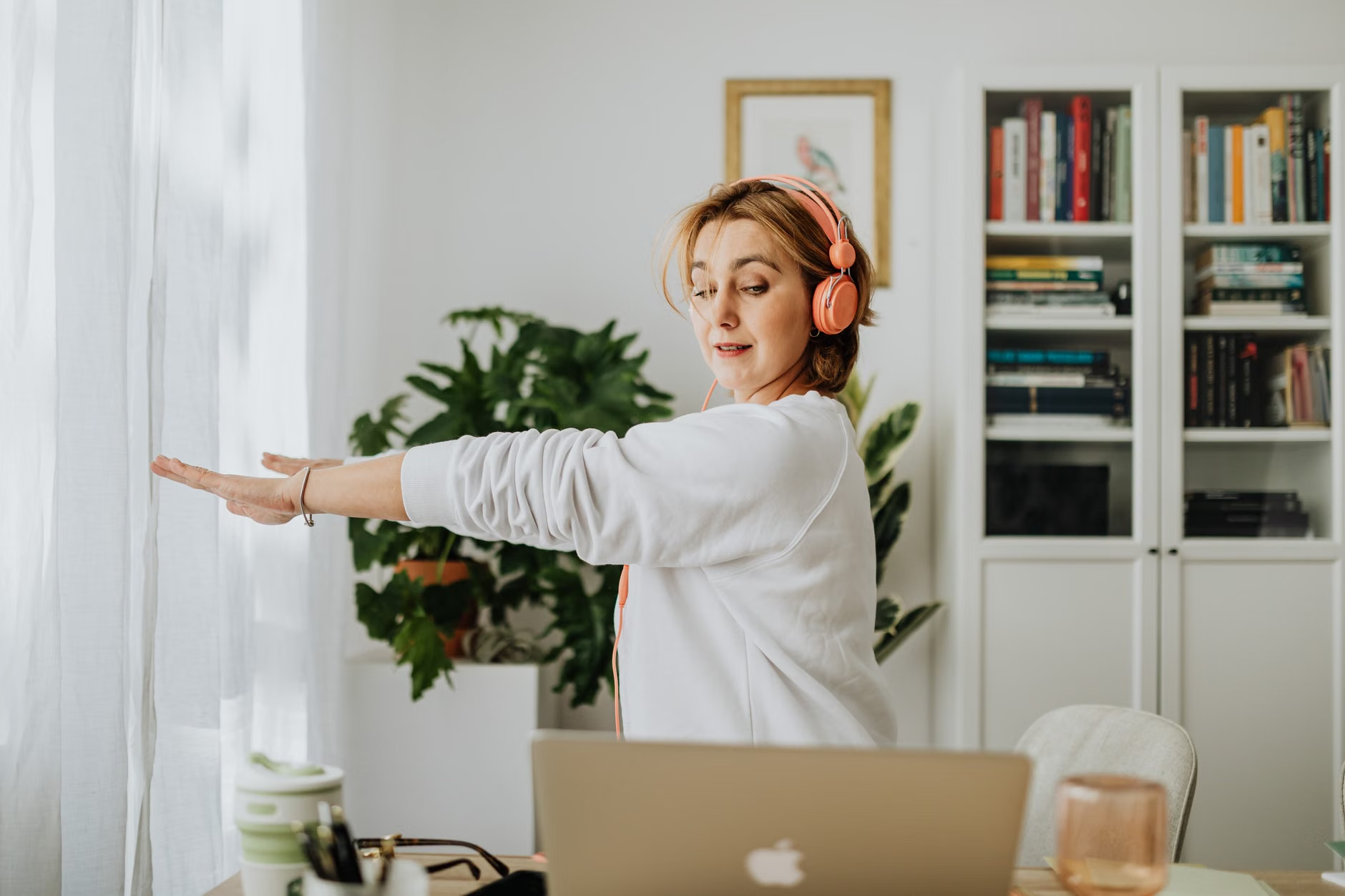
While neck-rolls address the cervical spine, the neck is tethered to the thoracic spine (the upper back). If your upper back is stiff, your neck will have to compensate, leading to more tension. Occasionally, it is useful to incorporate shoulder blade squeezes—pulling your shoulder blades down and back—before starting your neck-rolls. This opens the chest and provides a more stable base for the neck to move.
Remember that consistency is more important than intensity. A gentle, controlled roll performed daily is far superior to an aggressive stretch performed sporadically. Listen to your body; your neck should feel “lighter” after these movements, not fatigued or painful.
Conclusion
Seated neck-rolls serve as a fundamental tool for maintaining cervical mobility and reducing the daily burden of muscle tension. By focusing on slow, semi-circular motions, maintaining upright posture, and integrating these movements into your existing daily routines, you can significantly improve your comfort. Always prioritize safety by monitoring for warning signs such as numbness or dizziness, and do not hesitate to consult a professional if your discomfort persists. Taking proactive, small steps today is the most effective way to ensure your comfort and mobility for years to come.
Frequently Asked Questions
1. How many times a day should I perform these neck-rolls?
There is no universal number, but a good rule of thumb is to perform 3 to 5 slow repetitions whenever you have been sitting for more than an hour. Focus on quality of movement rather than the total number of repetitions.
2. Can I do these neck-rolls while standing?
Yes, you can perform them while standing, provided you maintain a stable base with feet hip-width apart. However, sitting is often recommended for adults 60-80 as it provides a more stable foundation, reduces the risk of loss of balance, and allows for better isolation of the neck muscles.
3. What should I do if I feel a “crunching” sound during the movement?
Small “clicking” or “crunching” sounds (crepitus) are common as we age and are often just the sound of tendons or ligaments moving over bone. However, if the sound is accompanied by pain, stop the movement. If the sound is painless, it is generally harmless, but you should continue to move slowly and keep the range of motion comfortable.
Official sources and further reading: