- Seated calf raises act as a “second heart” for your lower limbs, helping to pump venous blood back toward the heart, which is essential for managing edema and preventing stiffness.
- Consistency over intensity is the rule: performing 2–3 sets of 15 repetitions daily provides more cardiovascular benefit for the lower legs than one intense, infrequent session.
- Proper form—keeping the balls of your feet planted while lifting the heels—is the most critical factor in maximizing muscle engagement and avoiding unnecessary strain.
Seated calf raises are one of the most accessible and effective preventive health exercises for adults aged 60 to 80. By engaging the calf muscles—the gastrocnemius and soleus—you activate the “calf muscle pump,” a physiological mechanism that assists the veins in returning blood from the lower extremities back to the heart. As we age, the efficiency of this pump can decrease due to sedentary time, reduced activity levels, or natural changes in vascular elasticity. This guide provides a comprehensive approach to incorporating this simple movement into your daily routine to maintain circulatory health and lower limb mobility.
Understanding the Calf Muscle Pump
To understand why seated calf raises matter, we must first look at how blood circulates in the lower body. Arterial blood is pumped away from the heart by the heart muscle itself. However, returning that blood against gravity requires assistance. The calf muscles act as a pump; every time they contract, they compress the deep veins in the lower leg, pushing blood upward through one-way valves that prevent backflow.
When we spend long periods sitting—whether reading, watching television, or traveling—this pump remains inactive. This stagnation can lead to fluid accumulation (edema) in the ankles and feet, or a sensation of heaviness and fatigue. By performing seated calf raises, you manually trigger this pump, mimicking the action of walking without the need for significant physical exertion or balance requirements.
Why Seated Exercises Are Ideal for Seniors
Seated exercises offer a distinct advantage for older adults: they remove the fear of falling and the challenge of maintaining balance. This allows the individual to focus entirely on the quality of the muscle contraction. Unlike standing exercises, which require significant core stability and joint loading, seated calf raises are low-impact and can be performed while working at a desk, eating, or relaxing, making them an ideal habit to integrate into a busy life.
Step-by-Step Execution for Maximum Benefit
The effectiveness of this exercise is entirely dependent on form. While it may seem simple, minor adjustments in how you position your feet or how high you lift your heels can significantly change the outcome.
1. Establishing the Base
Sit in a sturdy, non-swivel chair. Ensure your feet are placed flat on the floor, roughly hip-width apart. Your knees should be at a 90-degree angle. If your chair is too high, use a footrest or a stack of books to ensure your feet make firm contact with the ground. A stable base is essential for power transfer.
2. The Lifting Phase
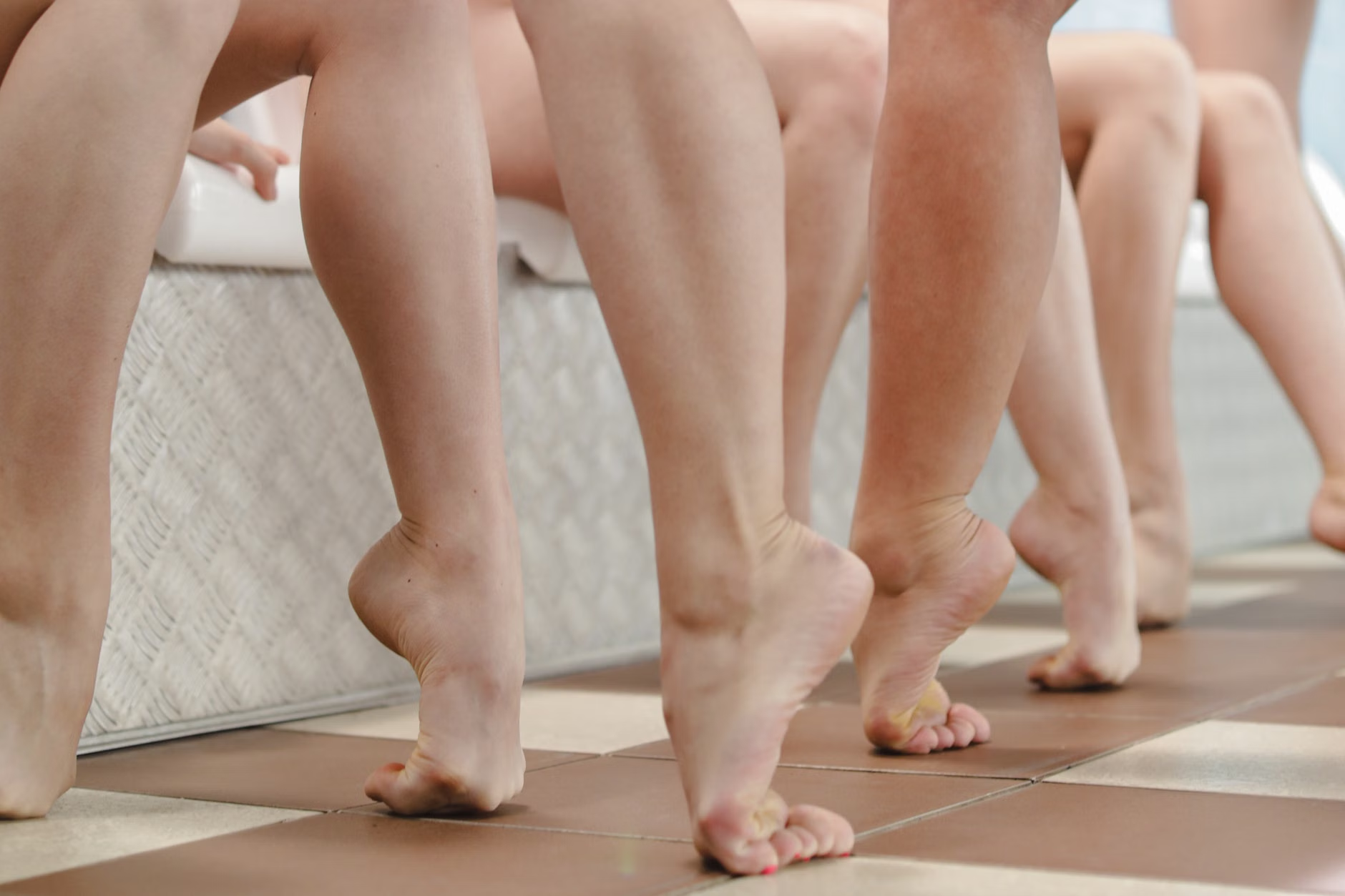
Keeping your toes firmly pressed into the ground, slowly lift your heels as high as possible. You should feel a distinct contraction in the back of your lower legs. Crucially, do not rush this movement. The goal is to maximize the range of motion, not to perform as many repetitions as possible in a short time. Hold the peak contraction for one to two seconds.
3. The Controlled Lowering Phase
Slowly lower your heels back to the floor. The lowering phase is just as important as the lifting phase, as it forces the muscles to work through an eccentric contraction, which is highly beneficial for muscle maintenance and tendon health.
| Phase | Focus Area | Duration |
|---|---|---|
| Lifting | Maximal contraction | 2 seconds |
| Holding | Squeezing the calves | 1-2 seconds |
| Lowering | Controlled release | 3 seconds |
This rhythm ensures that you are not simply “bouncing” your heels, which provides little benefit to the vascular system and can cause unnecessary joint fatigue.

Integrating Calf Raises into Your Daily Routine
The “habit-stacking” method is highly recommended for older adults. This involves attaching a new habit to an existing one to ensure consistency. For example, perform three sets of 15 calf raises every time you sit down to check your emails or every time you watch a specific television program.
Frequency and Volume Guidelines
While there is no “one-size-fits-all” prescription, a balanced starting point is 2 to 3 sets of 15 repetitions, twice daily. If you experience muscle soreness—which is rare but possible if you are inactive—reduce the frequency for a few days before gradually increasing it back to your baseline.
Progression and Variation
Once you are comfortable with the basic movement, you can introduce variations to challenge the muscles further:
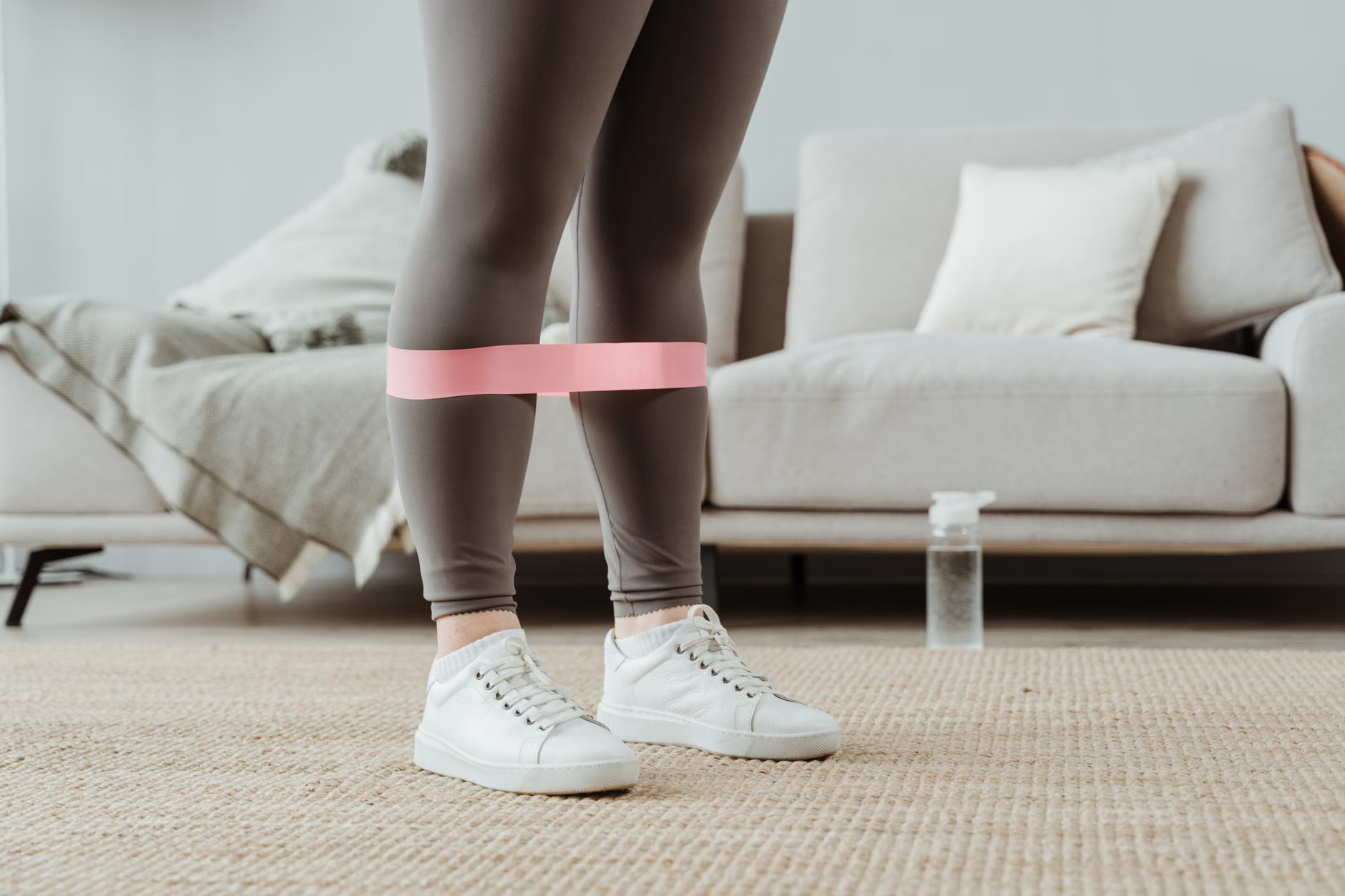
- Resistance Bands: Place a light resistance band over your knees and hold the ends down with your hands. This adds a slight downward force that your legs must overcome during the lift.
- Weighted Options: Place a small, manageable weight (such as a book or a specialized weight plate) on your thighs, near the knees. This increases the load on the calf muscles.
- Single-Leg Raises: If you feel confident, lift one foot slightly off the ground and perform the exercise with one leg at a time. This doubles the load on that specific calf.
When to Consult a Professional
While seated calf raises are safe for most, there are scenarios where professional guidance is necessary. If you have a history of deep vein thrombosis (DVT), chronic venous insufficiency, or peripheral artery disease, you should speak with your healthcare provider before beginning any new exercise routine. These conditions may require specific modifications to ensure that exercise is helpful rather than harmful.
Warning Signs to Stop:
- Sharp, localized pain in the calf or ankle that persists after stopping.
- Sudden swelling or redness in one leg (this requires immediate medical attention as it could be a sign of a clot).
- Dizziness or lightheadedness during the movement.
When visiting your doctor, bring a list of your current medications and a brief log of any symptoms you have experienced. Ask specifically, “Is this range of motion appropriate for my current vascular health?” This helps your provider give you tailored advice rather than generic recommendations.
The Connection Between Mobility and Overall Health
Lower leg health is often the “canary in the coal mine” for overall mobility. When we neglect the calves, we often develop a restricted gait, which can lead to a loss of confidence in walking. By maintaining the health of these muscles, you are indirectly supporting your ability to walk distances, climb stairs, and maintain independence in your daily activities.
It is important to remember that circulation is not just about blood flow; it is about the health of the tissues surrounding the veins. By keeping the calf muscles active, you promote a healthy environment for the nerves, tendons, and skin of the lower legs. This is particularly important for preventing skin thinning and minor injuries that can take longer to heal in older adults.
Addressing Common Misconceptions
A common mistake is believing that exercise must be “intense” to be effective. In the context of circulatory health for seniors, this is incorrect. The goal is repetition and blood flow stimulation, not muscle hypertrophy (building large muscles). Excessive intensity can lead to tendonitis or muscle strains, which will force you to stop exercising entirely. Focus on smooth, deliberate movements that you can perform without discomfort.
Another misconception is that calf raises are only for people with existing circulation issues. In reality, they are a vital preventive measure. Just as we brush our teeth to prevent decay, we perform these movements to prevent the stagnation of blood. The best time to start is when you feel perfectly healthy.
Practical Considerations for Travel
For those who travel frequently, seated calf raises are an essential tool for long-haul flights or train journeys. Prolonged immobility in cramped seating is a known risk factor for venous issues. Aim to perform a few sets of calf raises every 60 to 90 minutes during travel. This simple habit can significantly reduce the “heavy leg” sensation that often accompanies long-distance travel and helps you feel more refreshed upon arrival.
Conclusion
Seated calf raises are a simple, low-cost, and highly effective way to support your lower leg circulation. By committing to a consistent routine and focusing on proper form, you can proactively manage your vascular health and maintain the strength needed for daily life. Start slowly, listen to your body, and enjoy the benefits of improved circulation and mobility.
Frequently Asked Questions
1. How long does it take to see the benefits of seated calf raises?
Many individuals notice an immediate reduction in the “heavy” feeling in their legs after a few days of consistent practice. However, long-term improvements in muscle tone and vascular efficiency typically become noticeable after four to six weeks of daily dedication.
2. Can I do these exercises if I have arthritis in my ankles?
Generally, yes, as the movement is non-weight-bearing. However, if the motion causes pain, reduce the range of motion—only lift your heels as far as is comfortable. If pain persists, consult a physical therapist who can help you modify the angle of your feet to minimize joint stress.
3. Are there official guidelines for this type of exercise?
Organizations such as the Centers for Disease Control and Prevention (CDC) emphasize the importance of strength training for all major muscle groups in older adults. While specific calf-raise protocols are often part of broader physical therapy programs, the general consensus is that regular, low-impact muscle engagement is essential for maintaining independence. Always prioritize your personal health history when starting any new program.