Key Takeaways:
- Prioritize Depth Over Breadth: Slow travel shifts the focus from “checking off” landmarks to immersing yourself in local culture, which significantly reduces physical fatigue and stress.
- Strategic Planning for Accessibility: Always verify local transit accessibility (lifts vs. stairs) and consider the “1-to-2 rule”—one major activity followed by two hours of rest—to manage stamina effectively.
- Pre-Trip Health Documentation: Carry a concise, English-language summary of your medical history, current medications, and emergency contacts to ensure you are prepared for unexpected health needs abroad.
The Art of Slow-Paced Travel: A Practical Guide for Senior Explorers
Travel in your 60s, 70s, and beyond is not about how many countries you can visit in a single month; it is about the quality of the experience and the comfort of the journey. The concept of “Slow Travel” has gained significant traction among older adults because it aligns perfectly with the need for sustainable energy, meaningful engagement, and personal safety. By intentionally slowing down your pace, you transform travel from an exhausting logistical challenge into a restorative, intellectually stimulating hobby.

Defining the Slow-Paced Philosophy
Slow travel is a philosophy that emphasizes connection to local people, culture, food, and music. Instead of the “whirlwind tour” approach—where travelers rush between sites to capture photographs—slow travel encourages staying in one or two locations for an extended period. For an older adult, this means avoiding the constant packing, unpacking, and long-distance transit that often leads to burnout.
Why does this matter? Research into travel-related stress indicates that the most common cause of exhaustion among travelers aged 60+ is not the activity itself, but the “transition fatigue” caused by moving between hotels, airports, and train stations. By staying in one base for a week, you eliminate the stress of transit, allow your body to adjust to local time zones, and gain a deeper understanding of the neighborhood you are visiting.
Designing Your Itinerary: The “Stamina-First” Method
A common mistake in travel planning is assuming your stamina today is identical to your stamina thirty years ago. While many seniors remain highly active, travel involves unique stressors: uneven cobblestone streets, long queues, and climate variations. To design a sustainable itinerary, use the following framework:
1. The 1-to-2 Rule
For every hour of intense activity (such as a guided museum tour or a walking tour), schedule two hours of downtime or low-intensity activity. This prevents the “afternoon crash” and ensures you have enough energy to enjoy your dinner.
2. Audit the Terrain
Before booking any destination, use tools like Google Street View to examine the sidewalks and streets of your destination. Look for steep inclines or excessive stairs. If a city is known for its “medieval hilltop” architecture, it may require significant physical exertion. Opt for destinations with pedestrian-friendly, flat city centers.
3. Transport Logistics
Always prioritize direct transport. If you are flying, pay the premium for non-stop flights. If you are using trains, look for “station-to-station” services that do not require complex transfers. In many regions, such as the EU, you can check specific accessibility features on the European Commission’s Transport Accessibility portal.
Managing Mobility and Accessibility on the Road
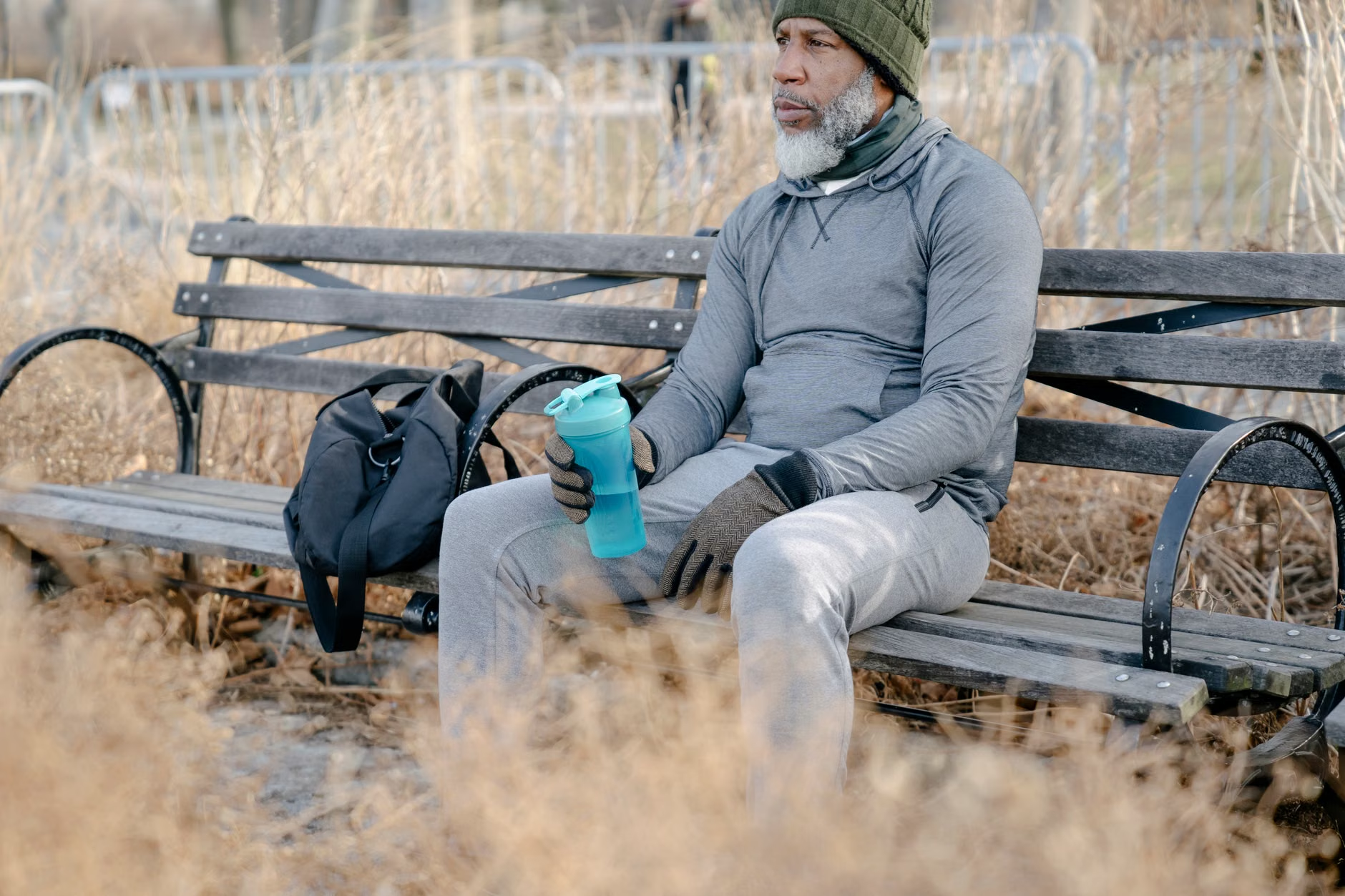
Accessibility means different things to different people. For some, it means ensuring there is an elevator; for others, it means having a place to sit every 50 meters. When planning, you must be your own advocate.
| Feature | What to Look For | Why It Matters |
|---|---|---|
| Accommodation | Ground floor or lift access | Prevents stair-related injury and eases luggage transport. |
| Public Transit | Low-floor buses and step-free stations | Ensures independence; avoids the need for expensive taxis. |
| Museums/Sites | Rental seating or benches in galleries | Allows for longer viewing without physical overexertion. |
| Restrooms | Public facility maps (e.g., Flush or Toilet Finder apps) | Reduces anxiety and allows for better route planning. |
The table above serves as a baseline. Before you book, call your hotel or rental agency. Do not rely on website photos, which may be outdated or misleading. Ask specific questions: “Are there any steps to enter the lobby?” or “Is the elevator large enough for a standard suitcase?” These questions are normal, and a reputable host will be happy to provide clear answers.
Health and Safety: Preparation as a Preventive Measure
Travel is not the time to test your limits. Preventive health in travel is about managing your existing needs so they do not become emergencies. If you take daily medication, ensure you have a “travel buffer”—a supply that lasts for at least one week beyond your planned return date. This accounts for unexpected travel delays.
The “Emergency Packet” Checklist
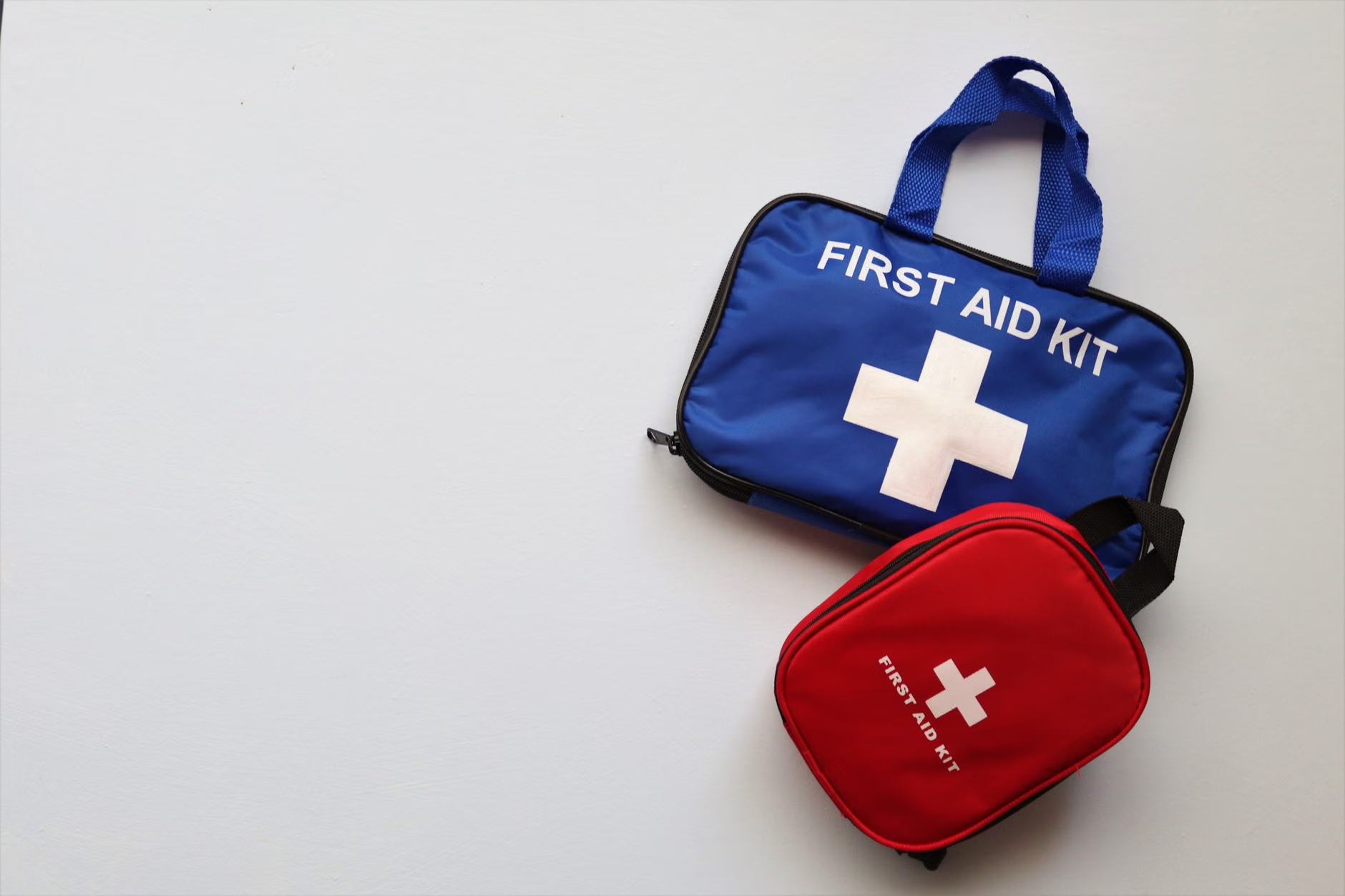
Before you depart, create a physical folder containing the following items. Do not rely solely on your smartphone, as batteries die and screens can break.
- Medical Summary: A simple list of your chronic conditions, allergies, and current medications (with generic names, as brand names vary by country).
- Insurance Details: A copy of your travel insurance policy with the international emergency contact number clearly highlighted.
- Doctor’s Letter: A brief note from your primary care provider confirming your fitness to travel, especially if you have complex medical needs or carry specialized equipment.
- Local Embassy/Consulate info: The address and phone number of your home country’s nearest diplomatic mission.
If you have specific mobility needs, look into the International Association for Medical Assistance to Travellers (IAMAT). They provide a directory of doctors worldwide who speak English and meet specific clinical standards. You can find more information at iamat.org.
Cultural Immersion: The Benefit of Slow Travel
When you stop rushing, you start noticing. Slow travel allows you to participate in the local rhythm of life. Instead of visiting five museums in one day, visit one museum for two hours, then sit at a nearby cafe and observe the local life. This approach is not only less tiring but often leads to more authentic cultural interactions.
Consider these “Slow Engagement” strategies:
- Market Visits: Instead of restaurants, visit a local food market. You learn about the region’s agriculture and culture through its ingredients.
- Public Parks: Many cities have historic parks that are free to enter. They are often the best places to rest and experience the city’s social fabric.
- Local Workshops: Look for short-term, low-intensity classes, such as a one-afternoon pottery session or a local language “coffee talk.” These activities are often accessible and highly rewarding.
Financial and Logistical Considerations
Slow travel can be more cost-effective than traditional tourism. By staying in one place for longer, you can often negotiate better rates for apartment rentals, which also provides a kitchen—allowing you to cook some meals and save money while managing your diet. Avoid “tourist trap” areas where prices are inflated and seating is limited. Look for accommodation in residential neighborhoods, which are typically quieter and more accessible.
A note on digital services: While digital tools like Google Maps and ride-sharing apps are helpful, do not be afraid to use analog methods. A printed map of the area surrounding your accommodation is often more reliable than a phone battery and can be a great way to orient yourself without the glare of a screen.
Conclusion: Crafting Your Own Journey
The art of slow-paced travel is about taking control of your time and your physical boundaries. By choosing to prioritize comfort, accessibility, and depth, you ensure that your travels remain a source of joy rather than a source of stress. Whether you are exploring a quiet village in the mountains or a bustling coastal city, remember that the best travel experience is one that leaves you feeling refreshed and inspired, not exhausted and ready for a vacation from your vacation.
Start by identifying one destination you have always wanted to see, and then apply the “1-to-2 rule” to your initial draft itinerary. Keep your pace manageable, your documents organized, and your expectations grounded in the joy of discovery rather than the pressure of completion.
Frequently Asked Questions
1. How do I know if a destination is truly accessible for my mobility level?
Beyond looking at reviews, check official city tourism websites for “accessible travel” guides. Many major cities in Europe, North America, and Asia now provide detailed maps of step-free routes and wheelchair-accessible public transport. If you are unsure, search for the city name plus “accessibility guide” to find official resources.
2. What should I do if I feel overwhelmed or exhausted while traveling?
It is perfectly acceptable to change your plans. If you find yourself over-scheduled, cut the next day’s activities by half. The beauty of slow travel is that you are not tied to a rigid schedule. Prioritize rest at your accommodation, and remember that you can see the sights you missed on another day—or simply accept that you saw enough for one trip.
3. How can I manage my diet and health while traveling abroad?
Focus on staying hydrated and maintaining a consistent sleep schedule, even when in a different time zone. If you have specific dietary restrictions, use a translation card that clearly states your needs in the local language, or look for accommodations with kitchen access so you can prepare your own meals. Always keep a list of your medications with generic names handy in case you need to visit a local pharmacy.