- Culinary history projects connect generations by preserving the personal stories and cultural significance behind traditional family or regional recipes.
- Success depends on a structured approach: start by defining your scope (e.g., family, neighborhood, or specific cultural cuisine) before moving to data collection.
- Focus on the “why” and “how” of a dish—the context—rather than just the ingredient list, as this provides the true historical value.
A local culinary history project is more than just a collection of recipes; it is an act of cultural preservation that turns your kitchen into a research laboratory. For many adults, the recipes passed down through generations represent a living history of migration, economic shifts, and social customs. By documenting these, you are not just saving a method for making a stew; you are preserving the story of your community.
Defining Your Project Scope: Finding Your Niche
Before you begin, it is vital to narrow your focus. A common mistake is attempting to document “all food history.” This leads to overwhelm. Instead, choose a manageable scope that aligns with your interests and resources. Consider the following categories:
- Family Lineage: Focus on recipes from parents, grandparents, and ancestors. This is often the most personal and emotionally rewarding starting point.
- Geographic or Community-Based: Document the evolution of food in your specific neighborhood, town, or region. How have available ingredients changed over the last 50 years?
- Thematic Documentation: Choose a specific type of food, such as “holiday traditions,” “pantry-staple meals from the mid-20th century,” or “traditional preservation techniques like pickling and smoking.”
When you choose a scope, consider your mobility and social reach. If you enjoy visiting local markets or community centers, a regional project is ideal. If you prefer working from home, a family-focused archive is a better fit. Regardless of the scope, the key is to be specific. A project titled “The Evolution of Sunday Roasts in My Hometown” is far more actionable than “Local Food History.”

The Methodology of Documentation: Beyond the Recipe Card
A recipe is a set of instructions, but culinary history is a narrative. To make your project historically significant, you must capture the context. Use a standardized data collection form to ensure consistency across all your entries. Below is a suggested framework for every entry in your collection:
| Data Point | Why It Matters |
|---|---|
| Origin Story | Who first cooked this? Where did they learn it? |
| Adaptations | What ingredients were substituted due to scarcity or cost? |
| Social Context | Was this a celebratory dish or a daily survival meal? |
| Sensory Memory | What did the kitchen smell like? What kitchen tools were used? |
By filling out this information, you elevate your project from a cookbook to a historical record. If you are interviewing others, focus on open-ended questions. Instead of asking “Do you like this recipe?”, ask “What memories come to mind when you think about preparing this dish during the winter months?”
Tools for Preservation: Low-Tech vs. High-Tech
You do not need sophisticated software to manage a culinary project. The best tool is the one you are most comfortable using consistently. However, consider the durability of your records.
The Analog Approach
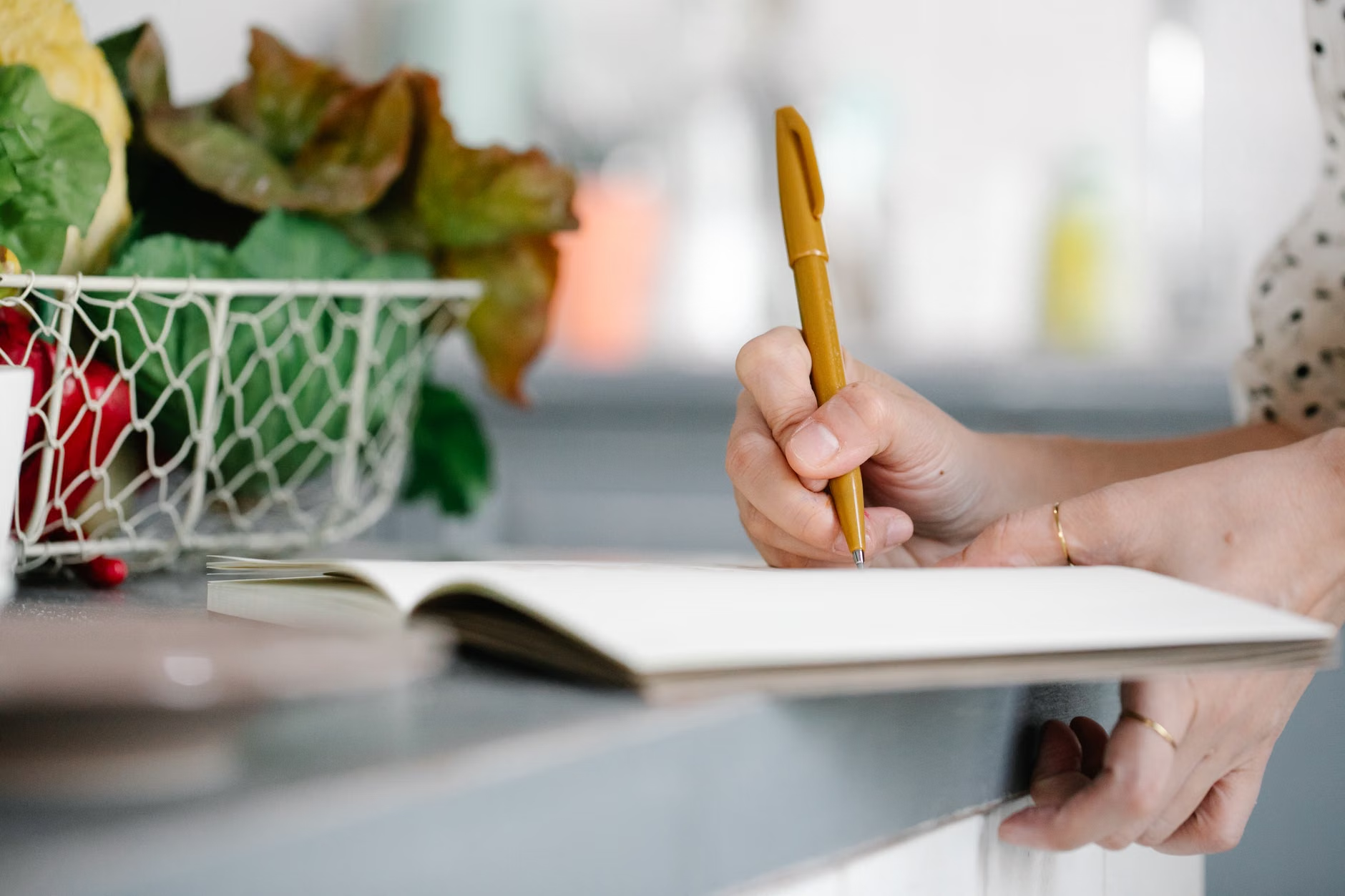
Paper records have a tactile, enduring quality. If you prefer handwriting, use archival-quality paper and acid-free pens. A loose-leaf binder is superior to a bound notebook because it allows you to reorder pages as you discover new information or cross-reference recipes.
The Digital Approach
For those comfortable with technology, a simple spreadsheet or a dedicated “Notes” application on a tablet can be highly effective. The advantage of digital files is the ability to attach audio clips of interviews or photographs of finished dishes directly to the text. Always maintain a backup of your digital files on an external hard drive or in a secure cloud storage account.
Conducting Oral History Interviews
When interviewing family members or community elders, the goal is to capture the “unwritten” knowledge. Many traditional cooks do not use measurements; they cook by “feel.” Your task is to translate that intuition into a record that others can follow.
Practical steps for a successful interview:
- Preparation: Inform the interviewee of your goal. Tell them you are interested in their history, not just the recipe.
- Comfort: Ensure the environment is quiet. Background noise makes transcribing audio difficult.
- Recording: Use a smartphone or a dedicated voice recorder. Always ask for permission before recording.
- Observation: If possible, watch them cook. Note the specific techniques—the way they knead dough or the color they look for in a sauce—that a written recipe might omit.
Organizing Your Archive
Once you have collected your information, you need a system to store it. For a physical archive, use labeled dividers. Categorize by:
- Chronology: Recipes from different decades.
- Ingredient Type: Preservation, baking, main courses, etc.
- Cultural Source: If your project spans multiple traditions.
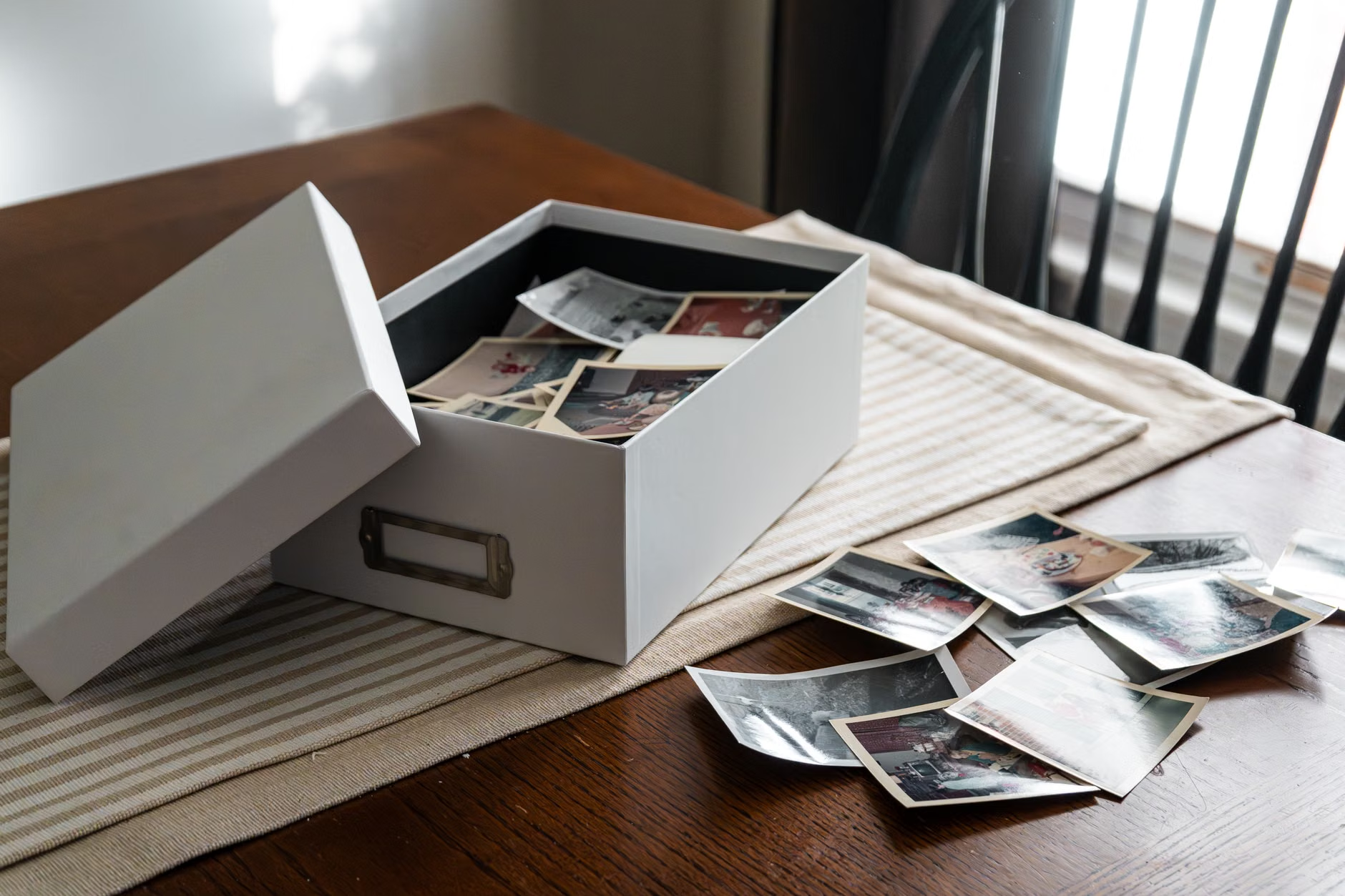
Labeling is critical. Every item should have a date of entry and the source’s name. If you find a clipping from a local newspaper, attach it to a sheet of paper and note where and when it was found. This metadata is what makes your project a legitimate historical collection rather than just a pile of papers.
Ethical Considerations and Community Respect
When documenting community or cultural recipes, approach the task with humility. Culinary traditions are often deeply tied to identity. If you are documenting a cuisine that is not your own, ensure you are credited as a researcher or archivist, not the author of the culture. Always seek explicit permission to share stories or recipes publicly, especially if you intend to publish them in a blog or book.
Avoid the temptation to “correct” traditional recipes. If a recipe calls for a method that is no longer common—such as using a wood-fired stove or a specific type of manual grinder—record it as it was done. The historical value lies in the authentic process, not in making it fit modern, quick-cooking standards.
Sustainability and Longevity of Your Project
Consider the final destination of your work. Will it be a gift for your grandchildren? A donation to a local historical society? Or a digital blog for the wider community? Knowing your audience helps dictate the format. If you are donating it, check the requirements of the institution first; they may have specific standards for paper types or digital file formats (such as PDF/A for long-term preservation).
For further inspiration on how historical societies handle such records, you can review guidelines from the American Folklife Center regarding oral history and community documentation.
Addressing Common Challenges
You may encounter moments where information is missing. Perhaps a key ingredient is no longer available, or a relative has passed away before sharing the “secret” to a dish. Do not let these gaps stop you. Acknowledge them in your notes. Writing “The original recipe included a specific spice that is no longer available in the local market” is a valuable piece of historical data in itself—it documents the changing landscape of local commerce and trade.
Conclusion: The Legacy of the Kitchen Table
Starting a culinary history project is a profound way to engage with your community and your own past. It requires patience, curiosity, and a commitment to detail, but the result is a tangible legacy that outlives the meals themselves. By documenting the “how” and the “why” of your local culinary traditions, you are ensuring that these stories remain part of the collective memory for years to come.
Frequently Asked Questions
1. Do I need expensive recording equipment to capture oral histories?
No. A modern smartphone is more than capable of capturing high-quality audio. Use a built-in voice memo app and ensure you are in a quiet room. The most important factor is the proximity of the phone to the speaker.
2. What should I do if the recipes I collect are inconsistent or lack measurements?
Inconsistency is a natural part of historical cooking. Record the recipe as described, and then add a “Researcher’s Note” section where you test the recipe and provide suggested measurements based on your own experience. Label these as “Reconstructed Measurements” to keep the original data intact.
3. Can I publish my culinary project online?
Yes, but be mindful of privacy. If you are documenting family recipes, ensure you have consent from the family members mentioned. For community projects, ensure you are respecting the cultural origins of the recipes and providing proper attribution to the individuals who shared their knowledge with you.
Disclaimer: This article is for informational purposes for hobbyists and researchers. It does not constitute legal or archival advice. Always respect intellectual property and cultural heritage rights when documenting and sharing traditional knowledge.