- Cognitive Engagement: Model building acts as a form of “active meditation” that improves focus, spatial reasoning, and patience, which are essential for maintaining cognitive sharpness.
- Physical Dexterity: The hobby provides low-impact, repetitive fine motor exercises that help maintain hand-eye coordination and finger flexibility.
- Accessibility: By choosing the right scale, materials (such as snap-fit kits), and ergonomic tools, individuals with varying levels of vision or mobility can enjoy model building comfortably.
Model building is more than a way to pass the time; it is a structured, meditative practice that offers significant cognitive and physical benefits for adults aged 60 to 80. By focusing on the assembly of scale replicas—whether they are aircraft, ships, architectural structures, or classic automobiles—practitioners engage in a process that demands sustained attention, precise movement, and strategic planning. This article explores how to integrate model building into your lifestyle, the health-related considerations involved, and how to select the right projects for your personal goals.
The Cognitive and Physical Benefits of Scale Modeling
The practice of building models is fundamentally an exercise in problem-solving. When you follow a set of instructions to construct a complex object, you are utilizing executive functions—the same mental processes required for planning, organizing, and executing daily tasks. As we age, keeping these pathways active is vital for maintaining cognitive agility.
Mental Stimulation and Executive Function
Unlike passive entertainment, such as watching television, model building requires active engagement. You must interpret two-dimensional diagrams and translate them into three-dimensional structures. This spatial reasoning exercise helps keep the brain flexible. Furthermore, the “flow state” often achieved during assembly—where you become fully immersed in the task—has been shown to reduce cortisol levels, the body’s primary stress hormone.
Fine Motor Skill Maintenance
The repetitive, delicate tasks involved in model building—such as sanding a small plastic part, applying a decal with tweezers, or painting a minute detail—serve as a form of physical therapy for the hands and wrists. These movements encourage dexterity and help maintain the range of motion in the small joints of the fingers. For those who experience stiffness, the key is to ensure that your workstation is ergonomically sound and that you take frequent breaks to stretch your hands and shoulders.
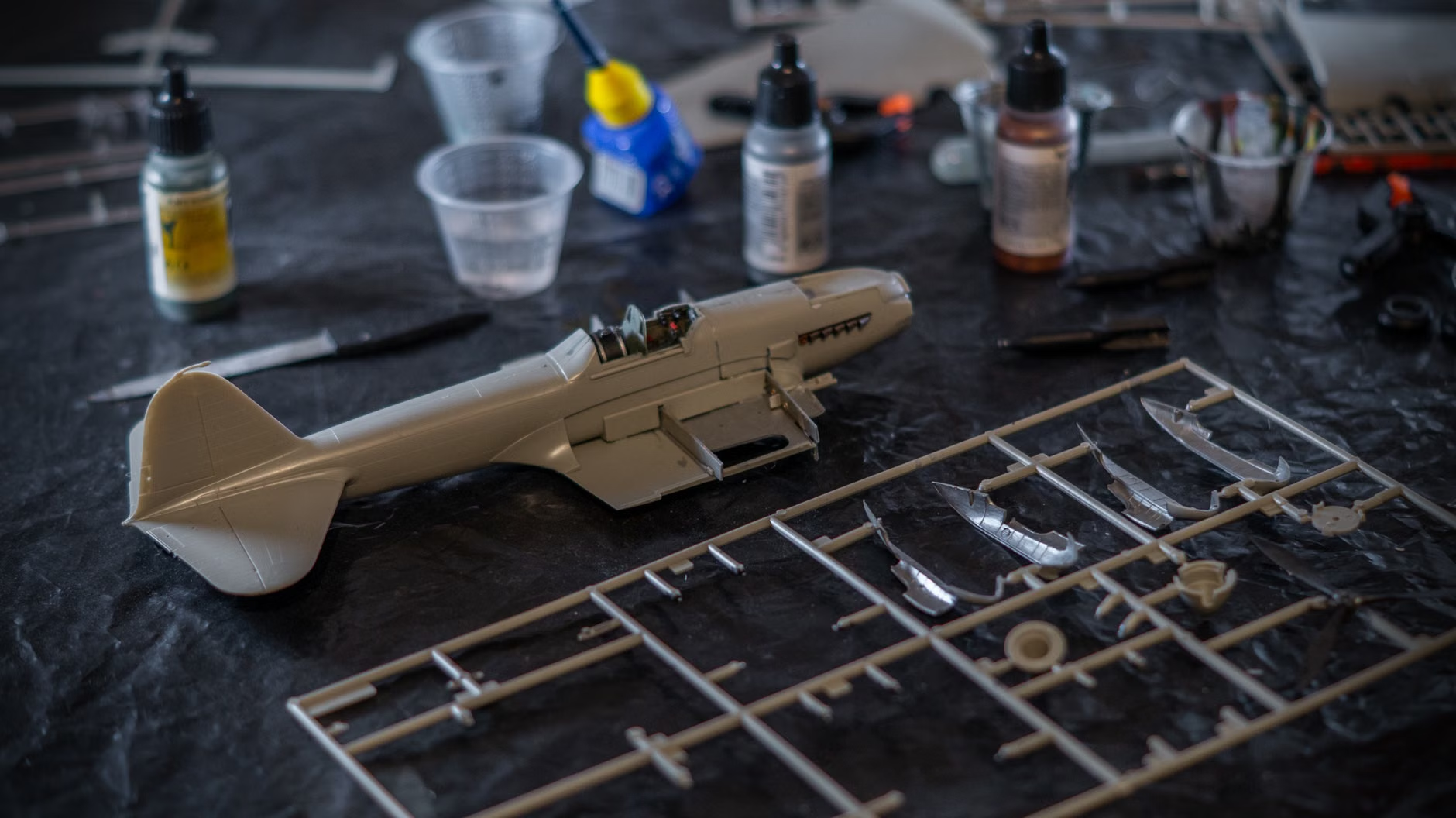
Choosing the Right Project: A Scale and Complexity Guide
One of the most common mistakes beginners make is choosing a project that is too complex, which can lead to frustration rather than relaxation. When selecting a kit, consider your current level of patience, your eyesight, and your workspace requirements.
Determining Your Starting Point
Model kits are typically categorized by their “skill level,” usually ranging from 1 to 5. Level 1 kits are often “snap-fit,” meaning they require no glue or paint, making them excellent for those new to the hobby. As you gain confidence, you can move toward kits that require painting, detailing, and advanced assembly techniques.
| Kit Type | Complexity | Tools Required | Best For |
|---|---|---|---|
| Snap-Fit Plastic | Low | Nippers, file | Beginners, limited space |
| Laser-Cut Wood | Medium | Glue, tweezers, sanding block | Those seeking tactile, natural materials |
| Photo-Etched Metal | High | Precision benders, specialized adhesive | Experienced builders, high detail |
The table above highlights that your choice should align with your specific environment. If you have limited space or find intricate glue work challenging, start with snap-fit plastic kits. These allow you to enjoy the structural assembly without the pressure of chemical adhesives or complex painting sequences.
Setting Up an Ergonomic Hobby Station
To ensure that model building remains a therapeutic activity rather than a source of physical discomfort, your workstation must be set up with accessibility in mind. The goal is to minimize strain on your neck, back, and eyes.
Lighting and Magnification
Good lighting is the most important factor in preventing eye strain. Avoid relying solely on overhead room lighting; instead, use a dedicated, adjustable LED desk lamp that provides “daylight” spectrum light. This reduces shadows and allows you to see small parts clearly.
If you find that your vision makes it difficult to see tiny components, consider investing in a desk-mounted magnifying glass with an integrated light. Alternatively, hands-free magnifying visors are highly effective as they move with your head, ensuring that your work is always in focus without requiring you to hold a magnifying lens in one hand.
Posture and Comfort
Long periods of sitting can lead to back pain. Ensure you are using a chair with proper lumbar support. If you find yourself leaning over the desk for long periods, consider elevating your work surface so that the model is at eye level. This simple adjustment can significantly reduce neck strain. Remember to follow the “20-20-20 rule”: every 20 minutes, look at something 20 feet away for 20 seconds, and stand up to stretch your body.
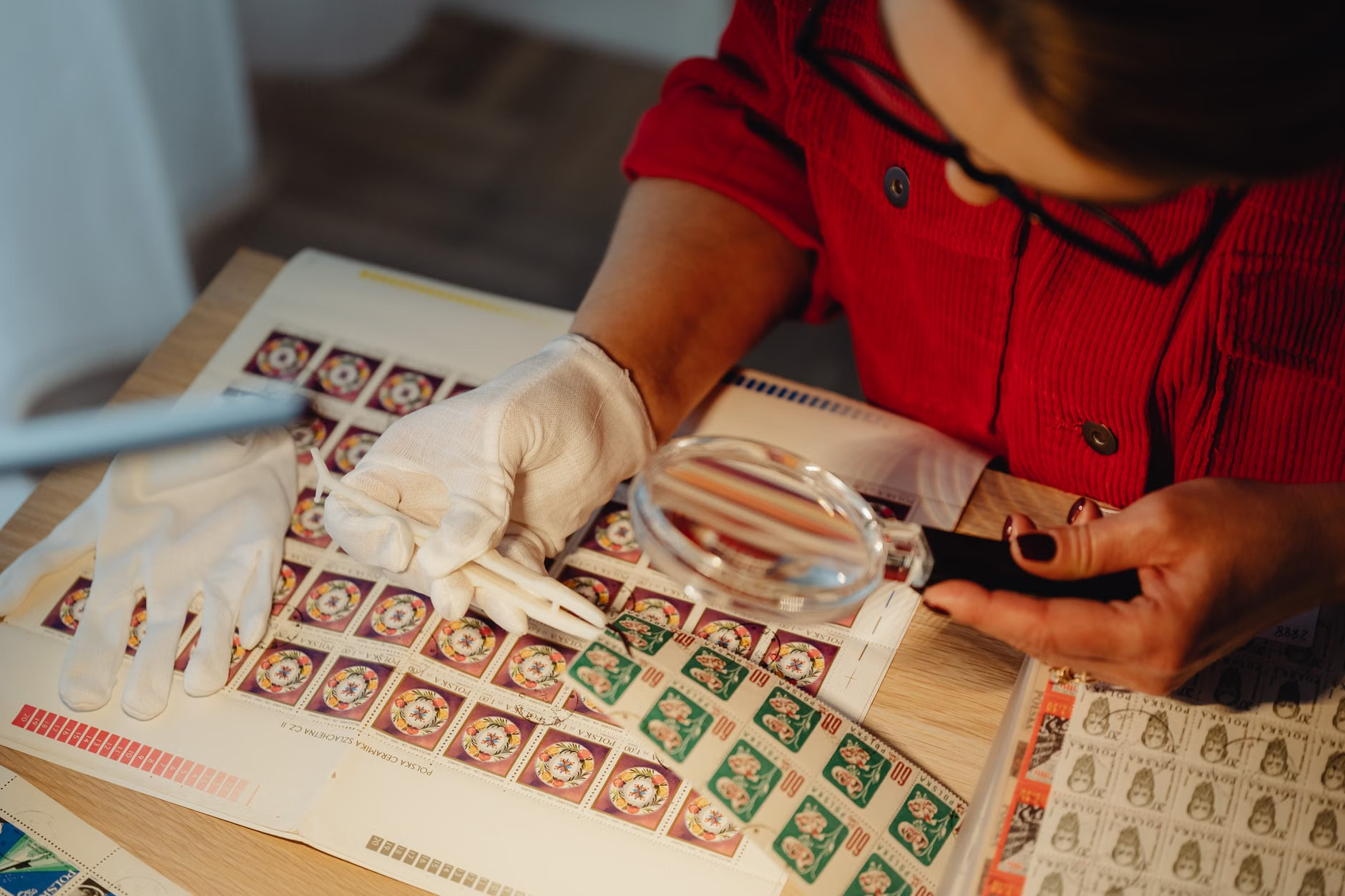
Essential Tools for Success
You do not need a vast collection of expensive tools to start. A few high-quality, purpose-built items will make the process much more enjoyable and less frustrating than using improvised household tools like kitchen scissors or standard household glue.
- Sprue Nippers: These are specialized cutters designed to remove plastic parts from the frame (the “sprue”) without damaging the part itself.
- Precision Tweezers: Look for a set with different tips (straight and bent). These are essential for placing small decals or tiny parts that fingers cannot handle.
- Sanding Sticks: These are small, abrasive sticks that allow you to smooth out the edges of parts after they have been cut from the frame.
- Adhesives: Use model-specific plastic cement. Unlike super glue, it slightly melts the plastic to create a permanent, chemical bond. Always use these in a well-ventilated area.
Overcoming Challenges: When Hobbies Get Difficult
There may be times when a specific project feels overwhelming. If you hit a roadblock, remember that the goal is the process, not the final product. If a part is too small or a step is too complex, it is perfectly acceptable to skip that detail or modify the kit. There are no rules in hobby building that mandate perfection.
Managing Frustration
If you find your hands shaking or your focus wavering, put the project down. Model building is a hobby, not a deadline-driven job. Keeping a “work-in-progress” tray is a great way to pause. You can simply place your model, tools, and instructions on a tray and slide it onto a shelf, allowing you to pick up exactly where you left off when you feel refreshed.
Seeking Community
Many adults find that joining a local modeling club or an online forum can add a social dimension to the hobby. Sharing your progress with others who understand the effort involved can be incredibly rewarding. It also provides a space to ask for advice on techniques or to find recommendations for kits that are specifically designed for ease of assembly.
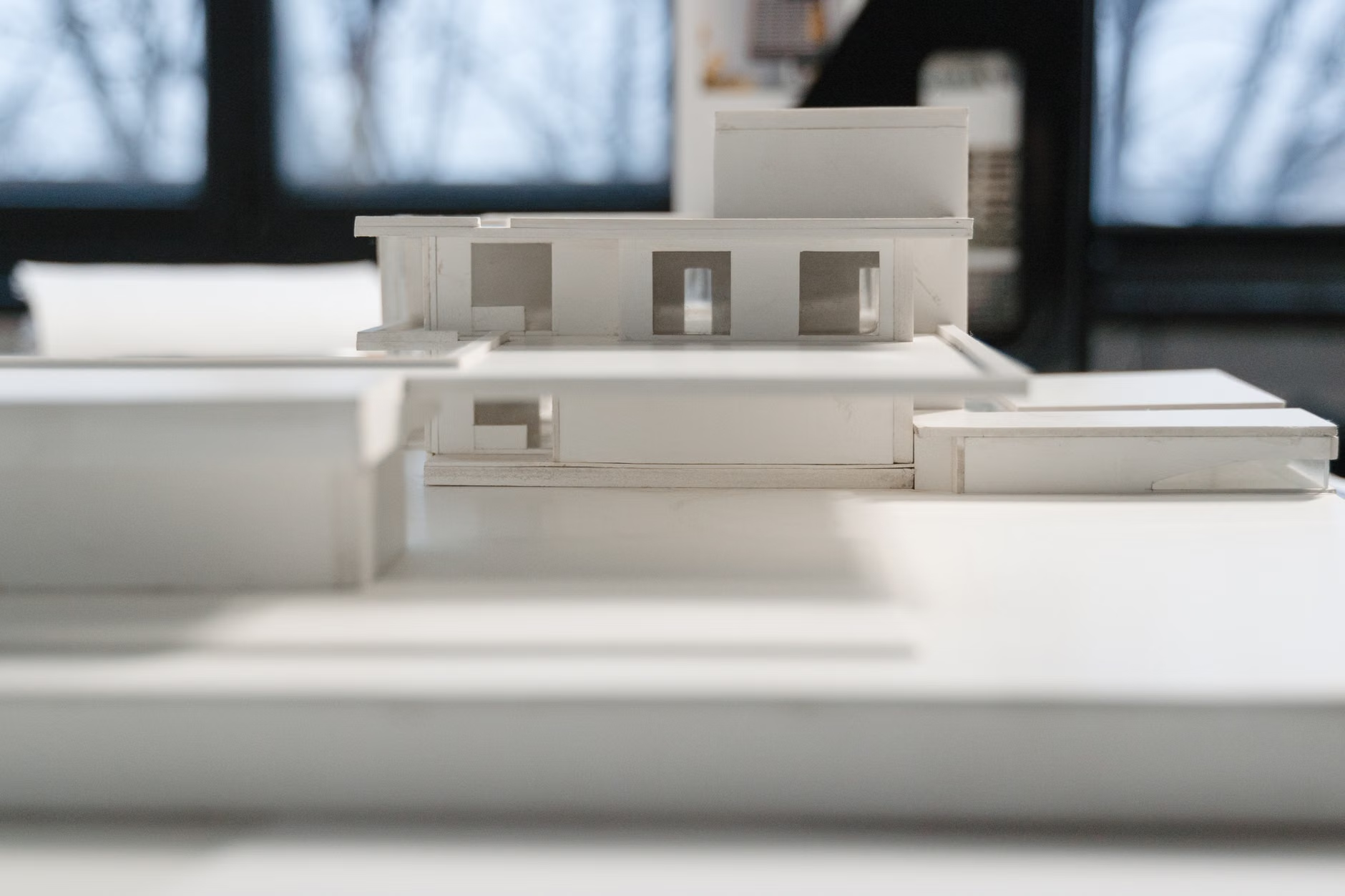
Integrating Mindfulness and Routine
To maximize the therapeutic value of model building, try to incorporate it into your daily or weekly routine. Consistency helps the brain enter the “flow state” more quickly. Perhaps you decide to spend 45 minutes on your model each Tuesday and Thursday afternoon. By creating this ritual, you turn the hobby into a reliable pillar of your mental health regimen.
The Value of Patience
Model building is inherently slow. It teaches the practitioner that good things take time. In an era of instant gratification, the patience required to let paint dry or to carefully align a delicate structural piece is a powerful antidote to the feeling of constant rush. Embrace the slow pace. Enjoy the sound of the file against the plastic or the satisfaction of seeing a structure finally stand on its own.
Conclusion: A Path to Personal Fulfillment
Model building offers a unique combination of mental stimulation, fine motor exercise, and creative satisfaction. It is a hobby that respects the intellect and patience of the older adult, providing a tangible way to mark progress and achieve small, meaningful victories. By focusing on ergonomic setups, starting with manageable kits, and prioritizing the enjoyment of the process over the perfection of the result, you can turn your workspace into a sanctuary of focus and calm. Whether you are building a replica of a historic ship or a modern architectural marvel, the most important part of the process is the quiet, focused time you spend with yourself.
Frequently Asked Questions (FAQ)
1. Is model building suitable for someone with arthritis?
Model building can be adapted for those with arthritis by choosing kits that require minimal fine motor movement, such as larger scale models or snap-fit kits. Using ergonomic, thick-handled tools can also reduce the grip strength required. It is recommended to perform gentle hand stretches before and after sessions to maintain flexibility. If you experience significant pain, consult with an occupational therapist who can suggest specific adaptive tools or techniques.
2. Where can I find reliable, beginner-friendly model kits?
Most reputable hobby shops or online retailers categorize kits by “Skill Level.” Look for Level 1 or “Snap-Fit” kits from established manufacturers. These companies often provide clear, illustrated instructions that rely on visual cues rather than complex text, making them accessible regardless of your experience level. Always check the scale; a larger scale (e.g., 1:24 or 1:35) means larger parts, which are generally easier to handle than the tiny parts found in 1:72 or 1:144 scales.
3. Do I need a dedicated room for this hobby?
No, you do not need a dedicated room. A small, portable workstation—such as a sturdy tray or a folding table—is sufficient. The most important requirement is a stable, well-lit surface where you can leave your project undisturbed for a few hours. If you share your home with others, a storage box or dedicated trolley can keep your tools and projects organized and easily accessible, allowing you to set up and clear away your workspace in seconds.
For further information on hobbies and cognitive health, you may refer to resources provided by local health councils or national associations for aging, which often feature programs on “active aging” and leisure activities designed to support lifelong learning and mental wellbeing.