- Cognitive Engagement: Propagation is a low-impact, high-reward activity that encourages observation, patience, and the development of fine motor skills.
- Cost-Effective Growth: By mastering propagation, you can expand your indoor garden indefinitely without the recurring expense of purchasing new plants.
- Therapeutic Routine: The rhythmic nature of plant care provides a sense of purpose and a calming daily ritual that supports emotional well-being.
Understanding the Therapeutic Value of Propagation
Propagation is the process of creating new plants from existing ones. For many adults, this activity offers far more than just a decorative houseplant; it serves as a bridge between active engagement and quiet reflection. Unlike high-intensity sports or demanding hobbies, propagation operates on the “slow time” of nature, which can be profoundly grounding.
When we engage in propagation, we are practicing active observation. We monitor growth, check water levels, and look for the emergence of new roots. This helps shift our focus toward the present moment. Research into horticultural therapy suggests that interacting with greenery can lower cortisol levels, improve mood, and provide a sense of accomplishment that is often missing in the digital age. For those of us seeking a hobby that respects our need for comfort while stimulating our curiosity, propagation is an ideal candidate.
Choosing the Right Plants for Success
Not all plants are equally easy to propagate. As a beginner, or as someone looking for a low-stress hobby, it is wise to start with varieties that are resilient and show rapid results. Seeing a root emerge within a week or two provides immediate positive feedback, which encourages continued interest.
| Plant Type | Difficulty | Method | Why it’s great |
|---|---|---|---|
| Pothos (Epipremnum aureum) | Very Easy | Water | Extremely hardy and grows roots quickly. |
| Spider Plant (Chlorophytum comosum) | Easy | Water/Soil | Produces “babies” that are easy to detach. |
| Snake Plant (Sansevieria) | Moderate | Soil/Water | Requires less attention but takes longer. |
The table above suggests that for individuals who enjoy visual progress, Pothos is the superior choice. Its rapid root development provides a sense of success that is highly motivating. Conversely, if you enjoy a more “set it and forget it” approach, Snake Plants are excellent, though you must be prepared for a slower timeline.
Step-by-Step: The Water Propagation Method
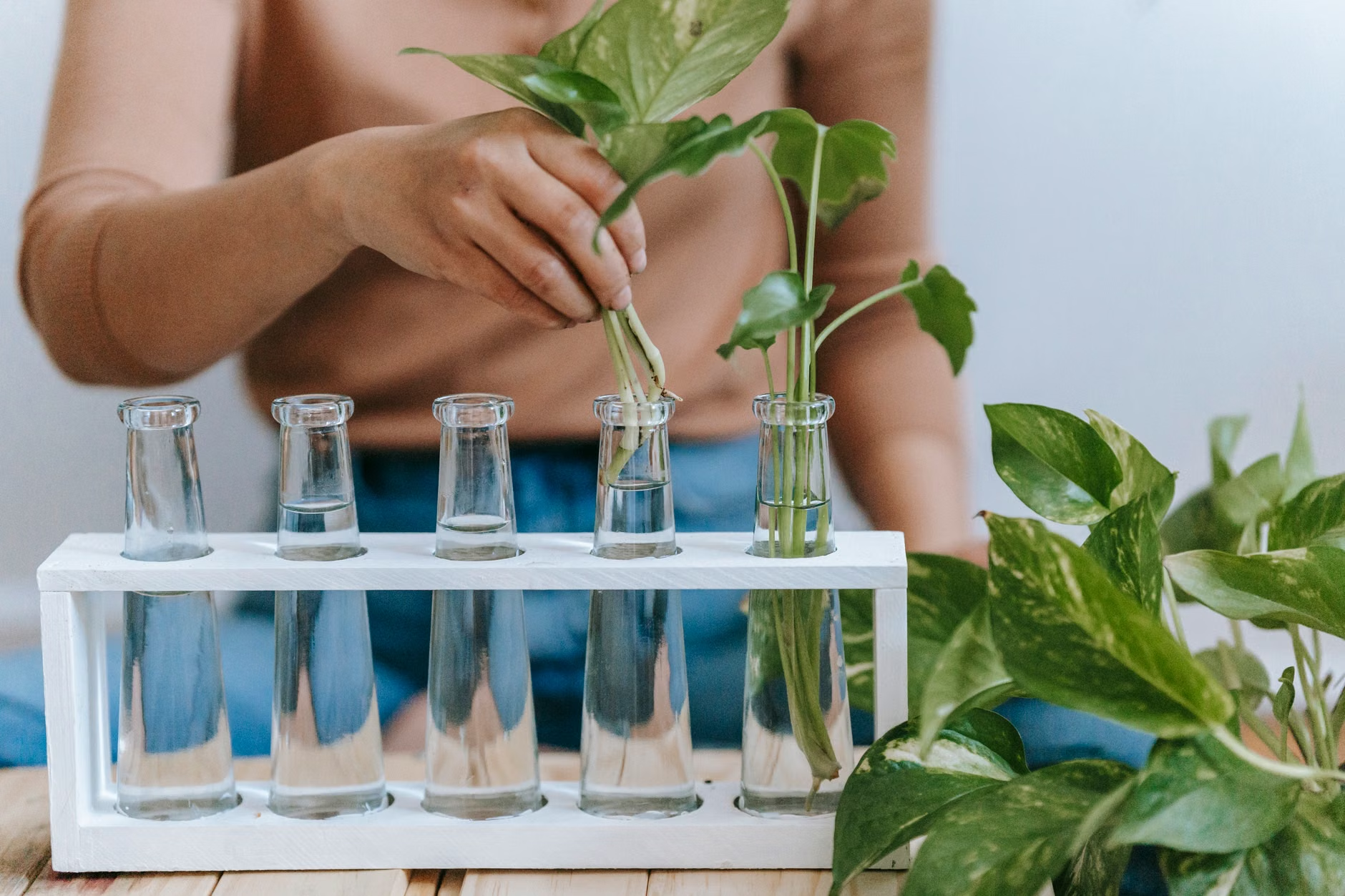
Water propagation is the most accessible method for beginners because it allows you to watch the roots grow through the glass. This visual confirmation is satisfying and helps you learn exactly when a plant is ready to be moved to soil.
1. Preparation and Hygiene
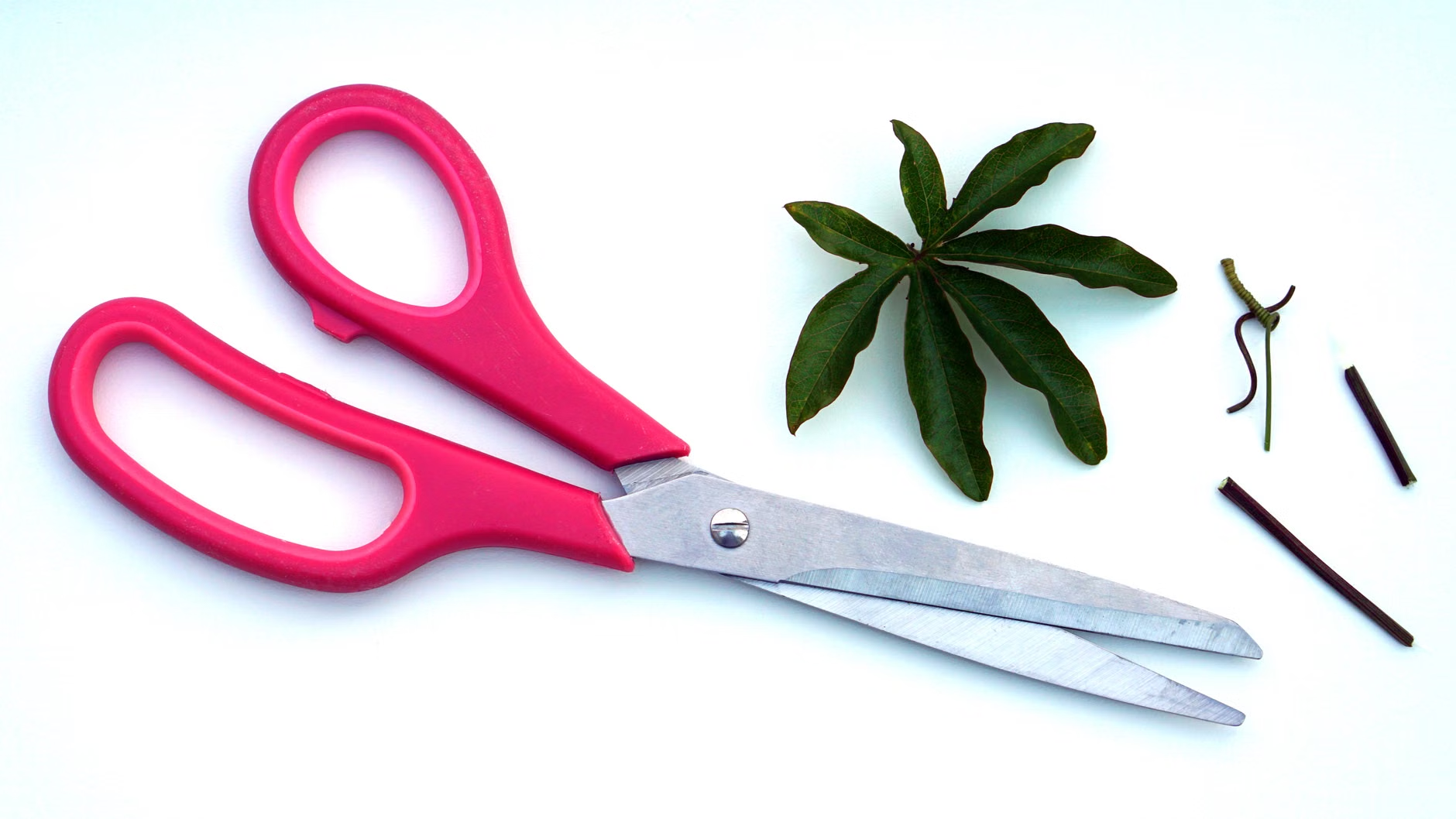
Before you begin, ensure your tools are clean. A pair of sharp, sanitized scissors or pruning shears is essential. Using dull tools can crush the stem, which makes it harder for the plant to absorb water and increases the risk of rot. Clean your tools with a bit of rubbing alcohol to prevent the transfer of bacteria or fungi.
2. Selecting the Cutting
Look for a “node.” The node is the small bump or joint on the stem where leaves emerge. The cutting must include at least one node, as this is where new roots will grow. Cut just below the node at a slight angle. This provides a larger surface area for water absorption.
3. Placement and Environment
Place your cutting in a clean glass jar filled with room-temperature water. Ensure that no leaves are submerged in the water, as they will rot and foul the container. Place the jar in a spot with bright, indirect light. Avoid direct, harsh sunlight, which can overheat the water and promote algae growth.
Managing the Transition to Soil
Many people struggle when it is time to move their rooted cutting from water to soil. This transition is a critical phase. When a plant has lived in water, it has developed “water roots,” which are fine and delicate. When moved to soil, the plant needs to adjust to a denser, more nutrient-rich environment.
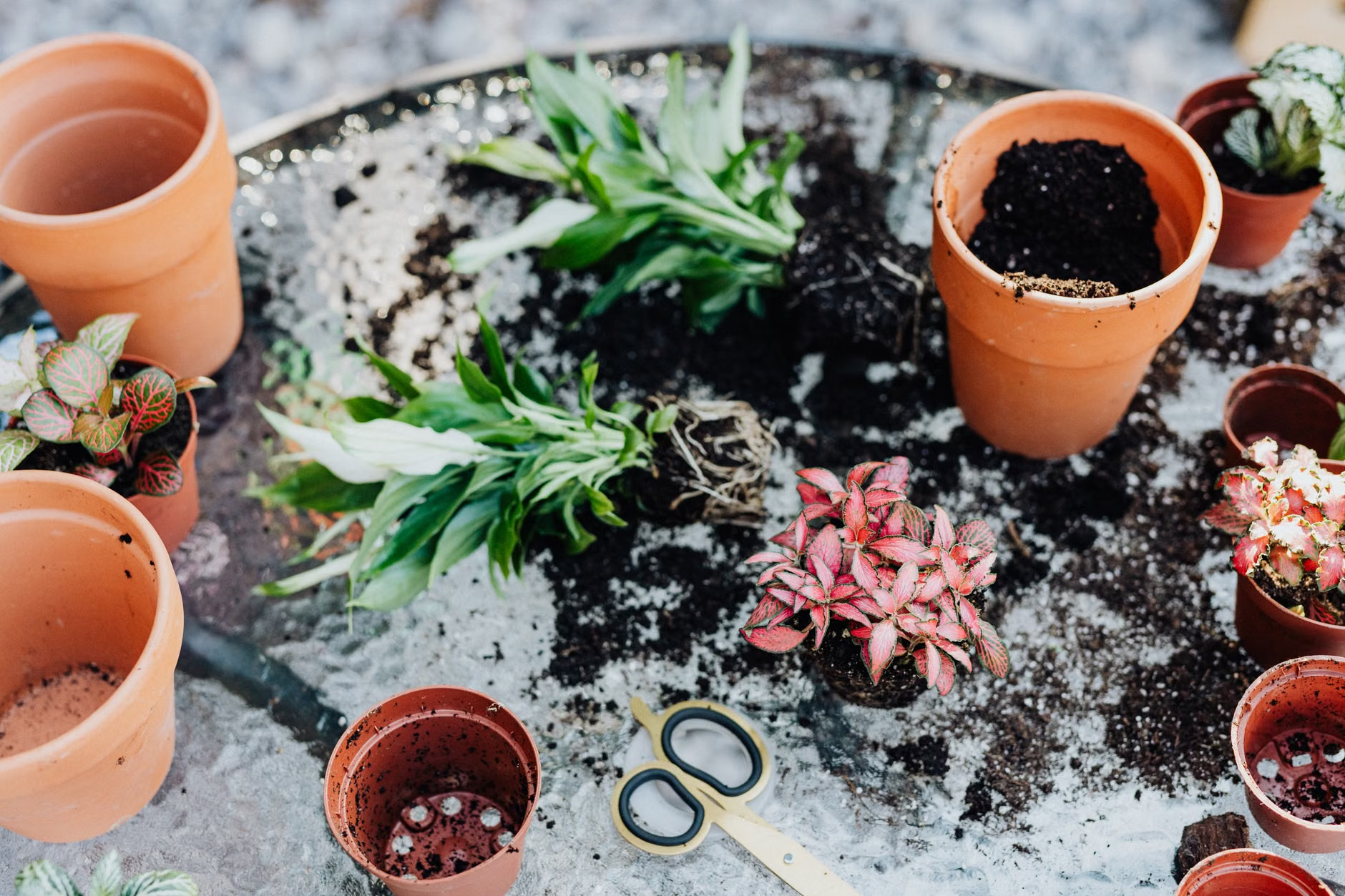
Practical Decision Rule: Wait until the roots are at least 5-7 centimeters long. When you transplant, use a high-quality potting mix that drains well. Do not pack the soil too tightly; roots need oxygen to thrive. Keep the soil consistently moist (but not waterlogged) for the first two weeks as the plant adapts to its new medium.
Addressing Common Challenges and Misconceptions
One of the most frequent mistakes is the assumption that more water is always better. In reality, overwatering is the primary cause of plant death. When propagating, ensure the water in your jar is changed at least once a week. This prevents the water from becoming stagnant and ensures that oxygen levels remain high, which is essential for root health.
Another misconception is that all plants need direct sunlight. In their natural habitats, many indoor plants grow on the forest floor under the canopy. They are adapted to filtered, indirect light. If you notice your leaves turning yellow or developing brown, crispy edges, your plant is likely receiving too much direct light. Move it to a location that is bright but protected from the sun’s rays.
The Cognitive and Physical Benefits
Beyond the aesthetic appeal, propagation offers measurable benefits for our daily lives:
- Fine Motor Dexterity: The delicate work of snipping stems, cleaning jars, and handling small root systems acts as a gentle exercise for the hands and fingers.
- Cognitive Stimulation: Learning the specific needs of different species keeps the mind sharp and encourages ongoing learning.
- Routine and Purpose: Having a set of “chores”—such as checking water levels or wiping leaves—creates a gentle structure to the day, which is beneficial for maintaining a balanced lifestyle.
Safety and Accessibility Considerations
For those with limited mobility or stamina, propagation is highly adaptable. You can set up your “propagation station” at a comfortable table height, eliminating the need to bend over or kneel on the floor. Use lightweight plastic or acrylic containers if glass feels too heavy or risky to handle. If you have concerns about back strain, consider using a high-top table or a dedicated gardening cart that can be moved easily around the house.
If you have pets, ensure that your chosen plants are non-toxic. Many common houseplants, such as Pothos or Philodendrons, can be harmful if ingested. Always check the toxicity of a plant before bringing it into your home. A reliable resource for this is the ASPCA Toxic and Non-Toxic Plants List.
Expanding Your Hobby: Beyond the Windowsill
Once you have mastered the basics, you may find that your home is filling up with new plants. This is a great opportunity to share your hobby with others. Giving a propagated plant as a gift is a meaningful way to connect with friends, family, or neighbors. It represents time, care, and a living piece of your home environment.
If you find that you have too many plants, consider donating them to a local community center, library, or senior living residence. Gardening is a social activity as much as a solitary one. Sharing your tips and your “babies” can lead to new social connections and the exchange of knowledge, further enhancing the therapeutic benefits of the hobby.
Conclusion: The Growth Never Stops
The beauty of indoor plant propagation lies in its simplicity and the quiet joy of watching life unfold. It is a hobby that does not demand perfection, only consistency and a little bit of patience. By starting small and selecting the right plants, you can create a vibrant, living environment that supports your emotional and physical well-being. Whether you are growing a single Pothos vine or cultivating a diverse indoor forest, remember that the process is the reward. Take your time, enjoy the greenery, and let your home become a space of renewal.
Frequently Asked Questions
1. How often should I change the water for my cuttings?
It is best to change the water at least once a week. This replenishes oxygen and helps prevent the buildup of bacteria or algae, which can hinder root growth. If the water looks cloudy or dirty before the week is up, change it sooner.
2. Can I propagate plants in the winter?
Yes, you can, but growth will be significantly slower due to lower light levels and cooler temperatures. If you choose to propagate in winter, ensure your plants are in the brightest spot available and consider using a small LED grow light if you live in an area with very short days.
3. My cutting has roots, but it is not growing any new leaves. Is this normal?
Yes, this is very common. When a cutting is in the propagation phase, it is focusing all its energy on root development. Once the roots are established and you transfer the plant to soil, it will eventually shift its energy to producing new foliage. Be patient; it can take several weeks after planting for new leaves to appear.
Note: This article is for informational purposes and does not replace professional horticultural or medical advice. Always prioritize your physical safety and comfort when setting up your gardening space.