- Humidity and heat are chemical catalysts: High moisture and temperature can degrade the active ingredients in tablets, capsules, and inhalers, rendering them ineffective or even harmful.
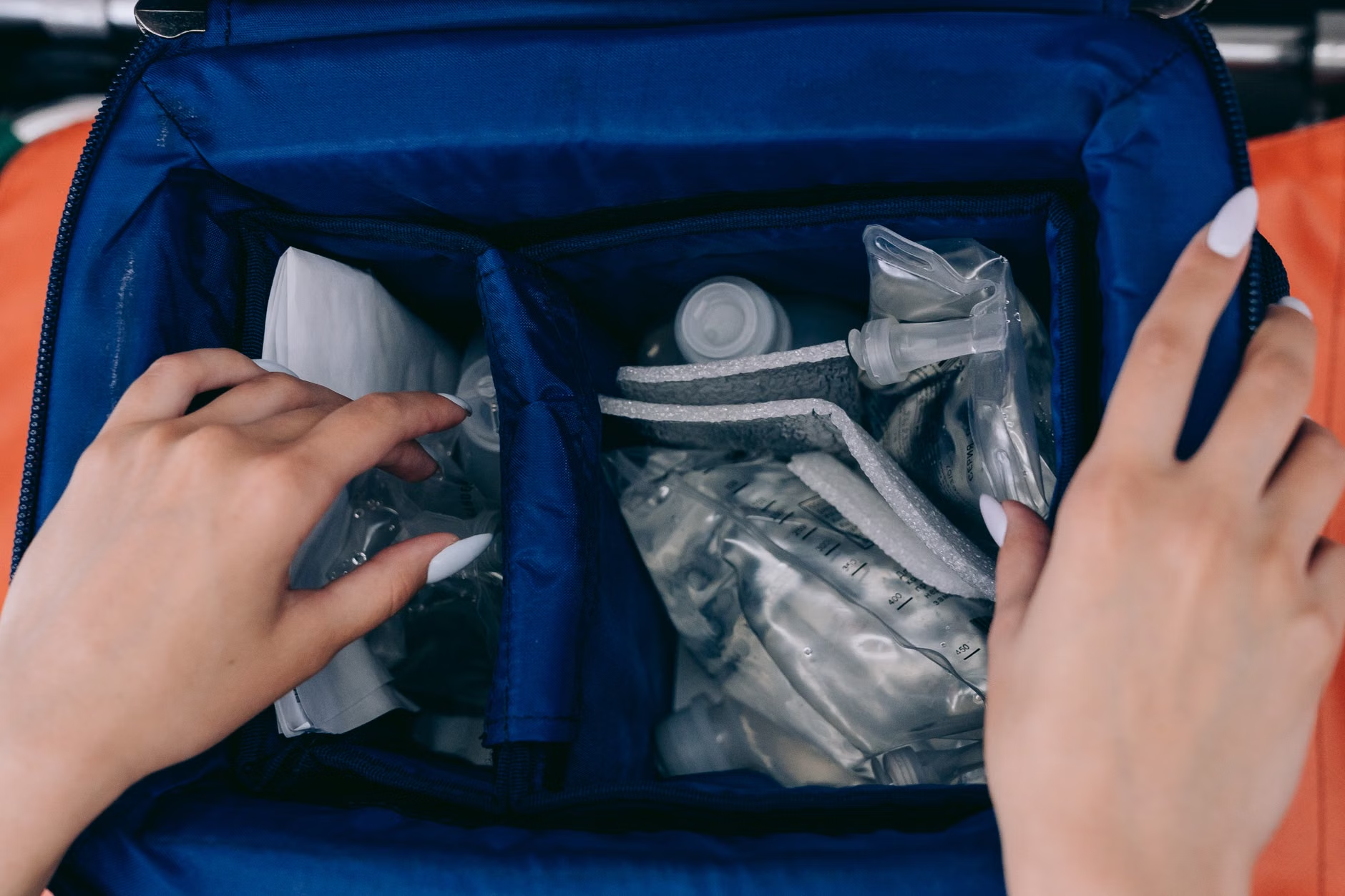
- Insulated storage is non-negotiable: Use specialized, moisture-resistant, and insulated medical travel bags rather than relying on hotel room temperatures, which can fluctuate significantly.
- Redundancy and documentation: Always carry a double supply of critical medications—half in your carry-on and half in a secondary bag—accompanied by a signed letter from your physician.
Understanding the Impact of Tropical Climates on Medication
For many travelers aged 60 to 80, a trip to a tropical destination—whether it is the humid coastlines of Southeast Asia, the Caribbean, or equatorial Africa—is a highlight of their leisure time. However, the very conditions that make these locations appealing, namely high humidity and sustained heat, pose a significant, often overlooked, threat to the integrity of pharmaceutical products.
Medications are chemical compounds designed to remain stable under specific “room temperature” conditions, typically defined by international standards as 20°C to 25°C (68°F to 77°F). In a tropical environment, ambient temperatures frequently exceed 30°C (86°F), and relative humidity can regularly surpass 70-80%. When medications are exposed to these conditions, they do not simply “get warm”; they begin to undergo physical and chemical changes that can diminish their potency or accelerate their expiration.
This is not a matter of mere inconvenience; it is a critical health concern. For a senior managing chronic conditions such as hypertension, diabetes, or cardiovascular disease, the efficacy of medication is non-negotiable. An degraded tablet might not show obvious signs of damage, such as discoloration or crumbling, yet it may fail to deliver the therapeutic dose required to maintain stable health. Understanding how to mitigate these risks is a foundational step in planning any tropical journey.
The Chemistry of Degradation: Why Humidity Matters
To manage your health effectively while traveling, it is necessary to understand the “why” behind storage precautions. The degradation of medication in tropical climates primarily occurs through two processes: hydrolysis and thermal decomposition.
Hydrolysis: The Silent Destroyer
Hydrolysis is a chemical reaction where water molecules break the chemical bonds of a drug. In high-humidity environments, moisture from the air can penetrate packaging, especially if the original seal has been compromised. Even in blister packs, micro-perforations can allow humid air to enter over time. This process is particularly detrimental to aspirin, certain antibiotics, and specific heart medications. Once the chemical structure is altered via hydrolysis, the drug may become ineffective, or in rare cases, produce degradation byproducts that are irritating to the gastrointestinal tract.
Thermal Decomposition
Heat provides the energy required for chemical reactions to occur faster. Many drugs are sensitive to temperatures exceeding 30°C. When a medication is stored in a hotel room that hits 35°C during the day while you are out sightseeing, the molecular structure of the drug may begin to break down. This is particularly dangerous for liquid medications, insulin, and certain hormone-based treatments, which are highly sensitive to thermal fluctuations.
| Medication Type | Sensitivity Level | Primary Risk |
|---|---|---|
| Tablets/Capsules | Moderate | Moisture absorption, crumbling, loss of potency |
| Insulin/Injectables | High | Rapid denaturation, loss of effectiveness |
| Inhalers | High | Valve damage, propellant instability |
| Creams/Ointments | Moderate | Separation of ingredients, bacterial growth |
Interpretation: If you are carrying insulin or inhalers, your storage requirements are significantly more stringent than those for standard oral tablets. You must invest in active cooling solutions, not just passive insulation.
Strategic Preparation: Before You Leave Home
The most effective way to manage medication in a tropical climate starts weeks before departure. Your goal is to minimize the duration your medication spends in a “vulnerable” state.
1. The “Two-Supply” Rule
Never pack all your medications in one suitcase. If your luggage is lost, delayed, or exposed to excessive heat on the tarmac, you risk losing your entire supply. Divide your medications into two sets:
- Set A (Carry-on): This should contain your entire supply for the first 7 days, plus a copy of your prescription and a doctor’s letter. Keep this with you at all times.
- Set B (Checked baggage/Secondary bag): This contains the remainder of your supply, packed in a hard-shell, insulated container.
2. Requesting Proper Packaging
If you are traveling for an extended period, speak to your pharmacist about “travel packaging.” Some pharmacies can provide medications in vacuum-sealed, moisture-proof blister packs rather than standard plastic bottles. These are significantly better at resisting the ingress of humid air.
3. Documentation and Verification
Carry a summary of your medical history, current medications (including generic names), and dosages. In many countries, brand names vary, but generic chemical names remain universal. Ensure this document is printed, not just stored on a phone that could run out of battery or suffer water damage.
On-the-Ground Management: Protecting Your Supplies
Once you arrive in a tropical climate, the management strategy shifts from planning to active protection. The most common mistake seniors make is leaving medication in a hotel room, assuming that because the room is “indoors,” it is safe.
The “Hotel Room Trap”
Many tropical hotels turn off the air conditioning when the guest leaves the room to save energy. This causes the internal room temperature to spike rapidly. Even if the AC is left on, the humidity in the room often remains high. Never store your medication in the bathroom, where humidity is highest due to showers, or near windows where direct sunlight can create a “greenhouse effect” inside your luggage.
The Role of Insulated Storage
For travelers in the tropics, a standard toiletry bag is insufficient. You should use a medical-grade insulated bag. These bags are lined with materials similar to those in coolers but are designed specifically for pharmaceuticals. If you are carrying temperature-sensitive drugs like insulin, ensure your bag includes a cooling element that does not require refrigeration (e.g., evaporative cooling wallets).
Practical Decision Rule: If you are out for the day, take your medication with you in your daypack, but ensure it is in an insulated pouch. Never leave it in a parked car or a tour bus, where temperatures can reach levels that destroy medications within minutes.
Monitoring Your Environment
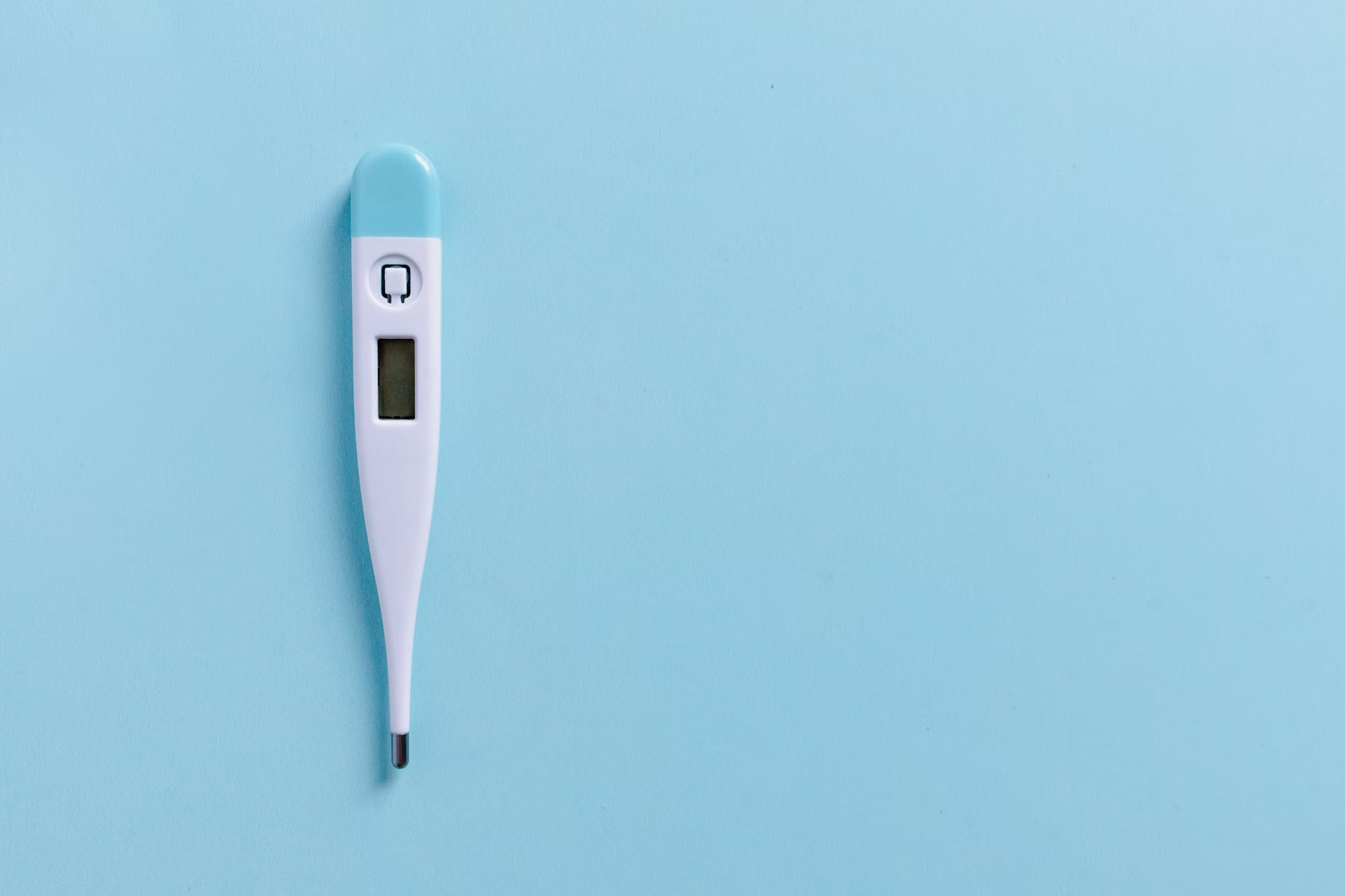
Consider purchasing a small, battery-operated digital thermometer/hygrometer. These devices are inexpensive and can be placed inside your luggage to monitor the actual conditions your medication is experiencing. If you notice your bag is consistently exceeding 28°C, you know you need to find a cooler storage location, such as a hotel safe that is kept in a climate-controlled area.
Even with the best preparation, emergencies happen. Knowing how to access healthcare in a foreign country is part of your medication management plan.
Finding a Reliable Pharmacy
In many tropical destinations, pharmacies are ubiquitous, but the regulation of medication quality can vary. In countries with strict pharmaceutical oversight, such as Singapore or Japan, you can expect high-quality, standardized products. In other regions, counterfeit or improperly stored medication may be a risk. Always prioritize large, established pharmacy chains in urban centers rather than small, unverified kiosks in tourist areas.
What to Bring to a Medical Appointment
If you need to replace medication while traveling, go prepared. A doctor in a foreign country will need to assess you before writing a prescription. Bring:
- Your original prescription (if possible).
- A list of your current medications and dosages.
- Your travel insurance documents, specifically the contact information for the 24/7 assistance line.
- A summary of any drug allergies.
Insight: Many travelers forget that their home pharmacy may be able to coordinate with international partners. Before you leave, ask your primary care physician if they have a protocol for international prescription refills. Some major international health networks have centralized systems that can facilitate this.

Common Pitfalls and How to Avoid Them
It is easy to become complacent during a vacation. However, the stakes for seniors are higher. Here are three common errors and how to rectify them:
- The “Bathroom Storage” Error: Humidity from showers damages pills. Move your daily pill organizer to a dry, climate-controlled area like a bedside drawer or a shelf away from the bathroom.
- The “Direct Sunlight” Error: Leaving a pill case on a sunny table for breakfast can lead to rapid degradation. Always keep your medication in an opaque bag or drawer.
- The “Lack of Communication” Error: If you are traveling with a partner or friend, ensure they know where your medication is and how to access your medical information in case of an emergency. This is not about dependency; it is about shared safety.
Conclusion: The Balance of Enjoyment and Safety
Tropical travel is a rewarding experience that should not be hindered by health concerns. By treating your medication with the same care you would accord a valuable piece of technology, you can ensure that your health remains stable throughout your journey. The key is to view medication management as a logistical task—part of your itinerary—rather than an afterthought.
Remember that the environment is a dynamic factor. Your habits at home will not be sufficient in a tropical climate. By utilizing insulated storage, maintaining a secondary supply, and keeping clear documentation, you remove the guesswork from your health management. Enjoy your travels with the confidence that you have taken every necessary step to protect your wellbeing.
Resources for Further Reading
- World Health Organization: Information on Medical Product Safety
- CDC: Creating a Travel Medicine Kit
Frequently Asked Questions (FAQ)
1. Can I use a regular cooler with ice to keep my medication cold?
Using direct ice or ice packs can be risky. If the medication freezes, it may be rendered unusable, especially for insulin. Always use an insulated bag designed for medical use with a “cool-pack” that stays at a stable, non-freezing temperature. If you must use ice, ensure the medication is in a waterproof, sealed container and never in direct contact with the ice.
2. What should I do if my medication shows signs of moisture damage?
If you notice that tablets have changed color, smell unusual, or are crumbling, do not take them. It is safer to seek a local pharmacy to replace the medication or contact your travel insurance assistance line for guidance. Never assume that a “slightly damaged” pill is still safe to consume.
3. Should I carry my prescriptions in their original bottles?
Yes, it is highly recommended to carry all medications in their original, pharmacy-labeled containers. This helps customs officials verify that the medication is legally prescribed to you and provides the exact dosage information, which is critical if you need to consult a local doctor. If you are carrying a large quantity, keep a copy of the original prescription or a letter from your doctor alongside the bottles.