- The lymphatic system lacks a central pump like the heart; it relies entirely on physical movement and muscle contractions to circulate fluid.
- Consistent, low-impact exercise—such as walking, swimming, or gentle stretching—is the most effective way to prevent fluid stagnation (lymphedema) and support immune function.
- Hydration and mindful breathing are essential companions to movement, as they help maintain fluid viscosity and facilitate the drainage of lymph nodes.
The lymphatic system is often called the body’s “silent drainage network.” Unlike the cardiovascular system, which is powered by the steady, rhythmic beating of the heart, the lymphatic system has no mechanical pump. It relies on the movement of your skeletal muscles, the depth of your breathing, and the natural elasticity of your tissues to transport lymph—a clear fluid containing white blood cells—throughout your body. For adults aged 60 to 80, understanding this mechanism is vital, as maintaining efficient lymphatic flow is a cornerstone of preventing fluid retention, managing inflammation, and supporting the immune system.
Understanding the Lymphatic System: Why Movement Matters
To appreciate why light exercise is transformative for your health, we must first look at how the system functions. Lymph vessels are spread throughout the body, acting as a filter for waste, toxins, and pathogens. When we move, our muscles squeeze these vessels, pushing the lymph fluid toward the lymph nodes, where the fluid is cleansed.
As we age, our connective tissues may lose some elasticity, and our baseline activity levels often decrease. This can lead to a condition where lymph fluid accumulates in the tissues, often manifesting as swelling in the ankles, legs, or arms. This isn’t just a matter of comfort; it impacts how effectively your body clears metabolic waste. By incorporating consistent, low-impact movement, you are essentially providing the external “pump” that your lymphatic system lacks.
The Link Between Inflammation and Lymphatic Stagnation
Chronic inflammation is a common concern for older adults, often linked to conditions like arthritis or general joint stiffness. When lymph fluid stagnates, it can increase the concentration of inflammatory markers in the interstitial spaces (the spaces between cells). Keeping the lymph moving helps “flush” these areas, potentially reducing the sensation of stiffness and heaviness. This is not a cure for chronic inflammatory diseases, but it is a powerful preventive strategy to manage how your body handles daily inflammation.
Designing a Lymph-Friendly Daily Routine
You do not need high-intensity interval training to reap the benefits of lymphatic drainage. In fact, for many seniors, high-impact activities can cause unnecessary stress on the joints. The goal is rhythmic, consistent movement. Think of it as “flushing” the system rather than “training” the muscles.
The “Five-Minute” Rule for Sedentary Periods
One of the biggest obstacles to lymphatic health is prolonged sitting. Whether you are reading, watching television, or working on a computer, remaining in a static position for more than 60 minutes allows fluid to pool in the lower extremities. The solution is simple: implement a “five-minute movement break.”
- Ankle Pumps: While seated, flex and extend your ankles 20 times. This engages the calf muscles, which are often described as the “second heart” for venous and lymphatic return.
- Deep Diaphragmatic Breathing: The diaphragm is a major muscle of the lymphatic system. Take five deep, slow breaths, expanding your belly rather than just your chest. This creates a pressure gradient that pulls lymph fluid upward from the lower body.
- Gentle Shoulder Rolls: These help open the chest and stimulate the lymph nodes located in the axillary (armpit) region.
Recommended Low-Impact Exercises
| Activity | Lymphatic Benefit | Best For |
|---|---|---|
| Walking | Full-body rhythmic contraction of legs and core. | Cardiovascular and lymphatic health. |
| Swimming/Water Aerobics | Hydrostatic pressure naturally compresses tissues, aiding drainage. | Those with joint pain or limited mobility. |
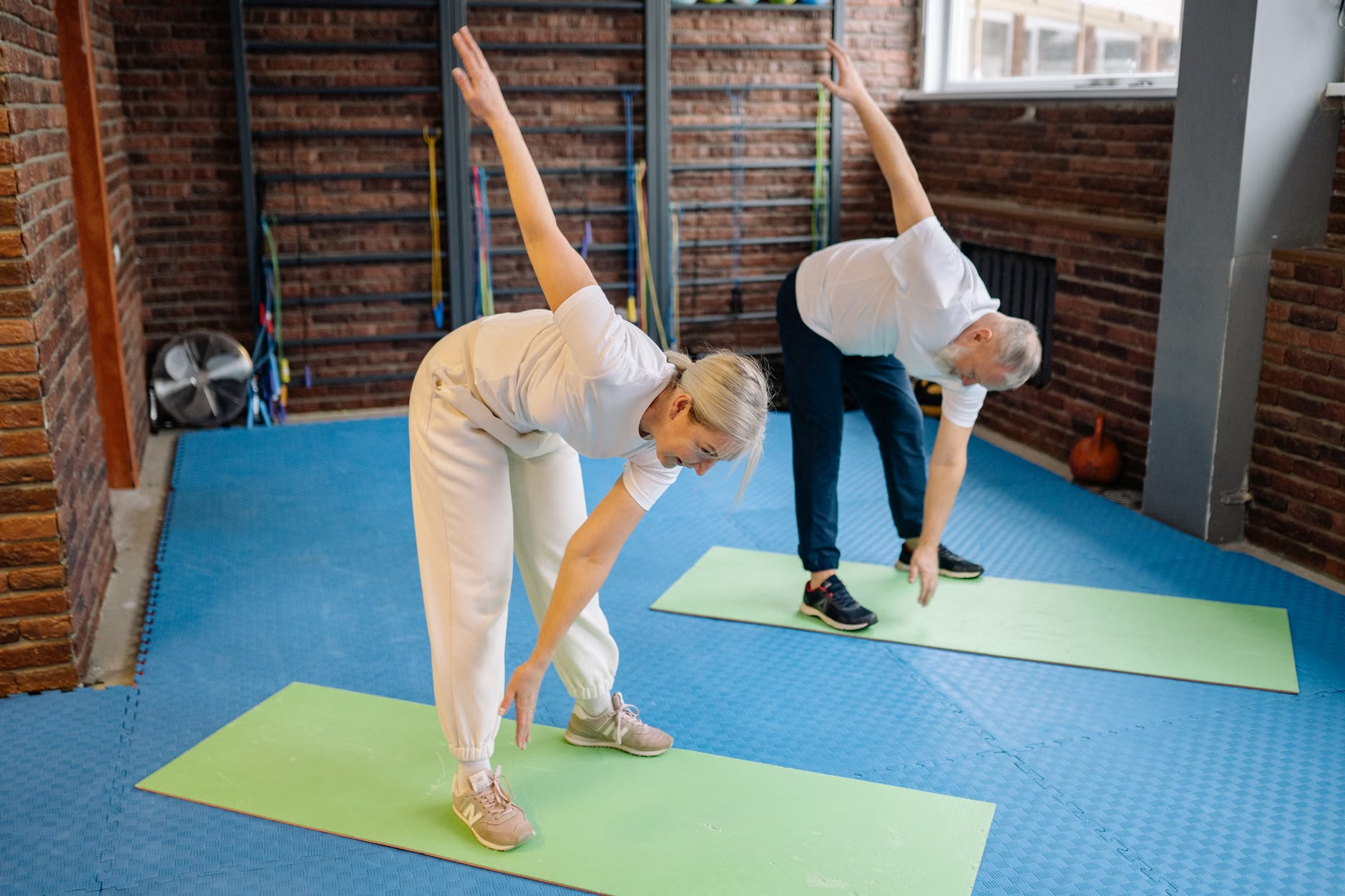
| Tai Chi/Yoga | Combines deep breathing with slow, stretching movements. | Improving range of motion and fluid flow. |
Note: If you have a history of heart conditions or severe lymphedema, consult your primary care physician or a lymphedema specialist before starting a new exercise regimen.
Hydration: The Invisible Engine of Lymphatic Flow
Movement is the pump, but water is the fuel. Lymph fluid is composed mostly of water. If you are dehydrated, your lymph fluid becomes thicker and more viscous. A thick, “sludgy” fluid is significantly harder to move through the narrow, delicate lymphatic vessels. Many seniors experience a diminished thirst reflex, meaning they may not feel thirsty even when they are mildly dehydrated.
Practical Hydration Strategies
- The Morning Start: Drink a glass of water immediately upon waking to rehydrate after an overnight fast.
- Monitor Urine Color: This is a simple, non-invasive way to track hydration. Aim for a pale, straw-like color.
- Avoid Excessive Diuretics: While coffee and tea are acceptable in moderation, they can have a mild diuretic effect. Balance every cup of caffeinated beverage with a full glass of water.
Common Misconceptions and Safety Considerations
There is a common belief that “more is better” when it comes to exercise. In the context of the lymphatic system, this is a mistake. Over-exertion can lead to systemic inflammation, which actually increases the burden on the lymphatic system. For seniors, the emphasis must be on consistency over intensity.
Recognizing the Signs of Over-exertion
If you notice that your joints feel significantly more swollen or painful *after* an exercise session, you may be pushing too hard. Lymphatic-focused movement should leave you feeling energized and lighter, not exhausted and heavy. If you experience persistent swelling, redness, or heat in a limb, this is not a sign of “no pain, no gain”—it is a sign that you should stop and consult a medical professional, as these can be symptoms of infection or venous issues that require clinical intervention.
The Role of Compression
Some individuals with chronic venous insufficiency or lymphedema benefit from compression garments. However, these should only be used under the guidance of a doctor. Wearing a garment that is too tight can actually impede lymphatic flow rather than helping it. Always ensure that any compression gear is properly fitted by a professional.
Integrating Professional Care and Self-Care
While daily habits are the foundation, there are times when professional guidance is necessary. If you notice persistent swelling that does not subside with rest, it is important to see a doctor to rule out underlying conditions such as heart failure, kidney issues, or venous disease. When preparing for such an appointment, keep a “symptom log” for at least one week. Note when the swelling is worst, what you were doing that day, and whether you experienced any other symptoms like fatigue or shortness of breath.
Checklist for Medical Consultations
- Symptom Record: Document frequency, duration, and time of day of swelling.
- Activity Log: Share what exercises you are currently doing.
- Medication List: Bring a list of all current medications, as some (such as certain blood pressure drugs) can contribute to fluid retention.
- Questions to Ask: “Is this swelling related to my lymphatic system or my circulatory system?” and “Are there specific movements I should avoid?”
Conclusion: A Sustainable Approach to Vitality
The lymphatic system is a lifelong partner in your health journey. By viewing your daily movement as a way to support this vital system, you shift your perspective from “exercise as a chore” to “exercise as a daily maintenance ritual.” Whether it is a gentle walk through a local park, practicing deep breathing while sitting, or incorporating simple stretches into your morning, these small, consistent actions contribute significantly to your comfort, mobility, and overall immune resilience.
Remember, the goal is not to achieve peak athletic performance but to maintain the fluidity and function of your body’s internal environment. Listen to your body, stay hydrated, and keep moving at a pace that feels sustainable for you. Your lymphatic system will thank you for it.
Frequently Asked Questions (FAQ)
1. Is dry brushing effective for lymphatic health?
Dry brushing is often promoted for lymphatic stimulation. While it can help exfoliate the skin and may provide a light, superficial massage, it does not replace the need for muscle-driven lymphatic flow. If you enjoy the sensation, it is safe to incorporate, but do not rely on it as a substitute for movement. Always brush toward the heart using gentle, light strokes.
2. Can I exercise if I have arthritis?
Yes, and in many cases, you should. The key is choosing low-impact options. Water-based exercise is excellent for arthritis because the buoyancy of the water supports your weight, reducing joint stress while the movement still encourages lymphatic flow. Always start slowly and avoid movements that cause sharp pain.
3. How do I know if my swelling is “normal” or if I need to see a doctor?
Occasional, mild swelling after a long day of standing or sitting is often a normal reaction to gravity. However, you should consult a doctor if the swelling is persistent, occurs in only one limb, is accompanied by pain, redness, or heat, or if you experience shortness of breath. These are warning signs that require a professional evaluation to rule out more serious health conditions.
Sources and further reading: