- Seated spinal twists enhance core stability by engaging the deep abdominal muscles without the pressure of floor-based exercises.
- Safety in rotation relies on lengthening the spine upward before initiating the turn, preventing compression of the vertebral discs.
- Consistency is more effective than intensity; performing small, controlled movements daily is the best strategy for long-term spinal mobility.
The health of the spine is a fundamental pillar of independent living. As we move into our 60s, 70s, and beyond, maintaining the ability to rotate the torso—a movement essential for tasks like looking behind you while driving or reaching for items on a shelf—becomes increasingly important. Seated spinal twists offer a low-impact, highly effective method to maintain this mobility while simultaneously strengthening the core muscles that support your skeletal structure.
Understanding the Mechanics of a Seated Twist
Many people mistake spinal rotation for a movement of the lower back. In reality, the lumbar spine (the lower portion of the back) has very limited rotational capacity. True, safe rotation occurs primarily in the thoracic spine—the mid-back area connected to your ribcage. When you perform a seated twist, the goal is not to force your body into a deep turn, but to lengthen the vertebrae and gently rotate the ribcage.
Why does this matter for core stability? Your core is not just your abdominal muscles; it is a complex cylinder of muscles including the transverse abdominis, the obliques, and the multifidus muscles along the spine. These muscles act as a natural corset. By performing a controlled, seated twist, you are training these muscles to coordinate their contraction, which stabilizes the spine against gravity and daily physical stress.
The Physiological Benefits of Controlled Rotation
Beyond stability, regular rotation helps maintain the health of the intervertebral discs. These discs rely on movement to absorb nutrients and expel waste products, a process often referred to as “imbibition.” Because discs do not have a direct blood supply, they depend on the compression and decompression that occurs during gentle movement. A controlled twist provides a mild, rhythmic pressure that encourages this fluid exchange, keeping the discs hydrated and resilient.
Preparing for Your Practice: Safety and Environment
Before beginning any new movement routine, it is vital to ensure your environment is conducive to safety. You do not need specialized gym equipment. A standard, sturdy chair is the most effective tool for this practice.
| Feature | What to Look For | Why It Matters |
|---|---|---|
| Chair Stability | Non-slip base, no wheels | Prevents the chair from sliding during rotation. |
| Seat Height | Feet flat on the floor | Ensures a stable base and prevents hip strain. |
| Backrest | Firm, vertical support | Helps maintain an upright posture during the movement. |
If you have a history of spinal conditions, such as herniated discs, spinal stenosis, or osteoporosis, it is essential to consult with a physical therapist or your primary care physician before beginning these movements. They can provide specific modifications tailored to your bone density and structural health.
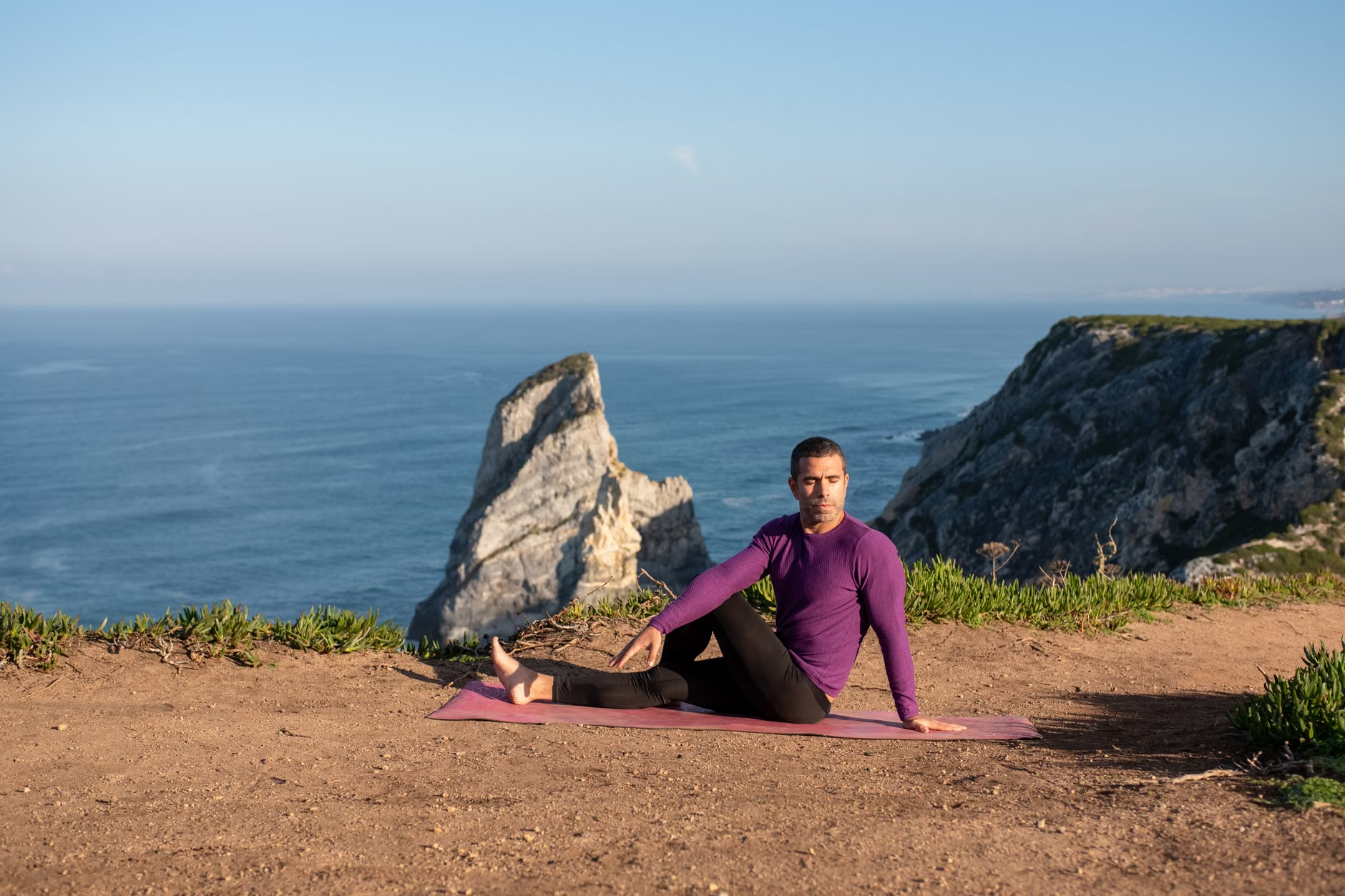
Step-by-Step Execution: The Gentle Rotation Technique
The effectiveness of a seated twist is determined by the quality of the movement, not the range of motion. Follow these steps to ensure you are engaging your core safely.
- Establish Your Foundation: Sit toward the edge of your chair. Place your feet hip-width apart, ensuring your heels are directly under your knees. This creates a grounded base.
- Elongate the Spine: Imagine a string attached to the crown of your head, pulling you gently toward the ceiling. This action creates “space” between your vertebrae.
- Engage the Core: Gently draw your navel toward your spine. You should feel a slight tightening in your abdominal area. Do not hold your breath; breathing must remain steady throughout.
- Initiate the Turn: Place your left hand on the outside of your right knee. Place your right hand on the back or side of the chair. As you inhale, lengthen your spine again. As you exhale, slowly rotate your ribcage to the right.
- Maintain Alignment: Keep your head in line with your sternum. If you turn your head too far, you risk straining the muscles of the neck.
- Hold and Release: Hold the position for 3 to 5 slow, deep breaths. Return to the center on an inhalation, and repeat on the other side.
A common mistake is “collapsing” into the twist. If you find your spine rounding or your shoulders hunching toward your ears, you have gone too far. The movement should feel like a long, tall spiral, not a crumpled fold.
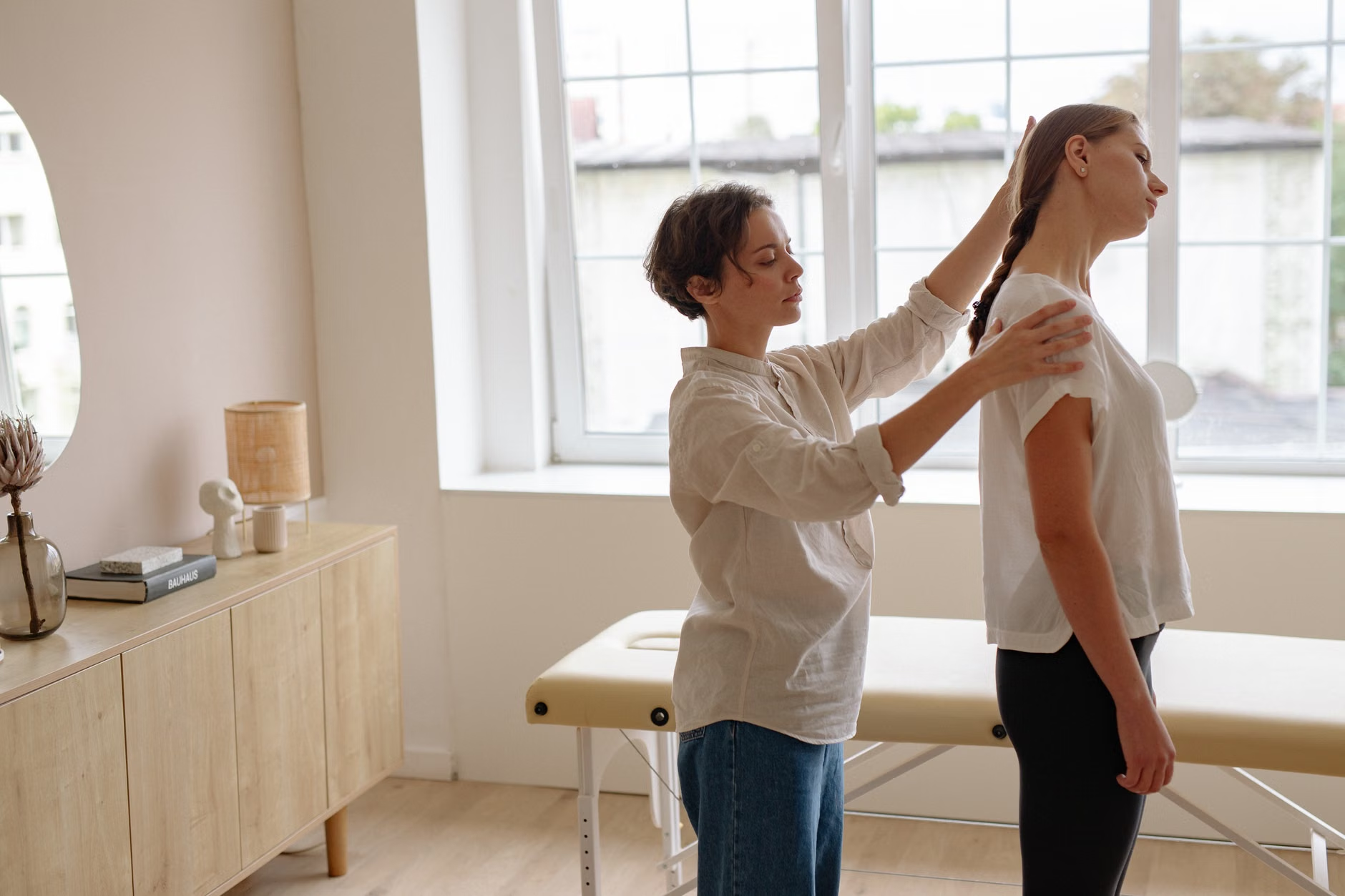
Integrating Twists into Your Daily Routine
Consistency is the secret to preventive health. One session of intense exercise once a week is far less effective than five minutes of gentle movement every day. The beauty of seated twists is their portability; they can be done while waiting for a kettle to boil, sitting at a desk, or watching television.
Building a Habit
- The Morning “Wake-Up”: Perform three repetitions on each side after getting out of bed to gently lubricate the spinal joints.
- The Mid-Day Reset: If you spend time reading or using a computer, use a seated twist to break up periods of prolonged sitting. This helps reverse the forward-leaning posture that often leads to upper back stiffness.
- The Evening Wind-Down: A slow, controlled twist can help release the tension accumulated throughout the day in the lower back and shoulder blades.
Remember that your range of motion may vary from day to day. Factors such as hydration, sleep quality, and previous day’s activity levels can influence how your muscles feel. Never force a movement to reach a previous “personal best.” Listen to your body’s feedback; if you feel sharp pain, stop immediately.
When Professional Guidance is Essential
While gentle movement is excellent for prevention, it is not a substitute for clinical care when structural issues are present. You should seek the advice of a healthcare professional if you experience the following:
- Radiating Pain: Pain that travels down the arm or leg, which may indicate nerve involvement.
- Numbness or Tingling: Sensations in the extremities that persist after the movement.
- Persistent Stiffness: Morning stiffness that takes more than 30 minutes to resolve.
- Balance Issues: If you feel dizzy or unstable when performing these movements, ensure you are seated on a chair with armrests and perform the movements while seated firmly against the backrest.
When you visit a medical professional, bring a list of your daily movements and a description of when the pain occurs. This helps them distinguish between musculoskeletal tightness—which responds well to exercise—and conditions requiring medical intervention, such as spinal arthritis or disc degeneration.

The Role of Lifestyle in Spinal Health
Movement is only one piece of the puzzle. Spinal health is also influenced by systemic factors. For example, adequate hydration is critical for the health of your spinal discs, which are composed largely of water. Furthermore, a diet rich in anti-inflammatory foods—such as those high in Omega-3 fatty acids, leafy greens, and lean proteins—supports the health of the tissues surrounding the spine.
Another often overlooked variable is the impact of footwear. As we age, our gait changes. If your shoes do not provide adequate arch support or shock absorption, the impact of walking is transferred directly to your spine. Ensure your daily footwear is supportive and fits correctly, as this reduces the cumulative stress on your back muscles throughout the day.
Conclusion: Empowerment Through Consistency
The ability to move your spine with ease is not a luxury; it is a necessity for maintaining the lifestyle you enjoy. By adopting the practice of gentle seated spinal twists, you are taking a proactive step toward preserving your mobility and core stability. Remember that the goal is not perfection or extreme flexibility. The goal is to provide your body with the consistent, gentle stimulus it needs to stay functional, resilient, and pain-free.
Start today by dedicating just three minutes to these gentle movements. Focus on your breathing, keep your spine tall, and listen to the feedback your body provides. Over time, you will likely find that these small, deliberate actions translate into greater comfort and confidence in your daily life.
Frequently Asked Questions
1. How many times a day should I perform these twists?
There is no “magic number,” but most experts recommend 2 to 3 sessions per day, focusing on quality and controlled breathing. A few minutes in the morning and a few in the evening is an excellent starting point for most adults.
2. Can I do these twists if I have osteoporosis?
If you have osteoporosis or low bone density, it is critical to avoid “end-range” rotation, which can place excessive torque on the vertebrae. Always consult your doctor or a physical therapist who specializes in bone health to learn how to modify these movements to be safe for your specific bone density.
3. What should I do if I feel dizzy during a twist?
Dizziness can occur if you rotate your head too quickly or hold your breath. Ensure your movements are slow and deliberate, and focus your gaze on a fixed point in front of you rather than turning your head to look behind you. If dizziness persists, stop the movement and remain seated until you feel stable.
Official guidance on physical activity for older adults can be found through resources such as the World Health Organization’s guidelines on physical activity and sedentary behaviour. Always prioritize safety and consult with your healthcare provider before beginning a new exercise regimen.