- Automated Efficiency: 2026 smart home technologies prioritize “set-it-and-forget-it” automation, reducing the need for constant manual adjustments while maintaining optimal comfort levels.
- Safety-First Integration: Modern energy management systems now link directly with health-monitoring sensors, allowing for automated temperature adjustments if an occupant is detected in distress or experiencing a fall.
- Cost Control: New AI-driven energy systems analyze local utility tariff structures in real-time, automatically shifting high-energy tasks to off-peak hours to lower monthly household expenses significantly.
As we move into 2026, the concept of a “smart home” has evolved far beyond simple voice-activated lights or remote-controlled thermostats. For adults aged 60 to 80, the focus has shifted toward integrated energy management systems that prioritize three core pillars: health-aligned environmental control, automated cost management, and simplified user interaction.
This article explores how these innovations are specifically designed to support independent living, reduce the mental load of home maintenance, and optimize utility costs without requiring advanced technical expertise.
Understanding the 2026 Shift: From Manual Control to Predictive Comfort
Until recently, most “smart” devices required manual intervention—you had to tell the device to change, or use an app to adjust settings. The 2026 standard in home energy management is predictive intelligence. These systems learn your daily rhythms—when you wake up, when you typically spend time in the kitchen, and when you prefer a warmer bedroom for sleep.
Why does this matter? For many older adults, the physical effort of managing multiple thermostats, checking utility bills, and monitoring for maintenance issues can be a significant source of stress. Predictive systems remove this burden by proactively managing the environment based on past preferences and real-time sensor data.
What this looks like in practice: Instead of manually adjusting your heating when a cold snap hits, your home’s central energy hub pulls local weather data and adjusts your insulation and heating schedule hours before the temperature drops. This prevents sudden cold exposure, which is particularly important for individuals with respiratory or cardiovascular health conditions.

The Intersection of Energy Management and Health
A critical advancement in 2026 is the integration of energy management with home health safety. These systems are no longer just about saving electricity; they are about maintaining a stable, safe, and supportive home environment.
Automated Thermal Regulation
Extremes in temperature are a major risk factor for older adults. Modern systems now include “Safety-First” thermal protocols. If a temperature sensor detects that the ambient room temperature is outside of a safe range (generally defined as below 18°C or above 28°C, depending on individual health needs), the system can automatically override energy-saving modes to restore a safe environment.
Air Quality and Respiratory Health
Modern HVAC (Heating, Ventilation, and Air Conditioning) systems integrated with smart energy hubs now monitor indoor air quality (IAQ). Sensors track humidity, particulate matter, and VOC (volatile organic compound) levels. If air quality drops—perhaps due to cooking or poor ventilation—the system can automatically initiate air exchange or activate purification cycles. For those with asthma or chronic obstructive pulmonary disease (COPD), this automated management provides a proactive layer of protection.
Financial Optimization and Utility Tariff Management
Managing utility bills can often be complex, especially with fluctuating time-of-use energy tariffs. In 2026, home energy hubs are designed to act as your “energy manager.” They are programmed with your local utility provider’s rate structure, allowing them to shift heavy loads—such as running the dishwasher, laundry machines, or charging electric vehicles—to the hours when electricity is cheapest.
| Feature | Manual Management | 2026 Smart Management |
|---|---|---|
| Tariff Monitoring | Checking utility websites | Automatic, real-time sync |
| Appliance Timing | Setting timers manually | Predictive load shifting |
| Maintenance Alerts | Waiting for a breakdown | Predictive failure warnings |
The table above illustrates the difference in effort. For an older adult, the primary benefit is not just the financial savings, but the elimination of the “cognitive load” associated with keeping track of when to run appliances to save money. The system handles the decision-making process based on your pre-set comfort priorities.
Practical Steps to Implementing 2026 Energy Solutions
If you are considering upgrading your home, the key is to avoid “feature creep”—buying devices that are overly complex and difficult to maintain. Focus on systems that are interoperable (meaning they talk to each other) and user-centric.
- Assess your primary goal: Is it energy cost reduction, or is it climate control for health reasons? Your priority will dictate which sensors you need to install first.
- Prioritize “Matter” Compliance: When buying devices, look for the “Matter” logo. This is a global standard that ensures your devices will work together, regardless of the brand (e.g., Apple, Google, or specialized health-tech companies).
- Start with a Central Hub: Don’t try to manage ten different apps. A single, dedicated energy hub or a simplified tablet interface is essential for maintaining a clean, stress-free user experience.
- Consult a Professional Integrator: For older adults who may not want to deal with the technical setup, many professional home automation firms now offer “Aging-in-Place” packages that include installation, setup, and a simplified training session for the end-user.
Hidden Trade-offs and Considerations
While the benefits of 2026 smart energy management are significant, there are trade-offs that every household should consider before investing.
Data Privacy and Security
These systems collect data on your habits. It is essential to ensure that your home hub is set to “local control” mode where possible. This means your data stays within your home network rather than being sent to a cloud server. Always check the privacy policy of the device manufacturer to see how they handle personal usage data.
The “Tech-Dependency” Risk
If your home relies entirely on a smart hub for heating, what happens if the internet goes down? Ensure that all critical systems have a manual override that is easy to access and operate. Never replace a physical, tactile thermostat with a screen-only interface without ensuring you have a secondary, physical way to control the temperature in an emergency.

Deep Dive: The Evolution of Sensors and Monitoring
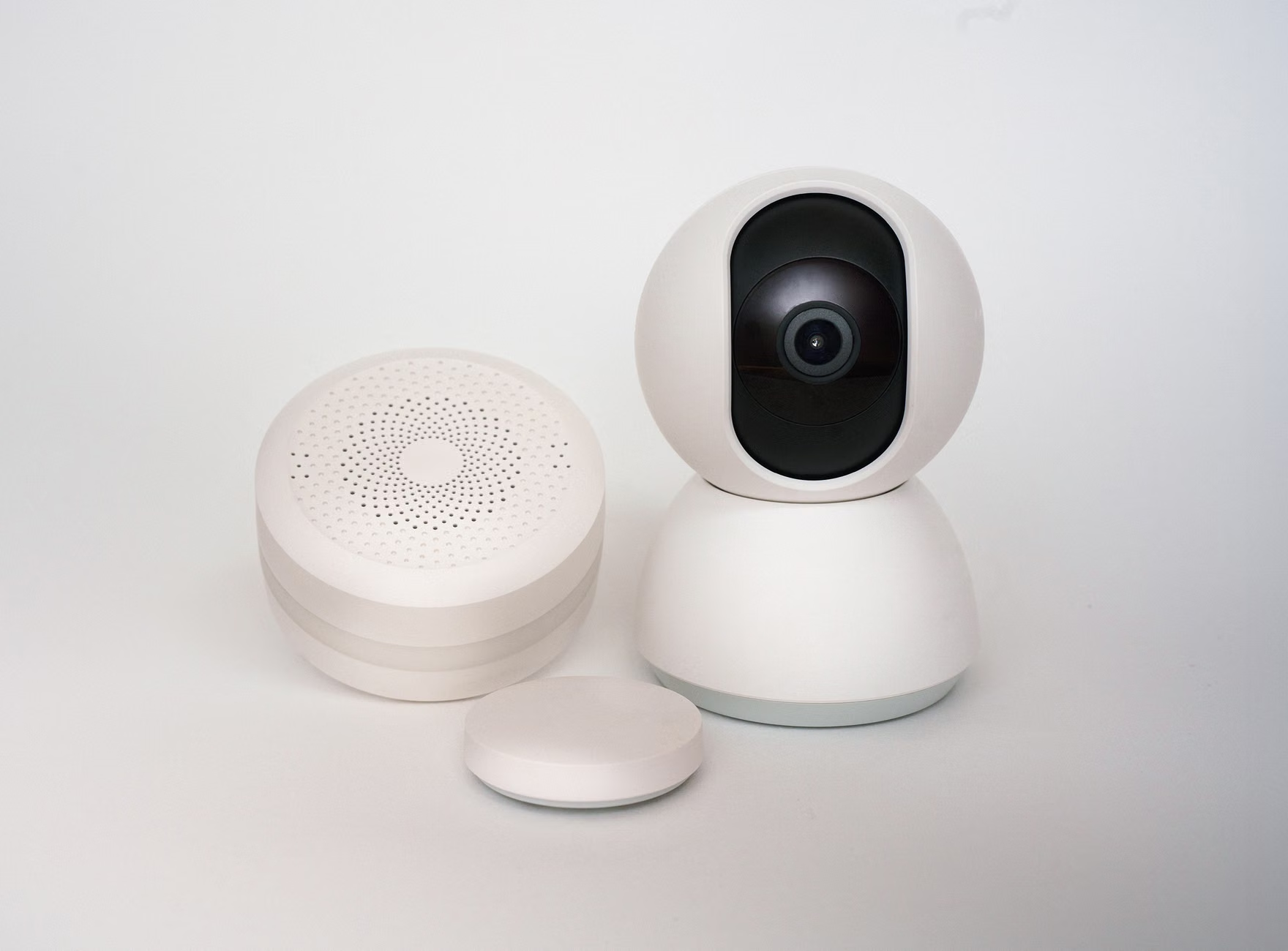
The “eyes and ears” of your smart home are the sensors. By 2026, these sensors have become significantly more discreet. Gone are the days of bulky, intrusive cameras in every room. Current technology uses infrared (IR), ultra-wideband (UWB) radar, and acoustic sensors to monitor room occupancy and activity levels without compromising privacy.
Why this matters for your energy bill: Traditional motion sensors often turn off the lights or heating if you sit still for too long (like when reading a book). Modern UWB sensors detect micro-movements, such as breathing or subtle shifts in posture. This means your home can stay “active” while you are resting, preventing the system from shutting off the heat or lights when you are still in the room.
Common Mistake: Many users place sensors in areas with high “noise,” such as near a window where shadows or pets might trigger the sensor. When installing, ensure the sensor has a clear line of sight to the main seating area, not the high-traffic area near a hallway or pet door. This prevents the system from “thinking” a room is occupied when it is not, which is a common cause of wasted energy.
As you incorporate these technologies, consider how they interact with your professional care team. If you have a caregiver, nurse, or family member who supports your living arrangements, many 2026 smart home systems allow for “Guest Access” or “Caregiver Dashboards.”
This allows your designated contact to receive alerts if, for example, the heating system fails or if the home temperature stays at an unsafe level for an extended period. This is not about surveillance; it is about proactive maintenance. If your smart system detects a fault in the boiler or the air conditioning unit, it can automatically alert a pre-selected maintenance provider, ensuring that repairs happen before a minor issue becomes a major, uncomfortable, or expensive problem.
Energy Management and Accessibility: A Synthesis
For those with limited mobility, the ability to control the home environment without moving is a life-changing convenience. In 2026, voice control has become far more nuanced. You no longer need to use rigid, specific commands. Natural language processing allows you to say, “I’m feeling a bit chilly, can you make the living room warmer?” and the system understands the context and adjusts the thermostat accordingly.
Furthermore, the visual interfaces for these systems have undergone a significant redesign. Accessibility standards (such as WCAG 3.0) are now commonly implemented in home energy apps, ensuring high-contrast text, large touch targets, and simplified navigation for users with visual impairments or limited dexterity.
Long-term Sustainability and Future-Proofing
Investing in smart home energy management is also a form of long-term property maintenance. A home that is energy-efficient is often more comfortable to live in and holds its value better. When upgrading, look for systems that are “firmware-upgradable.” This means the hardware you buy today can receive software updates over the next 5–10 years, potentially gaining new features or security improvements without requiring you to replace the physical device.
One overlooked variable: Energy Storage. As residential battery storage becomes more common, the most advanced 2026 systems can manage the flow of electricity between your battery, the grid, and your home appliances. If you have solar panels or a home battery, ensure your energy management system is compatible with your specific battery brand to maximize your “self-consumption” rate, which is the amount of energy you produce and use yourself rather than buying from the grid.
Addressing Potential Failures: The “Analog Fallback” Rule
While we emphasize the benefits of 2026 innovations, the most important rule for any smart home user is the Analog Fallback Rule. Never allow a smart device to be the only way to control a critical life-safety system.
For example, if you have a smart lock on your front door, you must also have a physical key. If you have a smart thermostat, you should ensure there is a physical dial or button on the unit itself that can override the digital settings. If a power outage or an internet disruption occurs, your home must remain functional. This ensures peace of mind and prevents the frustration of being “locked out” of your own home’s environmental controls.
Conclusion: Taking the First Step
The landscape of smart home energy management in 2026 is designed to be invisible, helpful, and cost-effective. By focusing on systems that prioritize safety, predictive comfort, and simplified interaction, older adults can significantly enhance their quality of life while reducing the burden of home management.
To begin, identify one specific frustration—perhaps it is the high cost of heating, the difficulty of reaching a thermostat, or the worry about indoor air quality. Select a single, compatible device that addresses that specific need, ensure it is set up for local privacy, and experience how it changes your daily routine. From there, you can expand your system at your own pace, ensuring that your home remains a sanctuary that works for you, not against you.
For further reading on current energy standards and smart home security, consult the Connectivity Standards Alliance, which oversees the Matter standard mentioned in this guide.
Frequently Asked Questions
1. Do I need a high-speed internet connection for these devices to work?
Most modern smart home devices require a stable Wi-Fi connection for initial setup and updates. However, many systems now use local communication protocols (like Thread or Zigbee) that allow devices to talk to each other even if your internet connection is temporarily down. Always check if a device supports “local control” if you live in an area with unreliable internet.
2. Are these smart energy systems difficult to install?
Some devices, such as smart plugs or light bulbs, are “plug-and-play” and require no tools. More complex systems, like smart thermostats or integrated HVAC controllers, may require a professional electrician or HVAC technician to ensure they are wired correctly and safely. Many local utility companies offer free or subsidized energy audits that may include recommendations for smart device installation.
3. How do I know if my existing appliances are compatible?
You do not need to replace your old appliances to benefit from smart energy management. Smart plugs can turn “dumb” appliances into “smart” ones by allowing you to schedule when they get power. For larger appliances, look for universal energy monitoring sensors that attach to your electrical panel to track usage without needing to connect to the appliance directly.
Disclaimer: This article is for informational purposes only and does not constitute technical or legal advice. Always consult with a qualified professional before installing or modifying electrical systems in your home.