- Assess Surface Stability: Historic courtyards often feature uneven cobblestones; prioritize venues with designated flat walking paths or paved entryways to ensure safe mobility.
- Verify Seating Ergonomics: Avoid venues that rely solely on backless stools or low-slung lounge furniture; prioritize chairs with firm back support, armrests, and appropriate seat height for safe standing.
- Strategic Planning: Use satellite imagery and digital street-view tools to identify curb heights, entrance steps, and restroom proximity before you depart to minimize physical strain.
Navigating Historic Courtyard Cafes: A Practical Guide for Accessible Leisure
Historic courtyard cafes offer a unique window into the architectural heritage of cities worldwide. However, for the independent traveler aged 60 to 80, these venues often present a paradox: they are visually stunning but frequently built with materials and layouts that predate modern accessibility standards. Navigating these spaces successfully is not about avoiding them, but rather about adopting a proactive, informed approach to selecting the right environment for your comfort and stamina.
This guide provides a framework for evaluating historic venues, ensuring your leisure time is spent enjoying the atmosphere rather than navigating physical obstacles.
Understanding the Physical Challenges of Historic Venues
Historic sites are defined by their age, which inherently means they were constructed long before universal design principles—such as ramps, wide doorways, and non-slip surfaces—were formalized. When you visit a courtyard cafe, you are likely encountering three primary physical challenges: terrain, vertical transitions, and spatial density.
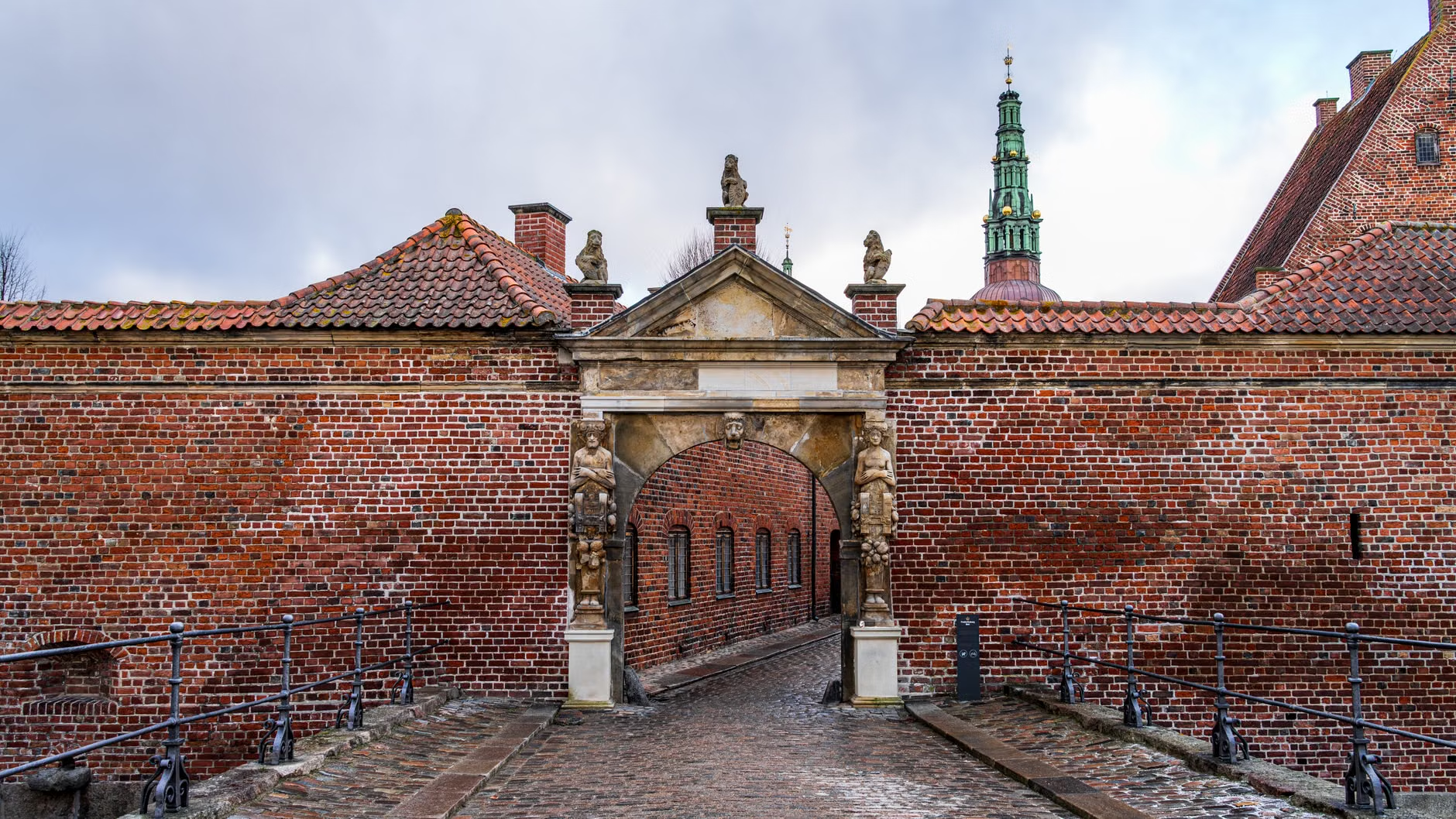
Many historic courtyards utilize original cobblestones or flagstones. While aesthetically pleasing, these surfaces are the primary cause of trips and falls for older adults. The primary concern is not just the unevenness, but the “gap” between stones where a cane tip or a shoe heel can catch.
What it looks like in real life: A courtyard may look flat from the entrance, but as you move toward the center, the pitch of the ground may change for drainage, creating a subtle slope that places uneven pressure on your joints. When choosing a seat, always look for the “primary transit line”—the route from the entrance to the table—to see if it has been smoothed or if there is a clear, unobstructed path.
Vertical Transitions and Entrance Thresholds
Historic buildings often feature a “raised threshold” at the main entrance, designed historically to prevent rainwater from entering the interior. For those with limited mobility, this can be a significant tripping hazard. If you use a walking aid, even a two-inch step can be an obstacle if there is no handrail nearby.
Criteria for Selecting a Senior-Friendly Courtyard
Not all historic cafes are created equal. When evaluating a potential destination, use the following decision-making framework to determine if it aligns with your physical comfort levels.
| Feature | What to Look For | Why it Matters |
|---|---|---|
| Entrance | Flush entry or permanent ramp | Eliminates the risk of tripping at the threshold. |
| Seating | Standard-height chairs with armrests | Provides necessary support for sitting down and standing up. |
| Restrooms | Ground-floor access | Avoids the need to navigate narrow, winding historic stairs. |
| Lighting | High-contrast, non-glare lighting | Assists with depth perception on uneven floor surfaces. |
If a venue lacks these features, it does not necessarily mean you should skip it. Instead, determine if you are accompanied by a companion who can assist, or if you have the stamina to navigate the specific obstacles present. The key is to avoid “surprise obstacles” by researching the venue’s layout beforehand.
Practical Preparation: The Digital Pre-Visit
Modern technology has made it significantly easier to assess the accessibility of a location without leaving your home. Before committing to a visit, perform a “digital walk-through.”
Using Satellite and Street View Tools
Most major mapping services allow you to view a location at street level. Look for the entrance of the cafe. Can you see a step? Is there a ramp? If the street view is blocked by parked cars or crowds, look at the “Photos” section provided by other visitors on review platforms. Specifically, search for photos of the restrooms or the seating area. If no photos exist, it is a reasonable assumption that the facility may not prioritize accessibility.
Checking for Peak Hours
A venue that is perfectly accessible at 10:00 AM might be impossible to navigate at 2:00 PM due to overcrowding. Crowds force you to take indirect routes, which increases the likelihood of encountering uneven floor sections. Aim for “off-peak” hours—usually mid-morning or mid-afternoon—to ensure you have the space to move deliberately and safely.

Seating Ergonomics: Your Primary Defense Against Fatigue
One of the most common mistakes when visiting historic cafes is settling for the first available table, which is often chosen for its view rather than its comfort. As an adult aged 60 to 80, your seating choice is a critical factor in your overall stamina and enjoyment.
The “Stability Test” for Furniture
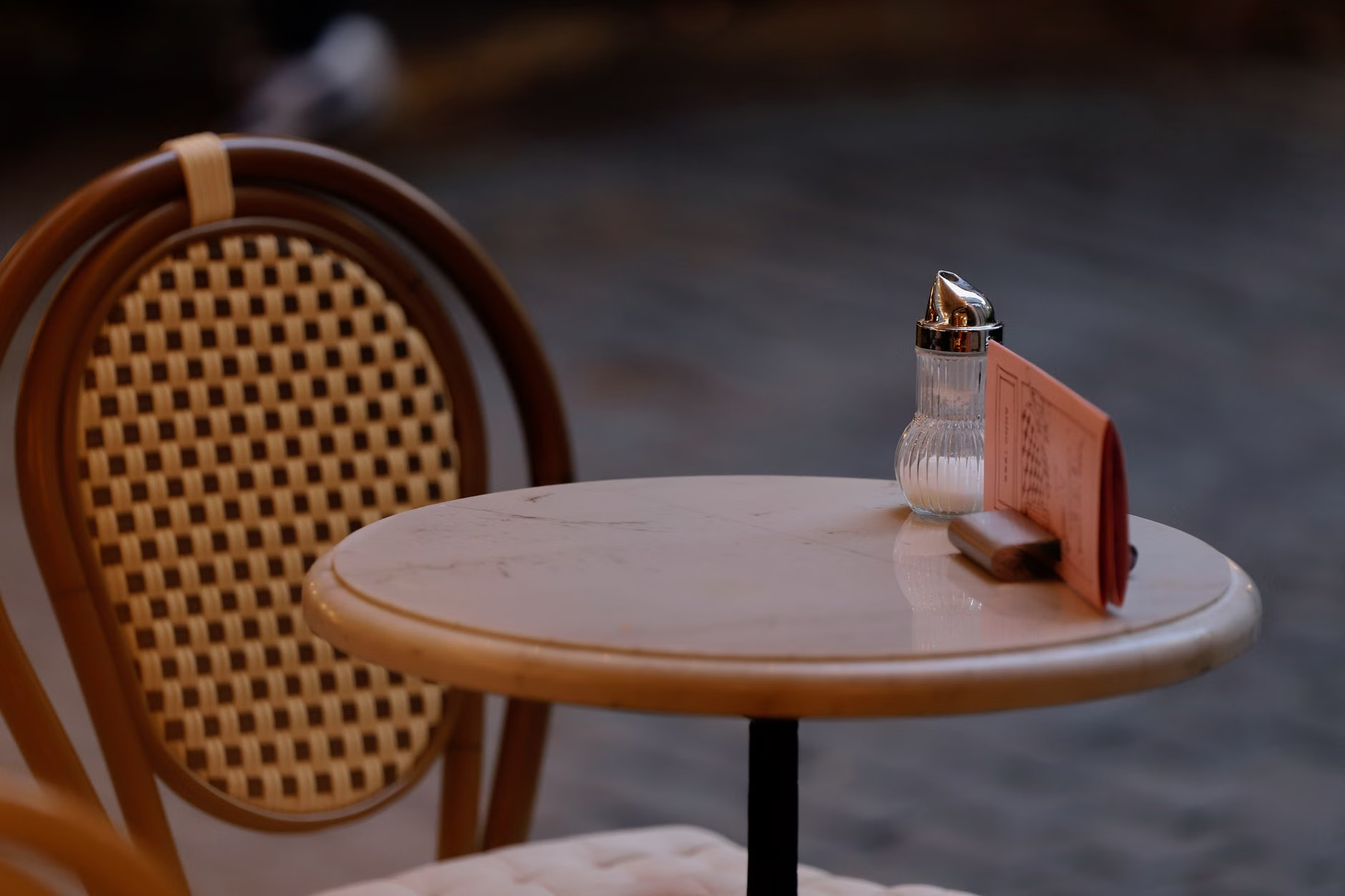
Historic cafes often favor wrought iron or lightweight metal furniture to match the surroundings. While these look authentic, they are frequently unstable. Before sitting, place your hands on the table and the chair. Does the furniture wobble? If the chair is lightweight, it may slide backward the moment you put your weight on it to stand up. Always choose chairs with four legs and a solid backrest. Avoid stools, benches without backs, or chairs that are deeply recessed, as these require significant core strength to exit.
Managing “Recovery Time”
If you are planning a day of exploring, treat the courtyard cafe as a recovery station. Do not view it merely as a place to drink coffee; view it as a place to rest your muscles. Sit for at least 30 to 45 minutes. This allows your joints to decompress and your heart rate to normalize before you continue your walk. If the cafe is too loud or the seating is uncomfortable, your body will remain in a state of mild stress, which will accelerate your fatigue later in the day.
In many historic European, Asian, or South American cities, the “courtyard” is a communal space shared by multiple businesses. This often means the restroom facilities are located in a separate building or down a narrow hallway.
Before you order your drink, ask the staff two specific questions:
- “Are the restrooms on this level?”
- “Is there a clear, flat path to them?”
If the answer to either is no, you have the information needed to decide whether to stay or find a more accessible alternative. Do not feel embarrassed to ask these questions; staff at historic venues are generally accustomed to travelers with varying mobility needs and will often point you toward a more accessible nearby facility if theirs is unsuitable.
The Role of Assistive Devices and Preparation
Many older adults feel hesitant to use mobility aids, but in a historic courtyard, they are your best insurance policy. If you use a cane, ensure it has a high-traction rubber tip. If you use a rollator (a walker with wheels), be aware that small wheels can become lodged in the gaps between cobblestones. Larger, pneumatic or rubberized wheels are significantly better for historic terrains.
Preparing for Your Outing
- Medication Timing: Plan your cafe visit during your “peak energy” window, typically after you have taken your morning medication and before your late-afternoon fatigue sets in.
- Hydration and Nutrition: Do not skip a meal to “save room” for a cafe treat. Low blood sugar can affect your balance and cognitive clarity, making it harder to navigate uneven terrain safely.
- Digital Accessibility: Keep a digital copy of your medical information on your phone in case of an emergency, and ensure your phone is fully charged before you leave.
Insights on Hidden Variables
An often-overlooked variable in historic cafes is the “acoustic environment.” Historic stone courtyards are notorious for echoing. If you have any degree of hearing loss, the combination of multiple conversations and the hard, reflective surfaces can make it impossible to hold a conversation. If you find a venue too loud, do not force yourself to stay. The stress of trying to hear can lead to mental fatigue, which in turn affects your physical coordination.
Furthermore, consider the “weather factor.” Historic courtyards are often exposed to the elements. Direct sunlight on stone can create significant glare, which hides floor hazards. If it is a bright day, choose a table with a large umbrella or one located in the shade. This is not just for comfort; it is a safety measure to ensure you can clearly see the ground beneath your feet.
When to Seek Professional Assistance or Modify Plans
If you find that your mobility is significantly impacted by your surroundings, it is important to recognize the warning signs of overexertion. These include increased joint pain, dizziness, shortness of breath, or a feeling of “heaviness” in your legs. If you experience these symptoms, do not push through them.
Instead, follow these steps:
- Stop immediately: Find the nearest seat, even if it is not in the cafe you originally chose.
- Assess your location: Use a mapping app to find the nearest public transport stop or taxi stand.
- Prioritize safety: Do not attempt to walk back to your hotel if you are struggling with your balance. Use a local ride-sharing app or taxi service to minimize the risk of a fall.
Conclusion
Navigating historic courtyard cafes is a rewarding way to experience the world, provided you balance your desire for exploration with a realistic assessment of your physical needs. By prioritizing flat surfaces, ergonomic seating, and off-peak timing, you can enjoy these architectural gems without compromising your safety or comfort. Remember that the goal of your travels is enjoyment and connection; if a venue presents too many barriers, the most successful decision is often to move on and find a space that supports your well-being.
For more information on accessible travel standards, you can consult the World Health Organization’s guidance on disability and health, which emphasizes the importance of inclusive environments in public spaces.
Frequently Asked Questions (FAQ)
1. How can I tell if a historic cafe is truly accessible before I arrive?
Beyond checking the venue’s official website, look at the “User Photos” section on Google Maps or TripAdvisor. Specifically search for photos of the entrance, the restroom corridors, and the seating area. If you see narrow, winding stairs or very high thresholds in the photos, it is likely that the venue is not suitable for limited mobility.
2. What should I do if I arrive at a cafe and realize it is not accessible?
Prioritize your physical safety over the inconvenience of having to leave. Politely inform the staff that the layout does not meet your mobility needs and ask if they have a ground-floor seating area or if they can recommend a nearby, more accessible venue. Most staff members are helpful and understand that accessibility needs vary.
3. Are there specific regions where historic cafes are generally more accessible?
Accessibility laws vary by country. For instance, in the European Union, the European Accessibility Act is gradually mandating better access to public services. However, historic preservation laws often conflict with these requirements. As a general rule, modern tourist-oriented historic districts in Western Europe and North America have higher rates of retrofitted accessibility (ramps, accessible toilets) than in more rural or less-developed areas.