Vitamin B5 and Energy Metabolism: A Practical Guide for Healthy Aging
- Vitamin B5, or pantothenic acid, is essential for converting carbohydrates, fats, and proteins into the cellular energy (ATP) required for daily movement and cognitive function.
- Because it is water-soluble and found in a wide variety of foods, a balanced, whole-food diet is almost always sufficient to meet the Recommended Dietary Allowance (RDA) without supplementation.
- Signs of deficiency are rare in healthy adults but can manifest as fatigue or irritability; if you suspect a deficiency due to severe digestive issues or malabsorption, consult a healthcare provider for blood testing rather than self-prescribing.
For adults between the ages of 60 and 80, maintaining consistent energy levels is a cornerstone of independence and quality of life. While many look toward stimulants like caffeine or complex supplement stacks to combat feelings of lethargy, the biological foundation of energy production often relies on the humble Vitamin B5, also known as pantothenic acid.
Unlike some vitamins that are difficult to obtain, Vitamin B5 is ubiquitous in the food supply—its name is derived from the Greek word “pantothen,” meaning “from everywhere.” Understanding how this vitamin functions within your metabolism allows you to make informed decisions about your grocery list and daily habits, ensuring your body has the raw materials needed to power your cells effectively.
Understanding Energy Metabolism: The Role of Pantothenic Acid
To understand why Vitamin B5 matters, we must look at what happens inside our cells. Every movement, heartbeat, and thought requires energy in the form of a molecule called Adenosine Triphosphate (ATP). The process of turning the food you eat into this energy is known as metabolism.
Vitamin B5 acts as a vital structural component of Coenzyme A (CoA). Think of Coenzyme A as a metabolic “shuttle bus.” Without it, the “passengers”—which are the broken-down components of carbohydrates, fats, and proteins—cannot enter the mitochondria (the power plants of your cells) to be converted into energy.
From Food to Fuel: A Step-by-Step Breakdown
When you consume a meal, your digestive system breaks down nutrients into smaller molecules. Here is how B5 facilitates the next stage:
- Carbohydrate Breakdown: B5 helps usher glucose into the energy cycle.
- Fatty Acid Oxidation: Your body relies heavily on fats for long-term energy. B5 is essential for breaking down these fats so they can be “burned” for fuel.
- Protein Synthesis: Beyond energy, B5 is involved in the production of cholesterol, amino acids, and hemoglobin, supporting muscle maintenance and blood health.
For an older adult, this process is critical. As we age, the efficiency of our mitochondria can naturally decline. Providing a steady supply of B5 ensures that the “shuttle buses” (Coenzyme A) are fully staffed, helping to maintain the metabolic throughput necessary for daily physical activity and stamina.
Sources of Vitamin B5: Integrating Nutrition into Your Daily Routine
Because pantothenic acid is found in almost every plant and animal food, “deficiency” in the clinical sense is exceptionally rare in developed countries, provided one is consuming a varied diet. However, the quality and preparation of these foods matter significantly.
Vitamin B5 is water-soluble and heat-sensitive. This means that if you boil vegetables for long periods and discard the water, you are likely pouring a significant portion of the vitamin down the drain. To maximize your intake, prioritize gentle cooking methods like steaming, stir-frying, or consuming foods raw when appropriate.
Recommended Foods for Your Kitchen
To ensure you are meeting your daily requirements (typically 5 mg per day for adults), consider incorporating the following items into your regular rotation:
| Food Category | Examples | Practical Preparation Tip |
|---|---|---|
| Whole Grains | Oats, brown rice, whole wheat | Soak overnight to improve digestibility and nutrient availability. |
| Legumes | Lentils, split peas, chickpeas | Use in soups or stews where the cooking liquid is consumed. |
| Animal Proteins | Chicken, beef, organ meats (liver) | Roast or grill; avoid over-charring to preserve nutrients. |
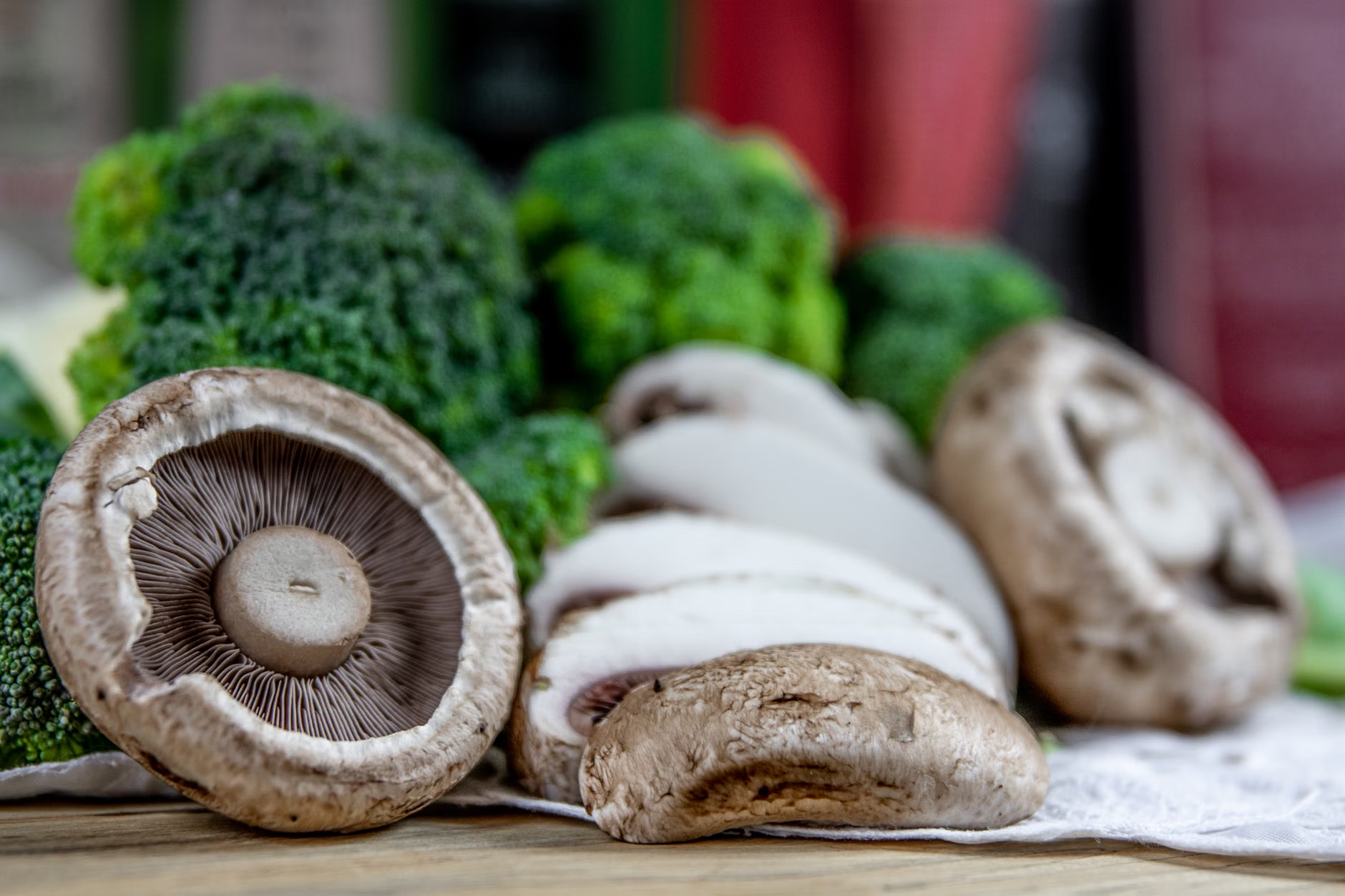
| Vegetables | Mushrooms, broccoli, sweet potatoes | Steam until tender-crisp; avoid prolonged boiling. |
The table above highlights a key insight: The way you cook your food is as important as the food itself. If you enjoy soups or stews, you are naturally capturing the water-soluble vitamins that leach out during the cooking process. If you prefer boiled vegetables, consider using the leftover water as a base for a broth or sauce.

Addressing Common Misconceptions About Supplementation
In the wellness industry, Vitamin B5 is often marketed in high-dose “energy complexes.” It is important for adults to distinguish between physiological necessity and pharmacological intervention.
The Reality of Excess: Because pantothenic acid is water-soluble, your body is highly efficient at excreting excess amounts through urine. Taking high-dose supplements does not lead to “super-charged” energy levels; rather, it simply results in more expensive urine. Unless a physician has diagnosed a specific malabsorption syndrome or a severe deficiency, high-dose B5 supplements offer little to no benefit for energy metabolism.
When to Consult a Professional
If you are experiencing persistent, unexplained fatigue, do not assume it is a vitamin deficiency that can be solved with an over-the-counter pill. Fatigue in the 60–80 age group can be a symptom of various underlying issues, including:
- Anemia: Often related to iron or B12 deficiencies.
- Thyroid Dysfunction: Which directly impacts metabolic rate.
- Medication Side Effects: Many common medications for blood pressure or cholesterol can influence energy levels.
- Chronic Inflammation: Which can impair mitochondrial function regardless of vitamin intake.
If you feel your energy is significantly lagging, the correct first step is to schedule an appointment with your primary care provider. When you go, bring a list of your current medications and a 3-day food diary. This allows your doctor to see if your diet is truly lacking or if the issue lies elsewhere.
Practical Strategies for Sustained Daily Energy
Beyond specific vitamins, energy management for older adults is about metabolic consistency. Your body functions best when it receives a steady supply of fuel rather than large, infrequent spikes of sugar or processed carbohydrates.
The “Steady-State” Approach to Nutrition
Instead of focusing on “energy boosters,” focus on preventing “energy crashes.”
- Hydration: Dehydration is one of the most common causes of fatigue in older adults. Even mild dehydration can make your metabolic processes sluggish. Aim for consistent water intake throughout the day, not just when you feel thirsty.
- Fiber Integration: Fiber slows the absorption of glucose. By eating whole grains and legumes—which are also rich in B5—you provide your body with a long, slow-burning fuel source rather than a quick spike that leads to a crash.
- Movement as a Metabolic Catalyst: Physical activity is not just for muscles; it is for your metabolism. Regular, low-impact movement like walking or swimming improves mitochondrial density, meaning your body becomes better at using the energy it produces.

As we age, our appetite may decrease, or we may find it harder to chew certain foods. If you find it difficult to maintain a diet rich in whole grains and fibrous vegetables, consider these adaptations:
- Blended Soups: Puree lentils, broccoli, and mushrooms into a creamy soup. This makes the nutrients highly bioavailable and easy to consume.
- Porridge and Mashes: Softer versions of whole grains (like steel-cut oats) or mashed sweet potatoes are excellent vehicles for the nutrients your body needs.
- Smaller, Frequent Meals: If you tire easily while eating, switch to five small meals rather than three large ones. This keeps your metabolic “shuttle bus” (CoA) working steadily without overwhelming your digestive system.
Conclusion: A Balanced Perspective
Vitamin B5 is a silent partner in your daily health. It works tirelessly in the background, ensuring that every meal you eat is efficiently converted into the energy you need to pursue your hobbies, travel, and spend time with family. For the vast majority of older adults, the secret to high energy is not a supplement bottle, but a kitchen pantry filled with diverse, whole foods and a cooking style that preserves nutritional integrity.
Focus on consistency, prioritize gentle preparation methods, and listen to your body. If you notice persistent changes in your energy levels, look toward professional medical guidance to rule out underlying conditions rather than attempting to self-diagnose through supplementation. By respecting the complexity of your own metabolic system, you can maintain the vitality needed to enjoy your later years to the fullest.
Frequently Asked Questions (FAQ)
1. Can I get enough Vitamin B5 from a vegetarian or vegan diet?
Yes, absolutely. Vitamin B5 is abundant in many plant-based foods, including whole grains, legumes, avocados, mushrooms, and sweet potatoes. As long as your diet is varied and not overly reliant on highly processed foods, you can easily meet your requirements without animal products.
2. Are there any medications that interfere with Vitamin B5 absorption?
There is limited evidence suggesting that certain antibiotics or long-term use of specific anti-seizure medications might impact B-vitamin levels. However, this is highly specific to individual health profiles. Always discuss your full medication list with your doctor to determine if you are at risk for any specific nutrient depletion.
3. How can I tell if I am deficient in Vitamin B5?
Clinical deficiency is extremely rare. If it does occur, it is usually associated with severe malnutrition or extreme malabsorption issues. Symptoms are non-specific and can include fatigue, irritability, and numbness or tingling in the feet. Because these symptoms can be caused by dozens of other conditions, they should always be evaluated by a medical professional through blood work rather than assumed to be a vitamin deficiency.
Disclaimer: This article is for informational purposes only and does not constitute medical advice, diagnosis, or treatment. Always seek the advice of your physician or other qualified health provider with any questions you may have regarding a medical condition or dietary changes.
Official Resources for Further Reading: