- The 2026 international standards mandate higher seat heights (45–50 cm) and the inclusion of high-friction armrests to facilitate easier standing for older adults.
- New guidelines require “paired seating” configurations that allow individuals using walkers, canes, or wheelchairs to sit directly next to their companions.
- Local authorities are increasingly adopting “resting nodes” every 50 to 100 meters, ensuring that distance is no longer a barrier to enjoying public green spaces.
As of 2026, international guidelines for public park infrastructure have shifted significantly to accommodate the needs of an aging global population. These updates, developed by organizations such as the International Federation of Parks and Recreation Administration (IFPRA) and aligned with the WHO Age-Friendly Cities framework, are changing how benches, rest areas, and pathways are designed. For adults aged 60 to 80, these changes represent a move toward greater independence and more comfortable outdoor activity.
Understanding the 2026 Seating Standard Updates
The core of the 2026 update is a move away from “one-size-fits-all” seating toward “ergonomic inclusion.” Historically, park benches were designed for aesthetics or durability, often neglecting the physiological changes that accompany aging, such as reduced lower-body strength and changes in balance.
The new standards define specific metrics for what constitutes an “age-friendly” seat. By standardizing these, city planners are aiming to reduce the risk of falls and minimize the physical strain associated with sitting down and standing up.
The Ergonomics of Rising: Height and Support
One of the most critical updates involves seat height. Standard benches have historically been too low, forcing the hips to sit below the knees, which makes standing up a significant physical challenge. The 2026 guidelines suggest a seat height of 45 to 50 centimeters (approx. 18 to 20 inches). This height allows for a more neutral joint position, making it significantly easier to transition from a seated to a standing position.

Furthermore, the inclusion of armrests is now a mandatory requirement for all new installations. These armrests must be high-friction, non-slip, and extend to the very front of the seat. This allows the user to place their full weight on their arms while rising, providing a stable pivot point. We recommend that when you visit a new park, you check for these armrests—they are not just for comfort, but for essential stability.
Designing for Mobility Aids and Companionship
A major oversight in traditional park design was the failure to accommodate walkers, canes, and wheelchairs. When a person with a mobility aid visits a park, they often find themselves sitting at the end of a bench or, worse, unable to sit near their companions because there is no designated space for their equipment.
The “Paired Seating” Concept
The 2026 standards introduce the “paired seating” layout. This design replaces continuous, single-length benches with modular sections that include a dedicated, flat-ground space immediately adjacent to the seat. This space is specifically designed to accommodate the footprint of a standard rollator or wheelchair.
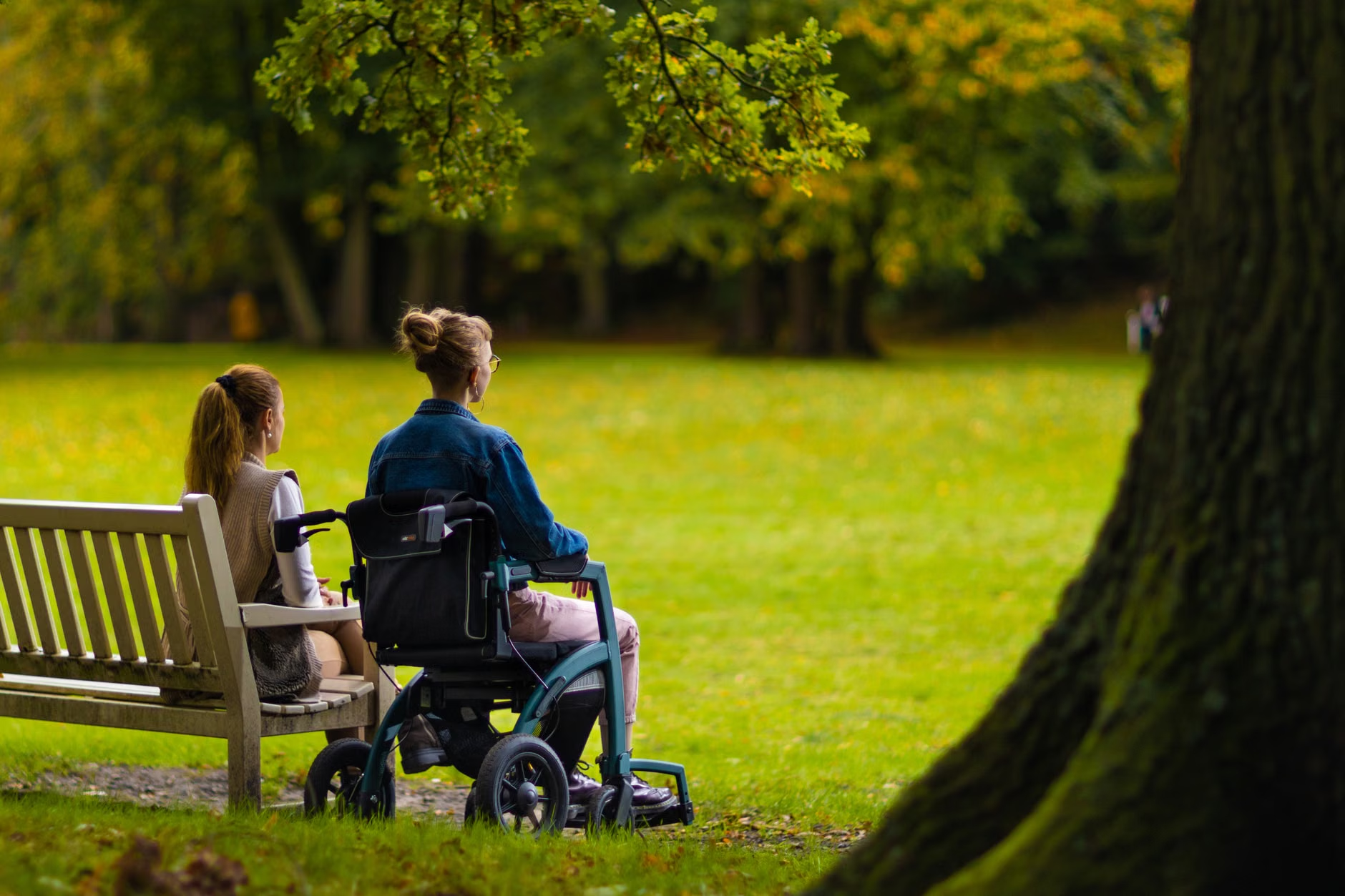
Why this matters: It allows you to remain with your family or friends during a break without having to park your mobility aid in the middle of a pathway, which is both a safety hazard and a source of social anxiety. When searching for a park, look for seating areas that have a clear, paved “cut-out” section beside the bench.
For many older adults, the primary barrier to visiting a large park is the fear of not finding a place to rest when fatigue sets in. The 2026 guidelines mandate the creation of “resting nodes” along primary park trails. A resting node is defined as a seating area placed at intervals of no more than 100 meters (about 330 feet) in high-traffic zones, or 50 meters in zones with inclines.
| Terrain Type | Recommended Rest Interval | Why it Matters |
|---|---|---|
| Flat, paved paths | 100 meters | Maintains consistent pace without overexertion. |
| Inclined or uneven paths | 50 meters | Prevents cardiac strain and fall risk on slopes. |
| High-density recreation areas | 30 meters | Allows for frequent social stops and observation. |
If you are planning a walk in a new or unfamiliar park, check the park’s official digital map. Many modern municipal websites now feature an “accessibility layer” that highlights these resting nodes. If you don’t see them on the map, it is a sign that the park may not be fully optimized for your current needs.
Safety and Material Considerations
The 2026 updates also address the materials used in park furniture. Extreme temperatures—whether a bench that is scorching hot from the sun or freezing cold in the winter—can discourage older adults from using public facilities. New guidelines suggest the use of materials with low thermal conductivity, such as composite woods or specialized polymers that maintain a comfortable temperature regardless of the weather.
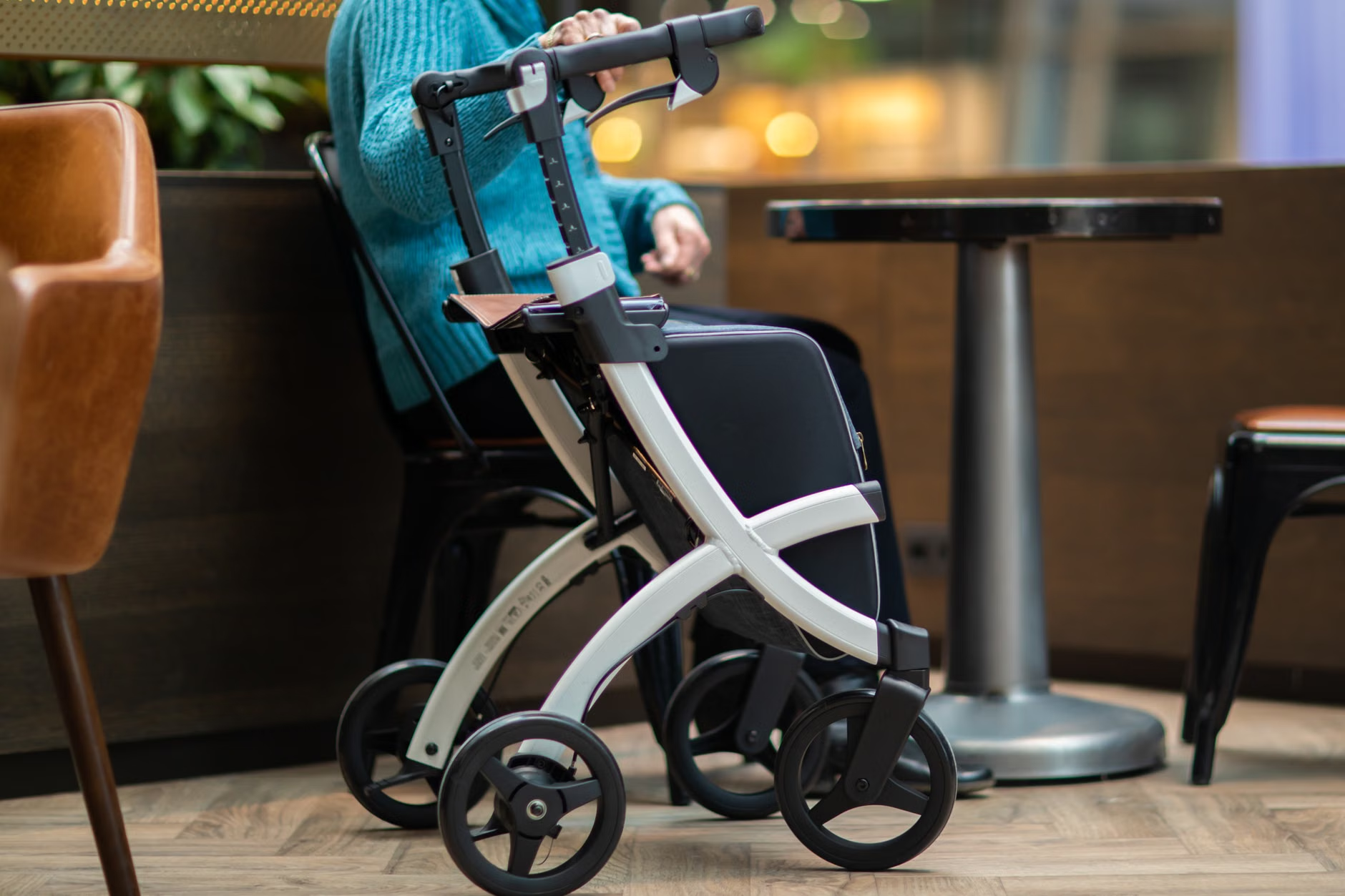
Additionally, seat backrests are now required to have an ergonomic slope of 100 to 110 degrees. This angle supports the lumbar spine and reduces the pressure on the lower back, which is essential for those prone to chronic back pain or fatigue.
Practical Steps for Your Next Outing
While cities are mandated to upgrade their facilities, this is a gradual process. Not every park will meet the 2026 standards immediately. To ensure your comfort and safety, follow these practical steps:
- Pre-visit Verification: Use Google Maps or city-specific park apps to view user-submitted photos of seating. If the photos show thin metal benches without armrests, consider a different location.
- Check for Transitions: Ensure that the path leading to the bench is paved and level. A beautiful bench is useless if you have to navigate loose gravel or high curbs to reach it.
- The “Armrest Test”: When you arrive, apply firm pressure to the armrest before you commit your full weight. If it feels loose or unstable, it is better to skip that seat.
- Carry a Portable Seat: For long outings, a lightweight, foldable walking stick with an integrated seat can provide a “safety net” if you find that park benches are occupied or poorly placed.
The Role of Advocacy and Consumer Protection
If you find that your local parks are failing to meet basic accessibility needs, you have the right to petition your local council or municipal park department. In many jurisdictions, these 2026 standards are not just recommendations; they are tied to public funding requirements for urban development.
When contacting your local representative, be specific. Instead of saying, “The park is not friendly,” say, “The benches in Central Park lack side-space for mobility aids and armrests for support, which violates the current accessibility guidelines for public spaces.” Providing specific, evidence-based feedback is more likely to result in action.
Insights into Hidden Inconveniences
One overlooked variable in park design is “depth of seat.” While high seats are good, a seat that is too deep can be problematic. If the seat is deeper than 45 cm, you may find that your calves hit the front edge of the seat, preventing your feet from resting flat on the ground. This can lead to restricted circulation in the legs during long periods of sitting. When choosing a bench, look for a shallower seat depth that allows your feet to remain firmly planted, which is crucial for maintaining balance when you decide to stand up.
Another important aspect is lighting. Even if a bench is perfectly designed, it is not “accessible” if it is placed in a dark, shadowed area. The 2026 standards emphasize “illuminated seating,” where benches are placed near street lighting or solar-powered path markers. If you are planning an evening walk, stick to well-lit paths where the seating is clearly visible, as depth perception can decrease as daylight fades.
Finally, consider the proximity to public transport. The most “age-friendly” park is one you can reach without excessive walking from the bus stop or parking lot. Always check the distance from the nearest transit stop to the park entrance. If the distance is significant, consider using a ride-sharing service that can drop you off closer to the park’s interior, if permitted.
Conclusion: Taking Control of Your Environment
The 2026 updates to international park seating standards represent a meaningful evolution in how we view public infrastructure. By focusing on ergonomic height, armrest stability, and thoughtful spacing, these guidelines directly support your ability to stay active, social, and mobile. While the transition of all public spaces will take time, being informed about what to look for—and what to expect—gives you the power to choose environments that support your health and well-being. Prioritize your safety by checking for these features, and do not hesitate to advocate for the accessibility you deserve in your local community.
Frequently Asked Questions (FAQ)
- Are these 2026 standards legally binding everywhere?
These standards are international guidelines adopted by the IFPRA and the WHO. While they provide a framework for global best practices, actual implementation depends on local municipal laws and budget allocations. Check your specific city’s “Accessibility and Inclusion Plan” for more details. - What should I do if a park bench is in poor condition?
Most municipal park departments have a dedicated reporting system, often accessible via a city app or website. Take a photo of the issue (e.g., loose armrest, uneven ground) and submit it with the exact location. This is the most effective way to trigger repairs. - Are there specific brands of park furniture that follow these rules?
Many manufacturers now market their products as “Age-Friendly Certified” or “ADA/ISO Compliant.” However, as an individual, you do not need to worry about brands; focus on the physical characteristics—armrests, height (45-50cm), and clear ground space—that define the standard.
Official resources for further reading: