- Choline is a critical nutrient for maintaining cell membrane structure and facilitating neurotransmitter synthesis, directly supporting brain health as you age.
- While the body produces small amounts of choline, dietary intake is essential; focus on whole foods like eggs, lean meats, and cruciferous vegetables.
- Monitoring your intake is practical: a simple shift in meal planning can bridge the gap between “minimum requirements” and “optimal cellular support” without relying on complex supplementation.
Understanding the Role of Choline in Daily Physiology
Choline is often overlooked in mainstream nutrition discussions, yet it serves as a fundamental building block for human health. For adults aged 60 to 80, its role becomes increasingly significant as the body’s natural efficiency in nutrient synthesis and cellular repair requires consistent support. Choline is not a vitamin in the traditional sense, but an essential nutrient that the body cannot produce in sufficient quantities on its own to meet all physiological demands.
At the cellular level, choline is a precursor to phosphatidylcholine, a major component of cell membranes. Think of your cell membranes as the “security gates” of your biological system; they must be fluid, flexible, and robust to allow nutrients to enter and waste to exit. As we age, maintaining the integrity of these membranes is vital for muscle function, liver health, and the transmission of nerve impulses.
Why Choline Matters for Cognitive and Metabolic Longevity
The most commonly discussed function of choline is its role in the synthesis of acetylcholine, a neurotransmitter essential for memory, mood, and muscle control. For older adults, adequate acetylcholine levels are associated with better executive function and faster cognitive processing speeds. When your brain has the necessary precursors to produce this neurotransmitter, it can maintain the complex communication networks between neurons more effectively.
Beyond the brain, choline is a key player in lipid metabolism. It helps the liver transport fats out of the organ. If the liver cannot effectively move these fats, it can lead to lipid accumulation, which impacts overall metabolic efficiency. By ensuring your diet provides enough choline, you are essentially supporting your liver’s ability to process fats, which in turn influences your cholesterol metabolism and cardiovascular health.
Evaluating Your Current Intake: The Dietary Reality
Most health organizations, such as the U.S. National Institutes of Health (NIH), suggest an adequate intake (AI) of roughly 550 mg per day for men and 425 mg per day for women. However, these figures represent the minimum to prevent deficiency, not necessarily the optimal amount for long-term health maintenance in aging populations.
Many adults fall short of these targets because they rely heavily on processed foods, which are typically low in choline. To assess your intake, look at your weekly food habits. If your diet is low in animal proteins or specific plant-based sources, you may be consistently under-consuming this nutrient.
| Food Source | Approx. Choline Content | Practical Serving Size |
|---|---|---|
| Egg (Large) | ~147 mg | 1 Whole Egg |
| Beef Liver | ~350 mg | 3 oz (85g) |
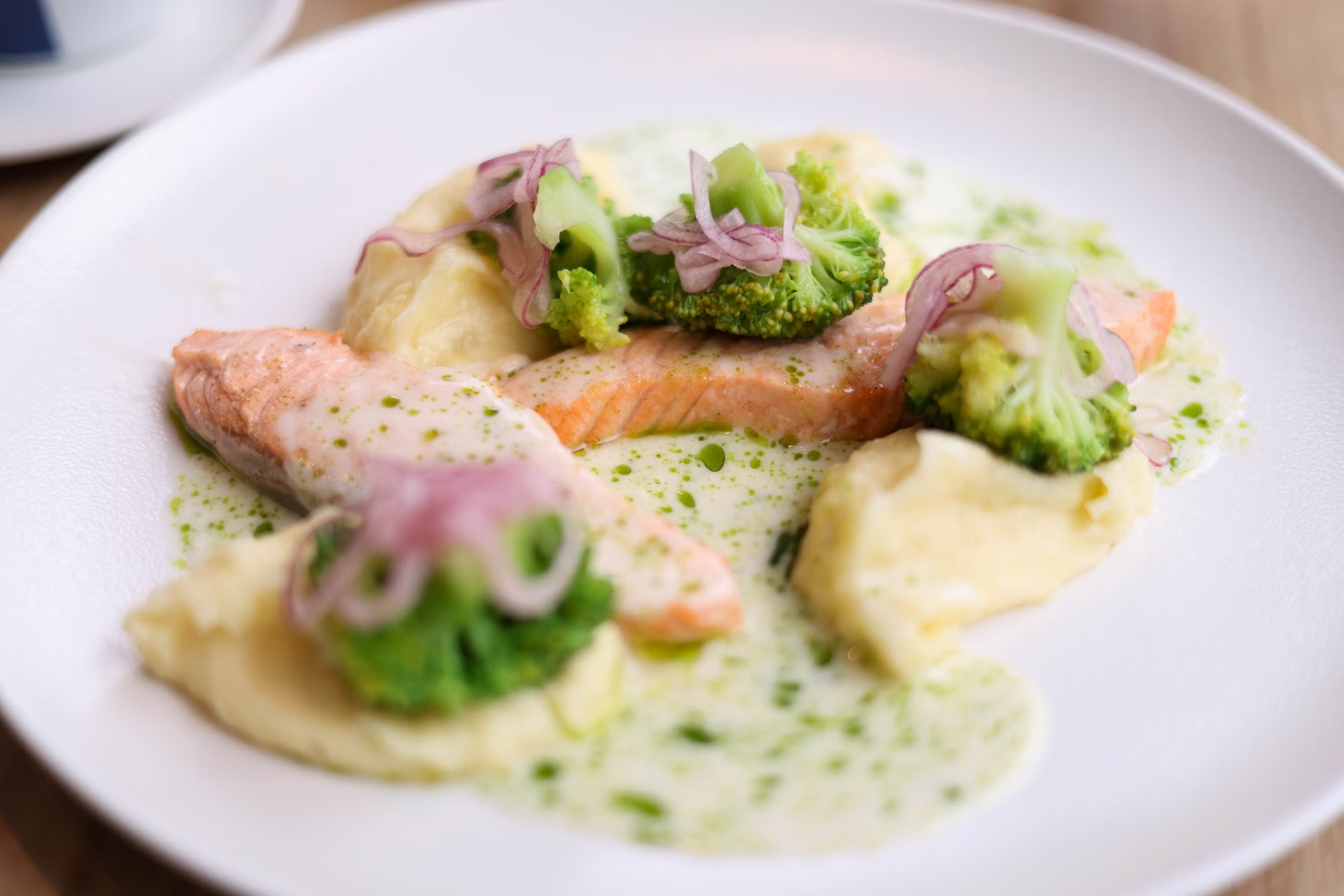
| Salmon (Cooked) | ~70-90 mg | 3 oz (85g) |
| Broccoli (Cooked) | ~60 mg | 1 cup |
| Quinoa (Cooked) | ~40 mg | 1 cup |
The table above highlights a crucial insight: the concentration of choline varies significantly between food groups. For example, a single egg provides a substantial portion of the daily requirement, making it one of the most efficient dietary sources available. Those following a strict plant-based diet must be more intentional about incorporating sources like broccoli, quinoa, and soy products to reach similar levels.
Strategies for Integrating Choline into Your Daily Routine
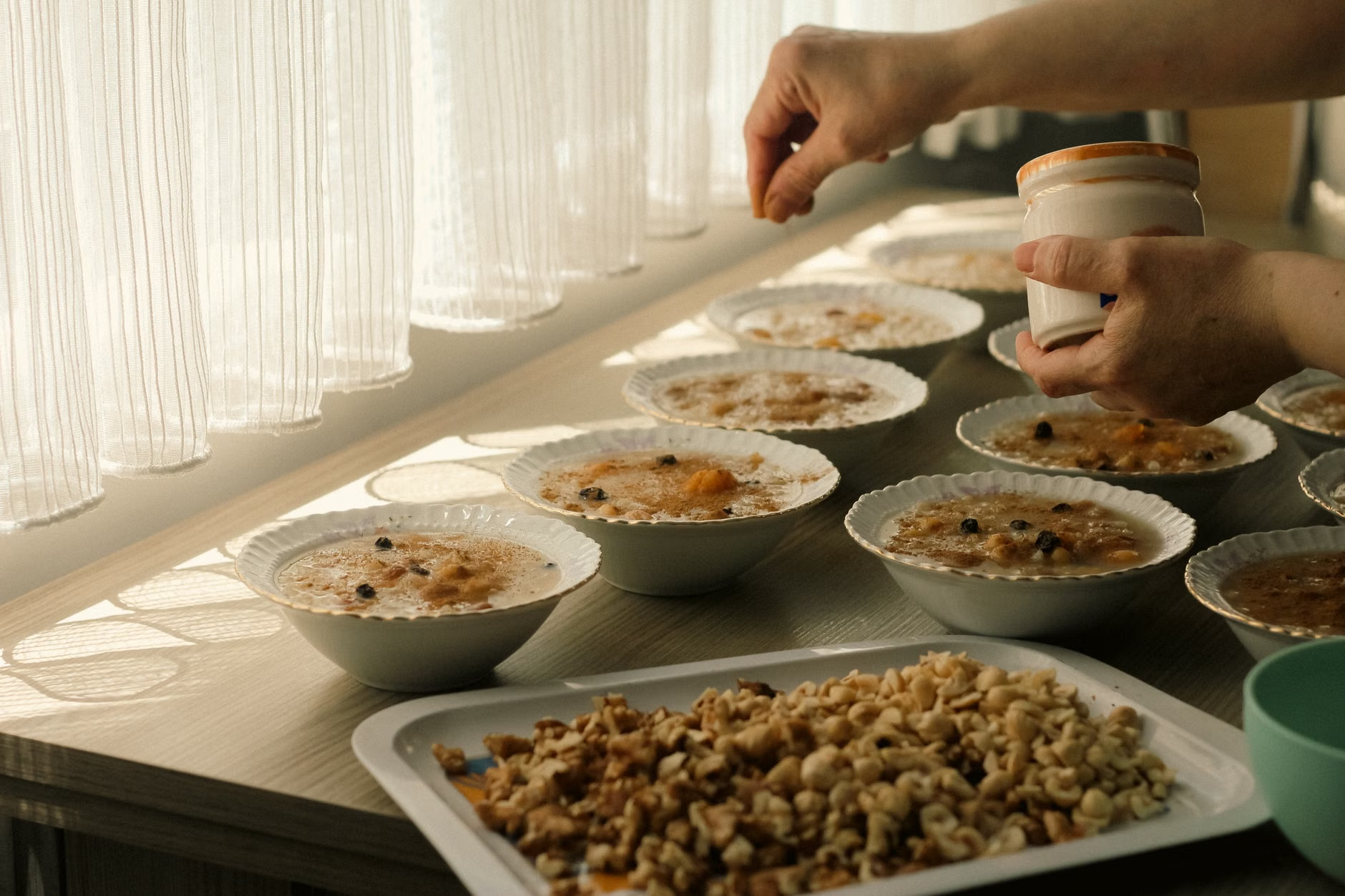
Rather than obsessing over daily tracking, aim for a consistent pattern. If you enjoy eggs for breakfast two or three times a week, you have already established a strong foundation. For the remaining days, focus on rotating high-choline vegetables and lean proteins.
A common mistake is assuming that “fortified” foods are the best source. While some cereals or plant-based milks are fortified with choline, they often come with added sugars or processed additives. Prioritizing whole foods is generally superior because you receive the synergistic benefits of other vitamins and minerals that accompany choline in nature.
Step-by-Step Meal Planning for Choline Optimization
- Review your breakfast: If you currently eat toast or oatmeal, consider adding one egg or a tablespoon of chia seeds to provide an immediate boost to your morning choline intake.
- Diversify your protein sources: Rotate between salmon, lean chicken, and legumes. Salmon, in particular, offers the added benefit of Omega-3 fatty acids, which work in tandem with choline to support cognitive health.
- Maximize vegetable intake: Cruciferous vegetables like broccoli, cauliflower, and Brussels sprouts are excellent sources. Aim for at least one cup of these vegetables per day.
- Monitor preparation methods: Choline is water-soluble. While steaming is excellent for preserving nutrients, boiling vegetables for long periods can lead to nutrient loss in the cooking water. Try stir-frying or steaming instead.
Before considering a supplement, it is vital to evaluate your actual dietary intake. Supplements like Phosphatidylcholine or Choline Bitartrate exist, but they should not replace a balanced diet. Furthermore, high-dose supplementation can lead to side effects such as a “fishy” body odor, sweating, or, in extreme cases, cardiovascular concerns if not managed correctly.
If you have concerns about your cognitive health, liver function, or metabolic markers, speak with your primary care provider. When you visit your doctor, bring a 3-day food diary. This provides the professional with concrete data to assess whether your symptoms might be related to nutritional gaps or other physiological factors.
The Overlooked Variable: Gut Health and Nutrient Absorption
An often-overlooked factor in choline status is the gut microbiome. Certain bacteria in the gut help metabolize choline into compounds like Trimethylamine (TMA), which the liver then converts to TMAO. While high levels of TMAO have been linked to cardiovascular risk, this process is highly dependent on the composition of your individual gut flora. Maintaining a healthy, fiber-rich diet supports a balanced microbiome, which is arguably more important than the specific amount of choline ingested.
Instead of fearing specific foods, focus on the diversity of your diet. A diet rich in fiber, fermented foods, and diverse plant matter supports the gut environment, which in turn optimizes how your body processes and utilizes the nutrients you provide it.
Conclusion: A Sustainable Approach to Vitality
Choline is a foundational element of cellular, cognitive, and metabolic health. For adults in the 60-80 age bracket, it is not about “perfect” nutrition, but about “consistent” nutrition. By understanding that simple, whole-food choices—such as incorporating eggs, salmon, and cruciferous vegetables—can significantly impact your cellular resilience, you take control of your long-term wellbeing.
Remember that your nutritional needs are part of a larger picture that includes physical activity, sleep, and medical monitoring. Use the information provided here as a guide to adjust your habits incrementally. Small, sustainable changes in your daily menu are far more effective than radical, short-term interventions.
For further reading on nutrient requirements, please refer to the National Institutes of Health (NIH) Office of Dietary Supplements fact sheet on Choline.
Frequently Asked Questions
- 1. Can I get enough choline from a vegetarian or vegan diet?
- Yes, it is possible, but it requires more careful planning. You should prioritize consuming larger quantities of cruciferous vegetables (broccoli, cauliflower), legumes, nuts, seeds (like chia and flax), and soy-based products (like tofu or tempeh) to reach the recommended daily intake.
- 2. Are there any warning signs that I might be low in choline?
- Choline deficiency is relatively rare in healthy individuals, but symptoms can be vague, such as fatigue, muscle weakness, or difficulty with cognitive tasks. Because these symptoms are common to many conditions, do not assume a deficiency; consult your doctor to perform blood tests if you have specific concerns about your health.
- 3. Is it better to take a multivitamin with choline or eat the food?
- Whole foods are almost always the better choice. Food provides a complex matrix of nutrients that work together, whereas supplements are isolated compounds. Additionally, many multivitamins contain only a small fraction of the daily required choline, making them ineffective as a primary source.