- Cognitive Engagement: Watercolor painting requires complex decision-making, spatial reasoning, and fine motor control, which helps maintain neural plasticity in adults aged 60 to 80.
- Social Integration: Community groups provide structured, low-pressure social interaction that reduces the risk of social isolation and improves subjective wellbeing.
- Accessibility: Watercolor is a low-cost, low-impact hobby that requires minimal physical exertion and can be adapted for various mobility or stamina levels.
Engaging in community watercolor painting groups offers far more than just the development of an artistic skill; it is a scientifically supported pathway to enhancing social connectivity and cognitive resilience for adults aged 60 to 80. By participating in group-based creative activities, older adults create a consistent, meaningful routine that fosters social support networks and provides a constructive outlet for self-expression.
The Cognitive Mechanics of Watercolor Painting
Watercolor painting is not merely a passive pastime; it is a cognitively demanding activity that engages multiple regions of the brain simultaneously. For the aging brain, this is a form of “cognitive reserve” building—a process where the brain becomes more efficient at using its resources to perform tasks.
When you sit down to paint, you are not just applying color to paper. You are engaging in:
- Spatial Planning: Visualizing the final composition requires the brain to map out depth, perspective, and proportion.
- Color Theory Application: Choosing and mixing colors requires decision-making based on aesthetic logic and memory.
- Fine Motor Coordination: Controlling the brush requires precision, which helps maintain dexterity in the hands and wrists.
Unlike activities that rely on rote memorization, painting requires constant adjustment. If the water is too thin or the pigment too dark, you must immediately decide how to pivot. This “problem-solving in the moment” is excellent for maintaining executive function, which encompasses the ability to focus, plan, and execute complex tasks.
The Role of “Flow” in Emotional Wellbeing
Psychologists often describe a state called “flow”—a mental state of deep immersion where one loses track of time and self-consciousness. For older adults, achieving flow through painting provides a break from the stresses of daily management, whether that involves health monitoring, financial planning, or family responsibilities. This mental shift has been shown to lower cortisol levels and improve mood stability.
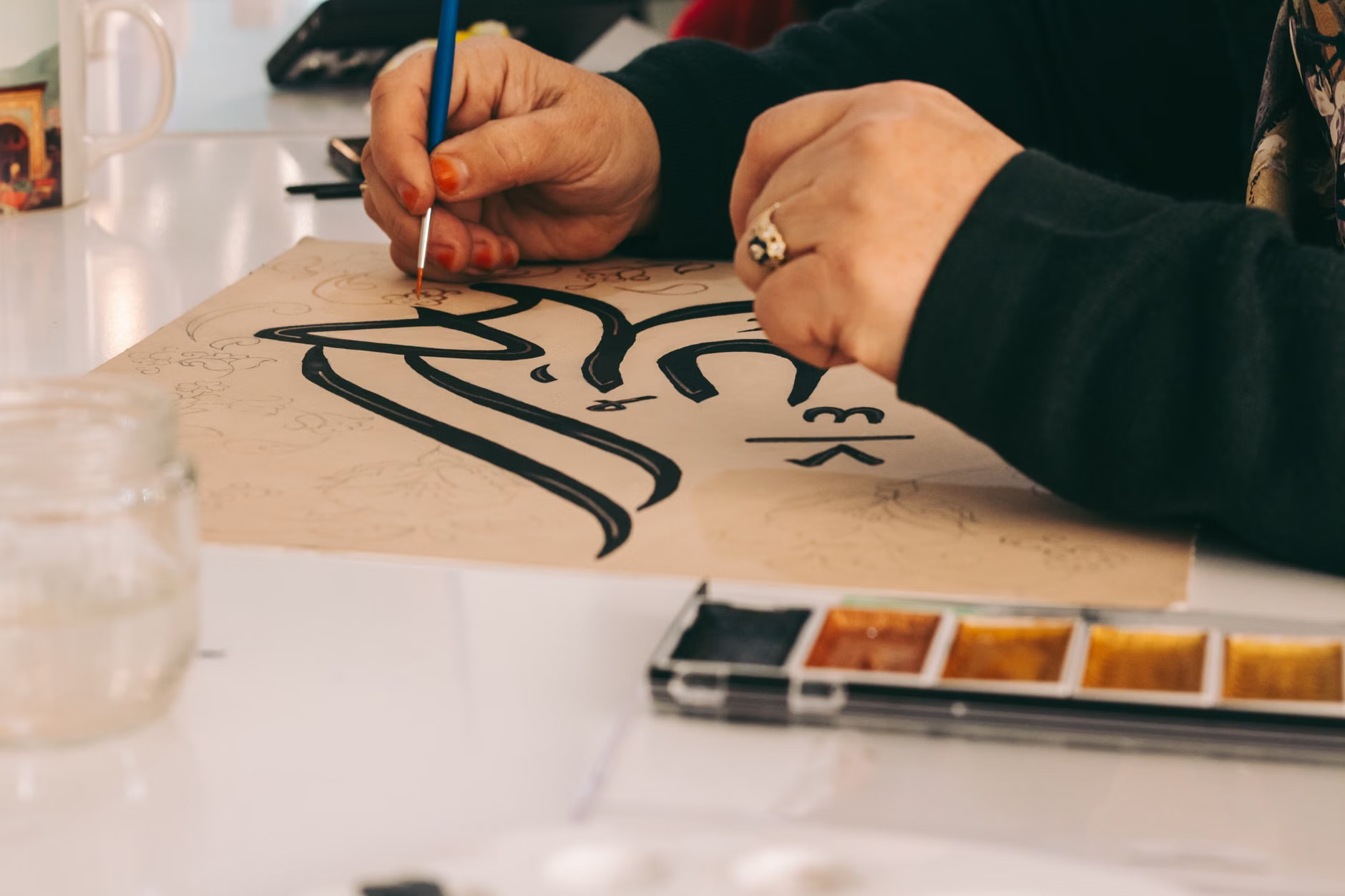
One of the most significant challenges for adults as they reach their 60s, 70s, and 80s is the potential for social shrinkage. Work colleagues retire, children move away, and social circles can naturally narrow. Community watercolor groups act as a “third space”—a location outside of home and work where people can congregate.
The social benefit of these groups is rooted in shared identity. Unlike a general interest group, a watercolor class provides a shared goal. Participants are not forced to make small talk; they have a task to focus on, which reduces the anxiety often associated with social interactions.
| Social Aspect | How a Painting Group Helps |
|---|---|
| Accountability | Weekly meetings provide a reason to leave the house and maintain a routine. |
| Peer Mentorship | Sharing techniques allows older adults to teach and learn from one another, boosting self-efficacy. |
| Reduced Isolation | Consistent, non-threatening interaction with peers combats the physical health risks associated with loneliness. |
The table above illustrates that the value lies in the structure of the group. When you have a common objective, the barrier to entry for building new friendships is significantly lowered. You are not just a stranger in a room; you are a fellow artist.
Practical Considerations for Getting Started
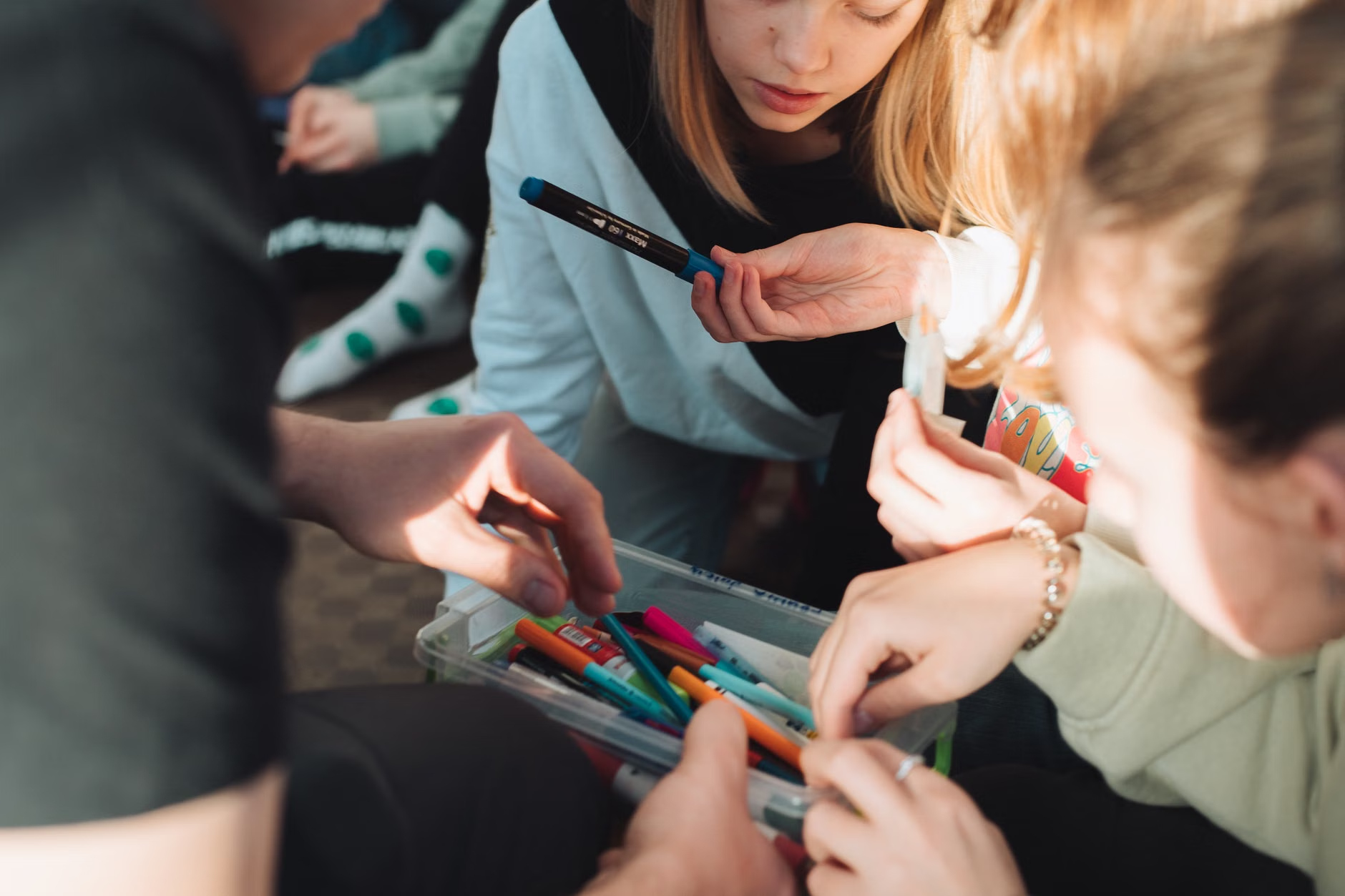
If you are considering joining a group, it is important to assess the practical logistics to ensure the experience remains enjoyable rather than burdensome. Many community centers, libraries, and local art councils offer classes specifically tailored to older adults.
1. Assessing Physical Accessibility
Before signing up, inquire about the physical environment. Look for:
- Seating: Are the chairs ergonomic and stable? Do they provide back support for long sessions?
- Lighting: Proper task lighting is essential to prevent eye strain. Ensure the venue has bright, natural, or adjustable artificial light.
- Mobility: Are there stairs, or is the facility on the ground floor? Is there accessible parking nearby?
2. Managing Costs and Equipment
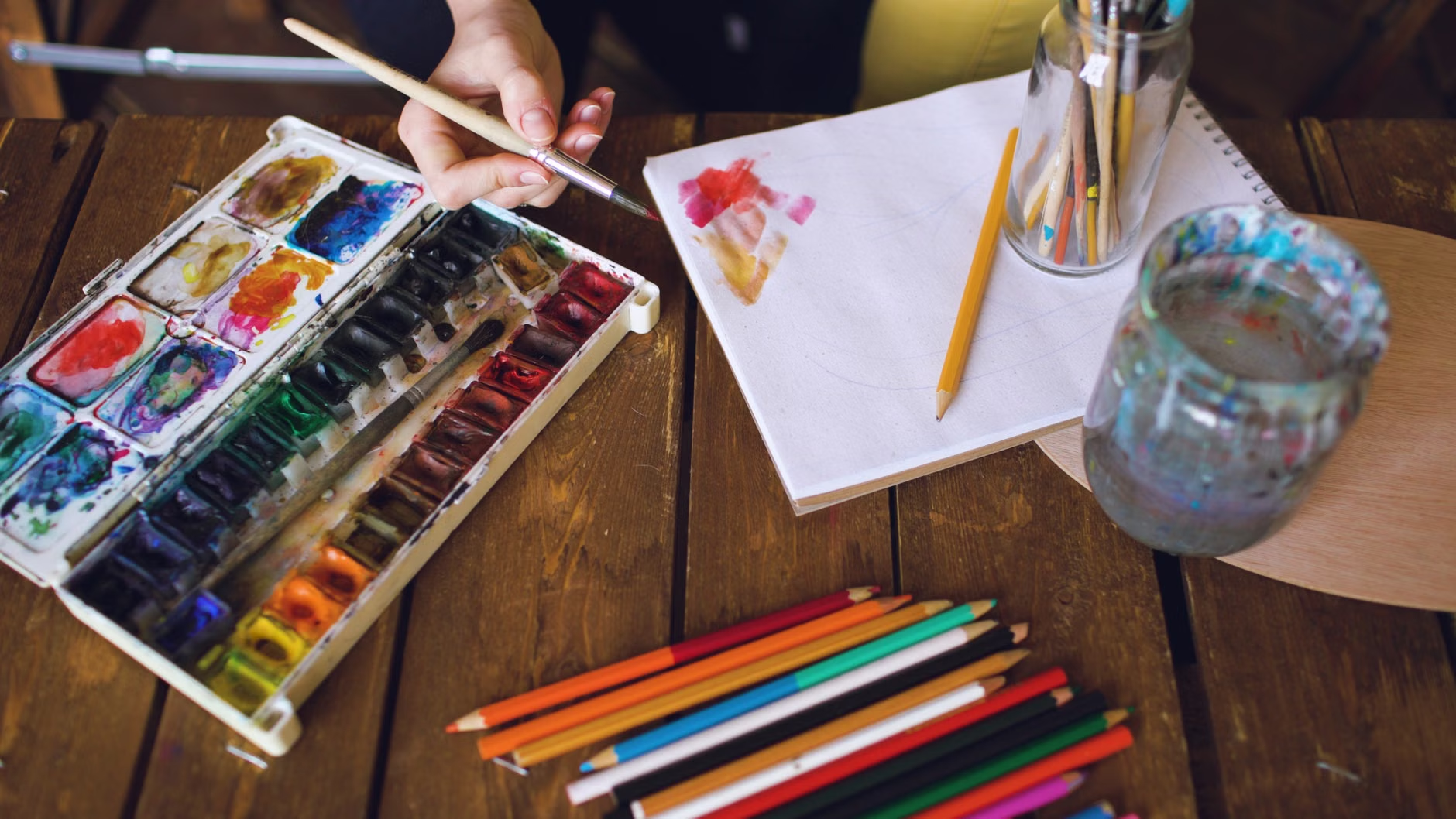
One of the primary advantages of watercolor is that it is relatively inexpensive compared to oil painting or photography. You do not need a studio full of equipment. A basic set of pans, three brushes (small, medium, and large), and a pad of 300gsm watercolor paper is sufficient to start.
Common Mistake: Many beginners purchase expensive professional-grade paper too early. While high-quality paper is easier to work with, practicing on student-grade paper for the first few weeks is perfectly acceptable and lowers the financial barrier to entry.
3. Stamina and Session Length
The average watercolor session lasts two to three hours. For those with arthritis or limited stamina, this can be physically taxing. Do not feel obligated to complete a painting in one sitting. The most successful participants are those who treat the session as a relaxed practice rather than a race to the finish line. If you need to take breaks, do so. Stretching your hands and standing up to walk around every 30 minutes is not only allowed; it is recommended for your physical health.
Overcoming Barriers: When to Seek Support
Sometimes, the idea of joining a group can feel intimidating. If you have been away from creative activities for decades, it is normal to feel a “performance anxiety.” However, the goal of a community watercolor group is not to produce gallery-ready art; it is to engage the brain and the spirit.
If you find that your hands are shaking or that your vision makes detailed work difficult, consult with an occupational therapist. They can suggest adaptive tools, such as larger-handled brushes or magnifying lamps, which can make the process much more comfortable. These small modifications can be the difference between a frustrating experience and a deeply rewarding one.
Integration into Daily Life
To maximize the benefits of these groups, try to incorporate what you learn into your home routine. If you attend a session once a week, set aside 15 minutes on two other days to practice a specific technique you learned—perhaps mixing a new shade of green or practicing a “wet-on-wet” wash. This consistency reinforces the neural pathways you are building during the class.
Furthermore, consider the social aspect beyond the classroom. Many groups organize “paint-outs” or field trips to local parks or botanical gardens. These activities combine gentle physical activity, nature exposure, and social engagement—a trifecta of positive health outcomes.
Conclusion: The Value of Creative Aging
The decision to join a community watercolor group is an investment in your long-term cognitive and social health. By prioritizing accessible, low-pressure environments, you can enjoy the meditative quality of painting while building a supportive community of peers. Whether you are looking to sharpen your mind or simply find a new way to spend your afternoons, the watercolor canvas offers a flexible, sustainable, and joyful path forward.
Frequently Asked Questions (FAQ)
1. I have arthritis in my hands. Is watercolor painting still a good hobby for me?
Yes, but with minor adjustments. Look for brushes with thick, ergonomic handles that require less gripping force. You can also use foam tubing to build up the handle of any standard brush. Always consult with a physical or occupational therapist to ensure your painting posture doesn’t exacerbate joint pain.
2. How do I find a reputable watercolor group in my area?
Start by checking your local community center, public library, or municipal senior services website. You can also search online for “art classes for seniors” or “watercolor clubs near me.” If you are in the UK, the U3A (University of the Third Age) is an excellent resource for local interest groups. In the US, look for Senior Centers funded by local government or non-profits.
3. Do I need to be “talented” or have prior experience to join?
Absolutely not. Most community groups are designed for beginners. The objective is the process of creation and the social connection, not the final product. If you are worried, look for classes labeled “Introduction to Watercolor” or “Beginner Creative Arts,” which are specifically structured to teach foundational skills from the ground up.
Sources and Further Reading: