- Beyond Office Work: Modern intergenerational spaces are shifting from traditional desk-rental models to “community hubs” that blend professional co-working with skill-based lifelong learning.
- Strategic Selection: When choosing a space, prioritize “universal design” features—such as adjustable lighting, ergonomic seating, and noise-dampening acoustics—to ensure comfort for all age groups.
- Value Exchange: These spaces succeed by facilitating a two-way flow of knowledge, where seniors provide mentorship and industry experience while younger members offer digital fluency and technical support.
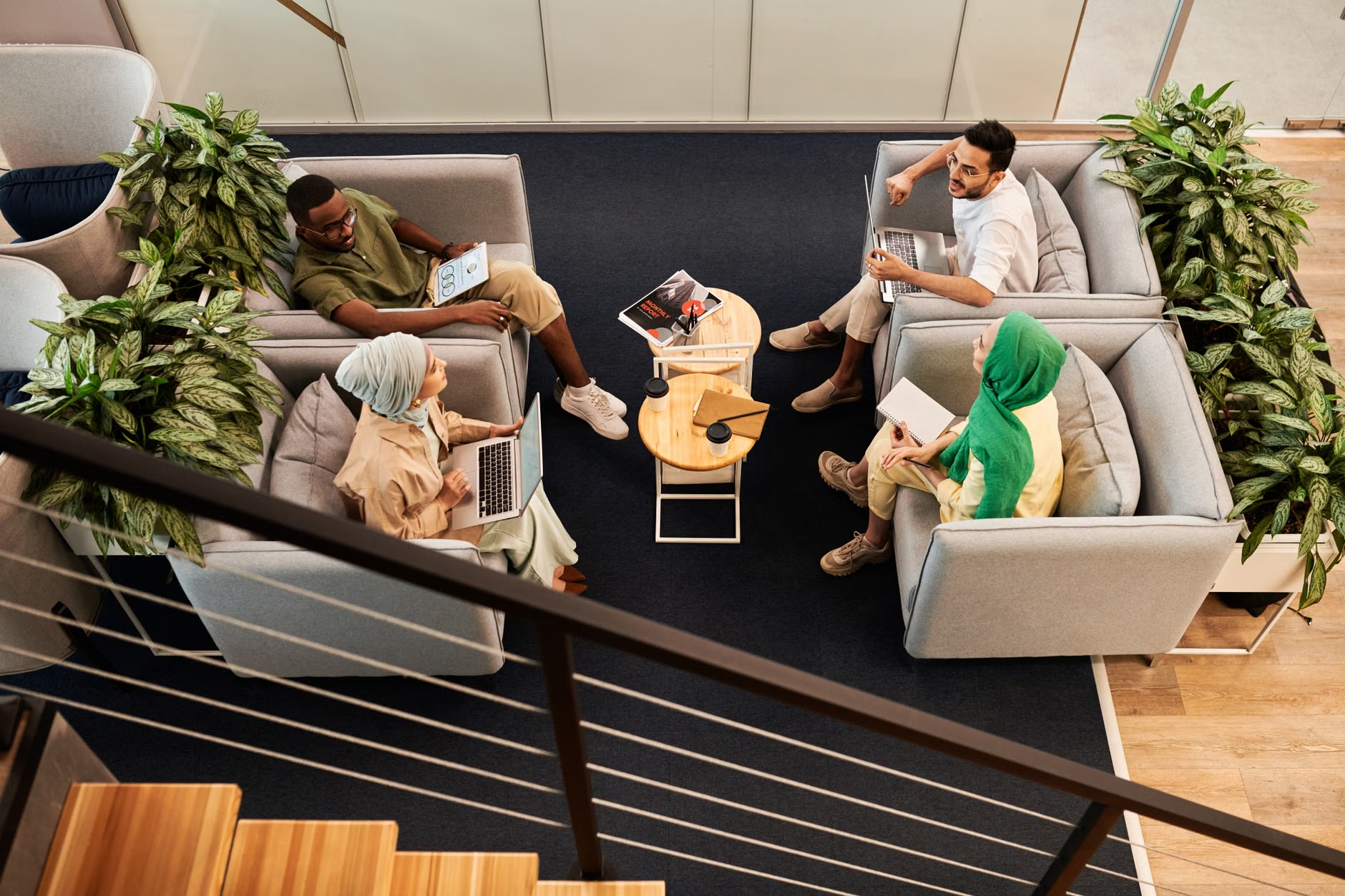
As we move into 2026, the landscape of where we work and learn is undergoing a profound transformation. The rigid separation between “retirement centers,” “corporate offices,” and “educational institutions” is dissolving. In their place, a new model of intergenerational co-working and learning spaces is emerging, designed to foster social inclusion, professional relevance, and lifelong cognitive engagement for adults aged 60 to 80.
In previous years, co-working spaces were largely viewed through the lens of the “gig economy”—a place for freelancers to rent a desk. By 2026, the definition has expanded. These environments are now curated ecosystems that prioritize social infrastructure as much as physical utility. For an older adult, this means these spaces are no longer just about “getting work done”; they are about participating in a multi-generational community that values experience and institutional knowledge.
Why does this matter? For many, the transition out of full-time employment creates a void in daily structure and professional networking. Intergenerational spaces bridge this gap by creating environments where a 70-year-old consultant can collaborate with a 25-year-old software developer. This is not charity; it is a strategic exchange of value. The senior brings decades of problem-solving, negotiation, and strategic thinking, while the younger professional brings familiarity with the latest digital tools and rapid-prototyping workflows.

Identifying the Right Space: What to Look For
Not every co-working space is designed with the needs of an older workforce in mind. When evaluating a potential space, you must look beyond the aesthetics and focus on “operational ergonomics.” This refers to the physical and social setup of the environment. Use the following checklist to evaluate if a space is truly suitable for your needs:
| Feature | What to Look For | Why It Matters |
|---|---|---|
| Acoustic Control | Dedicated “quiet zones” and sound-dampening wall panels. | Reduces cognitive load and makes conversation easier for those with hearing sensitivities. |
| Ergonomic Furniture | Adjustable-height desks and chairs with lumbar support. | Essential for maintaining comfort during long periods of sitting or light work. |
| Lighting Design | Adjustable task lighting and high-CRI (Color Rendering Index) overhead lights. | Improves visual clarity and reduces eye strain during reading or digital work. |
| Universal Accessibility | Step-free access, wide corridors, and accessible restroom facilities. | Ensures mobility is never a barrier to participation or social interaction. |
If a space lacks these features, it is likely optimized for a younger, transient demographic. A space that invests in its physical infrastructure is typically more serious about long-term community building.
The Mechanics of Intergenerational Skill-Sharing
The most successful spaces in 2026 are those that facilitate structured “skill-swaps.” This is a departure from the “chance encounter” model of the past. These programs are often formalized, where the co-working space acts as a moderator for knowledge exchange. For instance, a senior member might lead a monthly workshop on “The Art of Professional Negotiation,” while a younger member hosts a “Digital Literacy and AI Prompting” session.
What it looks like in real life: Imagine a hypothetical scenario where a retired project manager joins a co-working space to continue their consulting practice. They find that the space has a “Mentor-in-Residence” program. Through this, they are paired with a startup founder. The senior provides advice on scaling operations, while the founder helps the senior integrate a new project management software into their workflow. This is a mutually beneficial arrangement that keeps the senior intellectually active and socially connected.

Entering a space dominated by a younger demographic can be intimidating. However, the 2026 trend is moving toward “inclusive design” where age is viewed as a diversity metric rather than a liability. To successfully integrate into these spaces, consider the following strategies:
- Start with a Trial Period: Most professional spaces offer a “day pass” or a “trial week.” Use this to observe the social dynamics. Does the space feel welcoming? Is there a mix of ages in the common areas?
- Identify Your Contribution: Don’t just go to consume services; go to offer value. Whether it is mentorship, administrative experience, or simply a calm, grounded presence, knowing what you bring to the table changes the dynamic from “visitor” to “member.”
- Clarify Digital Support: If you are concerned about the technical aspects of a space, ask the management team about their “onboarding process.” A good operator will provide a walkthrough of their booking systems, printers, and communication platforms.
One common mistake is attempting to adapt to the “hustle culture” often found in tech-heavy spaces. Instead, seek out spaces that emphasize “sustainable work-life integration.” These spaces are often quieter, more focused on deep work, and naturally attract a more diverse age range.
Financial and Logistical Considerations
The cost of co-working has become more varied by 2026. Many spaces now offer “Community Memberships” which are significantly cheaper than “Dedicated Desk” memberships. If you don’t need a permanent desk, consider these options to save costs:
- Hot-Desking: You pay for access to any available desk in a common area. This is the most cost-effective and encourages you to sit in different areas, meeting more people.
- Part-Time Packages: Many spaces offer 5-day or 10-day passes per month. This is ideal if you are balancing professional work with travel or leisure activities.
- Senior-Specific Discounts: Some community-focused hubs now offer reduced rates for retired professionals or those working part-time, as they view these members as “community anchors” who provide stability to the space.
Always ask about hidden costs. Some spaces charge extra for meeting room bookings, printing, or high-speed internet upgrades. Ensure you have a clear contract that outlines what is included in your monthly fee.
The Hidden Benefit: Cognitive Health and Social Capital
Beyond the professional utility, there is a significant body of research suggesting that continued engagement in complex social and learning environments is a critical component of healthy aging. By 2026, the concept of “Cognitive Reserve” is a central pillar of public health. This refers to the brain’s ability to improvise and find alternate ways of getting a job done. Engaging in new, intergenerational environments forces the brain to adapt, learn new social cues, and process information in ways that a static, isolated environment cannot.
However, this requires active participation. Passive presence—simply sitting in a shared space—is not enough. To reap the benefits, you must engage in the “active ingredients” of the space: attending workshops, participating in lunch-and-learns, and initiating conversations. If you find yourself isolated, it is often a sign that you need to shift your focus from the “work” side of the space to the “community” side.
Preparing for Your First Day
If you have decided to join a co-working space, preparation is key to a smooth transition. Think of it like starting a new job or a new course. You should have a “kit” ready:
- Technology: Ensure your devices are updated and that you have the necessary chargers and adapters. Familiarize yourself with basic cloud-based tools like Google Drive or Slack, as these are the standard communication channels in 2026.
- Schedules: Plan your day with “stamina awareness.” If you know you get tired by 2 PM, ensure your most intensive work is done in the morning and reserve the afternoon for lighter, social tasks or reading.
- Expectations: Set realistic goals. Your first goal should be to meet three people and learn how the space functions. Do not pressure yourself to be “productive” in the traditional sense on your first day.
The Future of Community Learning
As we look toward the latter half of the 2020s, the integration of these spaces into residential areas is becoming more common. We are seeing “mixed-use” developments where the ground floor is a public co-working and learning hub, and the upper floors are accessible housing. This reduces travel time, increases safety, and creates a true “15-minute neighborhood” effect, which is vital for maintaining independence as we age.
The most important takeaway is that you are not a passive observer in this shift. By choosing to engage with these spaces, you are helping to normalize the presence of older adults in the modern workforce. You are proving that experience is a vital asset in an increasingly automated world. The “work” of the future is not just about output; it is about the quality of the connections we build while doing it.
Frequently Asked Questions
1. Will I be out of place if I am the oldest person in the co-working space?
Not at all. In 2026, the “age-diversity” trend is well-established. Most modern co-working operators actively seek a diverse age demographic because it fosters a more professional and stable environment. If you feel out of place, it is likely a sign that the specific culture of that space is too narrow; look for spaces that emphasize “community” over “startup growth.”
2. What if I don’t have a professional background? Can I still join?
Yes. Many of these spaces are transitioning into “Lifelong Learning Hubs.” They offer courses on everything from digital photography to local history and civic engagement. You do not need to be “working” to participate in the learning and social aspects of these communities.
3. How can I ensure the physical space is safe and accessible for me?
Before signing a contract, request a physical tour during their quietest hours. During the tour, specifically check the width of the doorways, the height of the desks, the accessibility of the kitchen and bathroom facilities, and the lighting levels. Do not hesitate to ask the operator about their accessibility policies; a professional space will be happy to answer these questions clearly.
For further information on aging in place and community engagement, visit the World Health Organization’s Age-Friendly World initiative, which provides global resources on building inclusive community environments.