- Prioritize terminals that offer “level-boarding” infrastructure, which eliminates the need for steep ramps or stairs, significantly reducing physical strain.
- Verify the “Last Mile” logistics: Ensure the distance between the ferry terminal and local public transit or parking is manageable, ideally under 300 meters on flat terrain.
- Use official transit authority accessibility maps rather than generic tourist maps to confirm the presence of elevators, accessible restrooms, and tactile paving.
For the slow traveler, the journey is as significant as the destination. Riverfront travel, particularly via ferry, offers a unique vantage point to experience a city’s history and geography. However, for adults aged 60 to 80, the enjoyment of these transit modes depends heavily on the accessibility of the terminals themselves. A ferry terminal that looks picturesque in a guidebook may present significant challenges if it features steep, uneven gangways or lacks adequate seating.
This guide provides a systematic approach to evaluating and selecting ferry terminals that prioritize your safety, stamina, and overall comfort, ensuring your slow travel experience remains rewarding and stress-free.
The Anatomy of an Accessible Ferry Terminal
Understanding what constitutes an accessible terminal is the first step in planning. Many travelers assume that because a site is “public,” it is inherently accessible. In reality, ferry infrastructure often dates back decades, and retrofitting for accessibility is not universal.
1. Boarding Infrastructure: The Ramp vs. The Stair
The most critical factor in your travel experience is the boarding method. A terminal with a fixed, steep staircase is a non-starter for many. Instead, look for level-boarding or low-incline gangways.
What it looks like in real life: An accessible terminal will have a ramp with a gradient no steeper than 1:12 (for every 12 units of horizontal length, there is 1 unit of vertical rise). Anything steeper requires significant physical exertion. Look for documentation on the operator’s website that mentions “step-free access” or “wheelchair-accessible boarding.” If a terminal relies on a “tide-dependent” ramp, be aware that during extreme low or high tides, the angle of that ramp can become dangerously steep, even if it is technically “accessible.”
2. The “Last Mile” and Terminal Proximity
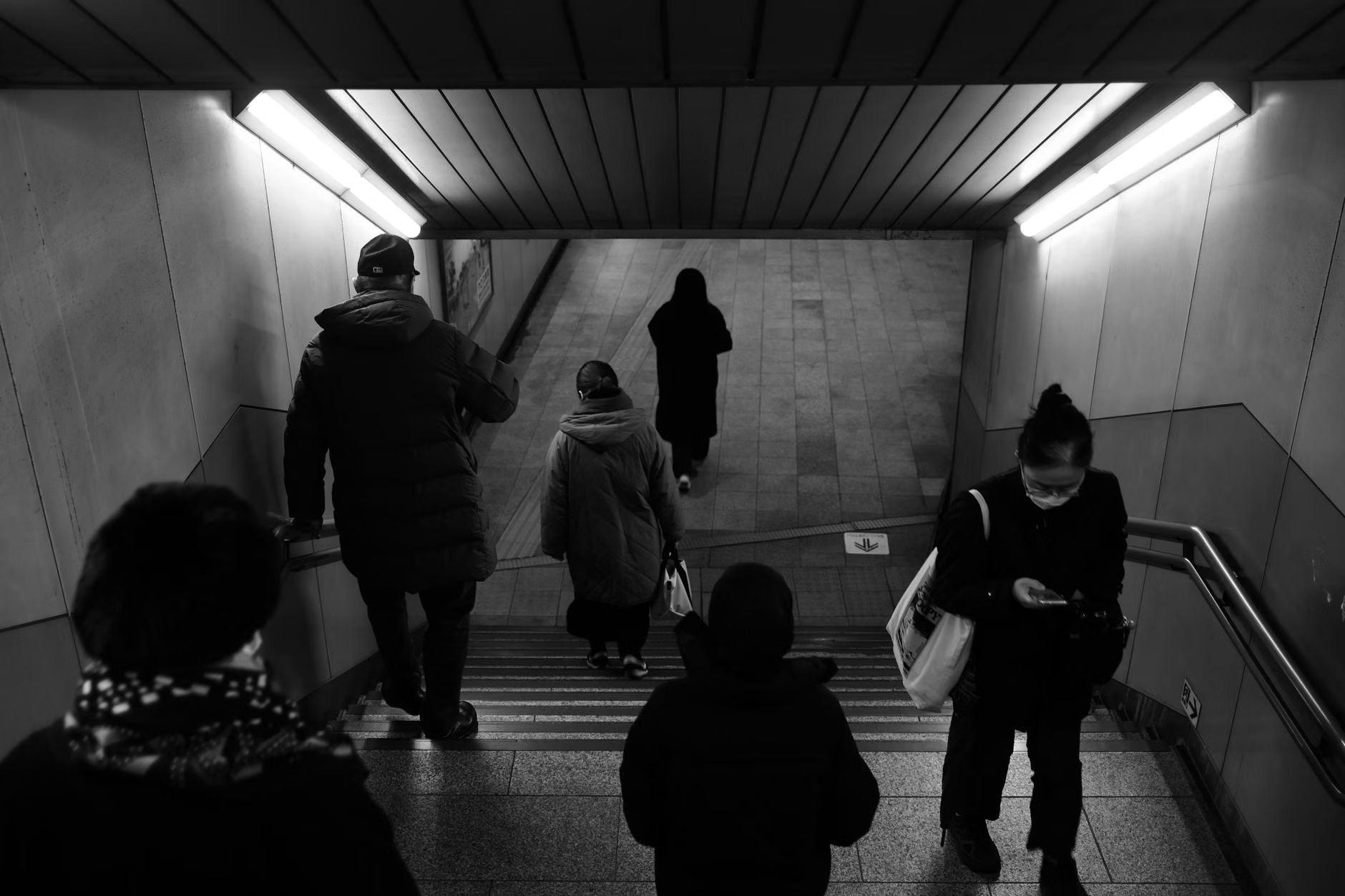
The walk from the nearest bus stop, train station, or parking lot to the ferry gate is often the most overlooked variable. A terminal might be accessible, but if it is located at the bottom of a steep hill or requires crossing a high-traffic, signal-less road, it creates a barrier to entry.
Practical Decision Rule: Use a digital map tool to measure the distance from the nearest public transit stop to the terminal entrance. If the distance exceeds 400 meters, or if the elevation change is significant (more than 10 meters), look for a secondary terminal or a local bus that drops passengers directly at the terminal entrance.
Evaluating Terminal Amenities for Longer Stays
Slow travel encourages lingering. You might arrive early to avoid the rush or stay after a journey to enjoy the riverside atmosphere. The quality of the terminal’s amenities determines whether you can comfortably manage your time.
Ergonomic Waiting Areas
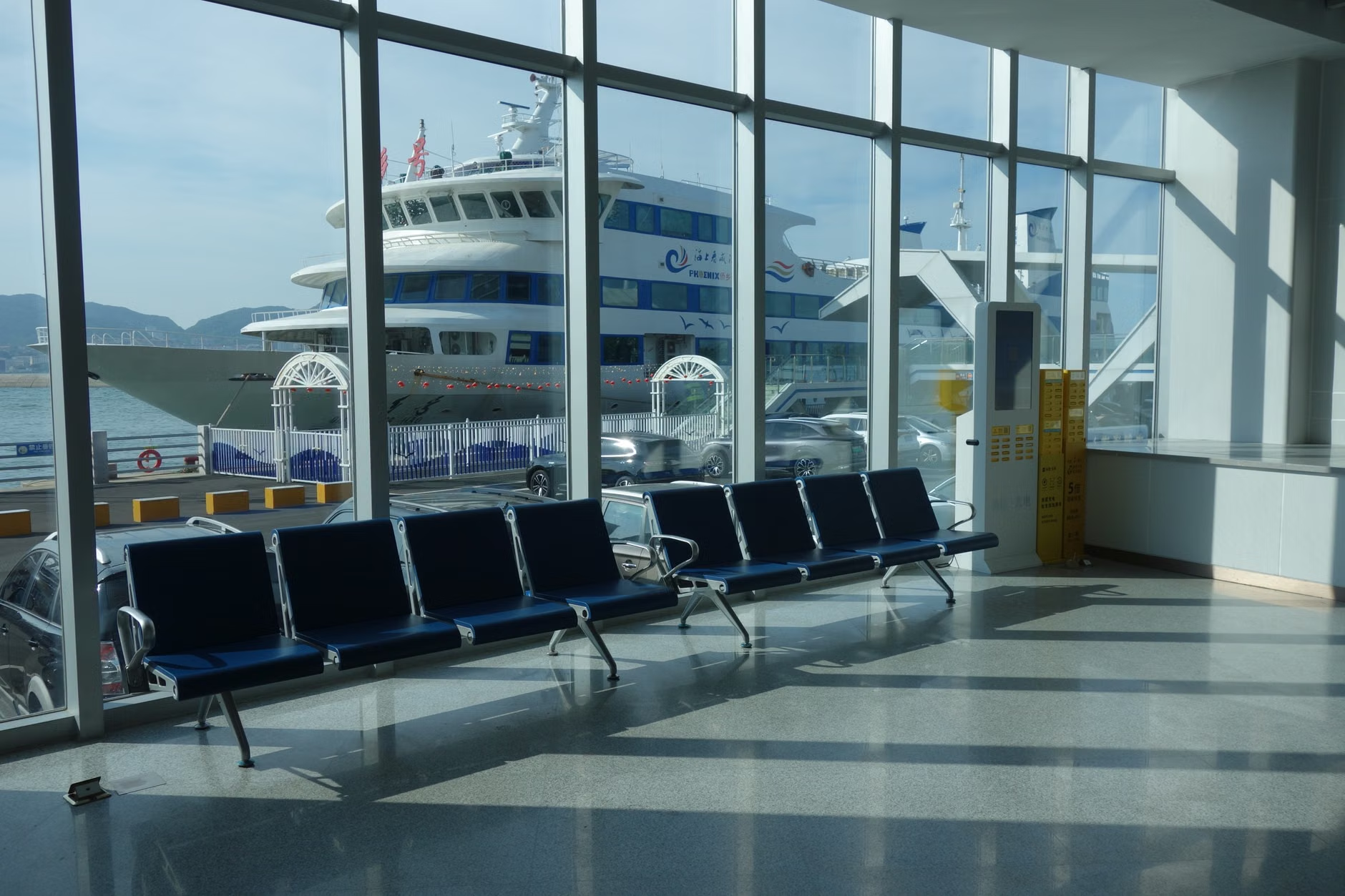
A terminal is not just a transit point; it is a rest stop. When reviewing a terminal, check for the availability of back-supported seating. Many transit hubs feature stools or benches without backs, which can cause discomfort for those with chronic back pain or reduced core stamina. If the terminal is outdoors, ensure there is adequate shade or shelter. Extreme temperatures, whether hot or cold, can quickly deplete the energy required for the rest of your day.
Accessibility of Sanitation Facilities
Access to clean, spacious, and accessible restrooms is a non-negotiable requirement for many older travelers. Do not assume that because a terminal exists, it has public restrooms. In some smaller, historical riverfront towns, the “ferry terminal” may be nothing more than a wooden pier. Always confirm the location of the nearest public toilet on the operator’s website or a verified city planning map.
Strategic Planning: The Pre-Travel Checklist
To avoid unpleasant surprises, adopt a “Verify, Don’t Assume” policy. Use this checklist before finalizing your itinerary.
| Verification Step | Why It Matters | Action |
|---|---|---|
| Check Ramp Gradient | Prevents physical overexertion. | Check official site for “step-free” tags. |
| Verify Transit Links | Ensures the “last mile” is safe. | Use Google Maps “Street View” to check sidewalks. |
| Confirm Restroom Access | Maintains comfort and health. | Call the terminal office if not listed online. |
The table above highlights that accessibility is not a single feature but a network of factors. For instance, a terminal might have a perfect ramp, but if the bus stop is 500 meters away across uneven cobblestones, the overall accessibility score is low. Cobblestones are a common hidden inconvenience for travelers with mobility aids or those who are prone to balance issues. Always look for images of the approach path to the terminal.
Hidden Variables in Riverfront Travel
Beyond the physical infrastructure, several situational variables can change the best choice for your journey. These are the “hidden” factors that frequent travelers often learn the hard way.
Tidal and Seasonal Variations
In many regions—such as parts of the United Kingdom, the Netherlands, or coastal Australia—ferry terminals are subject to significant tidal changes. A terminal that is perfectly flat at high tide may have a 20-degree incline at low tide. If you are traveling in a destination with high tidal ranges, check the tide tables for your travel day. If the tide is exceptionally low, consider if you have the stamina to navigate a steeper-than-usual ramp, or if it is safer to choose a different time of day.
The “Peak Hour” Trap
During morning and evening rush hours, ferry terminals become crowded. For an older adult, this can be overwhelming and physically risky due to the increased pace of the crowd. Travel during off-peak hours (typically 10:00 AM to 3:00 PM) not only guarantees more space and a better chance of finding a seat but also ensures that staff are more available to assist with boarding if needed.

If you have specific mobility needs, do not hesitate to contact the ferry operator in advance. Most major river ferry services provide “Assistance Programs.”
What this looks like in real life: If you call 48 hours in advance, many operators will arrange for a staff member to meet you at the terminal entrance and assist you with luggage or boarding. This is not a sign of frailty; it is a strategic use of available services to ensure you arrive at your destination with your energy intact.
Questions to Ask When Calling
- “Is there a level path from the main street to the ticket booth?”
- “Are there stairs between the waiting area and the ferry deck?”
- “Is there a dedicated space for those who need extra time to board?”
- “What is the average walking distance from the terminal exit to the nearest taxi stand?”
By asking these specific questions, you move the conversation from “Is it accessible?” (which often receives a vague “yes” from customer service staff) to “How does this work for my specific mobility level?”
The Importance of Pacing in Slow Travel
The philosophy of slow travel is to immerse yourself in the environment, not to rush through it. When selecting a ferry terminal, consider the “Recovery Time” needed between segments of your trip. If you take a 45-minute ferry ride, plan for a 30-minute rest period upon arrival. This allows you to reorient yourself, use the facilities, and enjoy the surroundings without the pressure of a ticking clock.
Common mistake: Booking back-to-back transit connections. For example, planning a ferry arrival at 2:00 PM and a train departure at 2:20 PM is high-risk. Any delay in the ferry, or difficulty navigating the terminal exit, will cause unnecessary stress. Aim for a minimum of 60 minutes between transfers to account for walking speed and potential queues.
Technological Tools for the Modern Traveler
Leveraging digital tools can significantly improve your ability to assess accessibility before you leave home. While no app is perfect, a combination of these resources will give you a clear picture:
- Google Street View: Use this to “walk” from the nearest bus stop to the terminal entrance. Look for dropped curbs, sidewalk width, and the presence of stairs.
- Official Transit Apps: Apps like Citymapper or local municipal transit apps often include “accessible route” features that prioritize step-free paths.
- Local Tourism Boards: Many cities now publish “Accessible Tourism” guides. These are often more detailed than general travel sites, as they are written specifically for those with mobility, hearing, or visual impairments.
Always verify the date of the information you find. Infrastructure changes frequently. If a website’s accessibility page hasn’t been updated in three years, call the operator to confirm that the facilities described are still in operation.
Addressing Safety and Health Risks
Traveling by river means being near water, which introduces specific safety considerations. While ferry travel is statistically very safe, the transition between land and vessel is where most minor incidents occur. Never rush during boarding or disembarking. If the crew is hurrying passengers, stay back and wait for the main flow to pass. Your safety is more important than the ferry’s departure schedule.
If you are traveling with a chronic health condition, ensure you have a “Go-Bag” that includes your medication list, a copy of your essential health documents, and a clear plan for what to do if you feel unwell during the journey. This includes knowing the location of the nearest hospital or urgent care center in the city you are arriving in.
Conclusion: Empowering Your Journey
Selecting the right ferry terminal is about more than just finding a way to cross the water; it is about curating an experience that respects your need for comfort, safety, and a sustainable pace. By focusing on level-boarding, verifying your “last mile” logistics, and utilizing off-peak travel times, you can turn potential obstacles into seamless parts of your journey.
Remember, the goal of slow travel is enjoyment. If a particular terminal seems too challenging, do not hesitate to look for an alternative route or a different mode of transport. The best travel experiences are those where you arrive feeling refreshed and ready for the next discovery, rather than exhausted from navigating poorly planned infrastructure.
Frequently Asked Questions
1. How can I confirm if a ferry terminal is truly “accessible” for my mobility aid?
The term “accessible” is broad. To get a precise answer, do not rely on website labels alone. Call the terminal’s customer service line or the local transit authority and ask, “How many steps are between the ticket office and the boat?” and “Is there a ramp with a handrail for the entire length of the boarding process?”
2. What should I do if I arrive at a terminal and find it is not as accessible as I expected?
If you find that the terminal has unexpected stairs or a steep ramp, speak immediately to a staff member. Most ferry operators have protocols for assisting passengers with limited mobility, such as providing a shuttle or a different, level entrance. If no assistance is available, prioritize your safety and consider using a taxi or ride-share service to reach your destination instead.
3. Are there specific countries where riverfront ferry terminals are consistently more accessible?
Countries with robust public infrastructure, such as the Netherlands, Switzerland, and parts of Scandinavia, generally have higher standards for accessible public transport. However, even in these countries, historic city centers can have older terminals that are less accessible. Always check the specific city’s transit website, as accessibility policies are often managed at the municipal or regional level rather than the national level.
For further information on accessible transport standards, you may refer to the World Health Organization’s guidelines on Disability and Health, which provide context on the importance of inclusive infrastructure in community mobility.