- Cognitive Engagement: Philately promotes neuroplasticity by requiring visual pattern recognition, historical research, and fine motor coordination.
- Low Barrier to Entry: You do not need a fortune to begin; starting with modern postal stamps or thematic collections is affordable and accessible.
- Structured Mindfulness: The ritual of sorting, identifying, and mounting stamps provides a meditative, stress-reducing routine that improves focus.
Philately—the study and collection of postage stamps—is far more than a pastime of organizing paper. For adults aged 60 to 80, it serves as a sophisticated cognitive exercise that bridges the gap between historical curiosity and disciplined organization. Unlike hobbies that require significant physical stamina, philately is a sedentary, intellectually demanding pursuit that can be practiced from the comfort of your own home, regardless of your mobility level.
The Cognitive Science Behind Stamp Collecting
When you engage with a stamp, you are not merely looking at a piece of gummed paper. You are analyzing a micro-document of history, geography, and art. The brain benefits from this in several specific ways:
- Pattern Recognition: Identifying minute differences in perforations, watermarks, and printing techniques exercises the visual cortex and improves attention to detail.
- Memory Consolidation: Learning the context of a stamp—such as the historical period, the political regime, or the significance of the featured artwork—activates long-term memory and encourages new neural pathways.
- Fine Motor Coordination: Using specialized tools like tongs (tweezers) to handle delicate stamps maintains dexterity in the hands and fingers, which is vital for maintaining fine motor control as we age.
Research into cognitive health suggests that “novel and complex” activities are the most effective at slowing cognitive decline. Philately is essentially a puzzle-solving hobby that never truly ends. Because there are millions of stamps globally, the potential for learning remains infinite.
Starting Your Collection: A Practical Framework
Many beginners feel overwhelmed by the sheer scale of the philatelic world. The secret to enjoying this hobby without stress is to narrow your focus. Instead of trying to “collect everything,” choose a theme that resonates with your personal history or interests.
Step 1: Define Your Focus
Choosing a theme reduces the cost and complexity of the hobby. Common themes include:
| Theme | Why it’s Engaging | Difficulty Level |
|---|---|---|
| Botanical/Nature | Visually beautiful; easy to categorize by species. | Low |
| Historical Eras | Connects directly to your life experiences. | Medium |
| Postal History | Focuses on postmarks and routes; deep research. | High |
Step 2: Essential Tools for the Beginner
Do not be tempted to use household items like kitchen tweezers or household glue. Stamp collecting requires specific tools to prevent damaging the paper, which can be fragile, especially if the stamps are older.
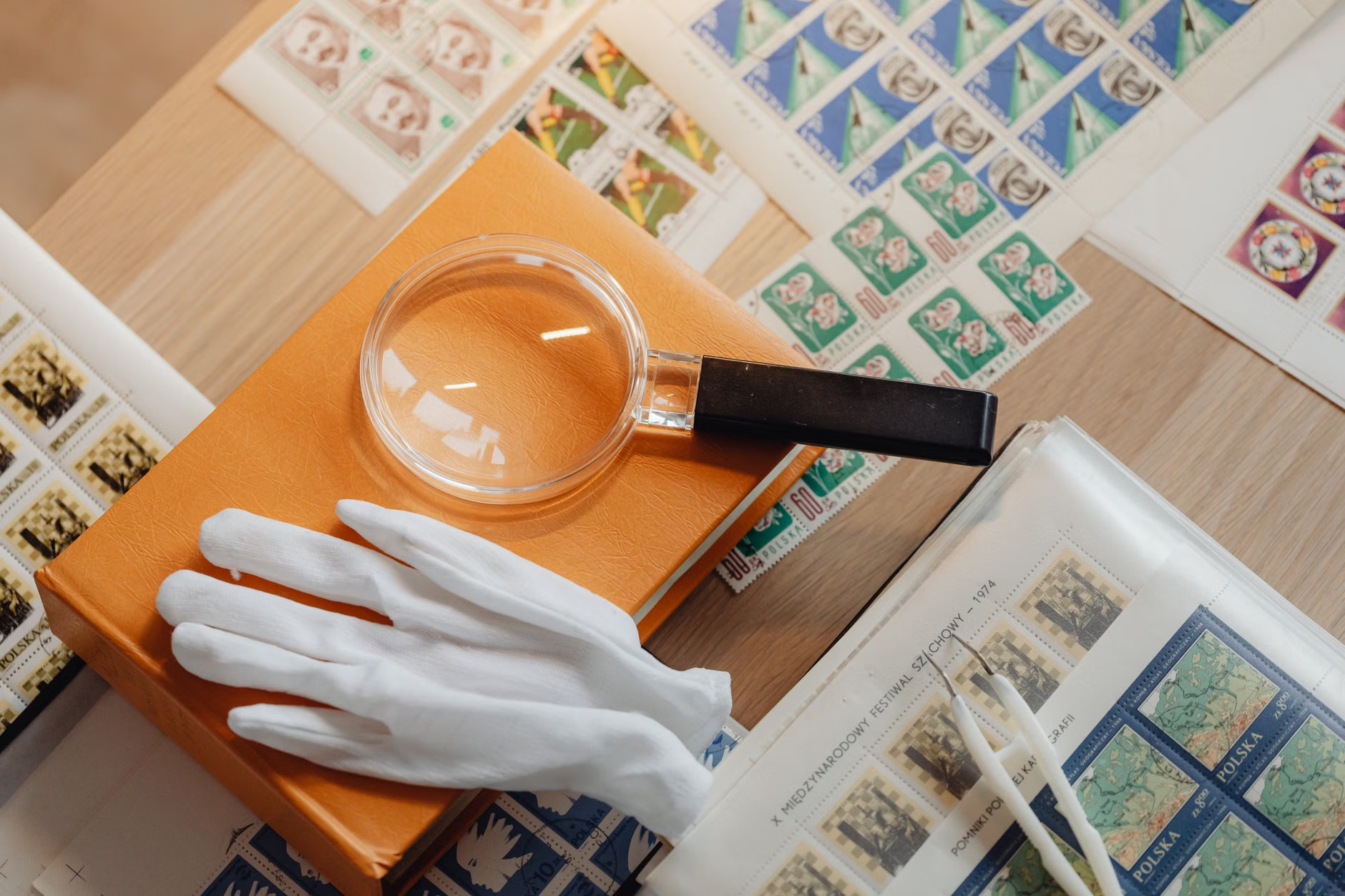
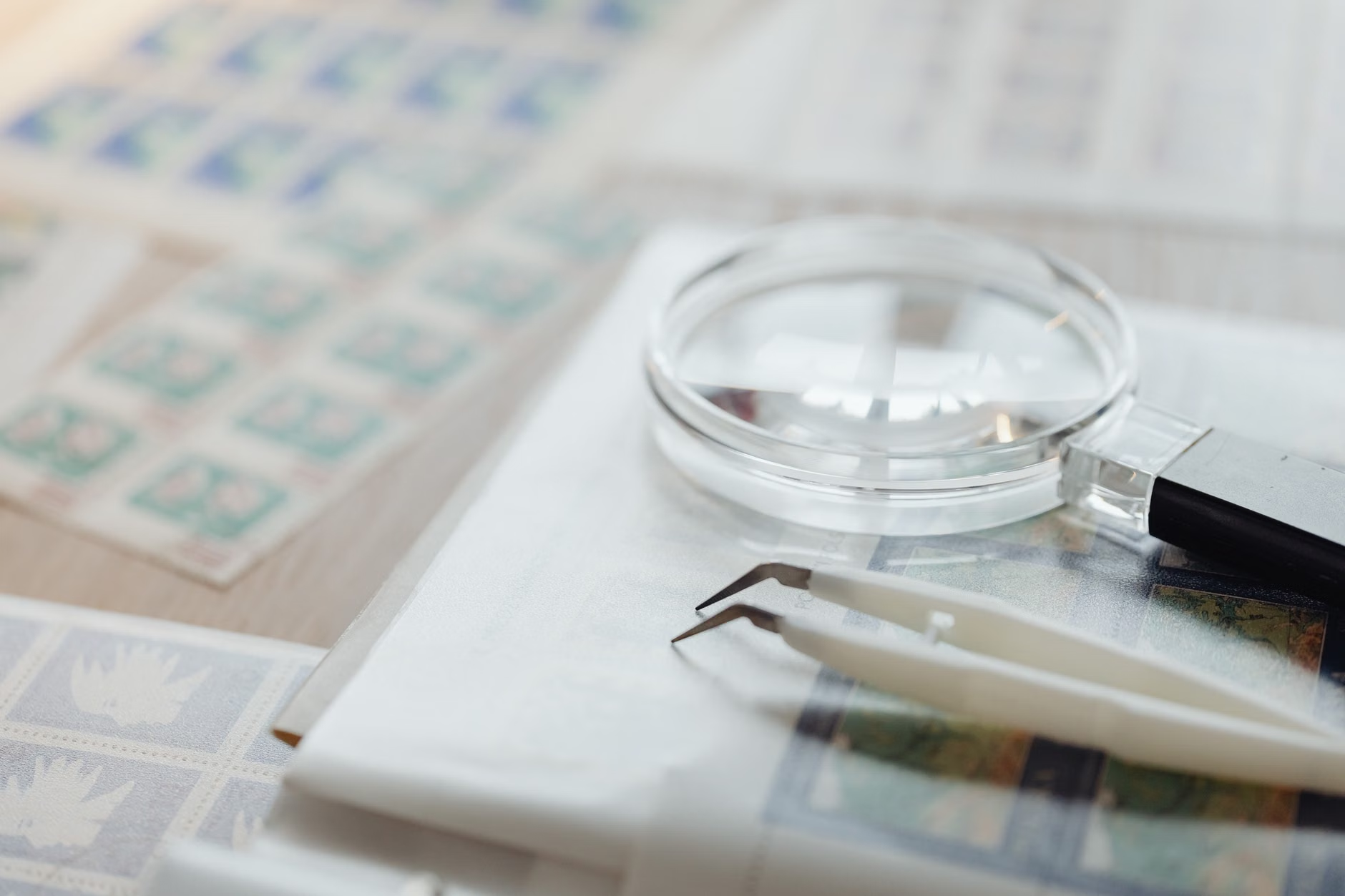
- Stamp Tongs: Unlike tweezers, these have smooth, rounded tips designed to hold stamps without creasing or tearing the paper.
- Magnifying Glass: A 3x to 5x magnifying glass is sufficient for most hobbyists. If you are inspecting tiny watermarks, a higher magnification may be necessary.
- Stockbook or Album: Use acid-free albums. Acidic paper will yellow and destroy your stamps over time.
The Ritual of Organization: A Path to Mindfulness
The act of sorting is where the “joy” of philately manifests. In a world of digital clutter, there is something deeply satisfying about the tactile nature of paper. When you set aside an hour to sort through a batch of new stamps, you enter a state of “flow”—a psychological state where you are fully immersed in the task at hand.
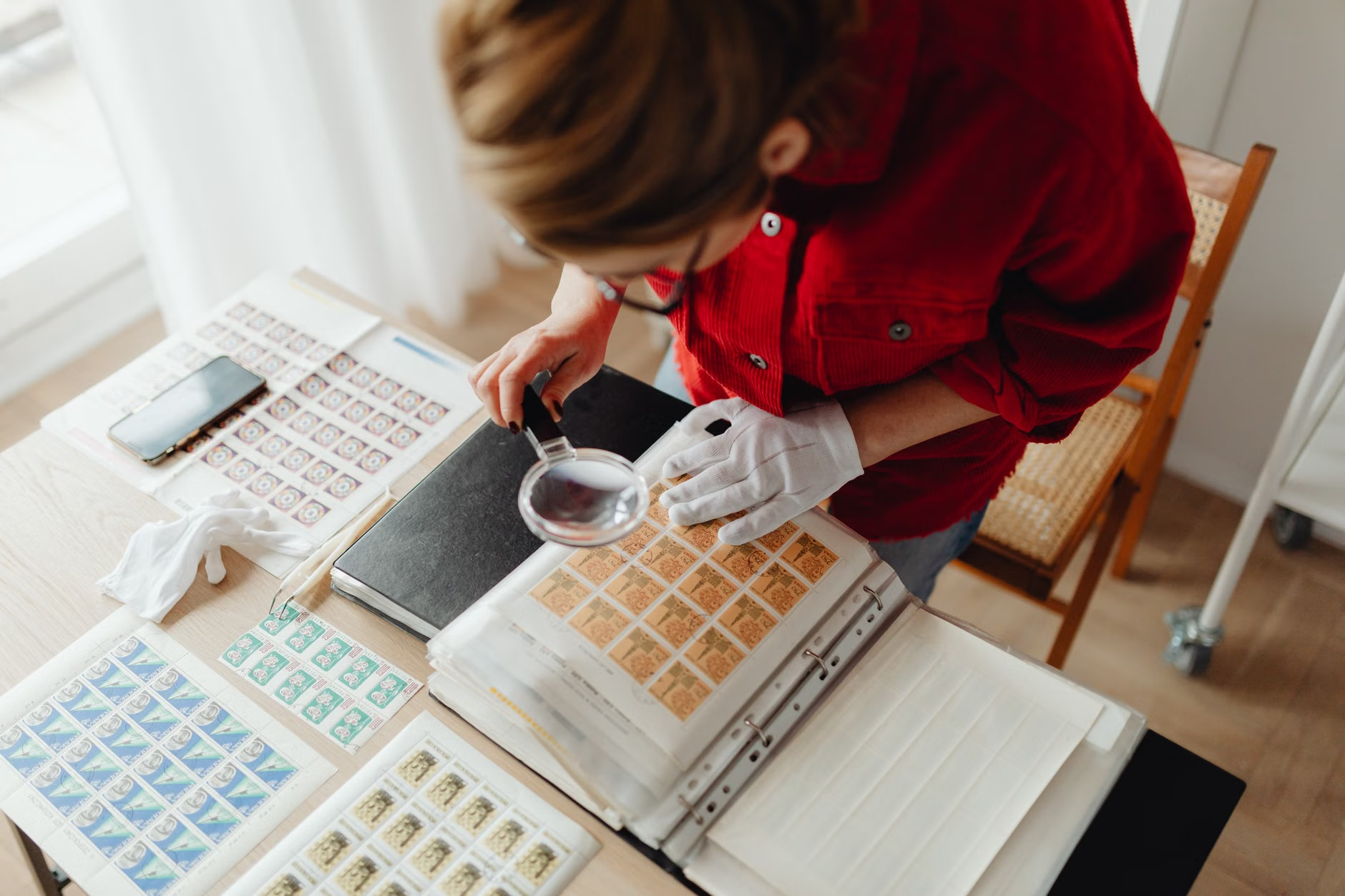
Practical Tip: Create a “sorting station” in a well-lit area. Use a desk lamp with a warm light to reduce eye strain. Organize your space so that your tongs, album, and reference books are within easy reach, minimizing the need to reach or lean, which helps maintain comfort during long sessions.
One of the most frequent mistakes beginners make is overspending on “rare” stamps early on. In reality, most common stamps have very little monetary value, which is actually a benefit—it means you can build a collection for pennies.
If you choose to purchase stamps, look for reputable dealers or established philatelic societies. Many countries have national organizations that offer resources for beginners. Avoid buying “mystery bags” from non-specialized retailers, as these often contain damaged or common stamps that are not worth the price.
Safety and Consumer Protection
When buying online, check for the seller’s return policy and their reputation within the philatelic community. If a deal seems too good to be true—such as a “rare” stamp sold for a fraction of its market value—it is almost certainly a forgery or a reprint. Stick to stamps that have been verified by a reputable organization if you are investing in higher-value items.
Connecting with the Global Community
Philately is a social hobby. Whether you join a local club or an online forum, sharing your collection and discussing your findings with others can combat social isolation and provide a sense of belonging. Many clubs offer mentorship programs where experienced collectors guide newcomers through the complexities of grading and identification.
The Long-Term Value of Your Collection
It is important to manage expectations regarding the financial value of your collection. While some rare stamps do appreciate in value, most collections should be viewed as a “cultural asset” rather than a financial investment. The true value lies in the intellectual stimulation and the preservation of history.
If you intend to pass your collection down to family members, keep a simple logbook. Document why you chose specific stamps and what they mean to you. This transforms a collection into a family heirloom that carries your personal narrative, making it far more valuable to your descendants than a simple box of paper.
Deep Dive: Understanding Stamp Anatomy
To truly appreciate philately, one must understand that a stamp is a complex product of industrial engineering. When you look at a stamp under magnification, consider these elements:
- Perforations: These are the holes punched between stamps to make them easy to separate. Collectors use a “perforation gauge” to measure the number of teeth within a 2-centimeter span. This is often the primary way to distinguish between two stamps that look identical but were produced by different machines.
- Watermarks: These are subtle designs pressed into the paper during manufacturing. They are often invisible to the naked eye. To see them, collectors use a small tray and a special, non-toxic fluid that makes the watermark temporarily visible.
- Gum: The adhesive on the back of the stamp is highly sensitive to humidity. Never store your collection in a basement or a damp attic. A stable, room-temperature environment is essential to prevent the gum from attracting mold or causing the paper to warp.
The Intersection of History and Geography
Philately is essentially a history lesson in miniature. If you collect stamps from the mid-20th century, you are witnessing the collapse of empires, the birth of new nations, and the evolution of artistic styles from Art Deco to Modernism. For the senior collector, this can be an opportunity to “re-travel” to places they have visited or to learn about cultures they have always been curious about.
Consider the example of the “decolonization period” in Africa during the 1960s. A collection focused on this era provides a clear visual timeline of changing political borders and national identities. This context-heavy approach to collecting ensures that the hobby remains intellectually stimulating for decades.
Maintaining Your Collection for Future Generations
If you are building a collection with the intent to leave it to family, proper storage is your most important duty. Avoid the “magnetic” albums from the 1970s and 1980s; the adhesive in these albums is acidic and will permanently damage the stamps within a few years. Use modern, archival-quality stockbooks with glassine or plastic pockets that are marked as “PVC-free” or “acid-free.”
Label your albums clearly. If you have a specific focus—for example, “19th-Century European Airmail”—write a short introduction on the first page of the album. This helps anyone who inherits the collection understand the logic behind your choices and the effort you put into curating it.
Conclusion: A Hobby for the Mind
Philately offers a rare combination of tranquility and intellectual rigor. It does not require you to leave your home, it does not demand heavy physical exertion, and it is entirely scalable to your budget. By focusing on the process of discovery rather than the finality of a completed collection, you ensure that this hobby will continue to provide joy and cognitive challenge for many years to come.
Start small, stay curious, and remember that every stamp in your collection has a story waiting to be uncovered.
Frequently Asked Questions (FAQ)
1. Is stamp collecting expensive to start?
Not at all. You can start by collecting stamps from your own incoming mail or by purchasing “kiloware”—bulk bags of unsorted stamps—which are very affordable. The most significant costs are the initial tools, such as high-quality tongs and archival-safe albums, which are one-time investments.
2. How do I know if my stamps are valuable?
Most stamps are not valuable in monetary terms. To determine value, you need to identify the stamp’s catalog number, condition, and rarity. You can consult standard reference works like the Scott Catalogue (for North America) or the Stanley Gibbons Catalogue (for the UK and Commonwealth), which are available in many public libraries.
3. How much space do I need for a collection?
Philately is one of the most space-efficient hobbies. A collection of several thousand stamps can easily fit into a few binders on a standard bookshelf. This makes it ideal for those living in smaller homes or retirement communities where space may be limited.
Official resources for further learning include the American Philatelic Society and the Royal Philatelic Society London, both of which provide comprehensive guides for beginners and access to historical archives.