Key Takeaways for Accessible Tower Visits
- Prioritize “Elevator-First” Verification: Never assume a site is accessible based on its popularity; verify the exact type of vertical transport, as some “accessible” towers only provide partial lift access.
- Assess the “Last-Mile” Terrain: Historic city centers often feature uneven cobblestones; evaluate the distance from your transport drop-off to the tower entrance, not just the tower itself.
- Manage Stamina with Rest-Stop Planning: Use the “20-minute rule”—identify seating intervals before and after your ascent to ensure your total excursion time remains within your comfortable energy envelope.
Historic clock towers are iconic landmarks that offer unparalleled views of the world’s most beautiful cities. However, for travelers aged 60 to 80, the charm of these centuries-old structures often comes with significant logistical challenges. The goal of this guide is to provide a framework for evaluating which clock towers are truly suitable for your physical needs, ensuring that your travel experience remains focused on enjoyment rather than navigating physical barriers.
Understanding the “Historic Accessibility” Gap
When we talk about accessibility in historic buildings, we must distinguish between “official accessibility” and “practical usability.” Many historic sites are retrofitted to comply with modern building codes, but the original architecture—narrow spiral staircases, steep thresholds, and thick stone walls—often remains a primary feature.
For a senior traveler, the primary concern is not just the presence of a lift, but the continuity of access. A tower might have a lift that takes you to the observation deck, but if the final ten feet to the window require climbing a steep, narrow stone staircase, the “accessible” label is misleading. We recommend evaluating every tower visit through three distinct phases: the approach, the vertical transit, and the deck environment.

The Three-Pillar Assessment Framework
To determine if a specific clock tower fits your mobility requirements, apply the following evaluation framework before you finalize your travel itinerary.
1. The Approach: Beyond the Front Door
Most historic clock towers are located in the heart of old town districts. The “last mile” of your journey—from your taxi, bus, or tour vehicle to the tower entrance—is often the most overlooked variable. Cobblestone streets, steep inclines, and lack of curb cuts can drain your energy before you even reach the ticket office.
- Proximity of Drop-off: Use satellite map views to check if vehicles can stop directly in front of the entrance.
- Surface Quality: Historic centers often use uneven paving. If you use a cane or a walker, identify if there is a flat, paved path leading to the entrance.
- Waiting Areas: Does the site have a dedicated, indoor, seated waiting area? Avoid sites that require standing in outdoor queues for more than 15 minutes.
2. Vertical Transit: More Than Just a Lift
Not all elevators are created equal. In historic towers, elevators are often secondary additions. You must verify the following:
| Lift Type | Suitability | Considerations |
|---|---|---|
| Modern Full-Sized Lift | High | Ideal for all mobility levels. |
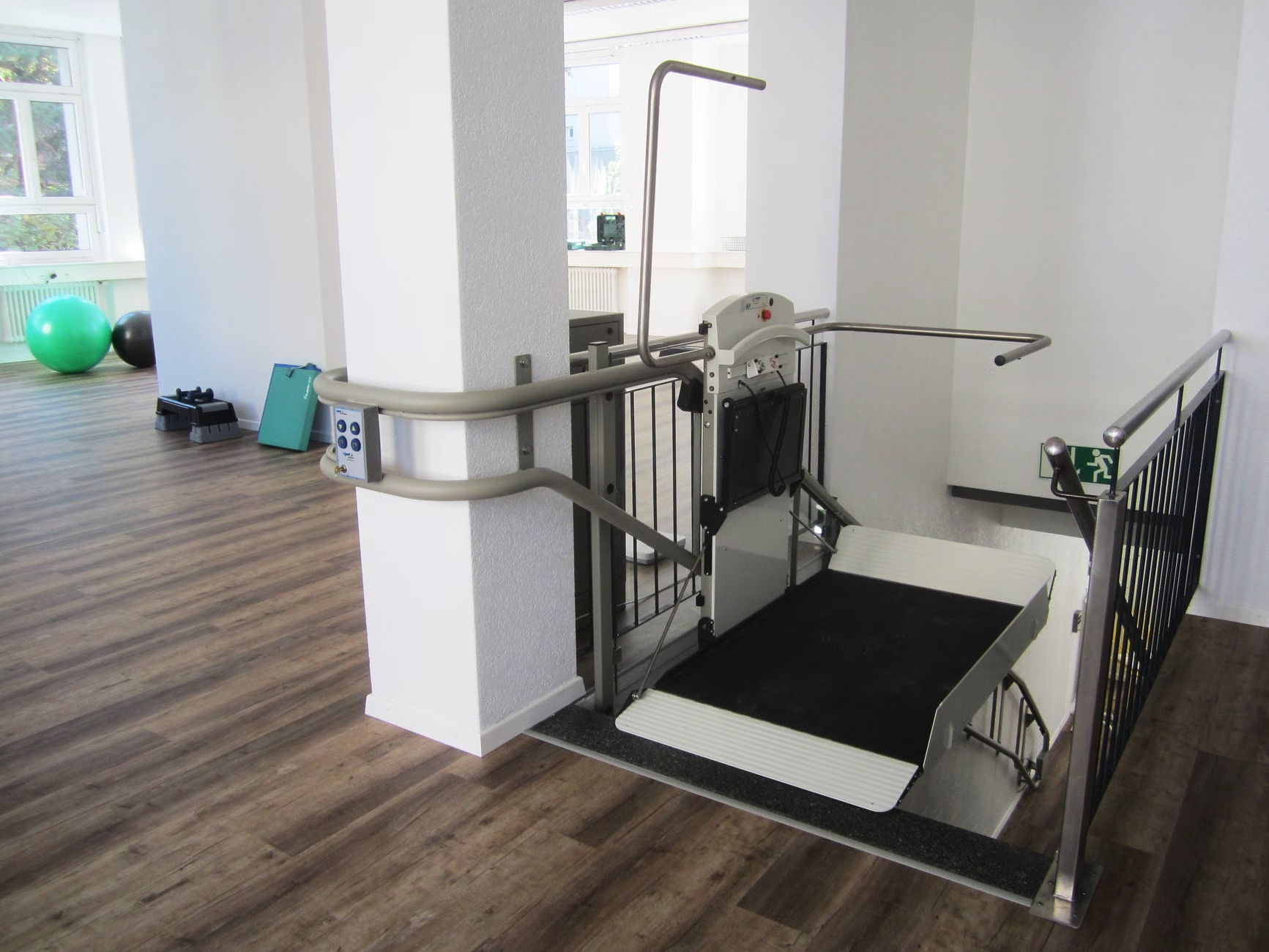
| Platform Lift | Medium | Requires standing still; may be slow or intimidating. |
| Stair-Climbing Aid | Low | Not recommended for independent travelers with limited stamina. |
Practical Insight: Always ask the ticket office if the elevator takes you to the final observation level or an intermediate floor. If it stops at an intermediate floor, ask exactly how many steps remain. If the answer is more than ten, be prepared to adjust your expectations.
3. The Observation Deck: Safety and Comfort
Once you reach the top, the environment should support your needs. Look for high railings, clear signage, and adequate seating. Many historic towers were designed as defensive or signaling structures, not viewing galleries, meaning they may lack protection from wind or cold. If you are sensitive to temperature changes, ensure you have appropriate layers, as observation decks are often drafty.
Planning Your Visit: A Step-by-Step Strategy
Planning for accessibility requires a proactive approach. Do not rely solely on tourism websites, which often use generic terms like “partially accessible.” Instead, follow these steps:
- Direct Inquiry: Call or email the site administrator. Ask specific questions: “How many steps are between the lift exit and the main viewing area?” and “Are there places to sit at the observation deck?”
- Off-Peak Timing: Visit during the first hour of operation. This ensures that you are not rushed by crowds and that staff have more time to assist you if needed.
- The “Plan B” Rule: Always identify a nearby, ground-level alternative with a view. If you reach the tower and find the entrance too daunting, having a pre-identified cafe or plaza with a view prevents the feeling of a “lost day.”
Health and Stamina Management
Traveling to high points involves changes in elevation and potentially different air quality. While clock towers do not reach altitudes that trigger altitude sickness, the physical exertion of walking and climbing can affect your blood pressure and heart rate. If you have concerns about your physical condition, discuss your travel plans with your primary care provider. Ensure you have your medications, a list of emergency contacts, and a clear understanding of your physical limits.
Monitor your “energy budget.” If you plan to visit a tower in the morning, schedule a low-impact afternoon activity, such as a scenic boat tour or a museum visit with ample seating. Avoid “stacking” high-exertion activities in a single day.
Conclusion: Prioritizing Your Experience
Your travel experiences should be defined by the beauty you witness, not the obstacles you overcome. By researching the specific accessibility features of a clock tower, managing your approach to the site, and prioritizing your physical stamina, you can confidently include these historic landmarks in your itinerary. Remember, the goal is to enjoy the view—if a specific tower presents too many barriers, choosing to admire it from a comfortable seat at a nearby cafe is a perfectly valid and often more relaxing way to appreciate its history.
Frequently Asked Questions
1. How can I verify if a clock tower’s elevator is currently in service?
Most historic sites update their daily status on their official websites or social media pages. If you cannot find this information, call the site’s visitor services phone number on the morning of your planned visit. Maintenance is common in older buildings, and a quick check saves significant travel time.
2. Are there specific cities known for having more accessible historic towers?
Cities with robust tourism infrastructure and strict accessibility laws, such as those in Northern Europe (e.g., Copenhagen, Amsterdam, or Berlin), often have more extensively retrofitted historic buildings. These cities frequently publish detailed “accessibility guides” for their major landmarks, which are far more reliable than general travel blogs.
3. Should I bring my own folding stool for visiting historic sites?
If you find standing for long periods challenging, a lightweight, portable folding stool can be a game-changer. However, check the site’s policy first, as some historic venues have restrictions on the types of equipment allowed inside. A cane-chair (a cane that unfolds into a seat) is often more widely accepted than a standalone stool.
Official resources for accessibility standards can be found through national tourism boards. For example, the VisitBritain or VisitEurope portals often provide links to specific accessibility audits for major historic sites. Always check the official site of the specific landmark for the most accurate, up-to-date information.